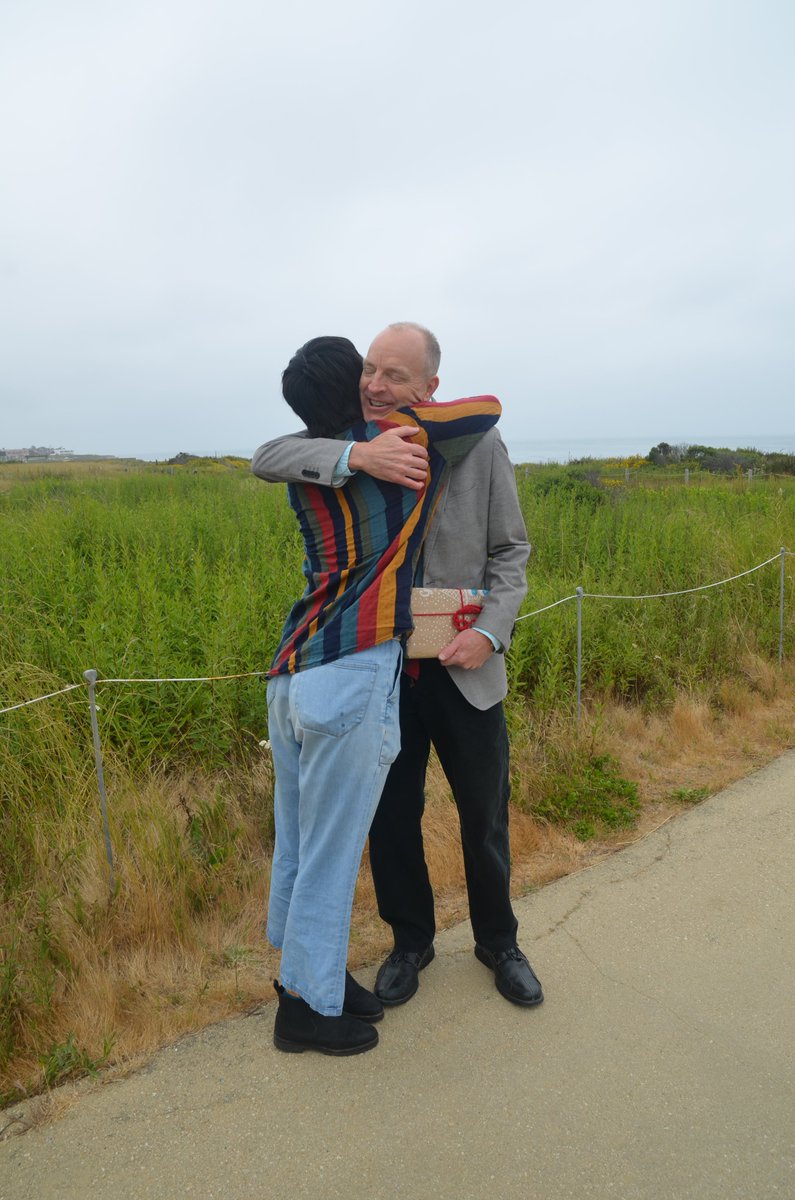
#PrideMonth is coming to a close, but we continue to celebrate the contributions of our LGBTQI+ colleagues who help us reach for the stars: https://t.co/u5c64RWRWv
OH MY GOD!!! EARLY ANALYSIS OF THE SAMPLE FROM ASTEROID BENNU REVEALED ESSENTIAL COMPONENTS FOR LIFE AND ITS BELIEVED IT CAME FROM AN ANCIENT OCEAN WORLD!!! THIS IS SO AMAZING!!
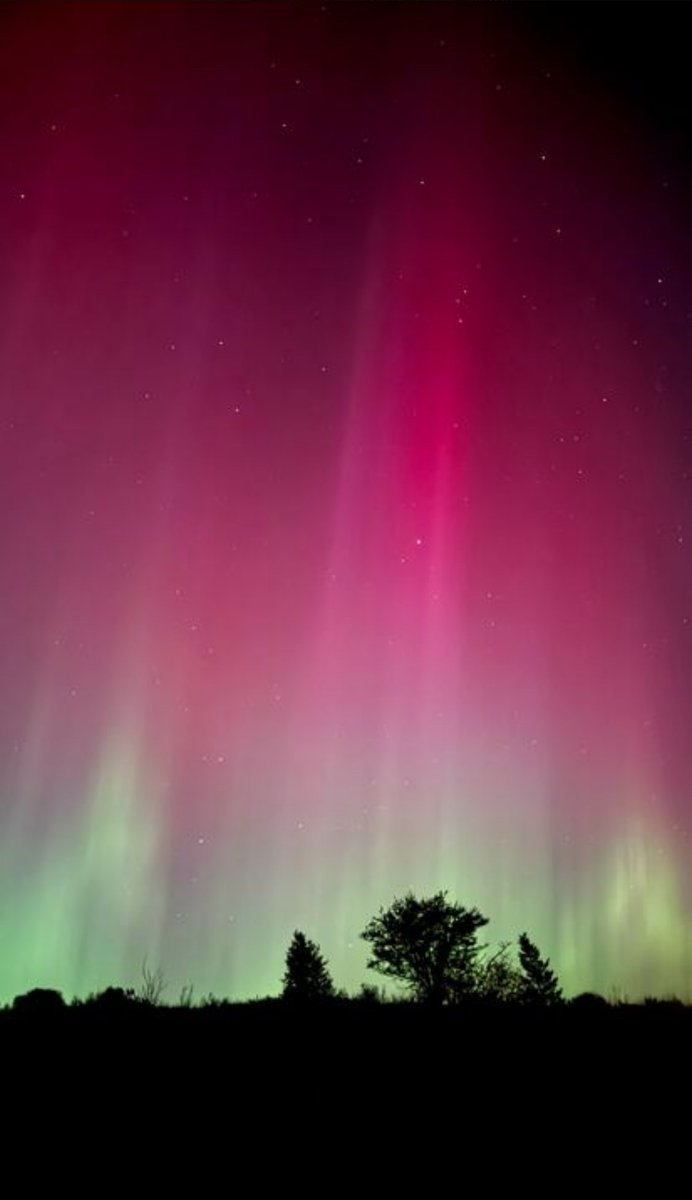
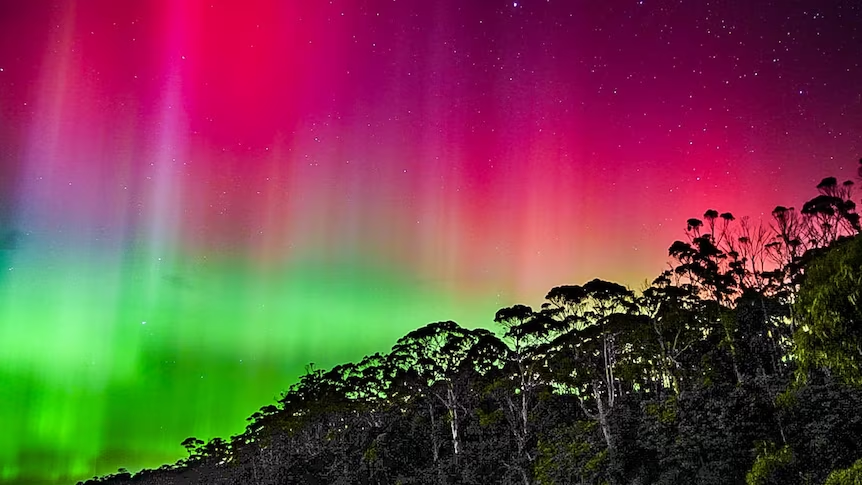
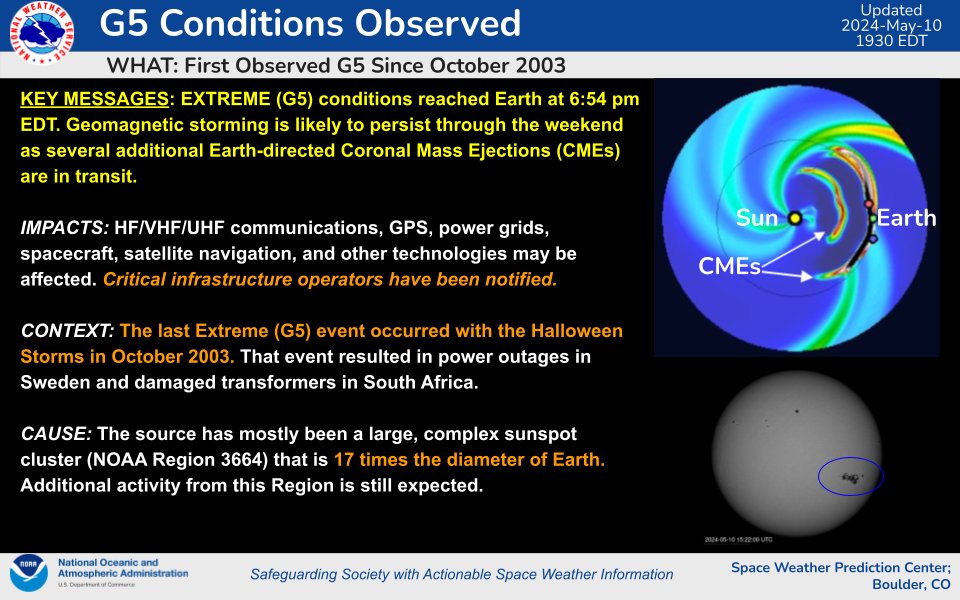
Have you seen the aurora this weekend?
Follow @NASASun to learn more about how it happens—and keep an eye on @NOAA (and @NWSSWPC) for the latest aurora updates. We'd love to see your favorite photos from the aurora, too!
So many people are enjoying the Aurorae, both Northern (Borealis) and Southern (Australis!). But, surely you want to know how amazing the science is? This short🧵is about the atomic origins of the green and red light. 1/10
A LOT of people in Canada and the US are going to be treated to some stunning aurora this weekend! The map below from the NOAA shows where you may be able to see aurora. I've seen lots of pics showing green and red aurora, so here's what those colors mean, and of course, how auroras occur in the first place.
Aurora come from charged particles from the sun guided to the poles by Earth's magnetic field and interact with atoms in the atmosphere, creating dancing lights in the sky. The color depends on the type of molecule they interact with, and how high the interaction occurs in the atmosphere (because molecules at higher altitudes have different energies). Green comes from oxygen lower in the atmosphere, while higher up, oxygen would give off a red hue due to the higher energy of the particles. Nitrogen can create blue or violet auroras. These colorful lights dance across the sky and are simply spectacular.
Please take some pics if you are treated to this wonder this weekend!
Ever wonder what happens when you fall into a black hole?
Thanks to a new, immersive visualization produced on a NASA supercomputer, we're kicking off #BlackHoleWeek with a virtual plunge into the event horizon—a black hole's point of no return: https://t.co/aIk9MC1ayK
Now that one-minute ASOS station data is available for the US for Monday's solar eclipse, here's a loop of the 30-minute temperature change from the eclipse.
Even locations far from totality experienced a pronounced drop in temperatures due to the decreased solar radiation!
Totality: An HDR composite image of yesterday's eclipse. This photo used 5 cameras to capture thousands of photos during a 4 minute period.
My goal was to capture the magic of the visual experience, and I hope this photo evokes similar emotions I experienced while watching it.
Follow, follow the Sun / And which way the wind blows / When this day is done 🎶
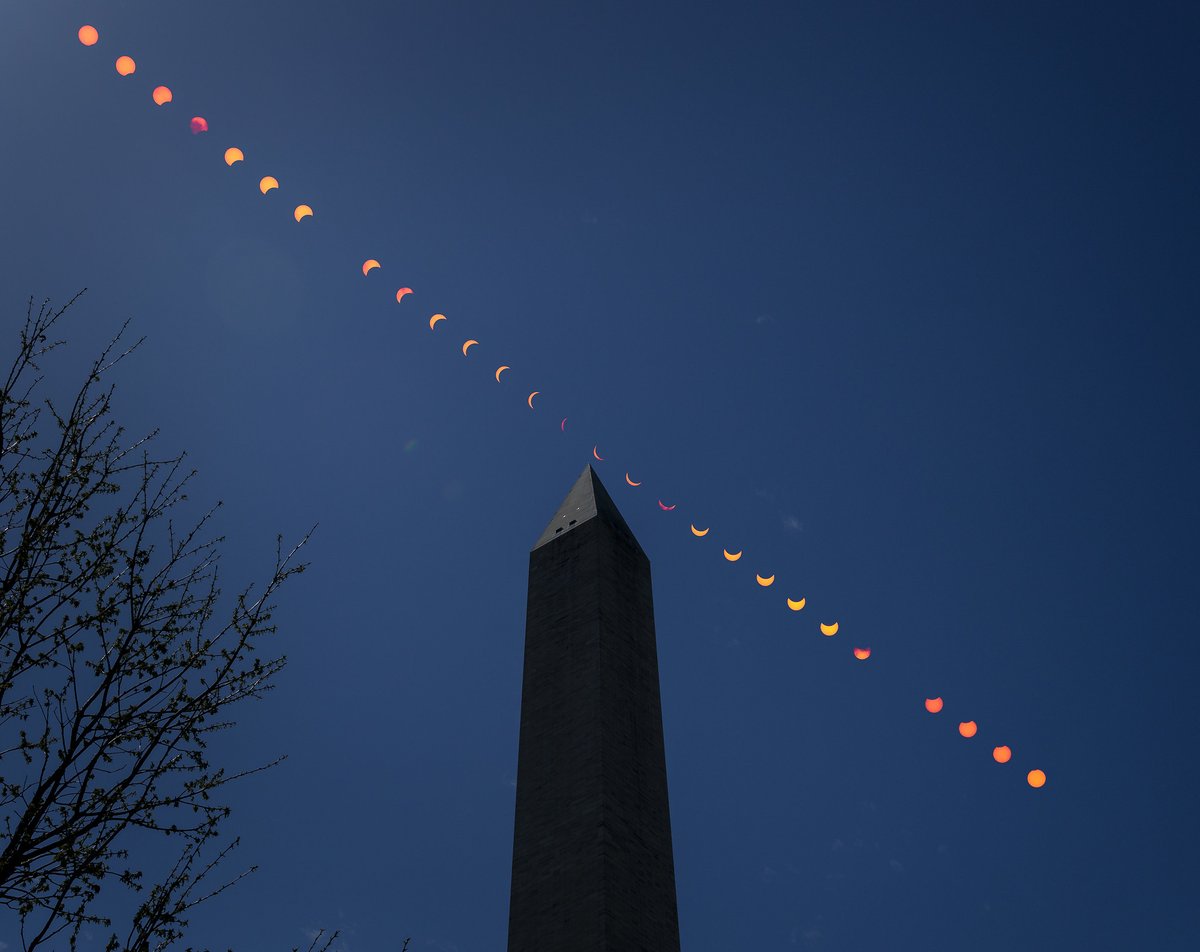
Today, April 8, 2024, the last total solar #eclipse until 2045 crossed North America.
The total solar #eclipse is now sweeping across Indianapolis.
This is the first time in more than 800 years that the city is experiencing this celestial event!
The Exp 71 crew soared into the Moon’s shadow during the solar eclipse on Monday afternoon while working on cargo transfers, spacesuits, and science. More... https://t.co/8LXGHC95XO
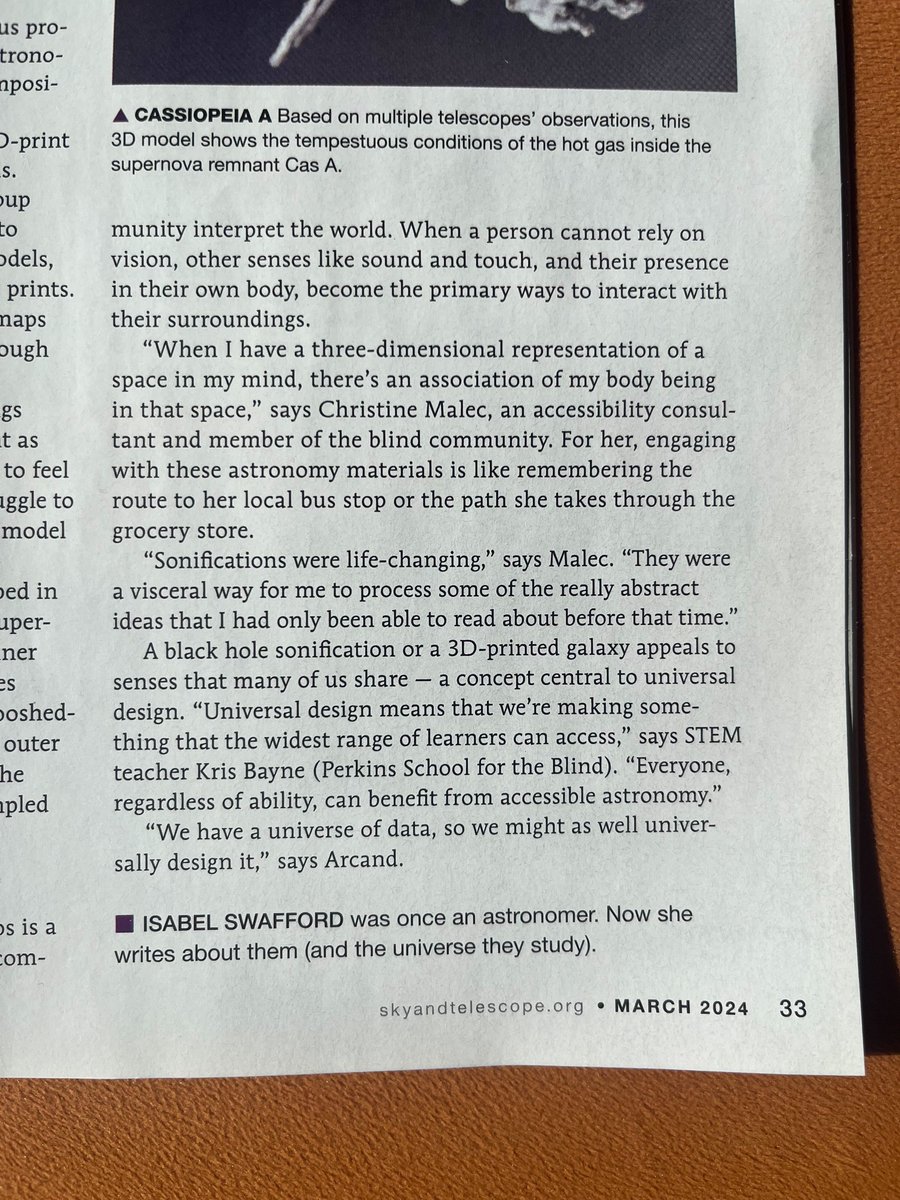
IT'S HERE! "Seeing the Universe Without Sight," my feature for Sky & Telescope's March 2024 issue.
My deepest thanks to my sources who shared their lived experiences with me and allowed me to tell a part of their story.
https://t.co/WtW6d6Fr3o
#sonification#accessibility