Forestone del IAAC: un refugio ecológico que ayuda a luchar contra los incendios en los Pirineos
Podrás saber más en la #categoría de noticias en la red de arquitectura y diseño para publicar en nuestro MAGAZINE : https://t.co/d9j8ogUEEW
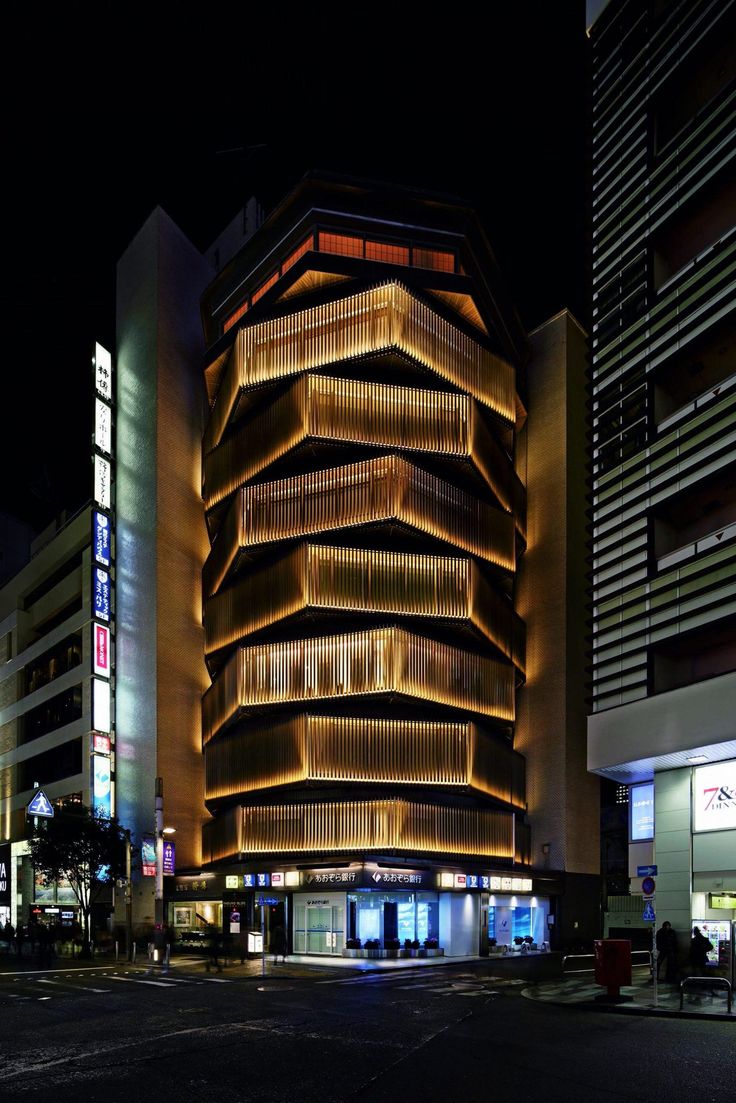
Still one of my favorite buildings*
Yasuyo Building designed by architect Nobumichi Akashi in 1969, it reflects Tokyo's fast pace with each floor rotating 22.5 degrees to create a spiraling effect.
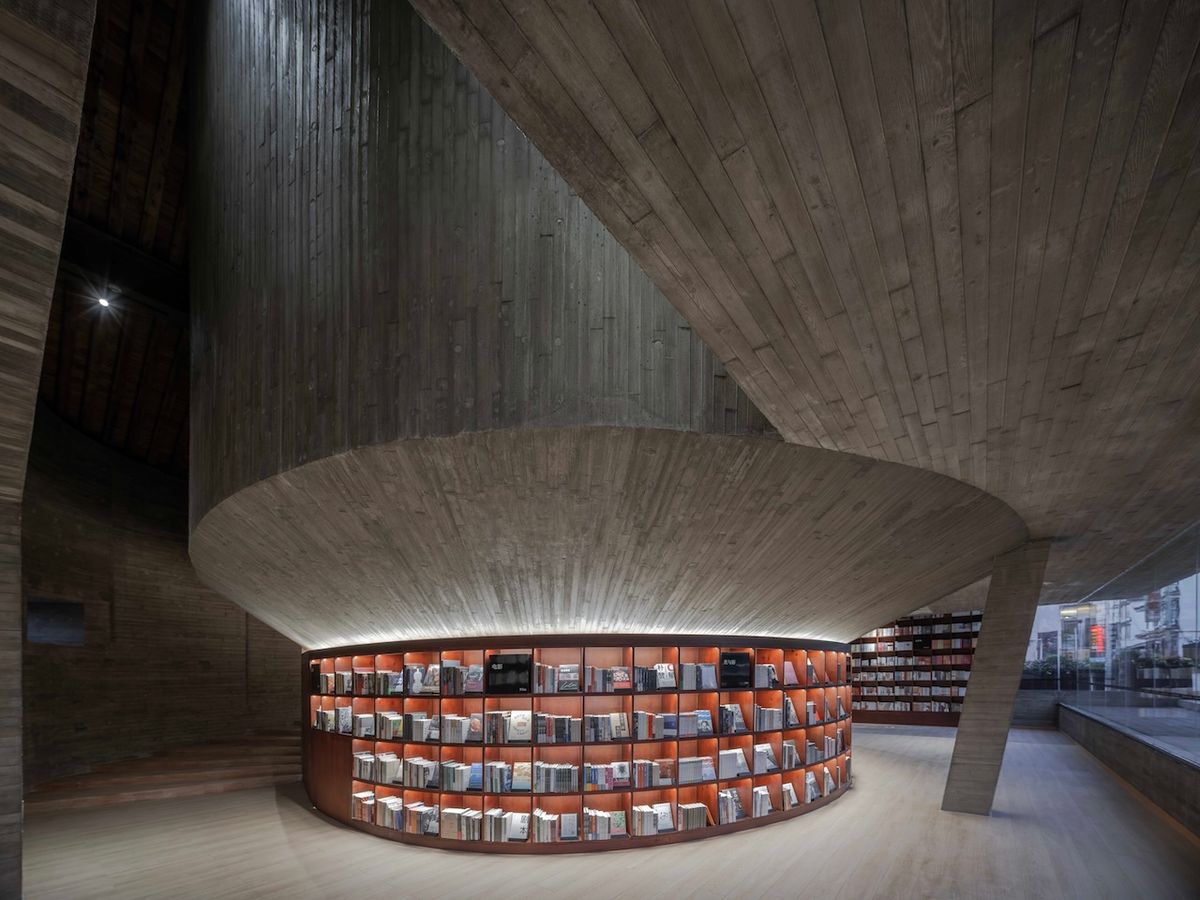
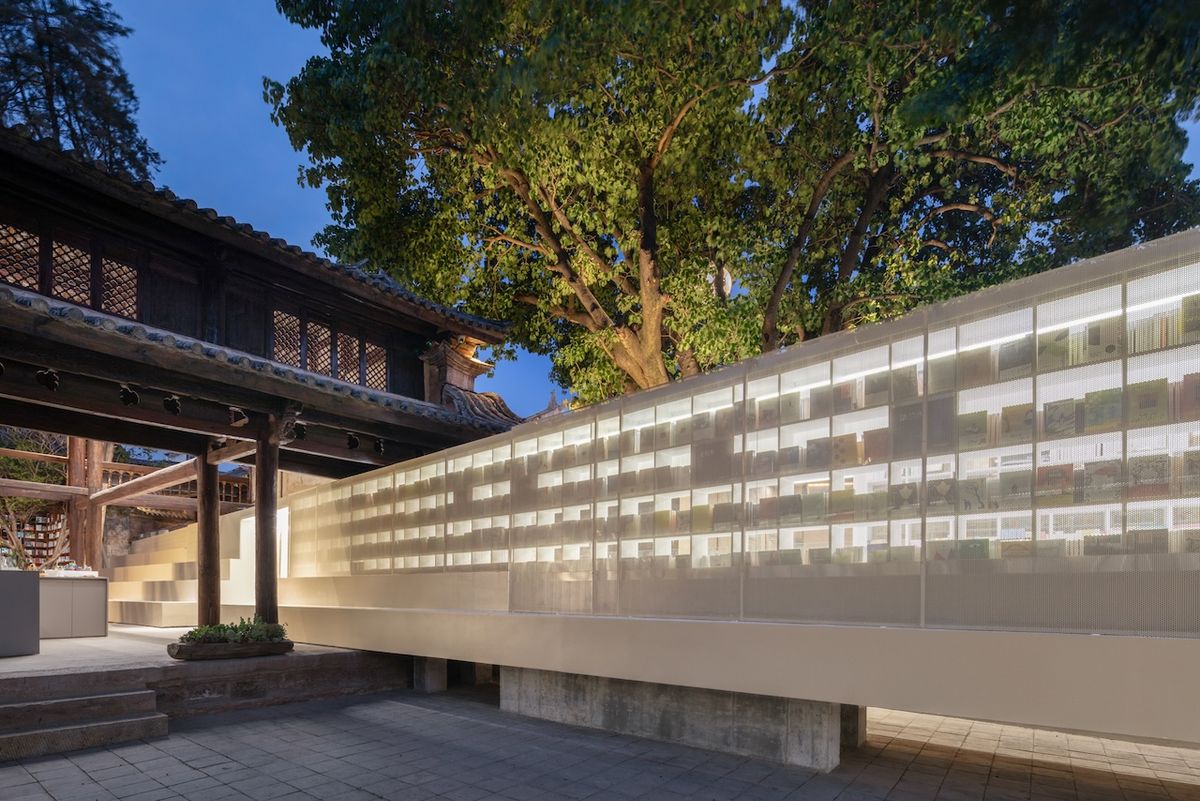
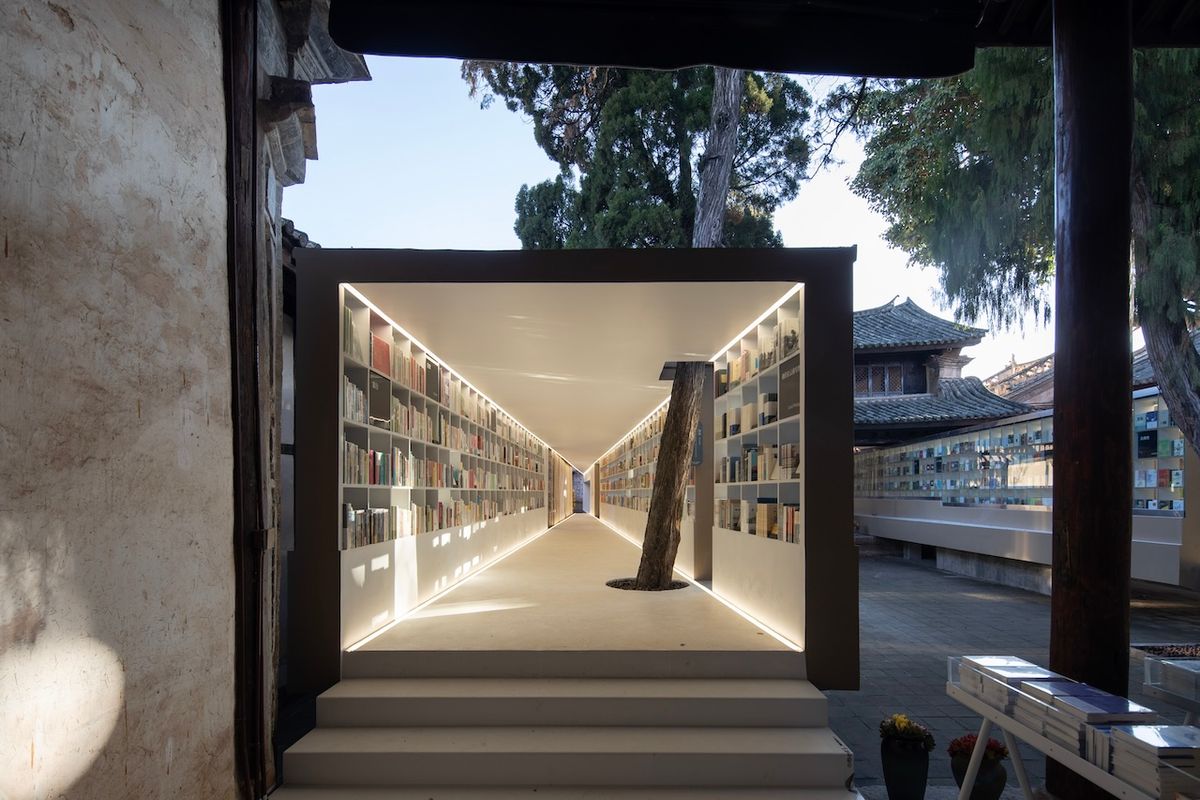
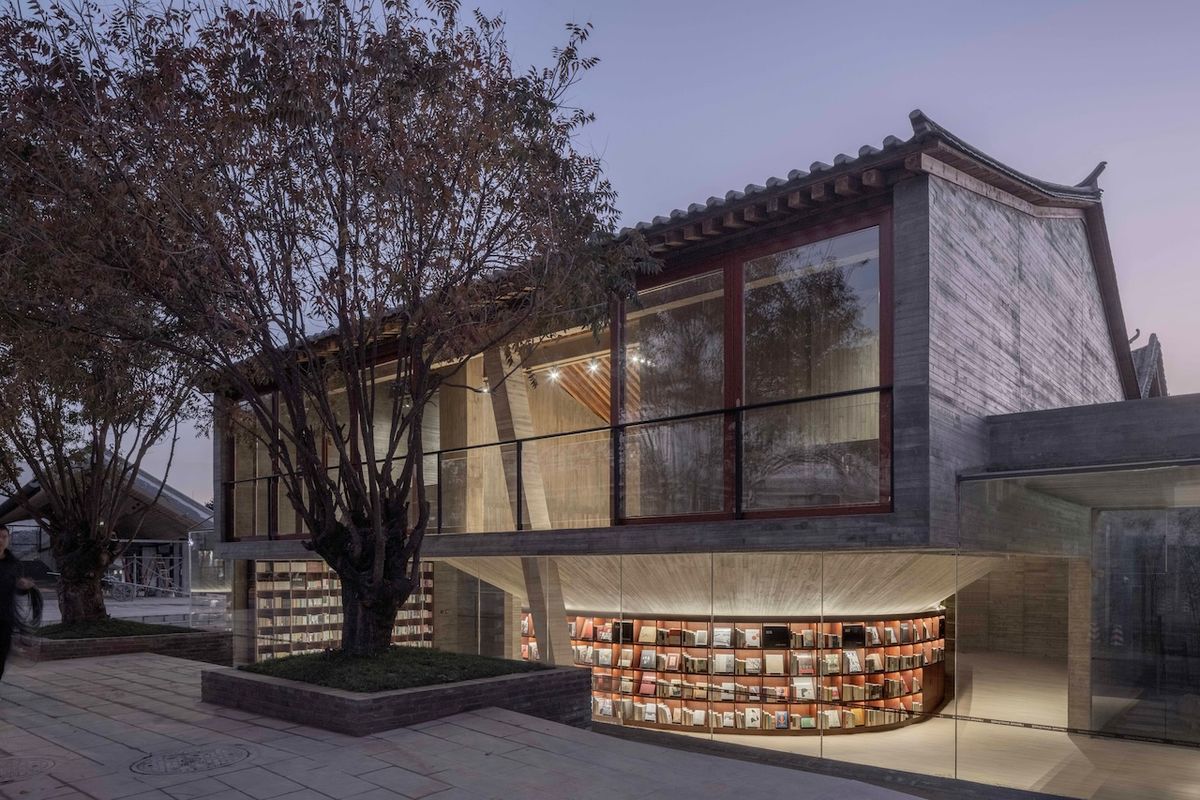
This project turns a 500-year-old academy into a bookstore and cultural space, combining the preserved historic buildings with new additions to reconnect the site with the community.
Details: https://t.co/WFIxIdUdIo | 📍Yunnan, China #ProjectOfTheDay https://t.co/xN2SAoybG0
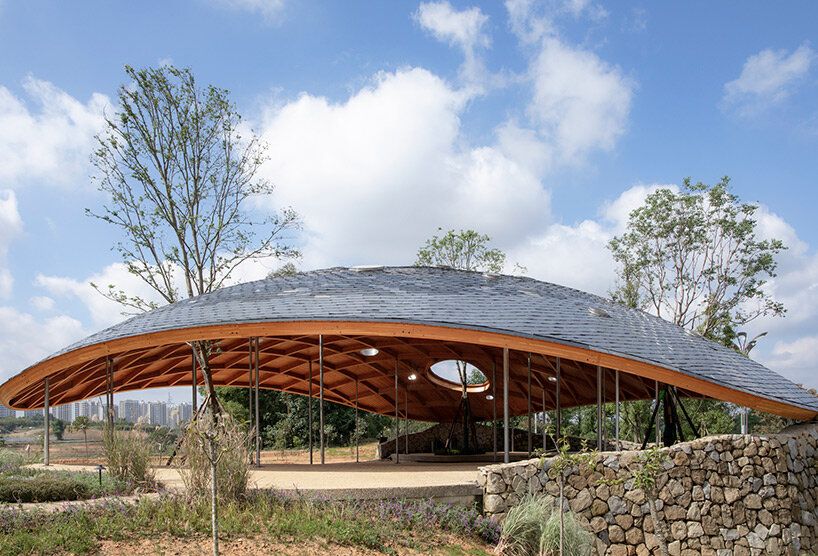
Passive cooling, open-air corridors and one massive roof come together in a design that reimagines the traditional Bale for a large-scale campus.
Details: https://t.co/snvc0ThgrQ |📍Bali, Indonesia #ProjectOfTheDay
Watermark WestQuay in Southampton, designed by @acme_london is a contemporary design project that blends seamlessly with the historical urban fabric of the area, paying homage to the medieval town walls through thoughtful siting and design references.
The development is defined by its modern architectural style emphasizing materiality and form. The combination of glass, steel, and concrete creates a contemporary aesthetic that both contrasts and complements the historic stone of the adjacent medieval walls. The project features a towering cantilevered box that is wrapped in a skin of curving silver tubes, extending over the new square and serving as a symbol of the city’s bustling activity.
#parametricarchitecture #watermarkwestquay #southampton #acme #urbanfabric
🧵1/3
The Tianfu Museum of Chinese Medicine, designed by MUDA-Architects, spans 13,245 square meters and reflects the Yin-Yang philosophy through its architectural composition. The structure integrates solid and void elements, with a circular walkway and water features referencing the Taiji form. The west façade features perforated aluminum panels that provide solar control, while the east elevation’s double-curved glass curtain wall opens to Huitong Lake, establishing a visual connection between the museum and its surroundings. Inside, multi-level platforms and skylights optimize natural light and create dynamic exhibition spaces.
🧵1/2
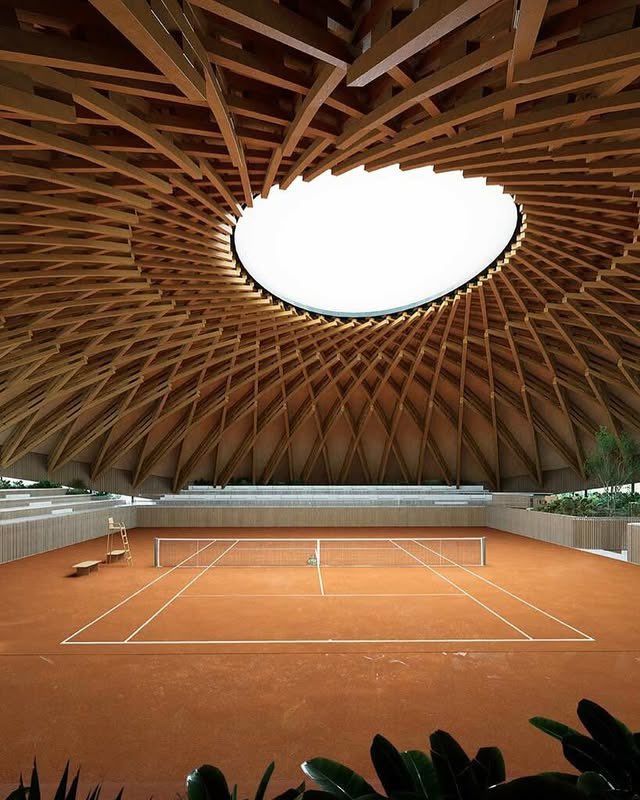
Located in Cuiabá, Brazil, the GS Tennis Court is the largest timber tennis court in the country. Inspired by the radial structure of sea urchins, the roof’s flowing design provides shade, ventilation, and natural light, while blending with the environment.
En 1974, Steve Jobs viajó a la India para entender el sentido de la vida.
Menos de un año después, regresó con principios que convirtieron a Apple en un negocio de 3 billones de dólares.
Estas son sus 6 lecciones ocultas que cambiarán tu forma de ver la vida: