I’ve been thinking about what happens after Bitcoin does its job as a 𝘀𝘁𝗼𝗿𝗲 𝗼𝗳 𝘃𝗮𝗹𝘂𝗲.
People hold BTC. Companies hold BTC. Treasuries hold BTC.
But where does all that capital actually go from there?
That’s the question that led me to look more closely at what Stacks is building. 🧵
I've always found it strange that putting Bitcoin to work often means taking it somewhere else first.
You hold BTC because you believe in Bitcoin.
Then when you want to lend it, earn yield on it, trade with it or use it as capital, the usual answer has been to move it somewhere else and accept a new set of assumptions around that asset.
That’s what made the 𝗕𝗶𝘁𝗰𝗼𝗶𝗻-𝗻𝗮𝘁𝗶𝘃𝗲 argument in Stacks’ new thesis interesting to me.
The thesis starts from a simple observation:
𝗟𝗲𝘀𝘀 𝘁𝗵𝗮𝗻 𝟭% 𝗼𝗳 𝗕𝗶𝘁𝗰𝗼𝗶𝗻 𝗶𝘀 𝗯𝗲𝗶𝗻𝗴 𝘂𝘀𝗲𝗱 𝗽𝗿𝗼𝗱𝘂𝗰𝘁𝗶𝘃𝗲𝗹𝘆.
The problem isn't a lack of capital.
There is an enormous amount of BTC already sitting on balance sheets. The missing piece is the financial infrastructure that lets that capital actually move.
The thesis goes a step further than just making BTC earn yield.
It argues for 𝗰𝗮𝗽𝗶𝘁𝗮𝗹 𝗺𝗮𝗿𝗸𝗲𝘁𝘀 𝗯𝘂𝗶𝗹𝘁 𝗮𝗿𝗼𝘂𝗻𝗱 𝗕𝗶𝘁𝗰𝗼𝗶𝗻 𝗶𝘁𝘀𝗲𝗹𝗳, where lending, trading, payments and yield can grow without turning BTC into a claim on something else.
𝗕𝗶𝘁𝗰𝗼𝗶𝗻 𝗦𝘁𝗮𝗸𝗶𝗻𝗴 is the part I’m most interested in watching.
The idea of earning BTC yield through a self-custodial mechanism without moving the underlying BTC away from Bitcoin is a much more interesting proposition to me than simply finding another platform that offers a higher APY.
Then the bigger system starts to make sense:
𝗬𝗶𝗲𝗹𝗱 → 𝗧𝗿𝗮𝗱𝗶𝗻𝗴 → 𝗖𝗿𝗲𝗱𝗶𝘁 → 𝗣𝗮𝘆𝗺𝗲𝗻𝘁𝘀
Yield brings capital in.
Trading gives it a market.
Credit puts it to work.
Payments give it utility.
That progression is what made the thesis feel bigger than a staking product to me.
If those pieces can reinforce each other, Bitcoin starts looking less like an asset that simply sits on a balance sheet and more like capital that can circulate through an entire financial system.
The opportunity here is enormous.
Moving Bitcoin’s productive share from below 1% to even a few percent would mean 𝘁𝗲𝗻𝘀 𝗼𝗳 𝗯𝗶𝗹𝗹𝗶𝗼𝗻𝘀 𝗼𝗳 𝗱𝗼𝗹𝗹𝗮𝗿𝘀 𝗼𝗳 𝗕𝗧𝗖 becoming productive capital.
The question I’m watching now is whether Stacks can actually make that transition happen at scale.
Because if Bitcoin is going to have capital markets, I agree with the premise:
𝘁𝗵𝗲𝘆 𝘀𝗵𝗼𝘂𝗹𝗱 𝗳𝗲𝗲𝗹 𝗹𝗶𝗸𝗲 𝗕𝗶𝘁𝗰𝗼𝗶𝗻.
@Joshl2lp I’m cautiously optimistic about this. The opportunity is obvious, but I think the really interesting part will be seeing whether sustainable demand shows up after the initial excitement.
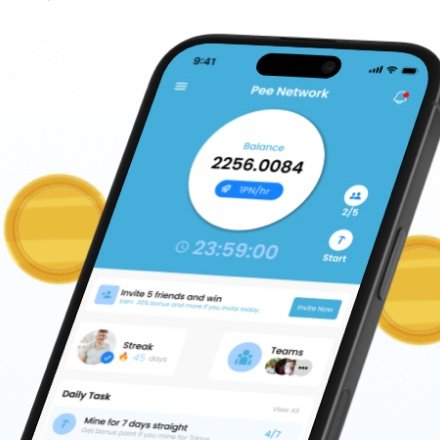
Pee Network Mining App is Now Live on Play Store
You can now start mining $PN directly from your phone and be part of a next-generation Layer 1 blockchain.
📲 Download is currently available on Play Store: https://t.co/XRzgzFjzSs
No complex setup. Just Install, Create account, and Start mining.
You’re not just joining, you’re building the network.
One thing I find interesting about $MOTION is the connection between social activity and onchain incentives.
If the system can reward genuine conversations instead of turning X into a spam machine, that's a model worth watching.
Curious to see how the scoring evolves. @motiontip