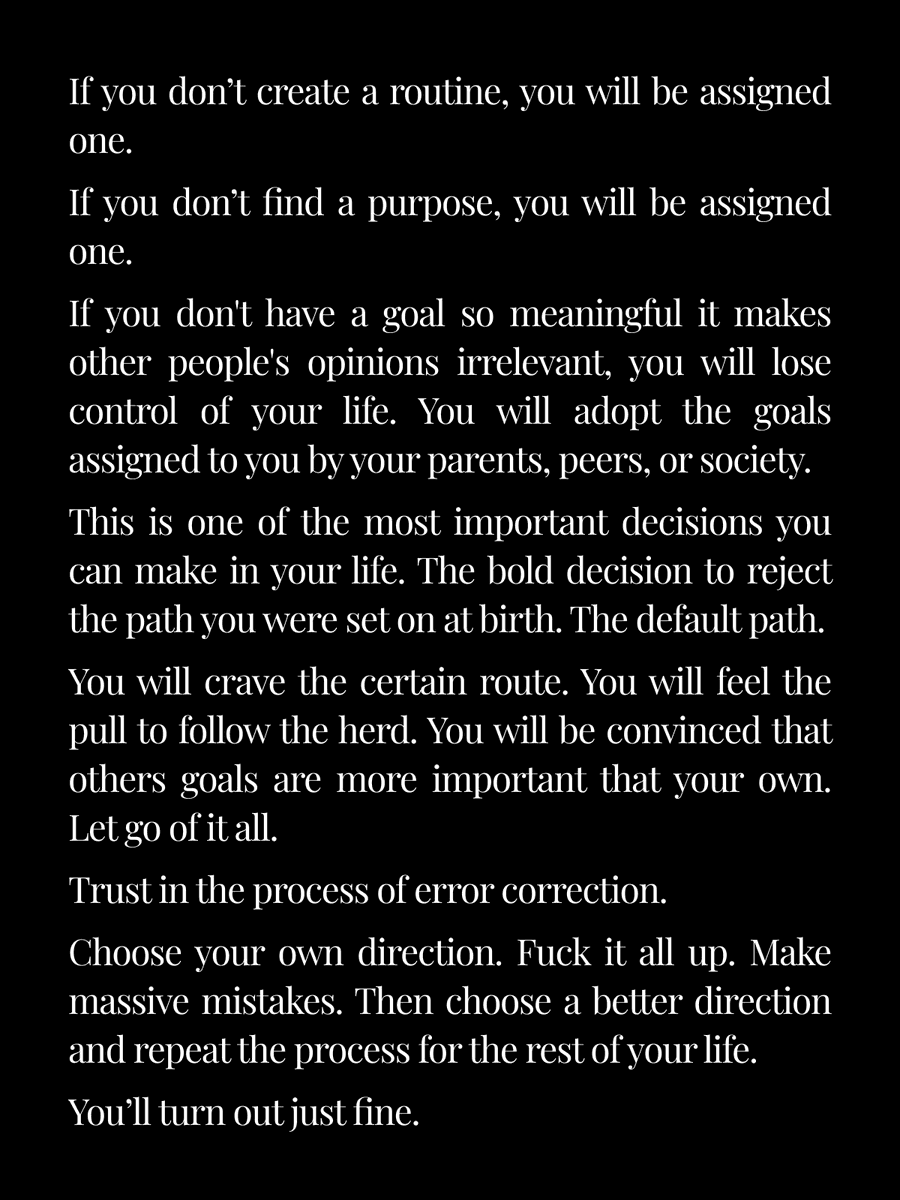
The person you will be in 5 years depends largely on:
1. The books you read
2. The food you eat
3. The habits you cultivate
4. The people you surround yourself with
5. The conversations you engage in
6. The mindset you adopt
7. The risks you take and lessons you learn
Jim Simons once said:
“If you’re going to trade with models, you follow the models completely. No emotions. No second-guessing. No ego.”
That single lesson from his MIT talk completely changed how I approach trading.
Bookmark it.
Re watch it.
Study it.
🚨 Anthropic's own team just showed how to actually use Claude Code properly.
30 minutes. free. the person who created Claude Code.
watch the workshop. bookmark it.
worth more than every $500 course you almost bought.
you've been using Claude without knowing 40 of its commands.
Then read the guide below.
Over the last year I’ve worked directly for 2 trading firms, mentored multiple 8-figure P&L traders, many 7-figure traders, and everything in between.
Different styles, different personalities, but 4 universal truths.
1) Everyone starts this job clueless.
At Trillium we'd joke that every top trader starts with:
-The same company-issued monitors
-The same company-issued keyboards
-Zero idea what they were doing
At @traders4acause, I remember Gregg asking the audience how many people had blown a trading account before. It was half the people in the room, including most of the panelists.
Rough starts are COMMON in future great traders.
It's not a red flag or an omen.
I had one of the slowest starts in @TRLM history. Meanwhile, many fast out of the gate didn't make it.
Speed at the start has nothing to do with distance traveled at the end.
2) There is no “best” strategy.
Some traders I work with:
-Scalp
-trade breakouts
-Trade reversions
-Trend follow
All strats can work.
What separates winners? Once something makes sense to them hey go deep enough to see the other side.
Exploration is totally normal in the beginning! That's how you find your strengths and interests and what works for you!
It is just like dieting. Many diets work. Most fail, because very few stick through the plateaus.
Results tend to only come after the long valley of despair.
3) Trading doesn’t require genius. In fact, high IQ can becomes a liability in discretionary trading.
What matters more:
-Resilience
-Coachability
-Urgency
The best traders I know are never satisfied.
Even after great months, they want more progress.
The combo of traits I’d pick in any trainee?
Daily improvement + Real urgency to succeed.
That combo beats raw intelligence every time.
4) Treat trading like pro sports. Trading from home is dangerous.
No start time, no end time, no boss watching over you.
Structure disappears and you're left to your weakest safeguard: willpower.
Especially early on, you need to force structure:
-Fixed start and end times
-Phone away
-Distractions eliminated
-Scheduled reviews
-Routine performance checks
Just like athletes structure drills, practice, film review.
You should know EXACTLY:
-When you journal
-When you review trades
-When you analyze mistakes
Structure matters because it carries you through the bad days. And there are many bad days. The days you want to log out early are the days you learn the most.
Your trading day is game day. Sleep matters, gym matters, health matters.
THE TAKEAWAY??
Every successful trader started out right where you are. It wasn’t a matter of special unique intellect, but specific daily actions and a sense of urgent to get better each day while giving this job the professionalism it deserves.
THE TRUTH BEHIND THE FAKE TRADER EPIDEMIC!
I turned the table on @Wordsofrizdom. Riz shares with us his origin story, how Words of Rizdom began, and the trading lessons learned along the way (including his real thoughts on Forex & Funded Traders 😈)
https://t.co/9Z6gyXFlXQ
I crossed $140,000 in payouts from FTMO alone.
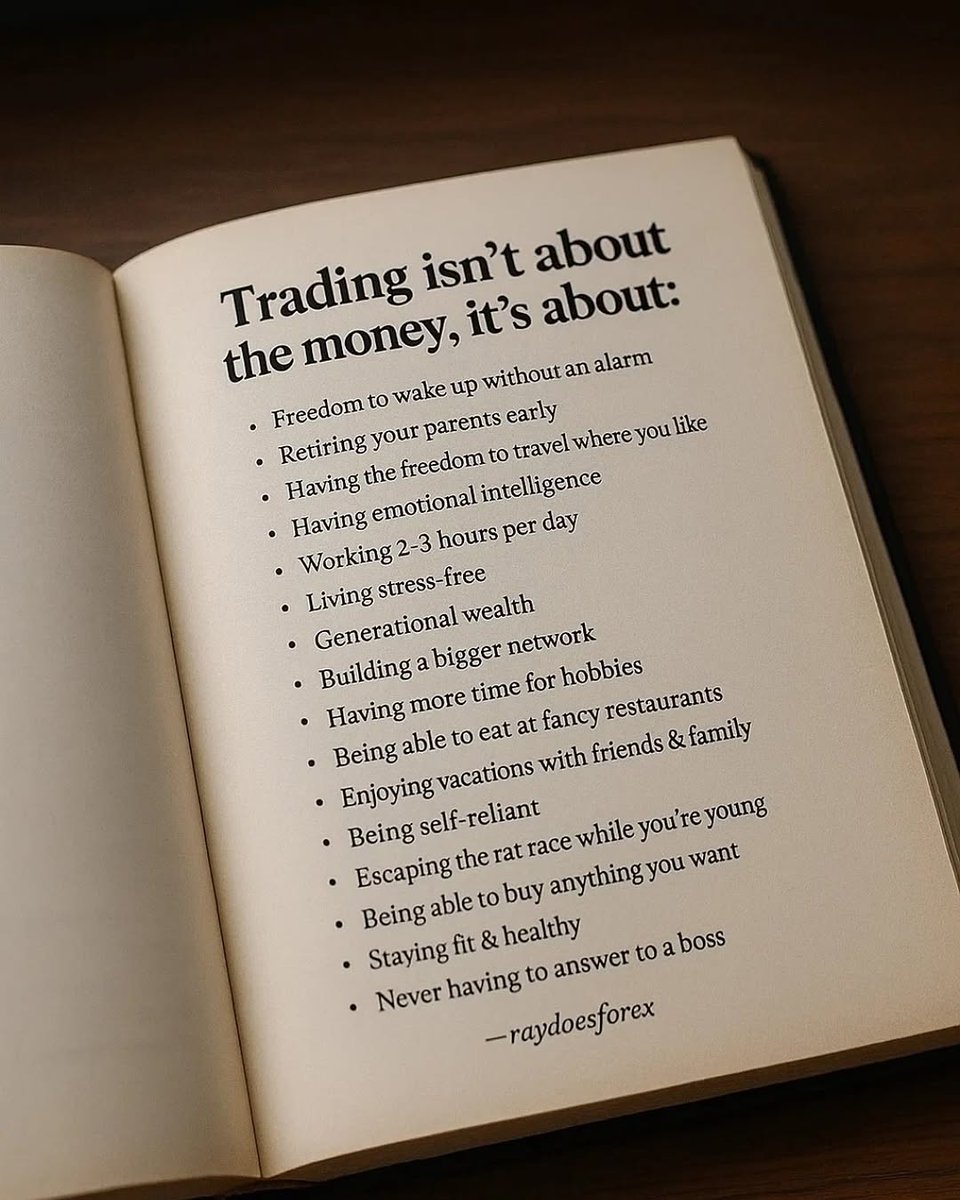
Trading isn’t a battle against the markets - it’s a battle against yourself.
Here are the mental shifts that changed my career👇
My son is 5 yrs old. I'll make sure that he listen to his podcast before he turns 10. No amount of schooling can teach what this guy has taught in 21 minutes.
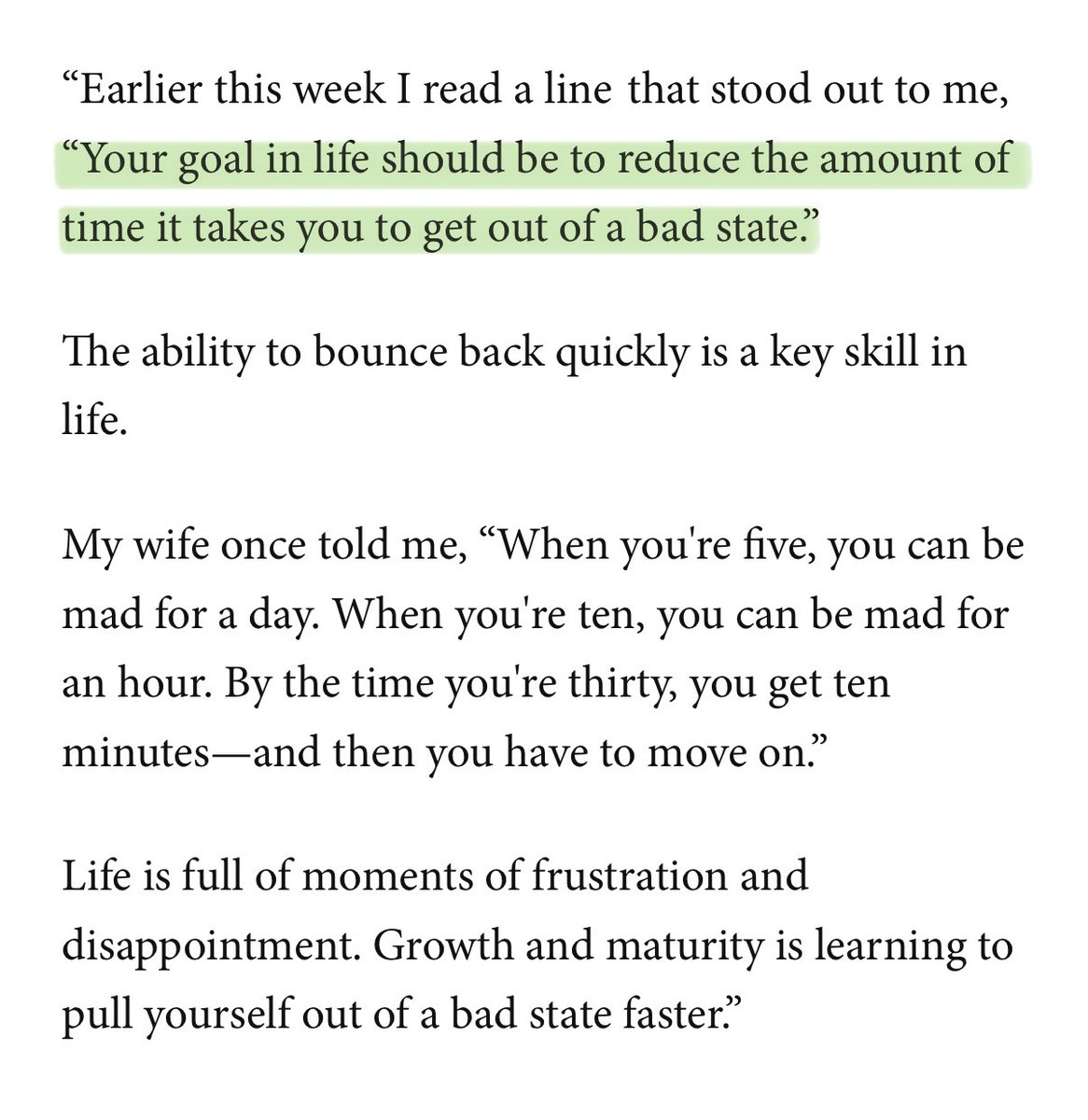
Trust in yourself is not only built through successful repetitions, but also through failed ones.
When you have worked through failures in the past, you fear them less in the future. You know you can bounce back.
Successful repetitions build competence. Failed repetitions build resilience.