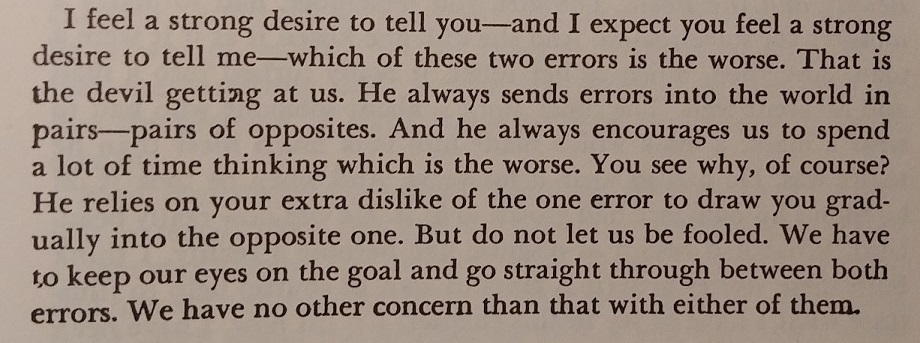
Warning from C. S. Lewis to partisans who respond to every outrage from their own side with “At least it’s better than the other side. Stop criticizing. Stop being self-righteous. Stop being a buzzkill.” This pretends to be the voice of prudence, but it comes from somewhere else.
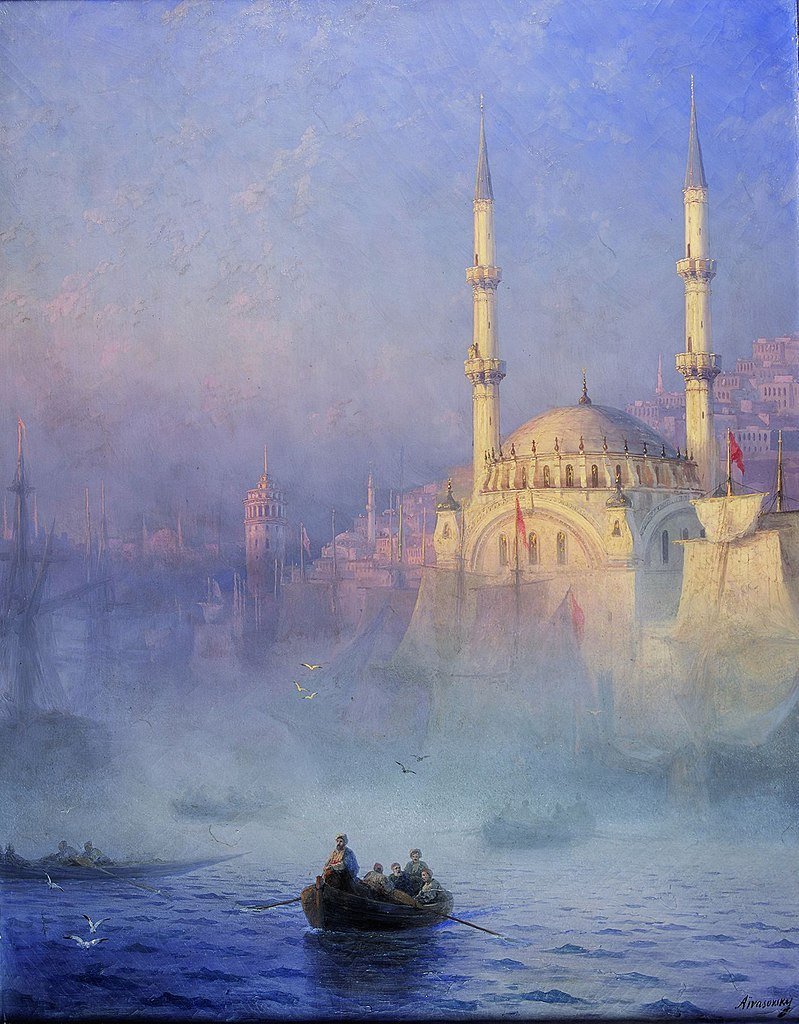
Art Nouveau was a nature-inspired, decorative movement which flourished between 1890 and 1910 across Europe and the Americas.
A thread of its most beautiful examples 🧵
Today might have seen the biggest physics discovery of my lifetime. I don't think people fully grasp the implications of an ambient temperature / pressure superconductor. Here's how it could totally change our lives.
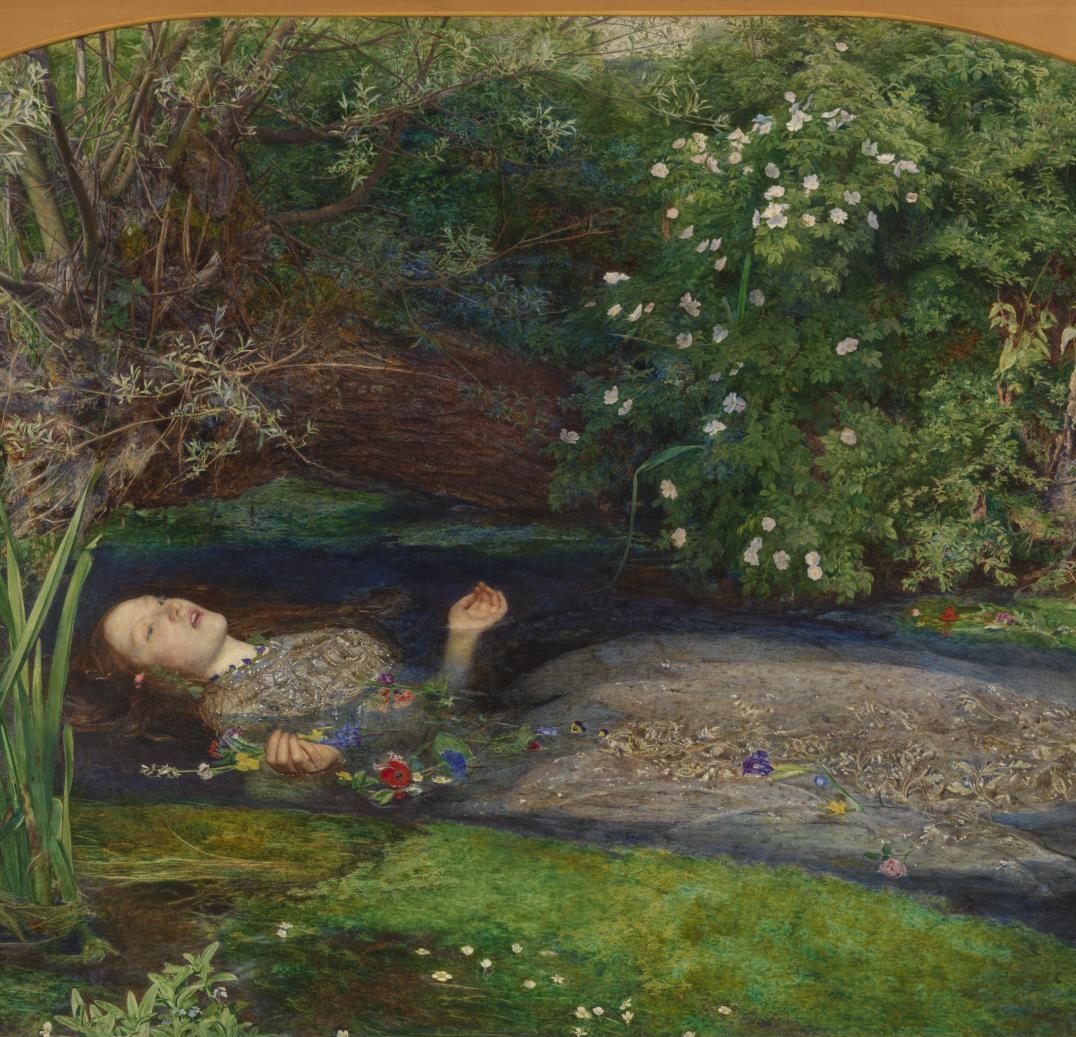
You've probably seen this painting before — it's Ophelia by John Everett Millais, from 1852.
But what you probably don't know is that people once thought this kind of art was dangerous.
In fact, Ophelia is one of the most radical and controversial paintings of all time...
OpenAI just released its Code interpreter to all Plus users.
You now have access to a junior programmer at the speed of your fingertips.
Here's everything you need to know:
BREAKING: Supreme Court strikes down student loan forgiveness
Borrowers will still have to pay back the $400 billion that the White House wanted to forgive
The FTC, led by Lina Khan, is reportedly planning a massive antitrust lawsuit against Amazon.
Khan published a landmark paper titled "Amazon's Antitrust Paradox" during her time at law school.
Amazon has previously requested her recusal from investigation of their company.
This is a letter Feynman wrote to a former student who wrote congratulating him for the Nobel. I’ve posted it before but I really find it worth it to read especially as a student or early stage research person.
Go to https://t.co/MYsWKzvSTA and add your pdf there.
It will generate a summary along with some sample questions.
You can ask anything to the Chatbot.
Wild research showing it's possible to reconstruct a 3D scene of what someone was looking at from the reflections in their eye.
It's worth knowing these results are from a well lit high resolution photograph with a large nearby subject, see next tweet
https://t.co/zoqliCEews
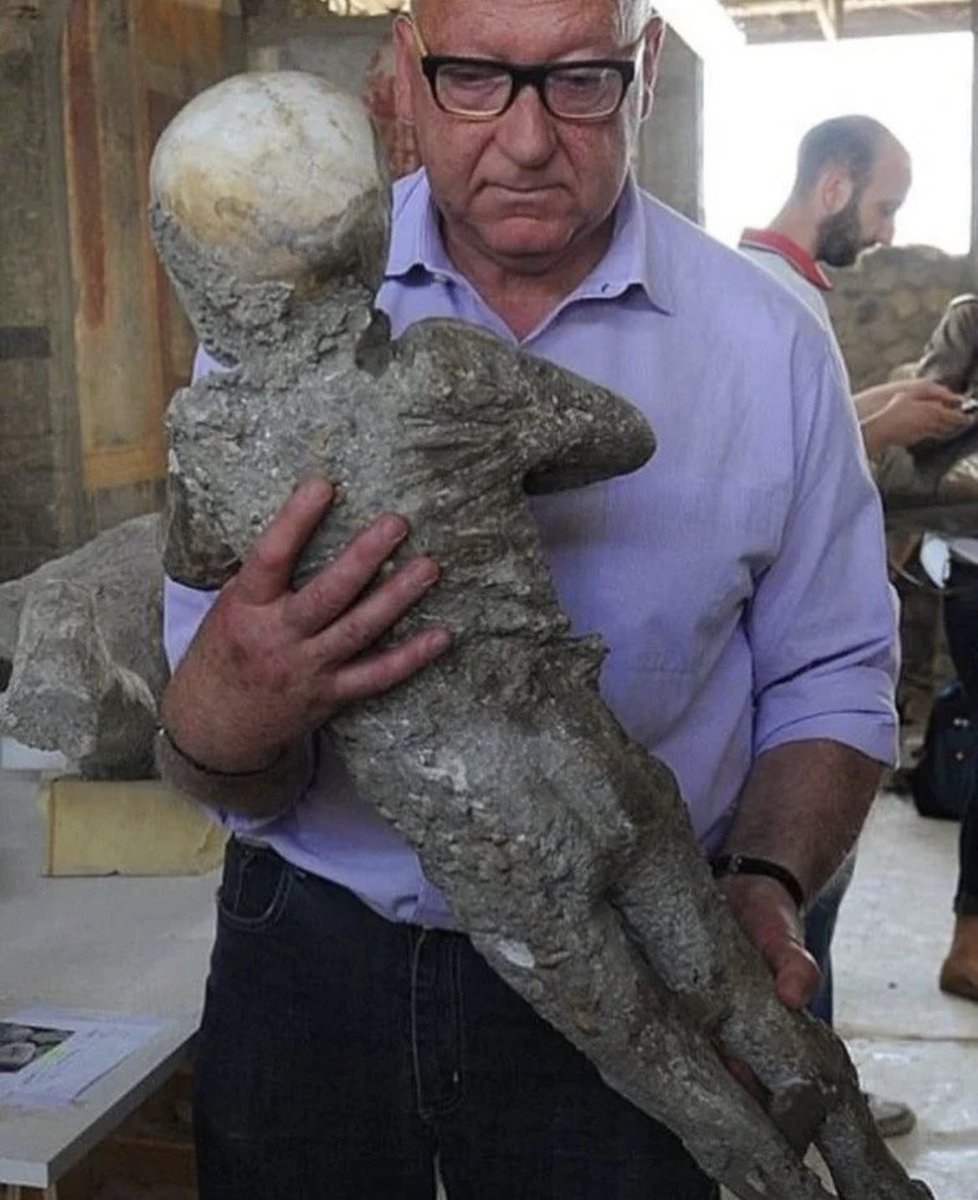
An archeologist carefully cradles a plaster cast of a child lost during Pompeii in his hands, feeling the weight of history and tragedy within it. The cast is a sad representation of the horrifying event that unfolded nearly two millennia ago in the ancient Roman town of Pompeii. Preserved in time by the catastrophic eruption of Mount Vesuvius, the cast captures the final moments of a child and their mother, forever frozen in a haunting embrace.
The eruption of Mount Vesuvius in 79 AD was a catastrophic event that shook the region and left an indelible mark on history. Pompeii, once a thriving city located near the Bay of Naples, was abruptly engulfed by a torrent of volcanic ash and debris. The city's inhabitants, going about their daily lives, were suddenly faced with a deadly cataclysm they could not escape.
The child, estimated to be just four years old, was among the countless victims of this disaster. As the volcano unleashed its fury, burying the town in a thick blanket of ash, the child found solace in the loving arms of their mother. The intense heat and toxic gases caused by the eruption quickly overwhelmed them, leading to their tragic demise. The child's plaster cast serves as a poignant reminder of the immense human suffering that unfolded during those fateful hours.
It is worth noting that the cause of death for most Pompeii residents was not direct contact with molten lava or volcanic bombs, but rather the suffocating ash and scorching temperatures that accompanied the eruption. As the ash cloud billowed into the sky, it descended upon the city, filling the air with fine particles that made breathing impossible. Many succumbed to asphyxiation, while others fell victim to the searing heat, which rapidly incinerated organic materials and caused widespread devastation.
Today, the ruins of Pompeii stand as a testament to the destructive power of nature and provide invaluable insights into the daily lives of ancient Romans. The plaster casts, meticulously created by pouring liquid plaster into the voids left by decomposed bodies, offer a haunting glimpse into the final moments of those who perished. They serve as a poignant reminder of the fragility of life and the transient nature of human civilization, urging us to reflect on the past and cherish the present.
We’re less than halfway through the year, and Congress has already traded up to $129M of stock and options.
Here are the top 10 most active congressional traders of 2023 👇
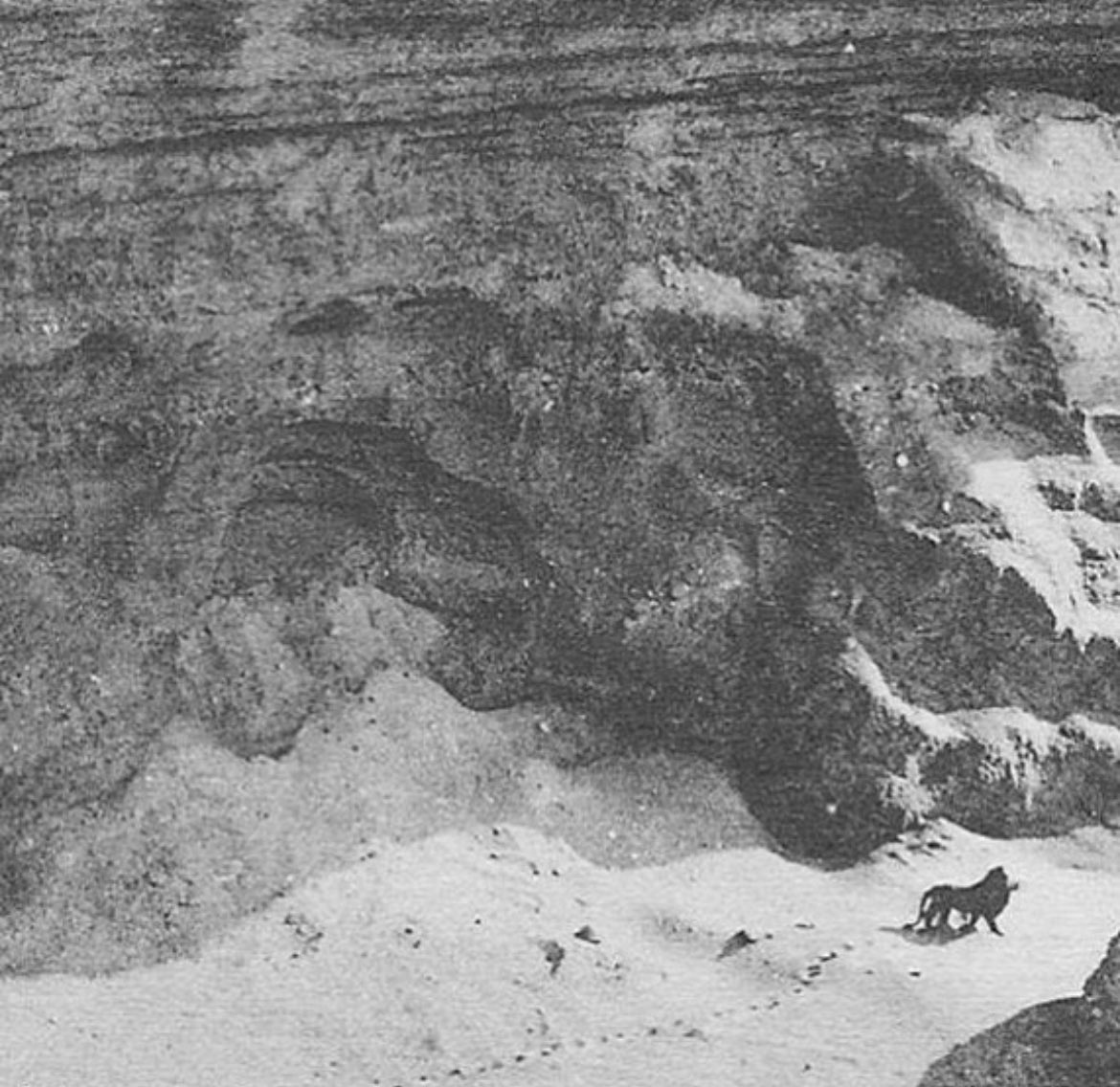
A lion was seen in the Atlas Mountains during a flight on the Casablanca-Dakar air route. The photograph, taken by Marcelin Flandrin in 1925, is the last visual record of a wild "Barbary" lion of North Africa.
To clarify, the Barbary lion is not completely extinct but is extinct in the wild. It is reported that there are fewer than 90 of them in captivity worldwide. They are part of a global breeding program aimed at helping to revive the population.
Senator Rick Scott, the wealthiest member of Congress, has bought up to $5.75M worth of municipal bonds so far in 2023.
Rich investors love municipal bonds - here's why👇
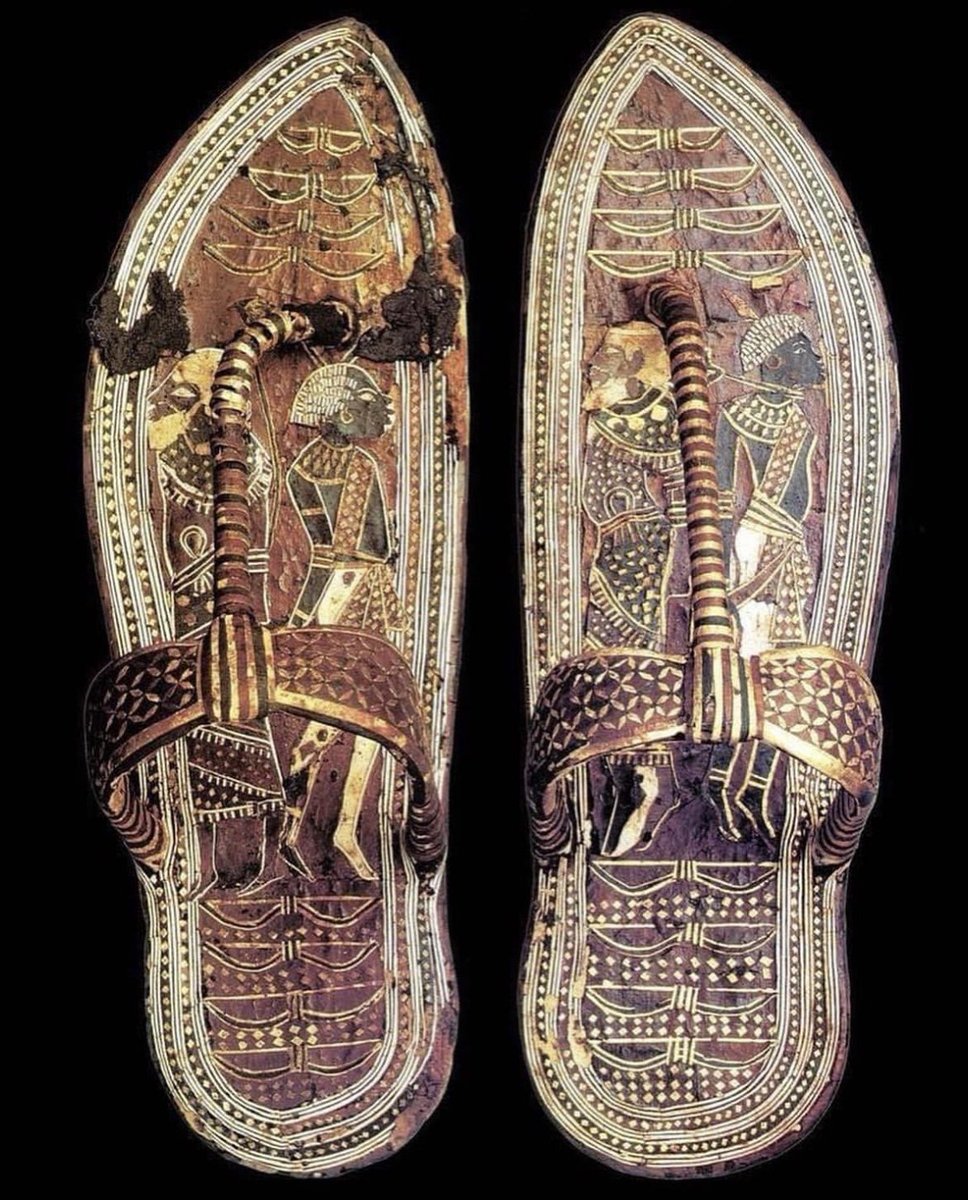
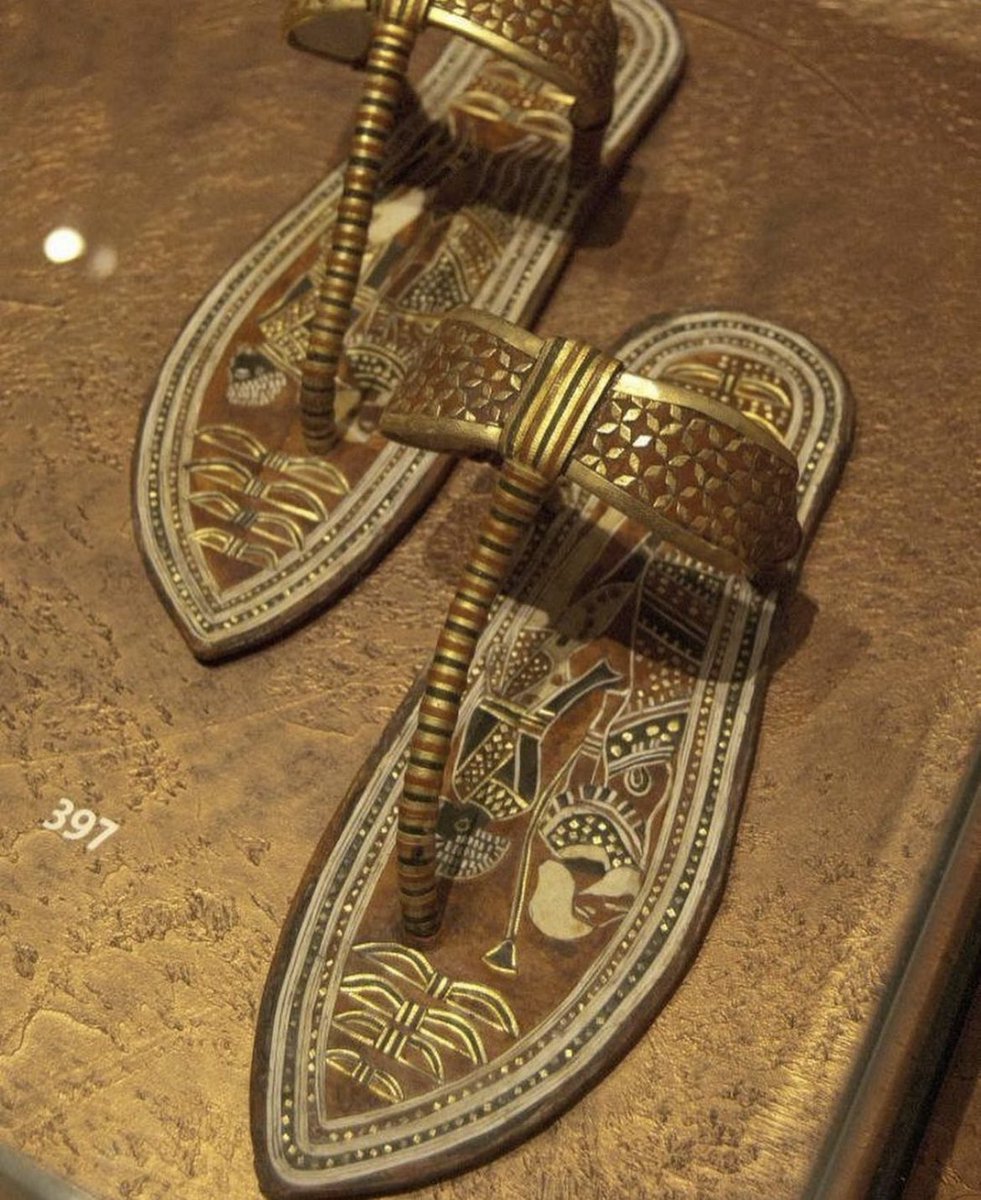
The sands of time have a peculiar way of preserving history, often revealing fascinating artifacts from ancient civilizations. One such extraordinary discovery was made in the early 20th century when archaeologist Howard Carter uncovered the tomb of the legendary Egyptian pharaoh, Tutankhamen. Among the treasures found within the tomb were a pair of sandals that have since captivated the world, providing a glimpse into the life and opulence of a bygone era. These 3,300-year-old sandals shed light on the enduring legacy of King Tutankhamen and the profound craftsmanship of ancient Egypt.
In 1922, Carter's excavation efforts in the Valley of the Kings led to the unearthing of Tutankhamen's tomb. Nestled amidst a vast array of treasures, the sandals stood out as a testament to the exquisite craftsmanship of the period. Made from strips of gold and carefully woven reeds, these sandals were designed to adorn the feet of the young pharaoh during his journey to the afterlife.
The sandals found in Tutankhamen's tomb provide valuable insights into the cultural and religious practices of ancient Egypt. The presence of gold in their design is significant as it represents the pharaoh's divinity and status as a ruler. Gold was considered a symbol of the gods, and its use in the sandals emphasized Tutankhamen's connection to the divine realm.
The reeds used in the sandals held spiritual meaning as well. In ancient Egyptian mythology, reeds were associated with the concept of rebirth and regeneration. By incorporating reeds into the sandals, Tutankhamen's journey to the afterlife was believed to be facilitated, ensuring his eternal existence in the realm of the gods.
The construction of Tutankhamen's sandals showcases the remarkable skill and attention to detail possessed by ancient Egyptian artisans. The strips of gold were meticulously woven, creating an intricate pattern that adorned the sandals' surface. This meticulous craftsmanship is a testament to the mastery of goldsmiths during the period.
Additionally, the sandals were designed with practicality in mind. The soles were crafted from palm leaves, which provided comfort and durability. The meticulousness of the design, combined with the choice of materials, indicates that the ancient Egyptians valued both aesthetics and functionality.
After their discovery, Tutankhamen's sandals underwent extensive preservation efforts to ensure their longevity. Today, these ancient artifacts are carefully housed in the Egyptian Museum in Cairo, where they continue to inspire awe and wonder among visitors from around the world.
King Tutankhamen's 3,300-year-old sandals offer a remarkable window into the ancient Egyptian civilization's artistry and spirituality. They represent more than just a fashion statement; they symbolize the power and divinity of a pharaoh and serve as a tangible link to a civilization that existed millennia ago. These sandals remind us of the rich heritage of Egypt and the importance of preserving our shared history for future generations to appreciate and learn from.