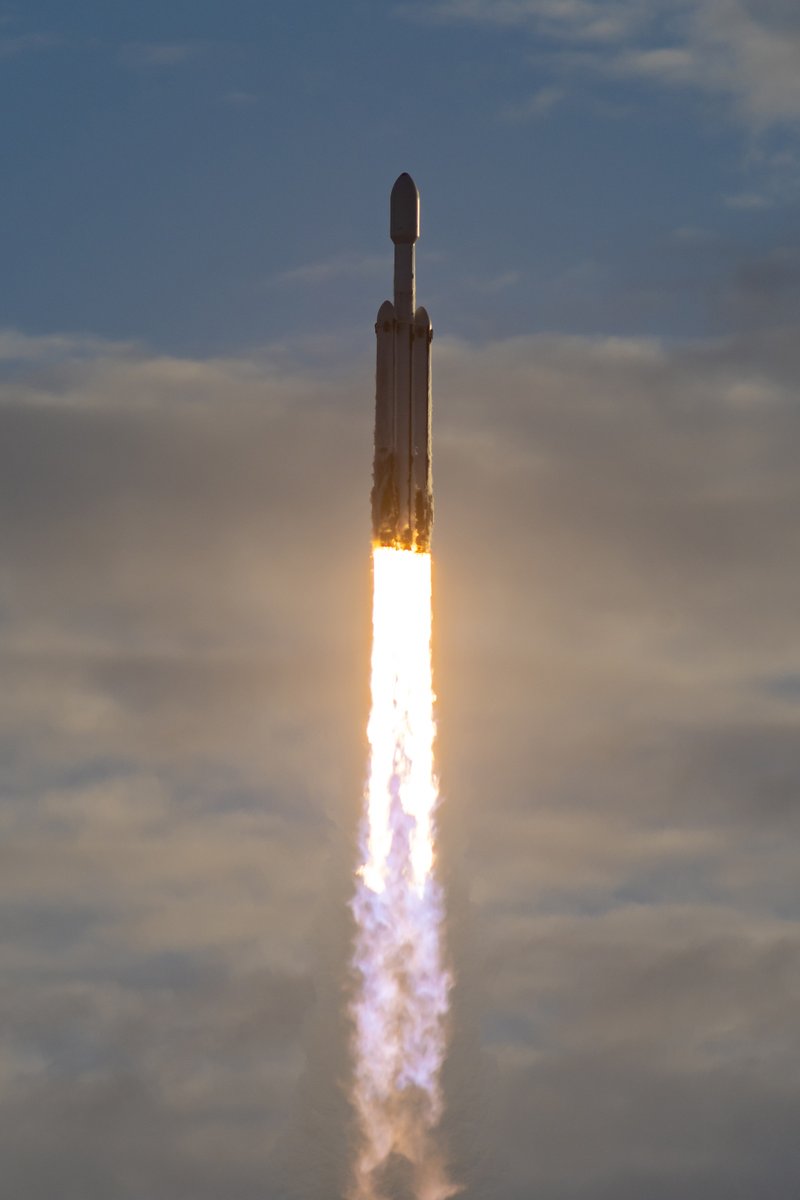
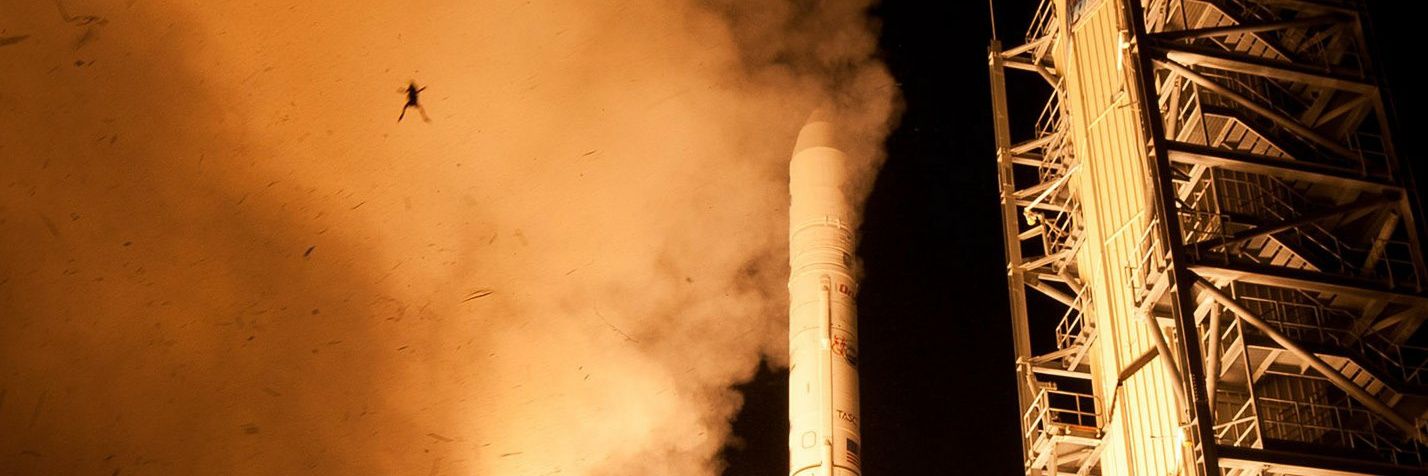
Falcon Heavy launches @NASA’s Nancy Grace Roman Space Telescope from pad 39A in Florida, beginning its more than three-month journey to its destination where it will generate never-before-seen photos of the universe
My favorite capture of the night: The moment the moon's shadow split the sunset in half, leaving a diamond ring in the sky and a breathtaking view. I call it "Shadows on the Balearic Sea".
I'll have prints available for this one linked in my bio for a few days only.
Bureaucracy has already throttled space exploration, and this article proposes creating a UN-affiliated 'Planetary Stewardship Council'? As a species, there are few things we actually agree upon here on Earth, so how could this possibly advance progress in space?
No. The authors incredible accomplishments aside, as a society we need fewer bureaucrats regulating tethered caps on plastic water bottles and more doers if we want to see even a glimpse of that exciting future so many of us imagined as children.
When the capabilities are there to send NASA astronauts back to the Moon and on to Mars, we will go. We will do so thoughtfully, as we always have, and we will do so for all mankind.
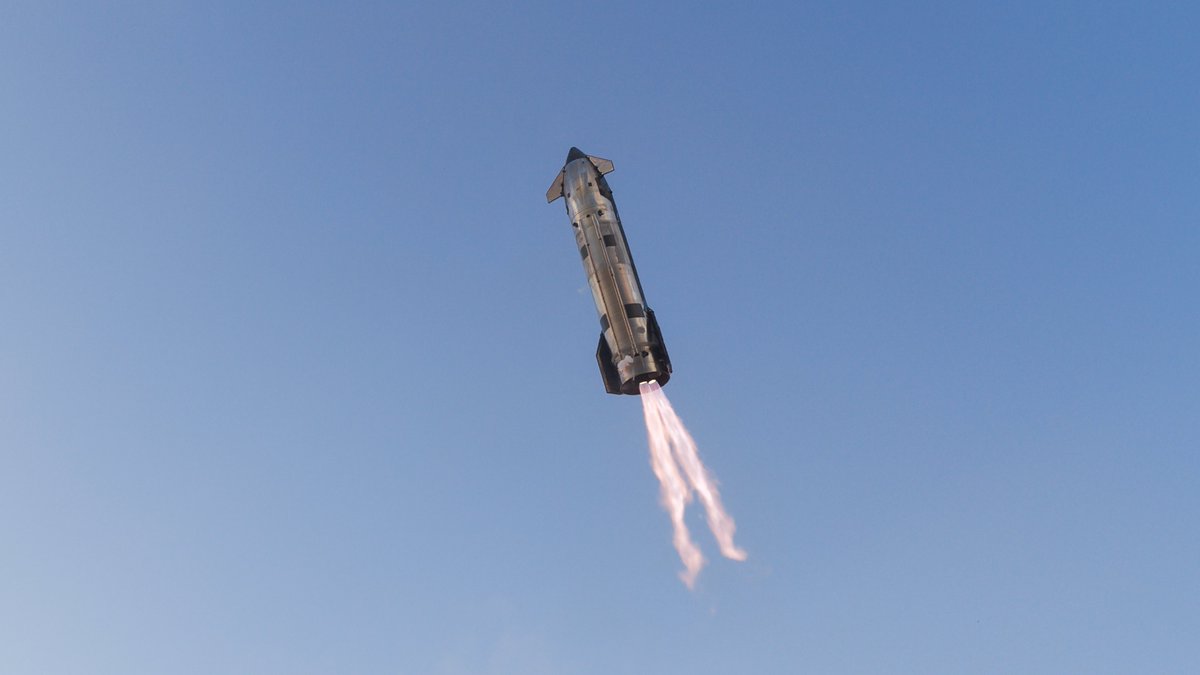
Starship soared on the second flight of the next generation, deploying advanced Starlink satellites for the first time and providing priceless data as it travelled through air, space, and sea → https://t.co/Rp7VwBzpWx
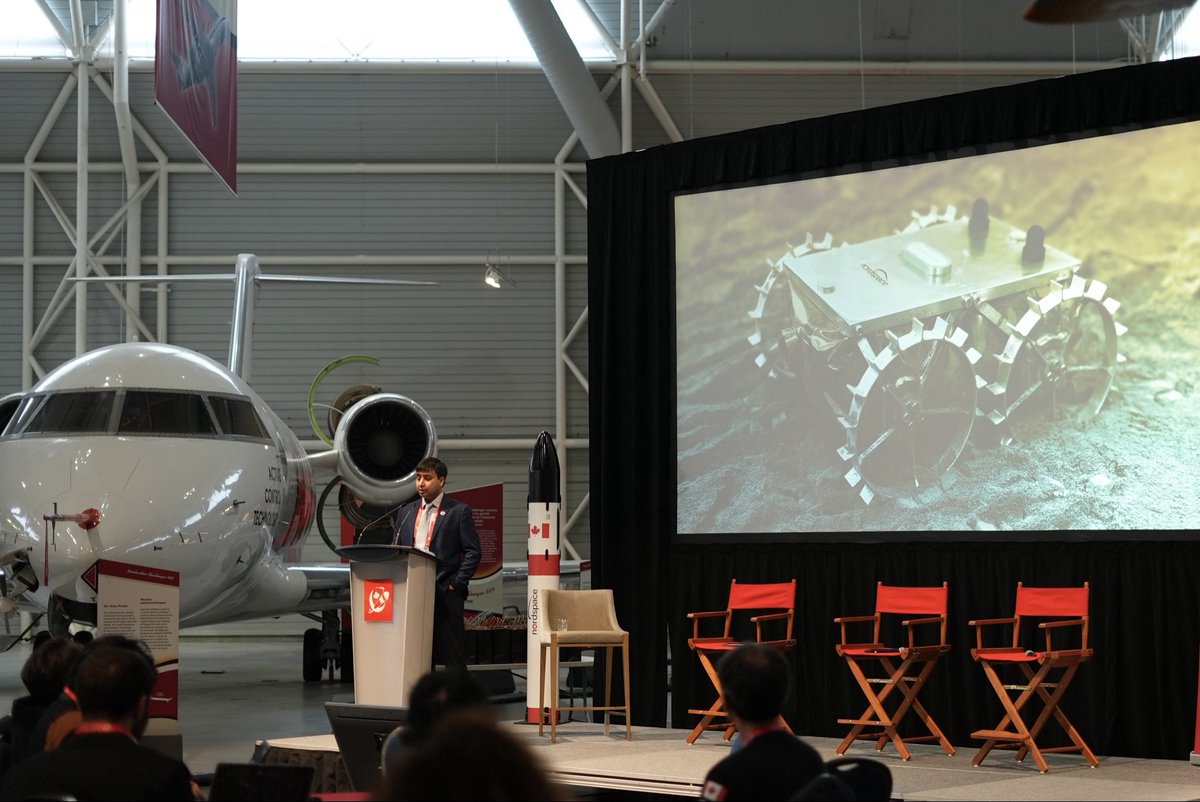
Next year, we’re taking a Canadian maple leaf to the surface of the moon with our TERRY rover. Over the next 12 months NordSpace is going to launch several rockets, satellites, and a lunar rover. It’s time to jumpstart Canadian space, and be unapologetically bold. Ad astra 🍁
After 33 years of life on Earth, I’m finally here. Revealing Canada��s first lunar rover on stage last week, built and funded 100% by NordSpace. A goal I’ve chased for decades. Canada belongs on the Moon, and beyond. TERRY arrives on Luna in 2027. Wish my mom could have seen this.
Why do a little science when you can do a lot of science? Our Mars Telecommunications Orbiter, based on our existing Blue Ring vehicle, meets the urgent need for communications, navigation, and relay while also flying up to 500 kg of science instruments to Mars. With this capacity, we can deploy two ESCAPADE-class spacecraft from our orbiter or 10+ CubeSats and still host onboard instruments like a comprehensive science package to monitor the Martian atmosphere’s interaction with the solar wind.
SLS vs. Saturn V, a real time comparison.
Saw a comparison yesterday using my video on the left at 50% speed. Here's a proper comparison with both rockets launching at their real speeds.
You'll notice SLS is significantly faster off the pad because of the dual massive SRBs!
Welcome home Reid, Victor, Christina, and Jeremy! 🫶
The Artemis II astronauts have splashed down at 8:07pm ET (0007 UTC April 11), bringing their historic 10-day mission around the Moon to an end.
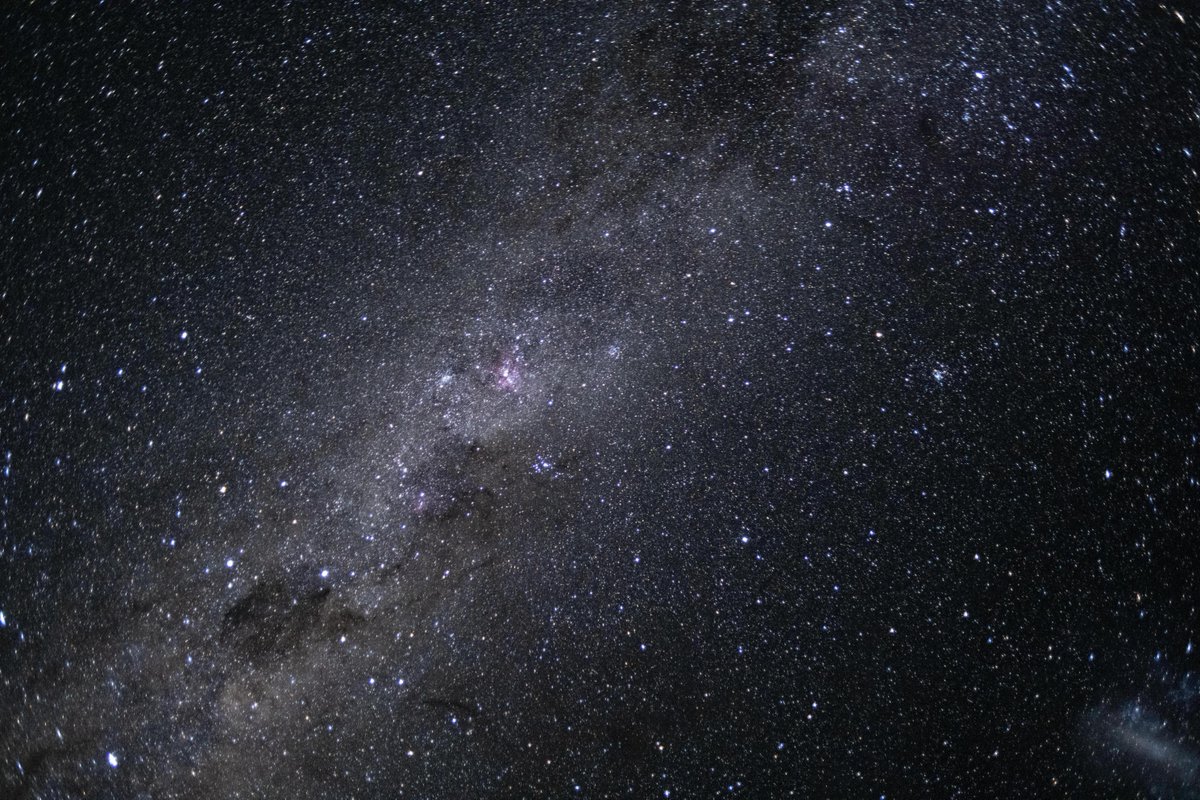
Sky full of stars.
Following a successful lunar flyby, the Artemis II astronauts captured this breathtaking photo of our galaxy, the Milky Way, on April 7, 2026.
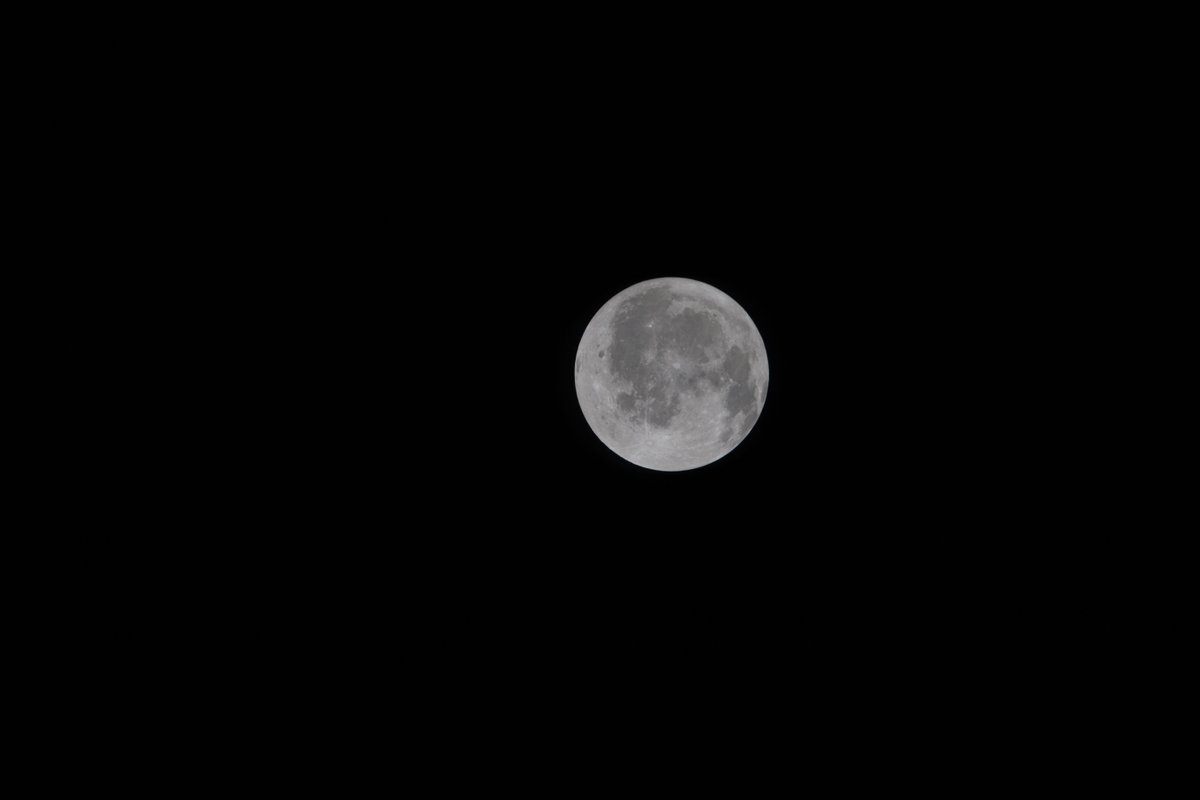
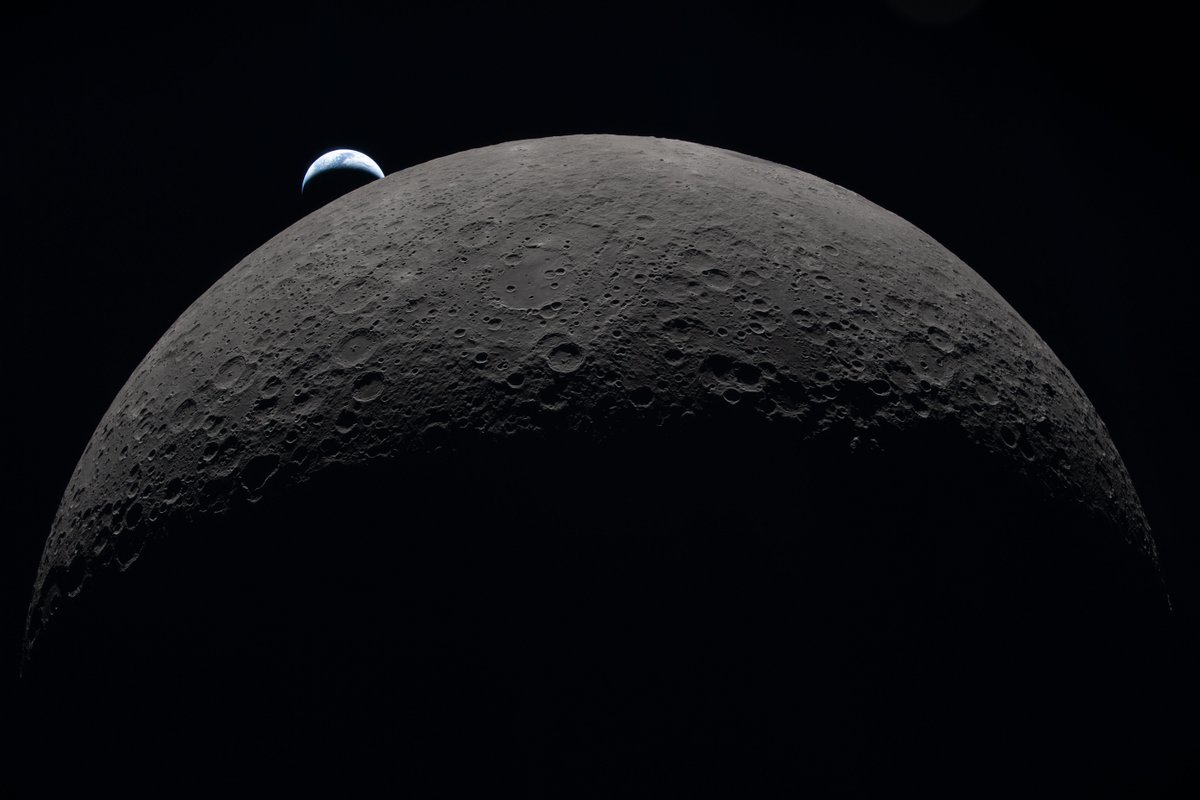
Hello, Moon. It’s great to be back.
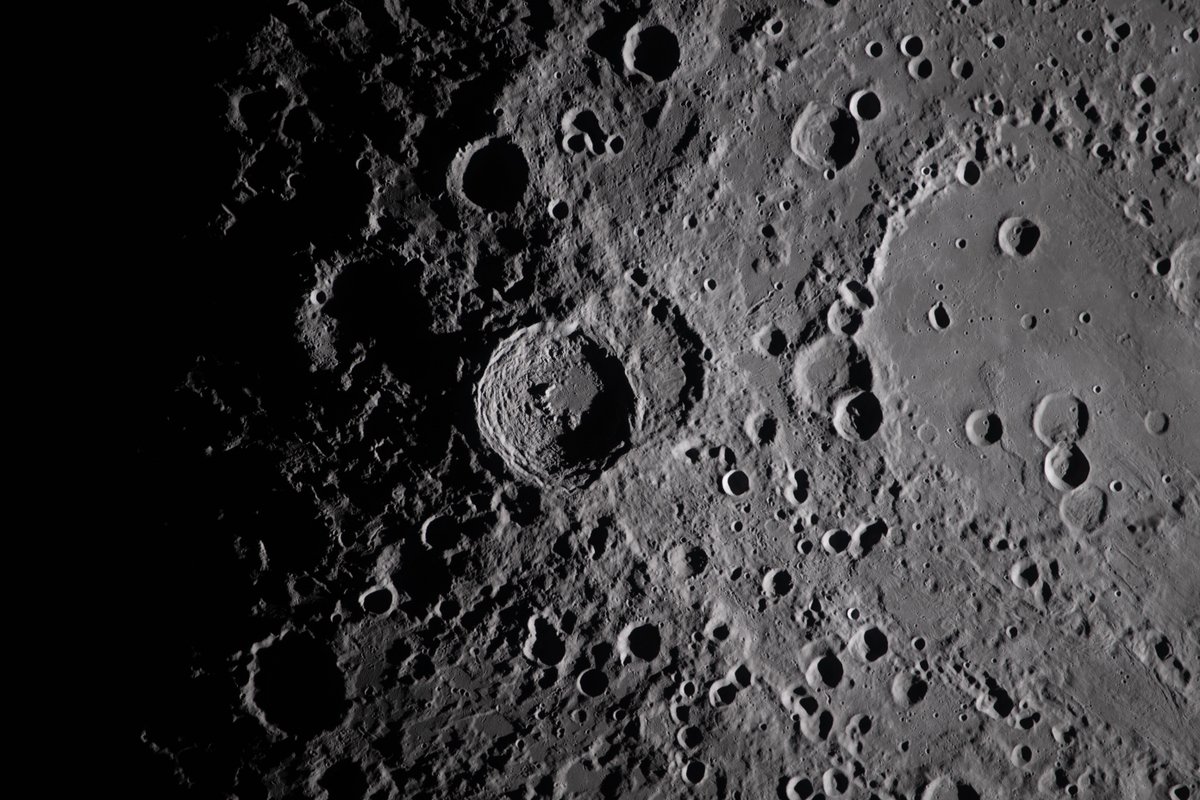
Here’s a taste of what the Artemis II astronauts photographed during their flight around the Moon. Check out more photos from the mission: https://t.co/rzM1P0QbOl
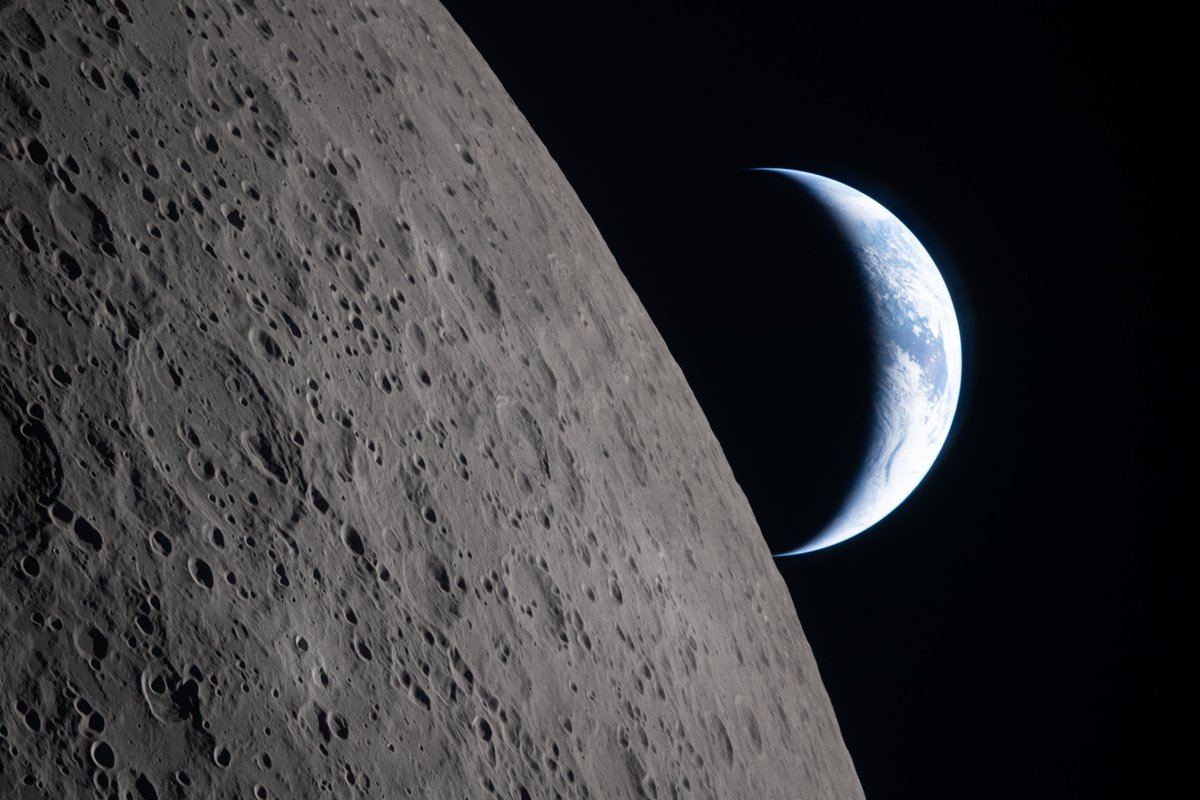
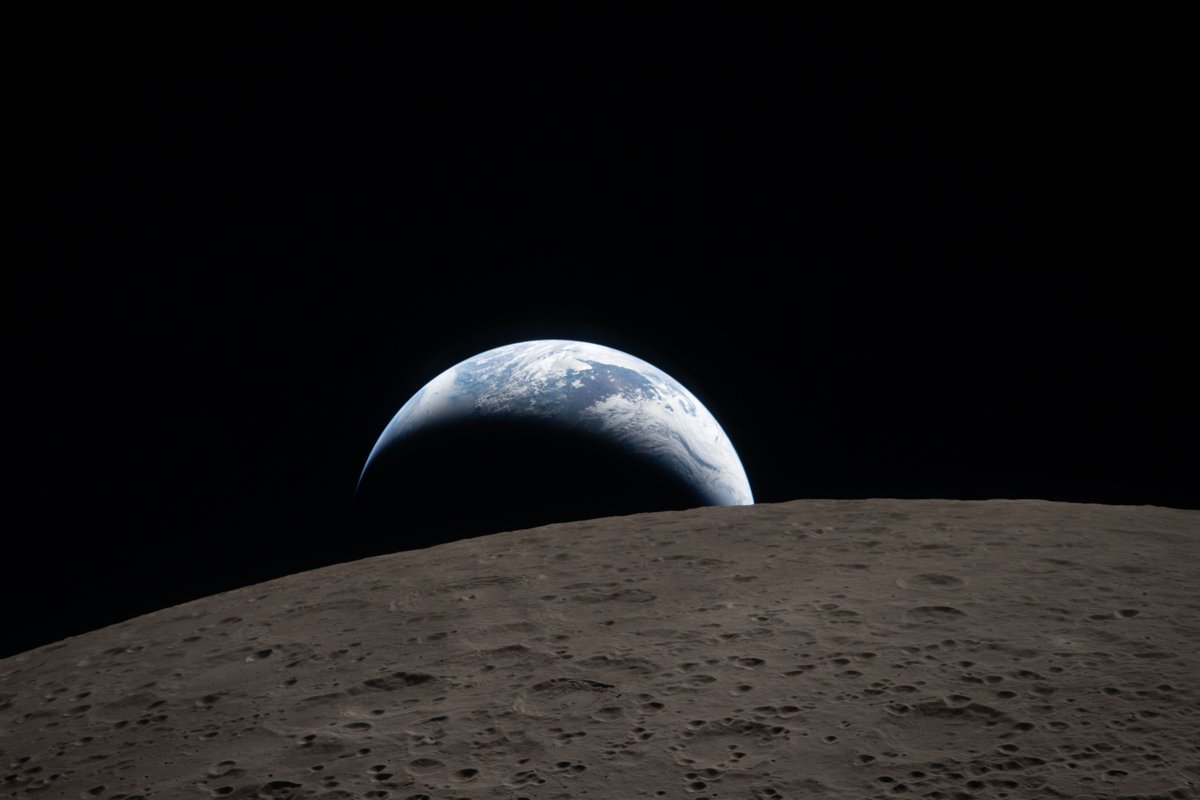
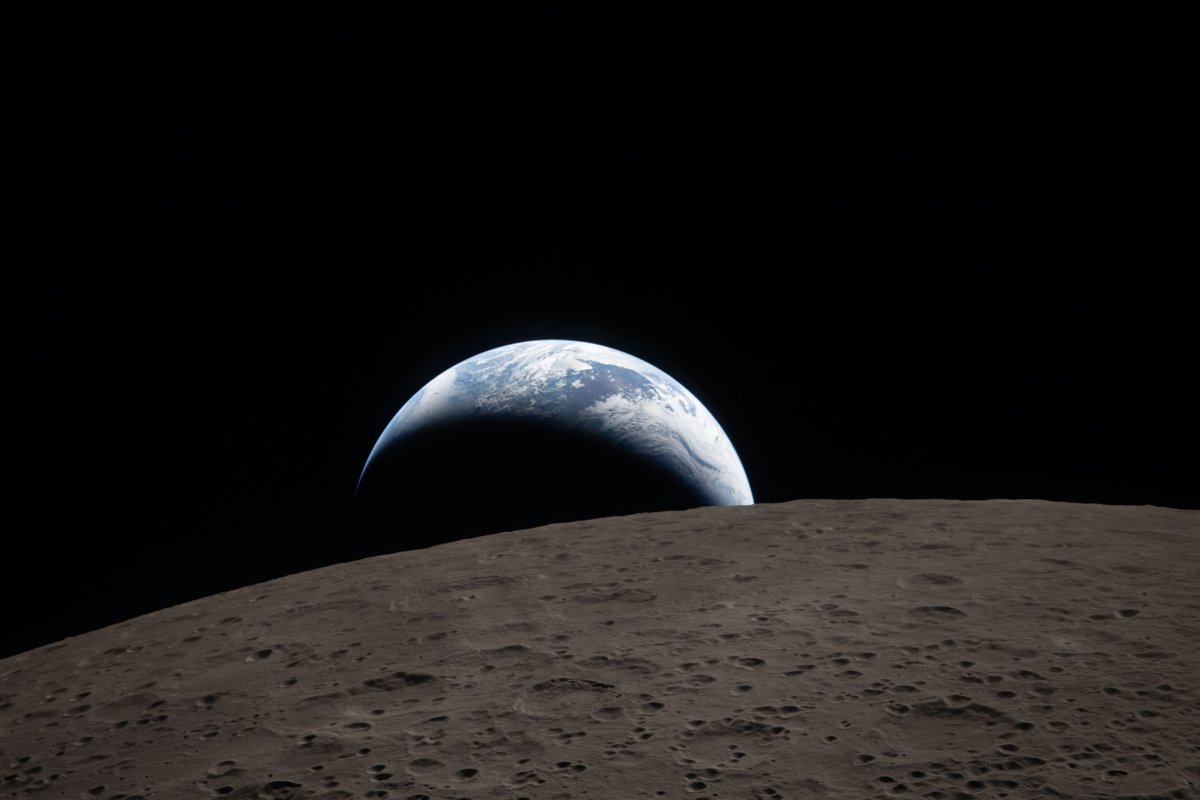
Earthset.
The Artemis II crew captured this view of an Earthset on April 6, 2026, as they flew around the Moon. The image is reminiscent of the iconic Earthrise image taken by astronaut Bill Anders 58 years earlier as the Apollo 8 crew flew around the Moon.
Lock in, we’re Moonbound.
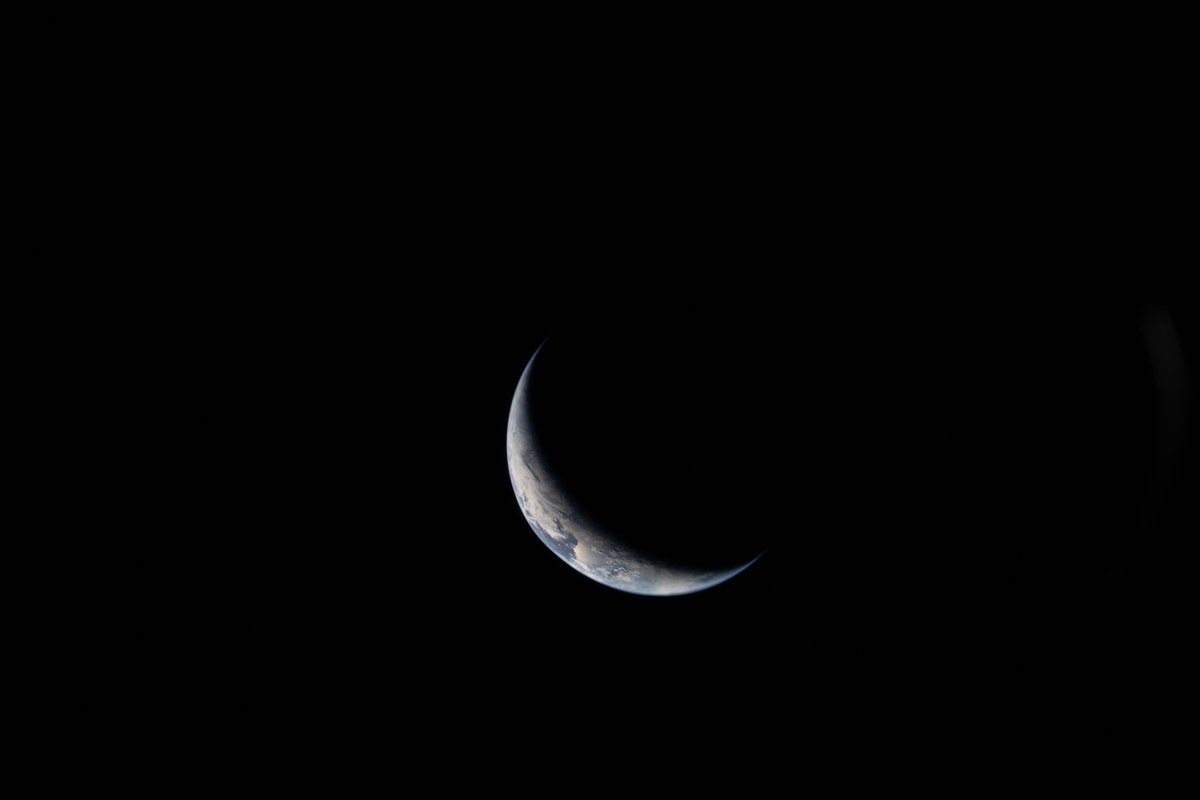
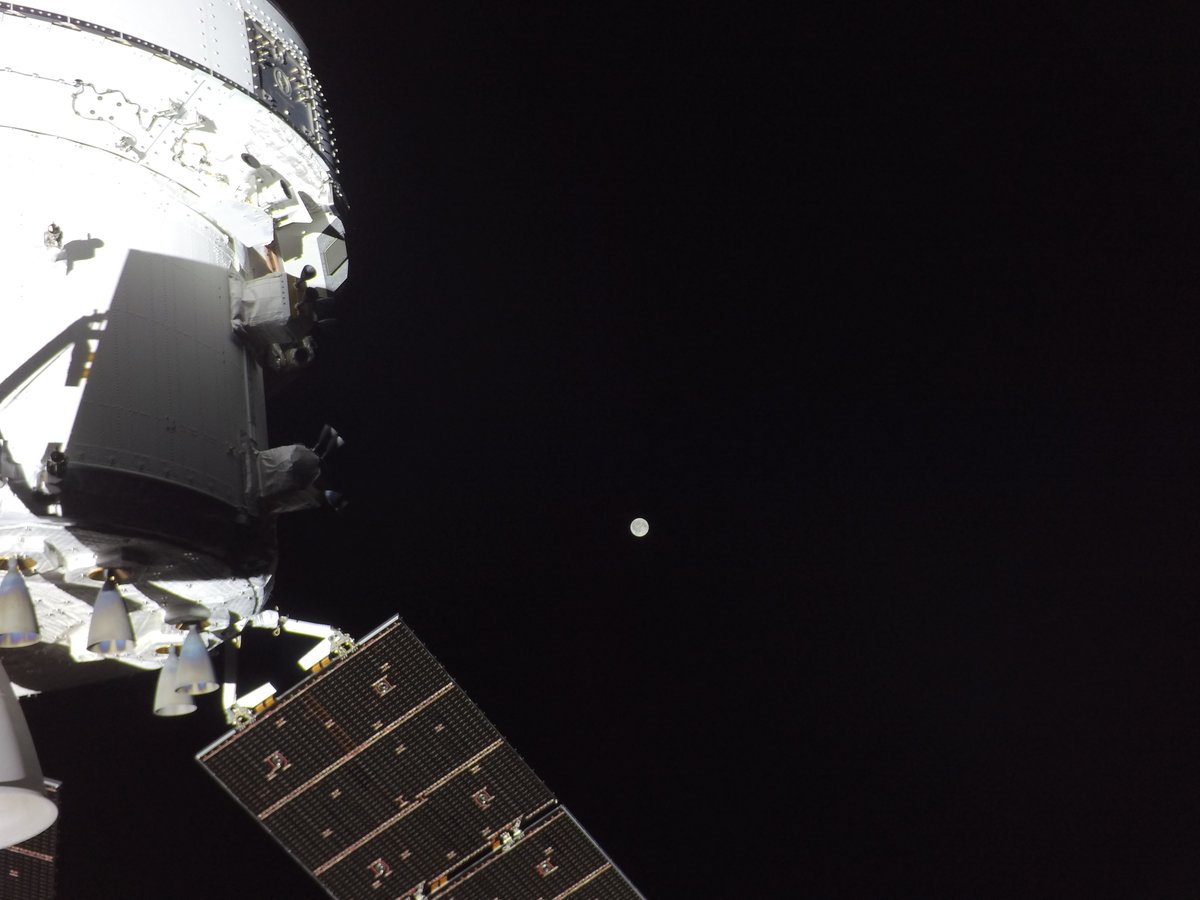
Artemis II astronauts are more than halfway to their destination, and preparations for lunar flyby are underway. During their trip around the far side of the Moon, they will capture imagery to share with scientists (and you, too!).
We’re halfway there.
At the time of posting this, the Artemis II mission is about halfway to the Moon. When the astronauts arrive, they will conduct a lunar flyby and collect scientific observations of the Moon’s surface.