University of Surrey Space Engineering PhD student studying the radiation risks associated with high altitude flight & low earth orbit 🚀✈️🔭🛸☢️ #RiskEngineer
🗣️“There is very limited information given to them at the moment”
Space weather expert @ChrisReesPhD is calling for stronger warnings about radiation risks in the space tourism sector 🚀
🎧Listen to 🎙️Tech & Science Daily 👇
https://t.co/Fnr7zbAXHV
Working with Space Lawyer John Catchpole, we’re delighted to have our research on the policies & regulations governing the radiation risks for space tourism flights, published in the LSE Space Policy Journal @SpaceAtSurrey@UniOfSurrey https://t.co/Xcb7TofCp7 #Radiation#Risk
Looking forward to presenting at the NEI Nuclear Decommissioning Conference in California this week. If you’re attending, or in California this week, and want to connect on radiation / nuclear / risk assessment please feel free to reach out. #Nuclear#Radiation#Risk
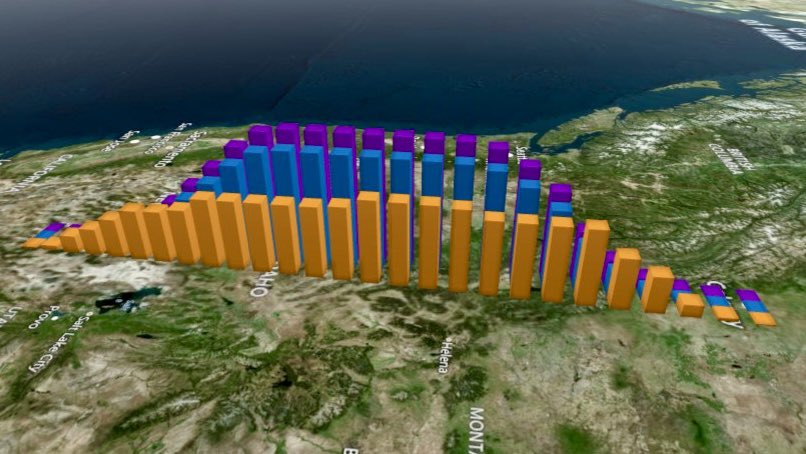
This week’s flight radiation data. Effective dose exposure from galactic cosmic radiation (GCR) using MAIRE (orange), SIEVERT (purple) and CARI-7 (blue) for flight at 36,000ft. Total effective dose exposure of ~10uSv, equivalent to a single dental X-ray. @SpaceAtSurrey#Risk
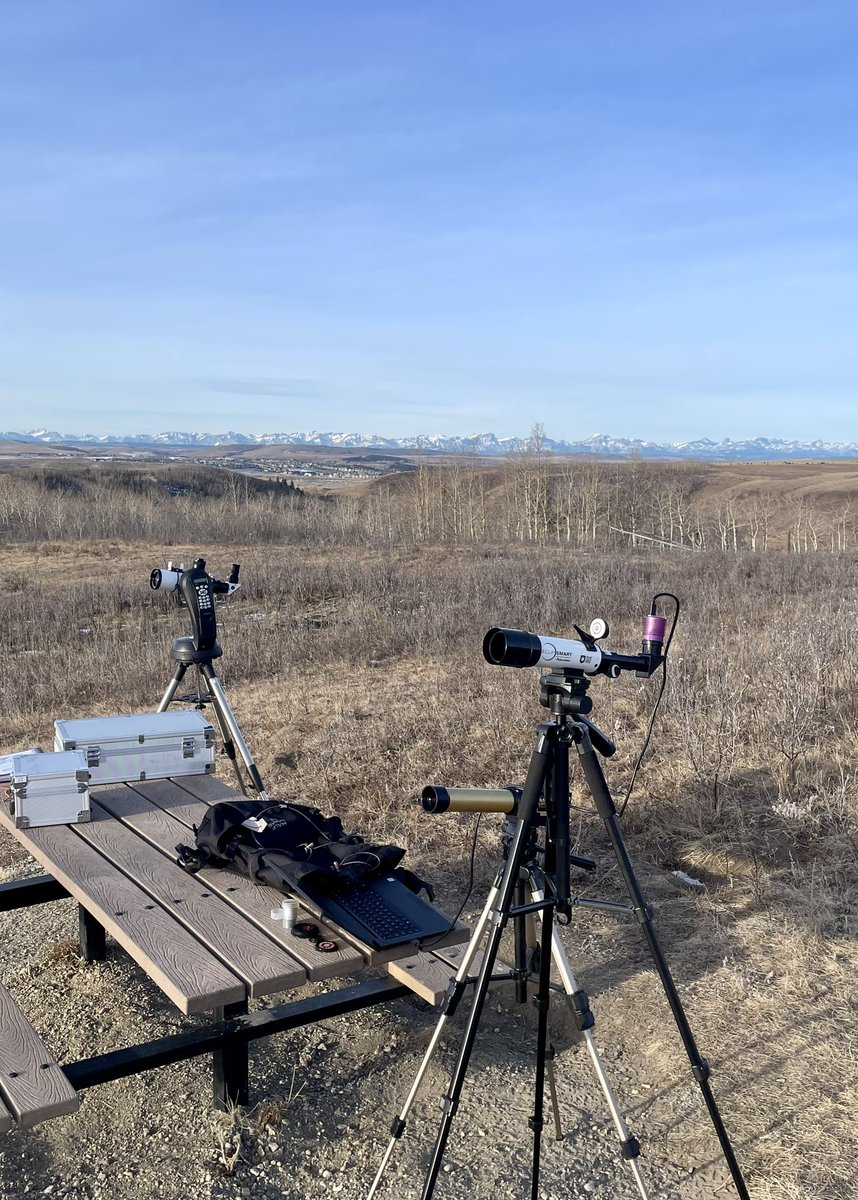
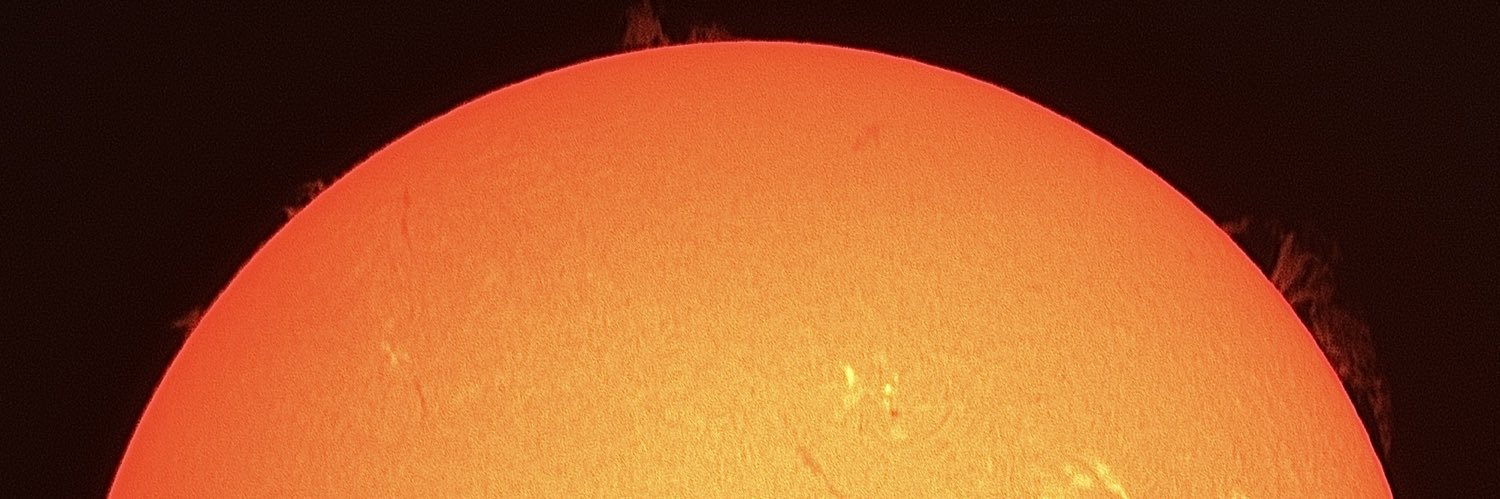
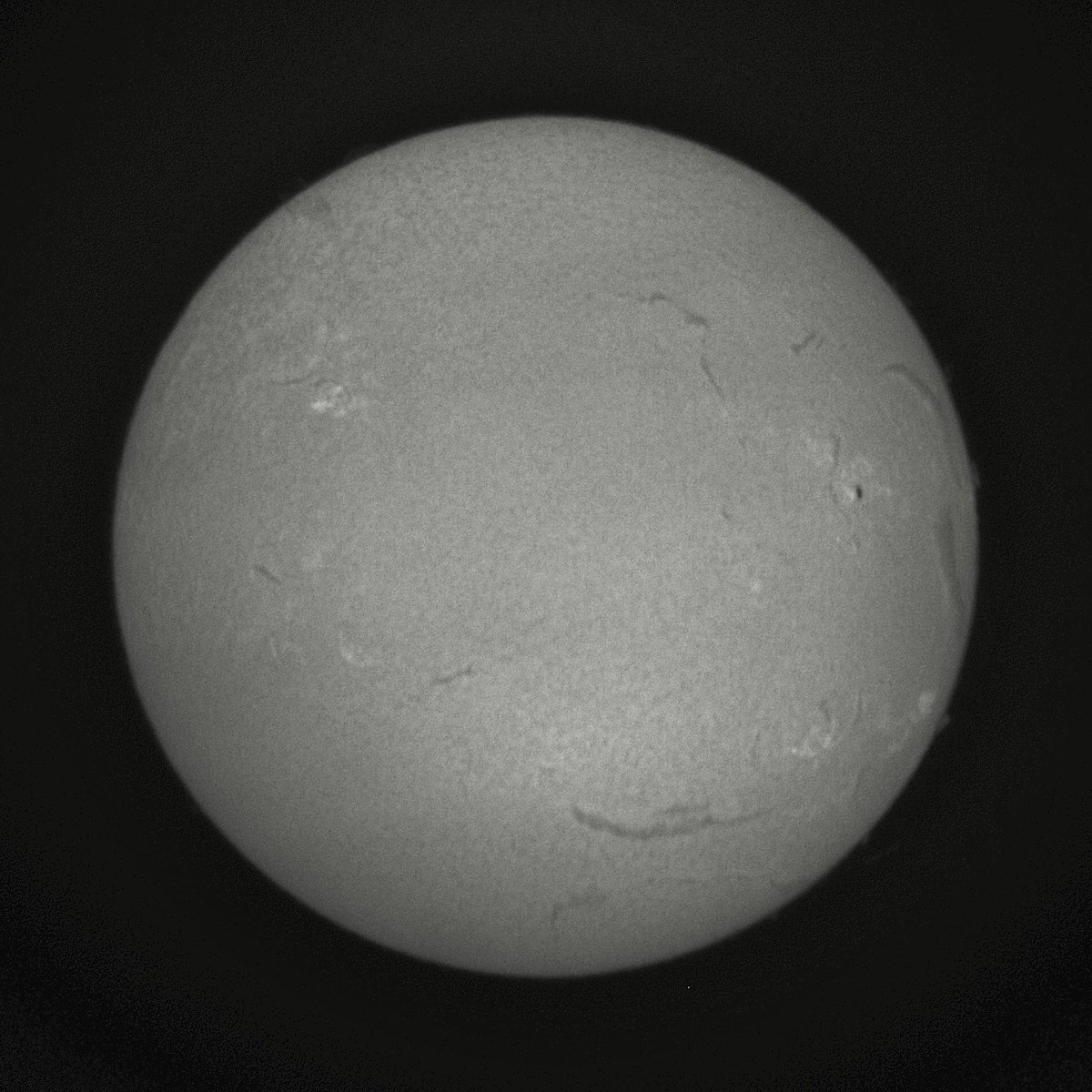
Solar observing today with @CalgaryRASC and use of their telescope rental program for an additional hydrogen / alpha scope. Bit hazy 🌫️ ☀️ today but stable sun spots including AR3531 clearly visible. Not a bad backdrop / view of the Rockies 🏔️ either.
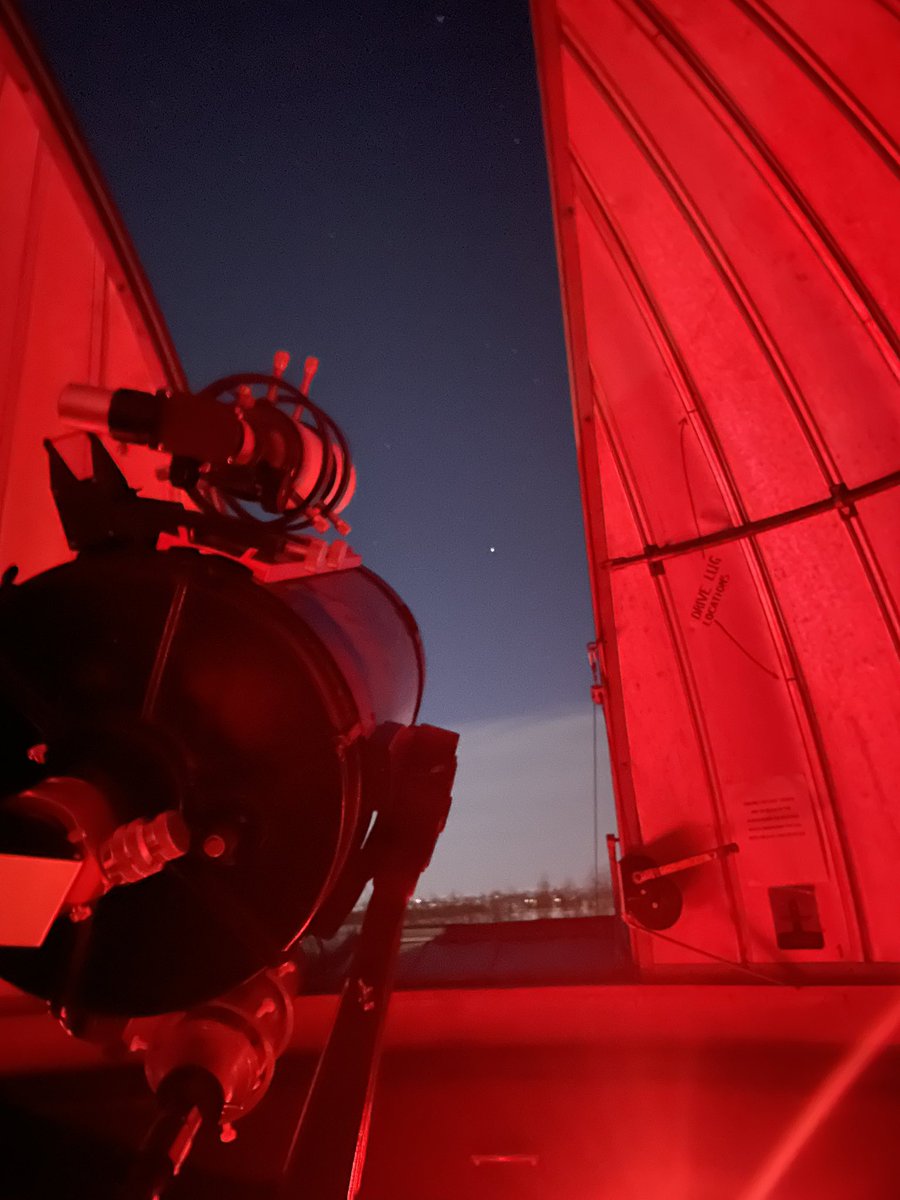
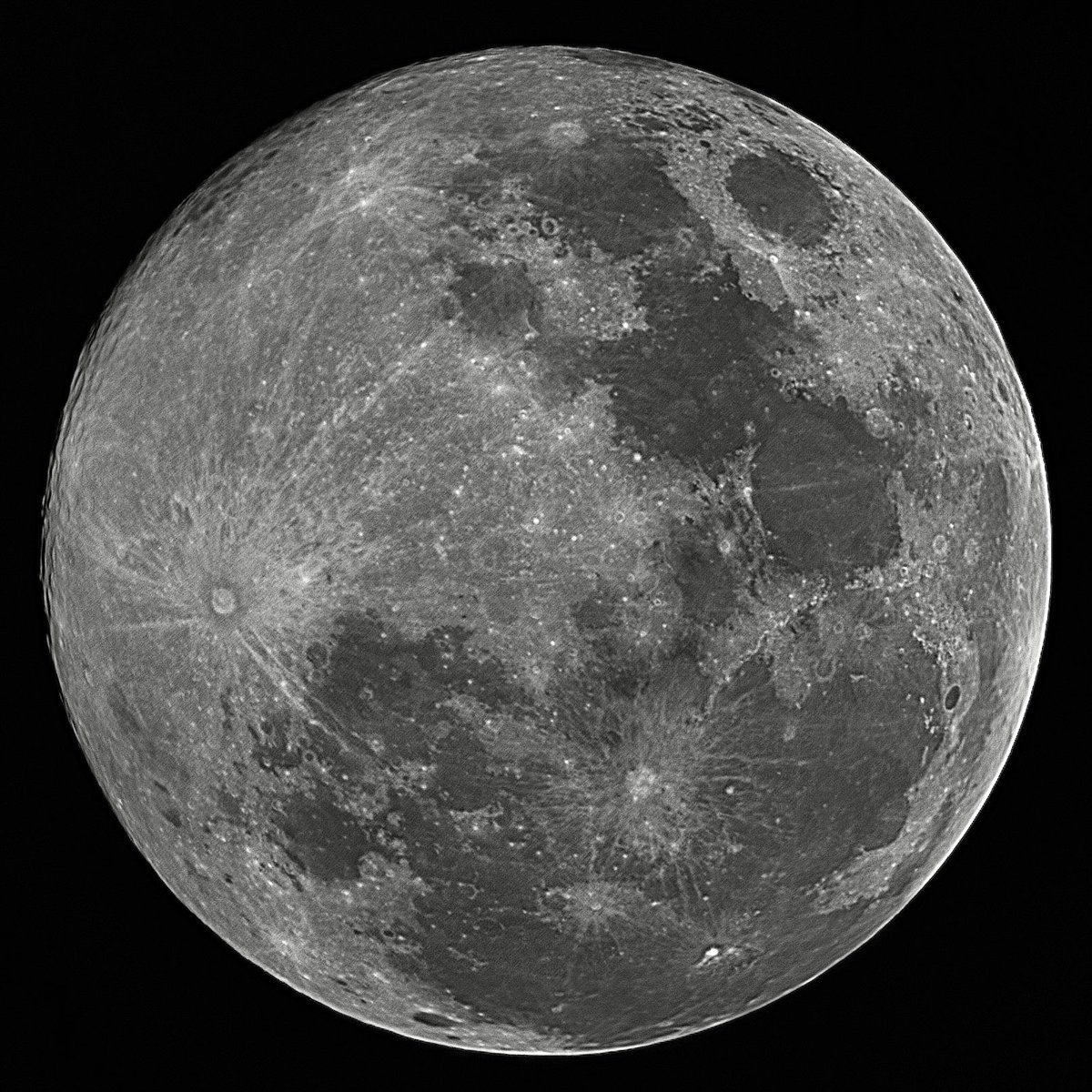
Some planetary observations last night with @TUVRisktec work colleagues at the WCO. 🪐 and Jupiter also visible but no great images this time as super bright moon. @CalgaryRASC
The sun went boom yesterday (don't worry we're gonna be okay).
While I was shooting this sunspot group on the sun, one of them flared violently, yeeting planet-sized masses of plasma into space.
The crazy part- this is a very small flare. They can get huge!
Interesting article on comparing terrestrial regulations for space environment. John Catchpole and I have recently submitted a paper looking at the current regulation of radiation risks for very high altitude ‘near space’ tourism flights.
https://t.co/gNafwG4DZm
A total of 6 flights over the last week. Effective dose of these (GCR conditions) was ~60uSv. A sudden change in space weather could increase this to ~200uSv, (equivalent to 2 x chest X-rays) @SpaceAtSurrey research looks at #radiation#risk for high altitude flights @SpaceSafety
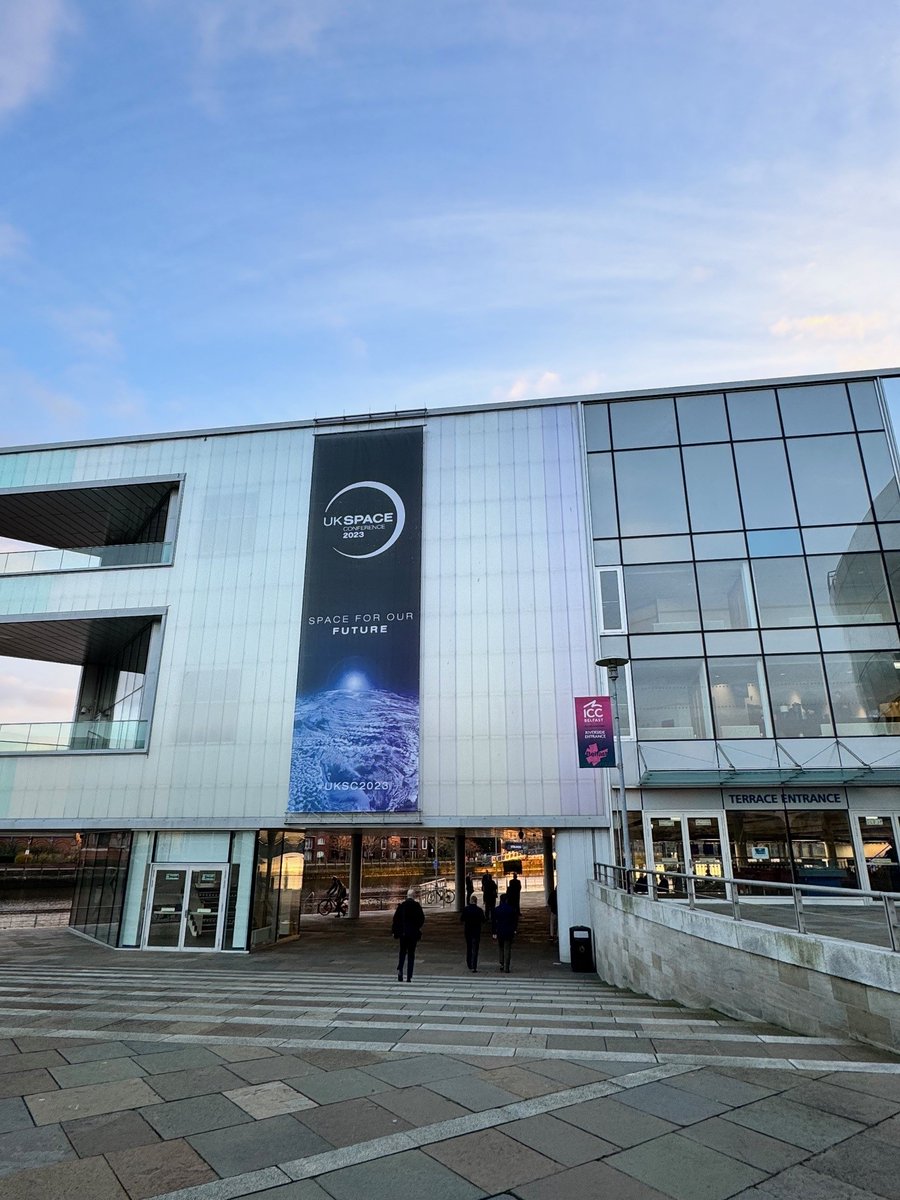
Excited to be at #SpaceConference2023! 🚀 #UKSC2023
Visit us at booth D15 to discover the ground-breaking research we're doing and learn how we can support space SMEs. #Innovation#SpaceTech
And see our facilities which SMEs can use: https://t.co/btbEF4ROGu
Congratulations to the entire SpaceX team on an exciting second integrated flight test of Starship!
Starship successfully lifted off under the power of all 33 Raptor engines on the Super Heavy Booster and made it through stage separation
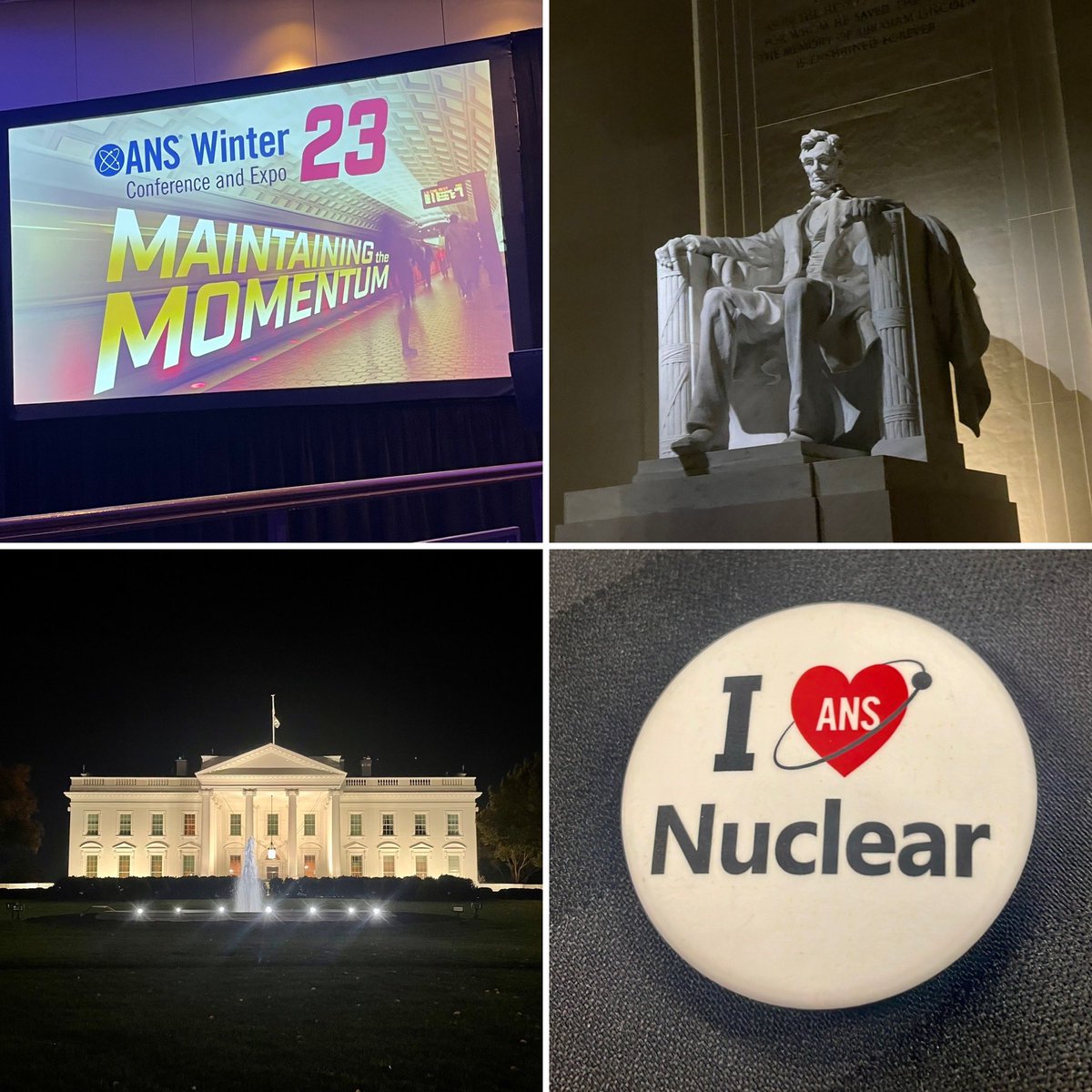
Really interesting week in Washington, DC 🇺🇸at the @ANS_org conference, representing Risktec Solutions Some great speakers focusing on new uses of nuclear technology in space. Also lucky enough to be asked to chair one of the sessions on Human Factors / Safety Systems.
The FAA has given license authorization for the second launch of the @SpaceX Starship Super Heavy vehicle. The FAA determined SpaceX met all safety, environmental, policy and financial responsibility requirements.
https://t.co/gmSbhHGohv
Happy #SunDay! This week’s space weather report includes:
· 2 C-class flares
· 1 M-class flare
· 22 coronal mass ejections
· 0 geomagnetic storms
This video from NASA’s Solar Dynamics Observatory shows activity on the Sun over the past week.