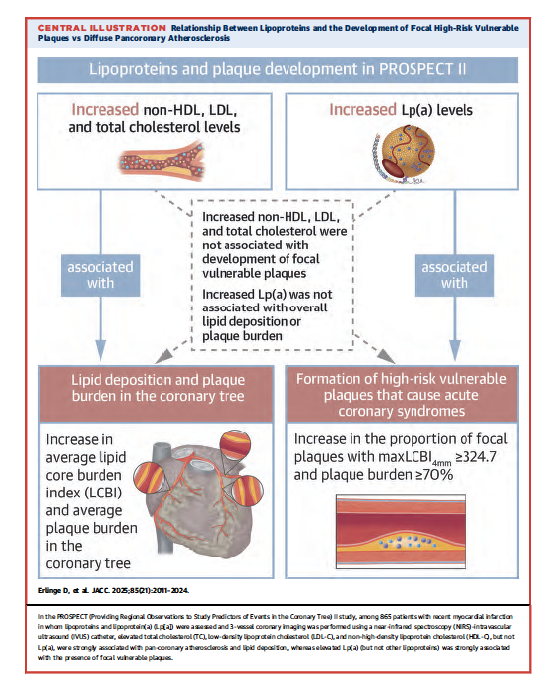
We have a new Lp(a) paper, led by @derlinge from PROSPECT 2 using IVUS/NIRS. It shows high Lp(a) associates most with vulnerable plaque characteristics, whereas LDL-C with plaque burden. Lp(a) was measured by our @UCSDCardiology assay, the only Lp(a) assay I am aware of that is truly isoform-independent (uses monoclonal antibody LPA-KIV9). This study creates a rationale to perform an imaging study with Lp(a) lowering drugs and assess effect of features of high-risk plaques. https://t.co/mPgI1x202T
In a porcine model, infliximab‐mediated immune modulation offered an actionable pathway to alter MI‐induced inflammatory response. #AHAJournals@SaraInglisMBBCh@aelsab@AttaBehfar https://t.co/F7zfSeZXAm
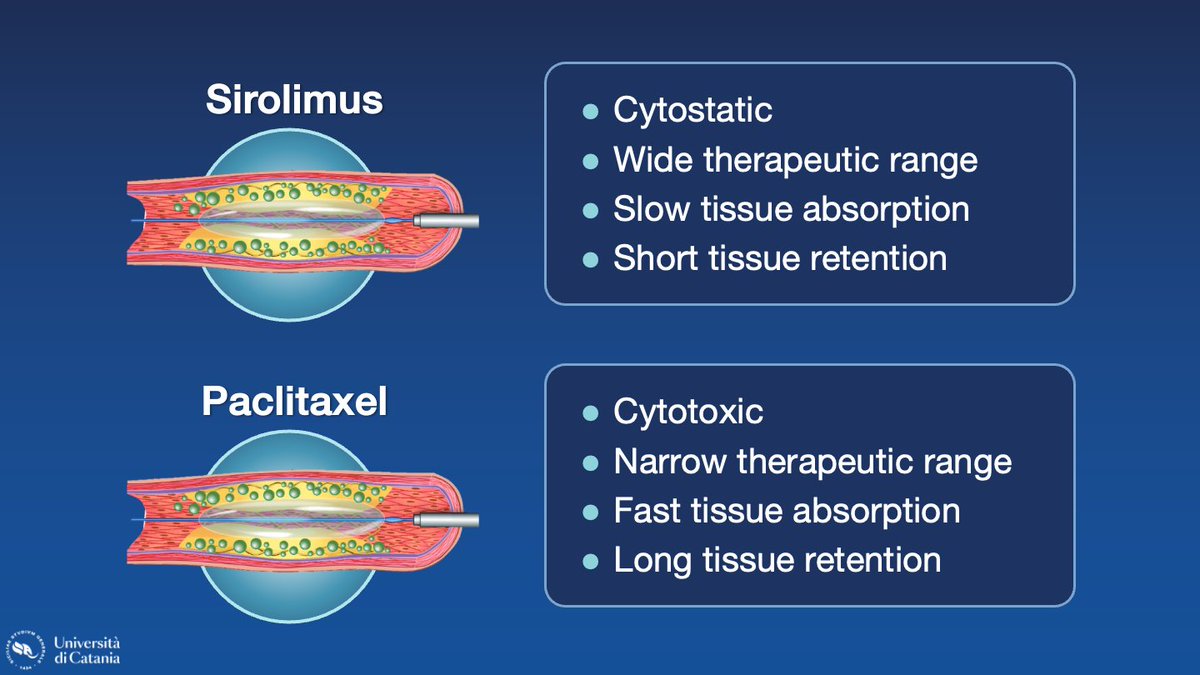
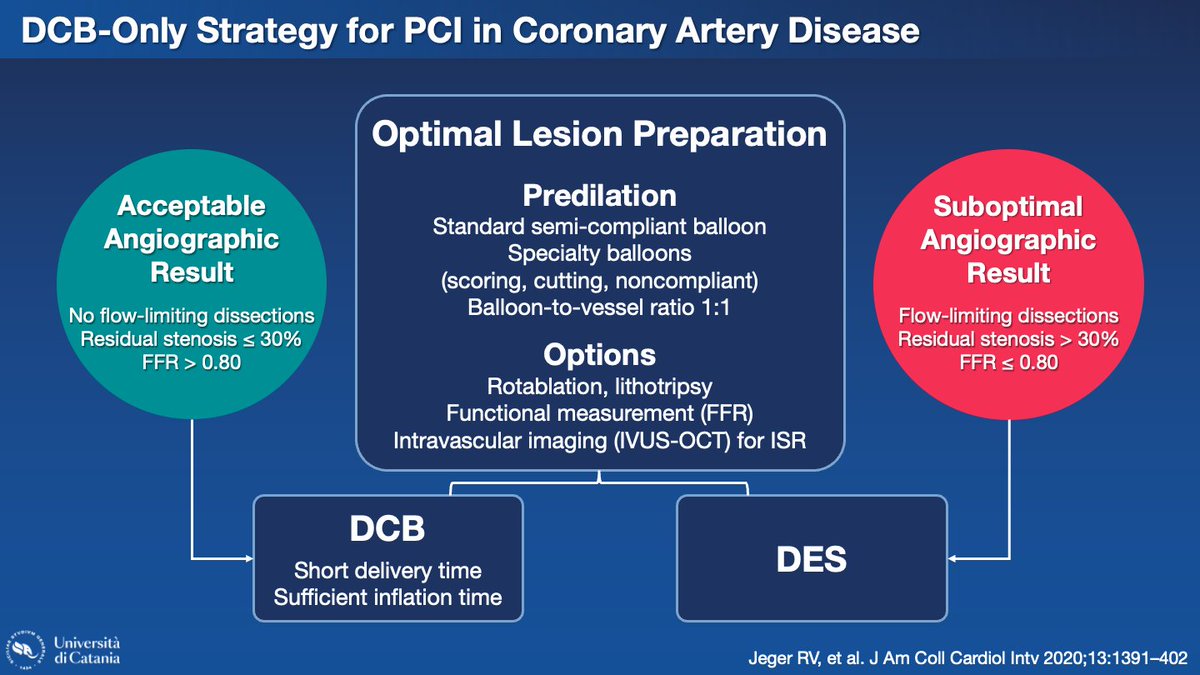
Where are we with drug-coated balloons (DCB) in PCI? Five thoughts.
1) The use of DCB in patients with in-stent restenosis, especially of a bare metal stent, is well established and evidence-based (now also in the US).
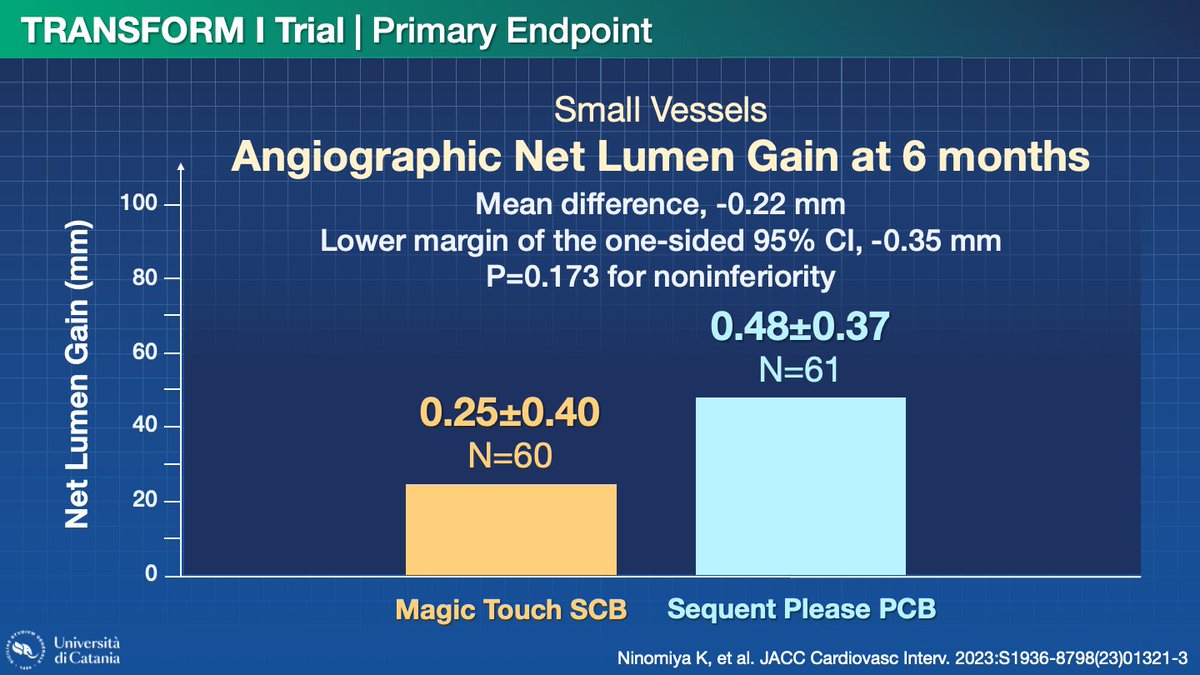
2) Conversely, DCB use in de novo disease lacks compelling clinical trial data. Use in small vessels and diffuse pattern disease is the most promising indication to date. Results of two ambitious trials (SELUTION De Novo AND TRANSFORM II) will define the role of DCBs in de novo disease going forward.
3) Growing experience with short DAPT and DES limits added value of DCB angioplasty in high bleeding risk patients.
4) The good performance of current generation DES in acute coronary syndromes questions the unmet need for this indication.
5) Robust data for DCB use in bifurcation PCI, where the provisional approach is dominant, is lacking.
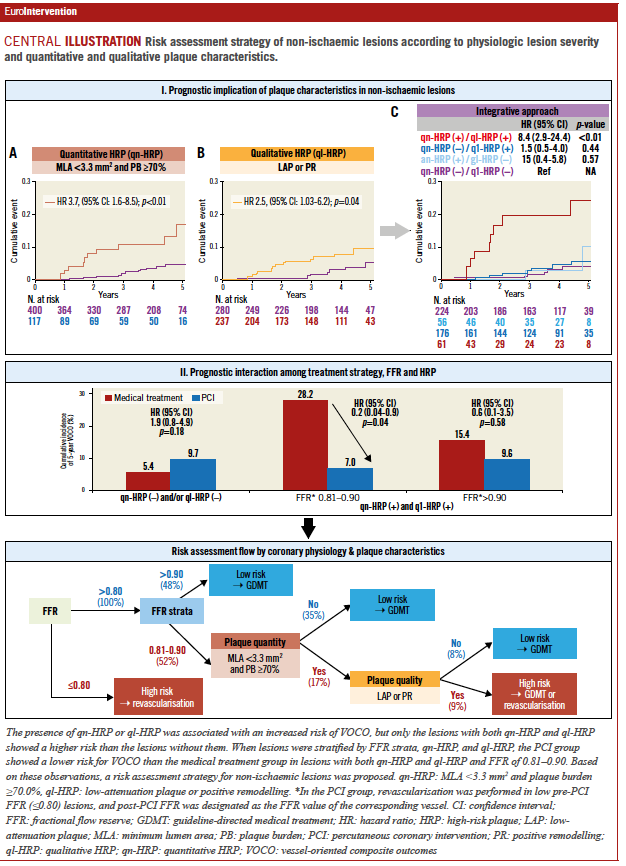
MINI FOCUS ON VULNERABLE PLAQUES - #EIJBestOf
"Outcomes of non-ischaemic coronary lesions with high-risk plaque characteristics on coronary CT angiography" by Yang S, et al.
https://t.co/nU8icL94FN
The relationship between glycemic risk and longitudinal changes in total physiological atherosclerotic burden in patients with coronary artery disease https://t.co/eK498PLUJQ