Director of Thoracic Oncology at Georgetown University @Lombardicancer / Lung Cancer, Thymic Tumors, Phase I / #Editor @ClinicalLung / Secretary of ITMIG
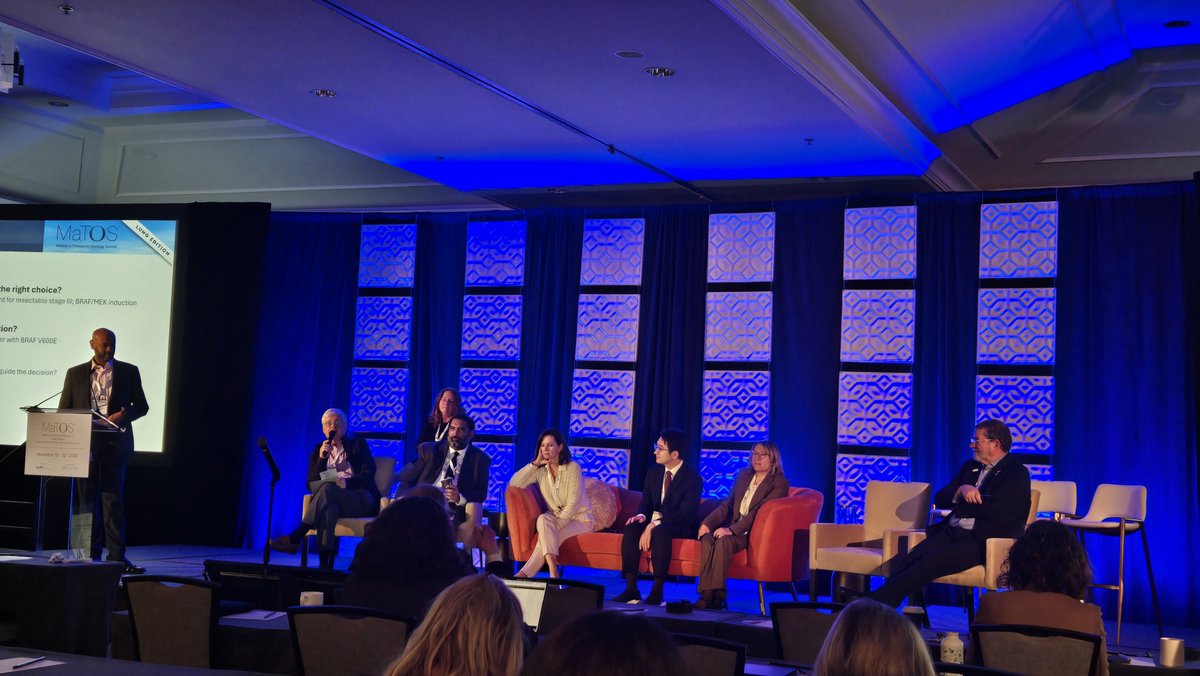
Dr.@Joshua_Reuss discusses a challenging case of BRAF non-V600E–mutant NSCLC. Beyond BRAF V600E, class II and III BRAF mutations represent distinct biological subgroups that warrant further investigation to develop effective therapies.
#MaTOS26
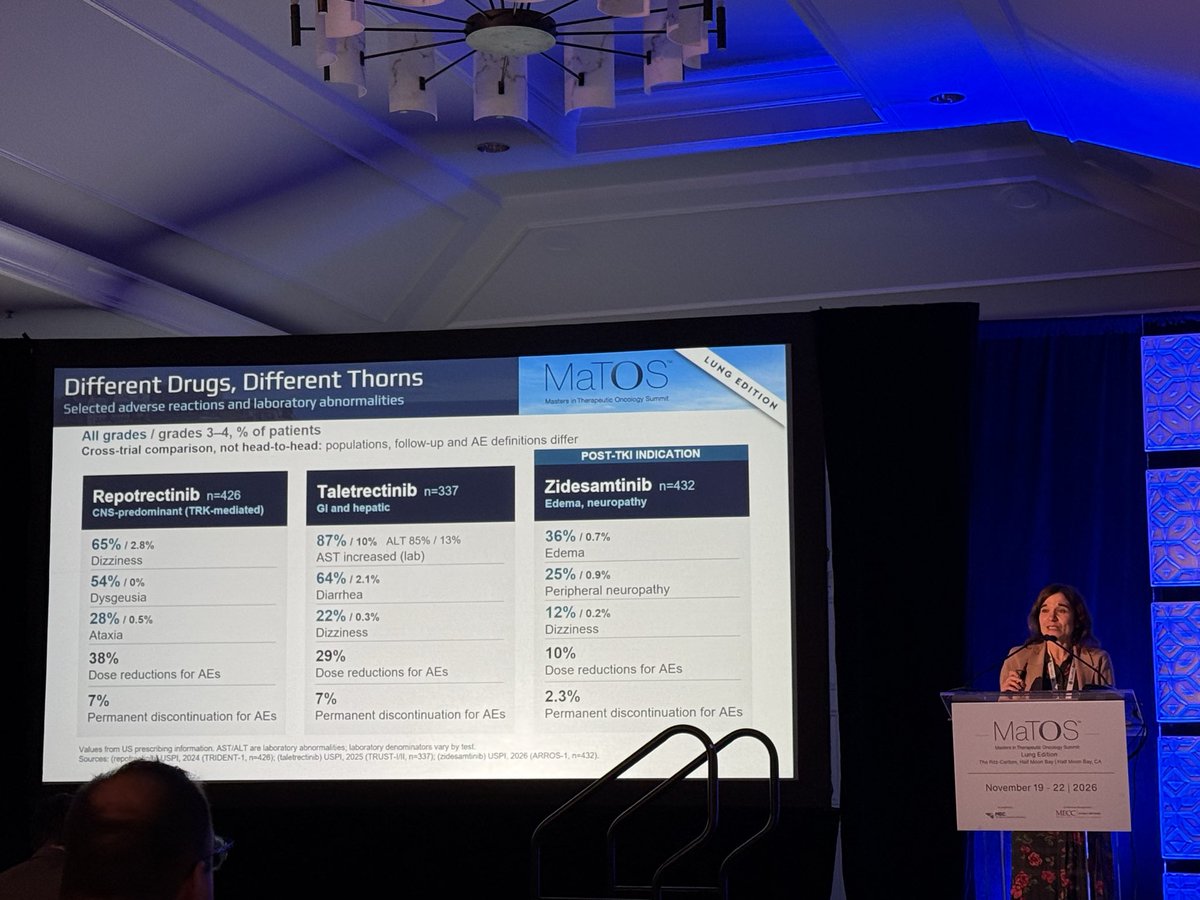
Dr. @LauraAlderMD discusses a challenging case of ROS1 fusion–positive metastatic NSCLC with brain metastases.
Several excellent approved 1L options are available with zidesamtinib also showing promising 1L results.
Great panel here. #MaTOS26
Great debate at #MaTOS26. Dr. @NaglaAKarimMD reviews key considerations for tarlatamab in ES-SCLC, including its role in 1L maintenance, CRS/ICANS monitoring, identifying pts at higher risk for toxicity, potential predictive role of DLL3 expression.
Important questions remain.
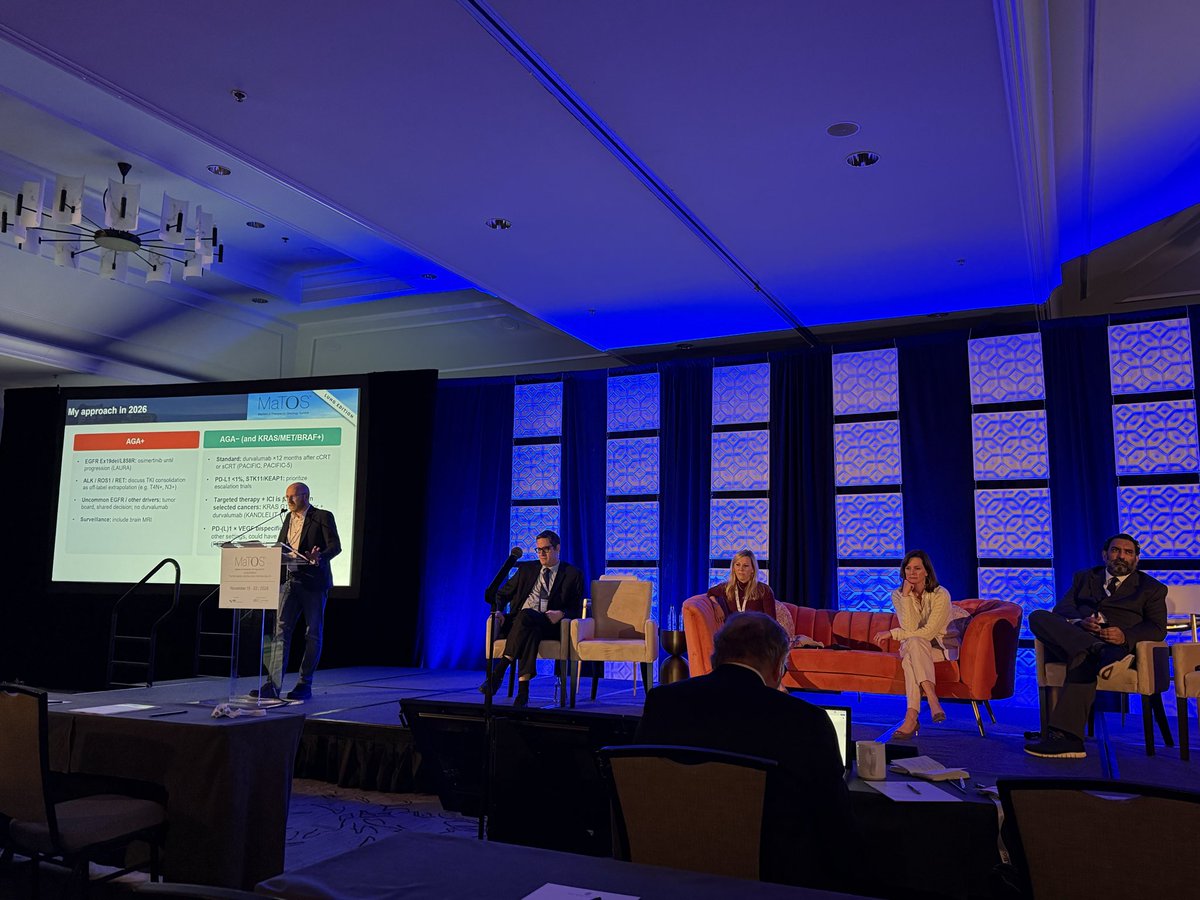
#MaTOS26 Best part of this meeting: multidisciplinary roundtables with experts from across the country, sharing experiences and perspectives where data are limited—from targeted therapies in the perioperative setting to defining borderline-resectable disease.
🙏Grateful to be part of these conversations that move the field forward! #LCSM @SylvesterCancer
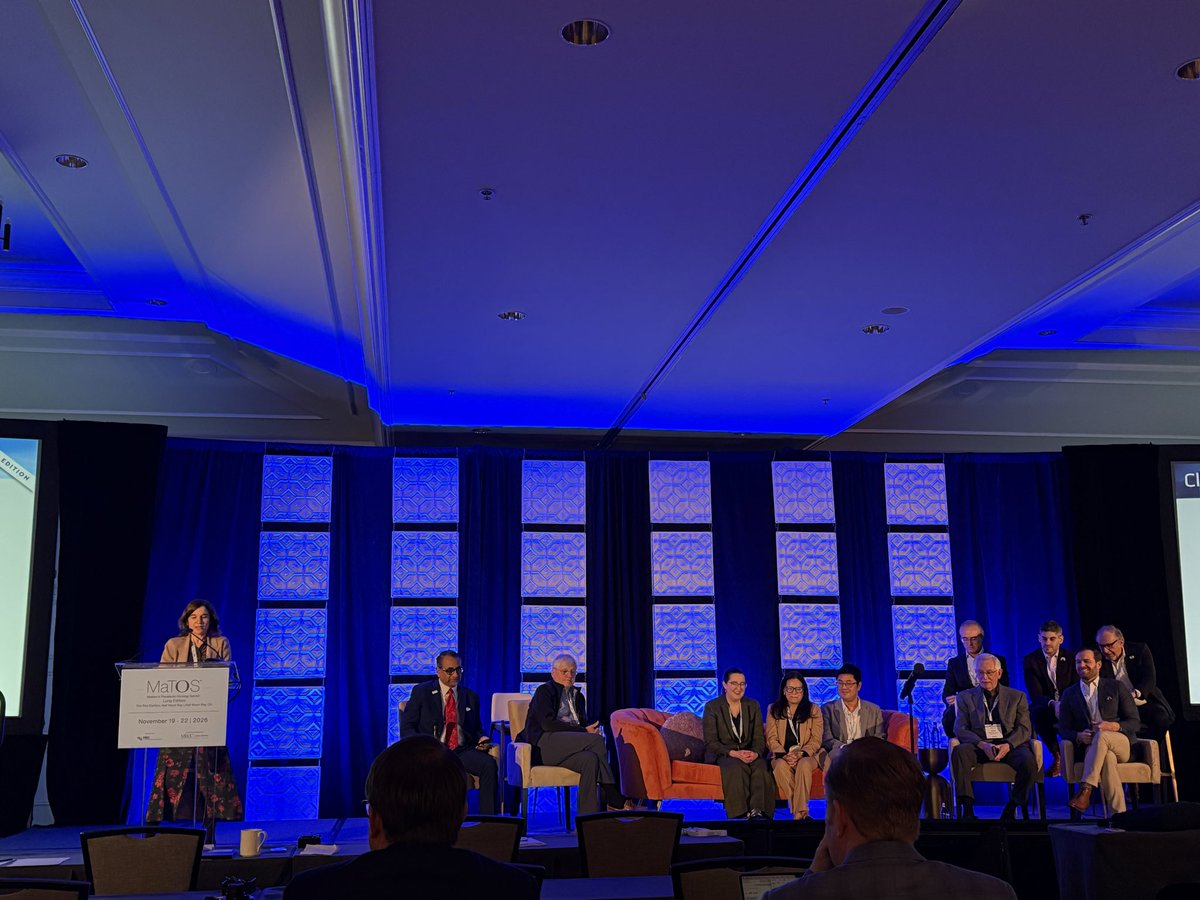
Great SCLC panel at #MaTOS26, bringing together many of the driving forces behind SCLC research.
Dr. @peters_solange raises an important question: any role of DLL3 expression in predicting activity of DLL3 TCE?
An important area for further study.
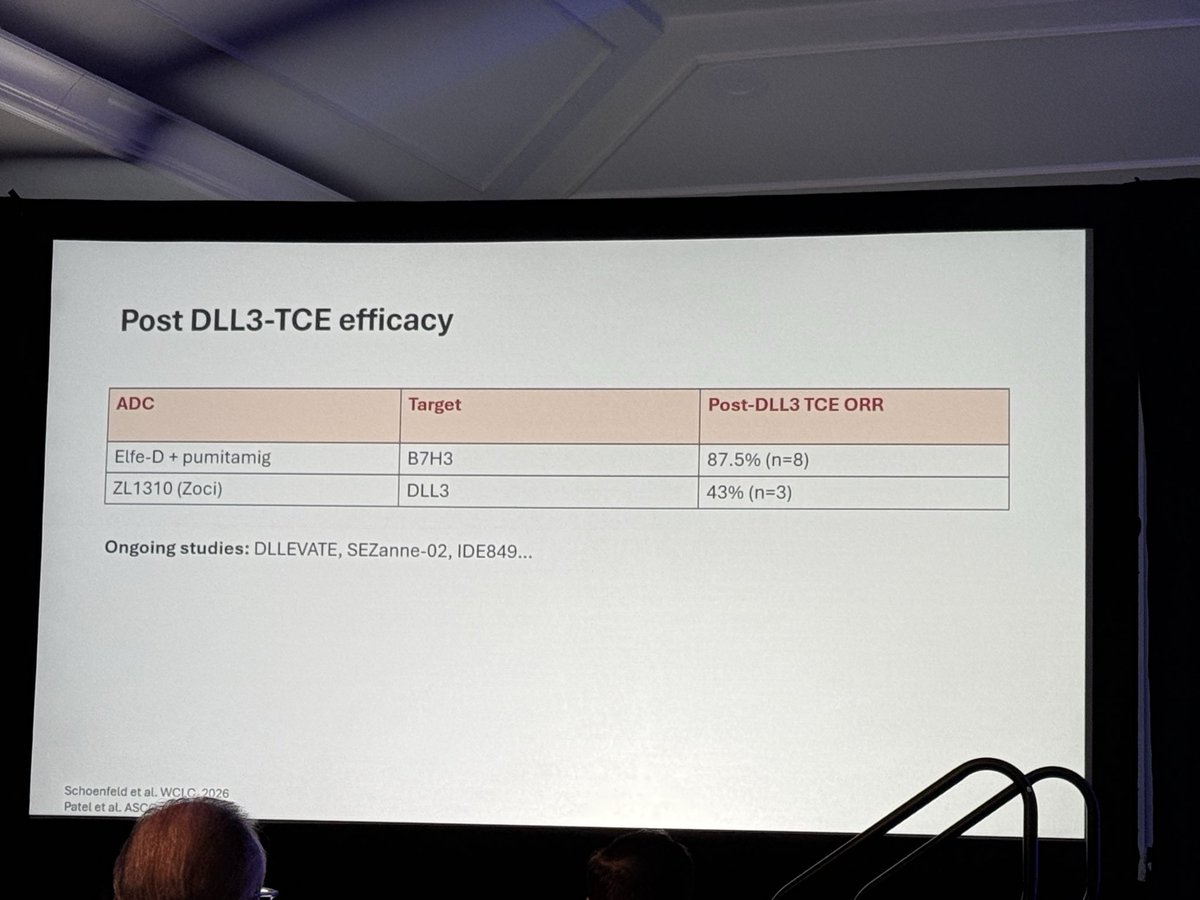
Insightful lecture by Dr. Devarakonda on ADCs in SCLC.
Encouraging activity across several ADCs, including recent B7-H3 ADC data at WCLC 2026.
Exciting potential, with ongoing evaluation in 1L/2L. Key questions remain around biomarkers, toxicity, sequencing.
#MaTOS26
@drshieldsmd walks us through challenges of SCLC transformation in EGFR-mutant NSCLC. This remains one of the most significant challenges.
We need a better understanding of the underlying biology and more effective treatment options (?TCE, ADCs).
A major unmet need. #MaTOS26
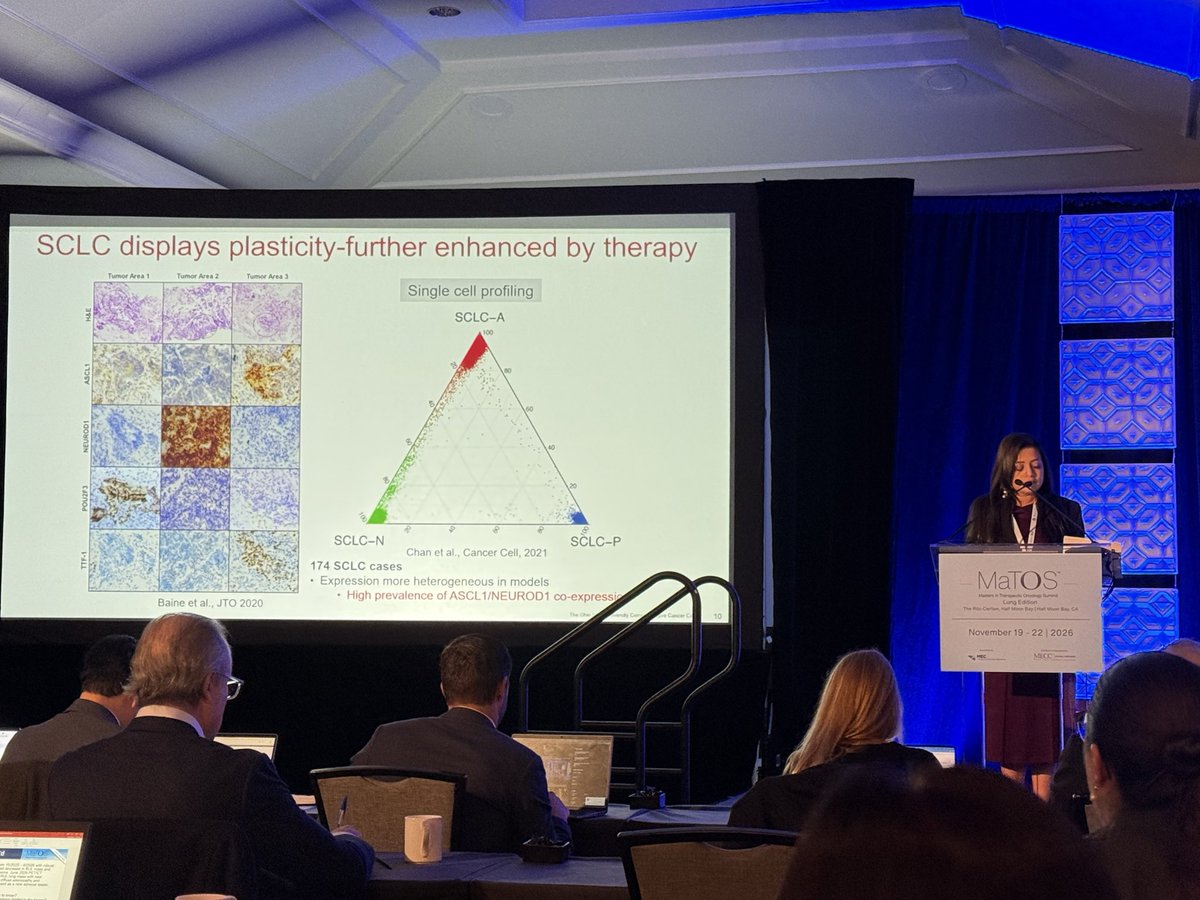
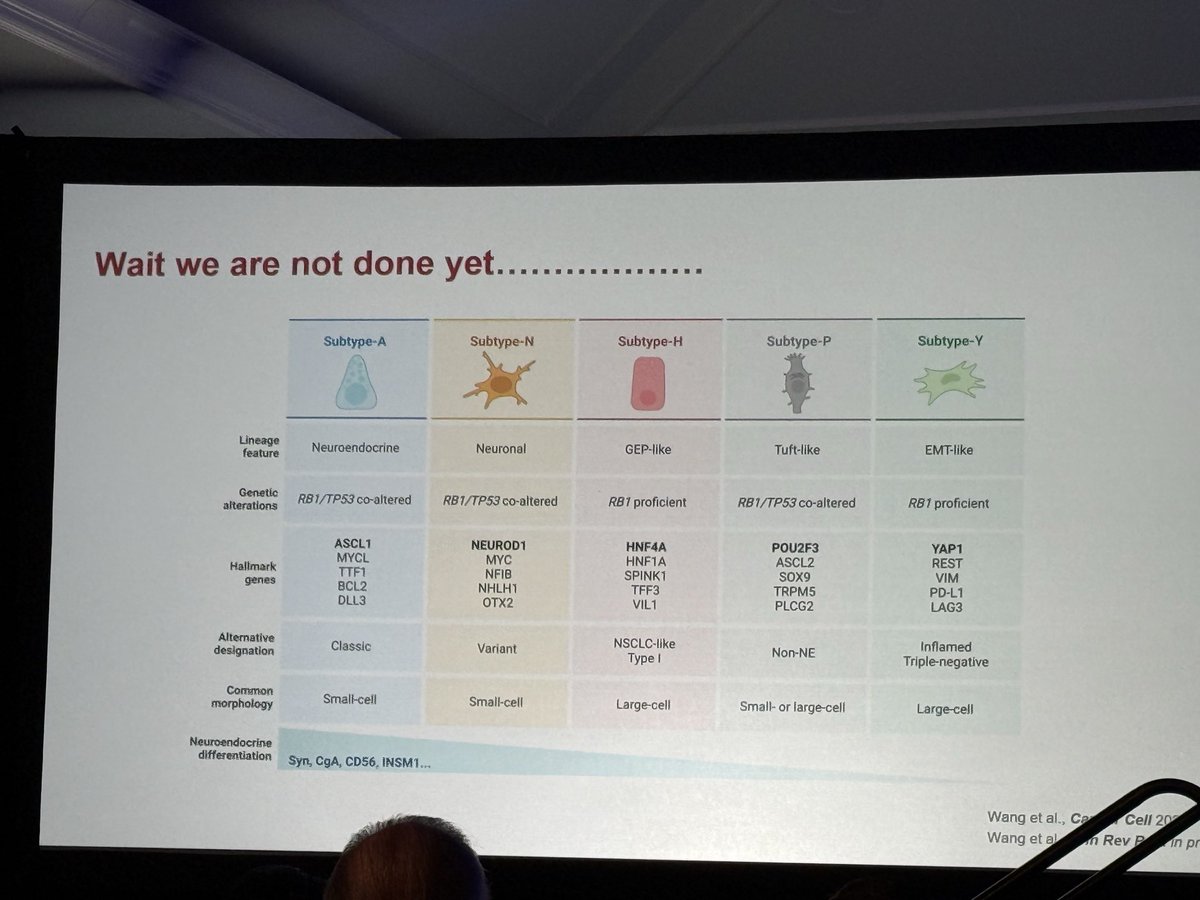
Our understanding of SCLC dynamic biology continues to evolve. Transcriptomic subtypes, epigenetic markers, antigen-presentation are providing new insights and may help guide future therapy development.
Much more to learn. Great talk by @triparnasen#MaTOS26
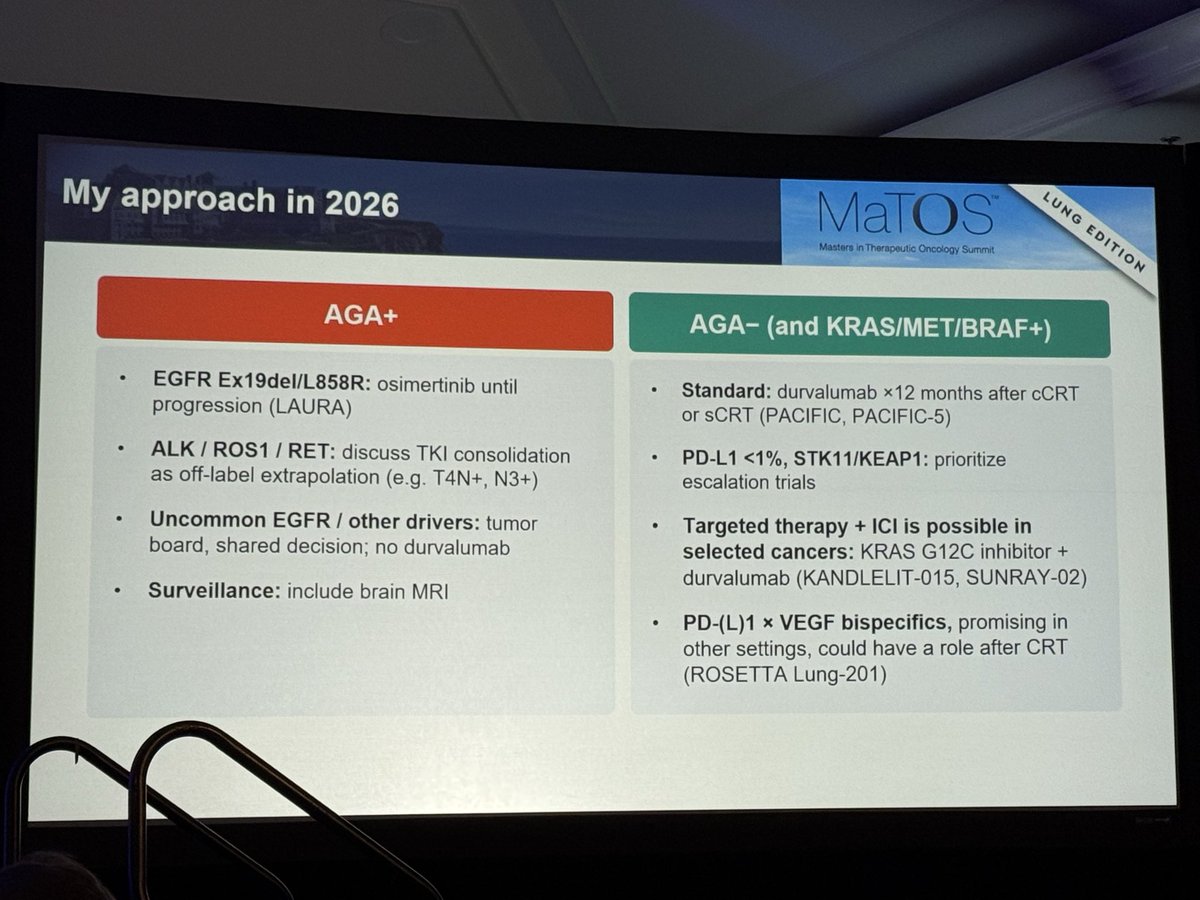
Insightful presentation by @BRicciutiMD on locally advanced NSCLC
After CRT, durvalumab is SOC for most patients, with osimertinib being SOC for EGFR-mutant disease.
Qs: Can combo or novel agents improve outcomes? Can LAURA findings be extrapolated to other driver-driven NSCLC?
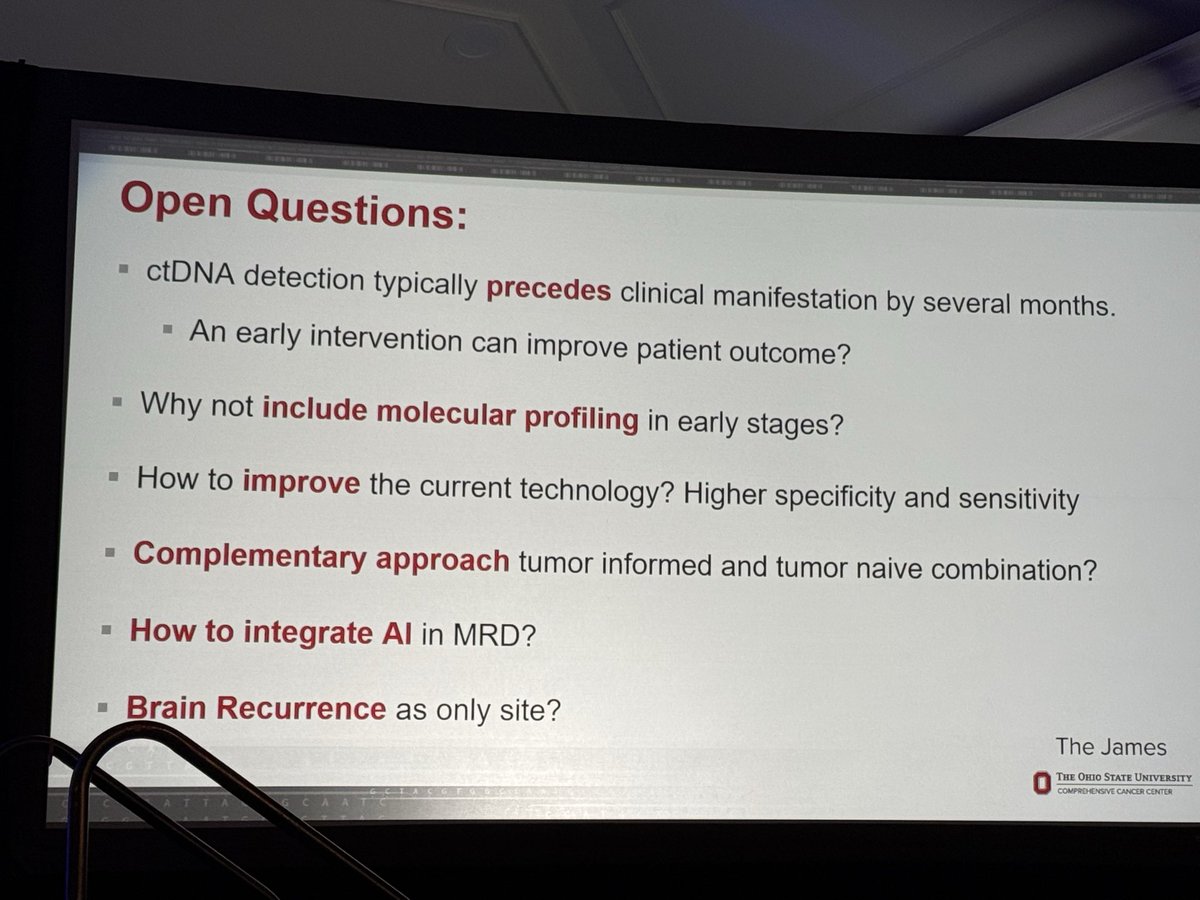
Great talk by Dr. @ChristianRolfo on ctDNA MRD in early-stage NSCLC at #MaTOS2026.
A strong prognostic biomarker.
Ongoing questions remain: sensitivity (improved over time), CNS-only recurrence, and, critically, whether MRD-guided early intervention improves outcomes.
One of my favorite meetings of the year - #MaTOS in beautiful Half Moon Bay, California.
Looking forward to engaging discussions around challenging cases and excellent lectures.
The co-chairs kick things off with welcome remarks!