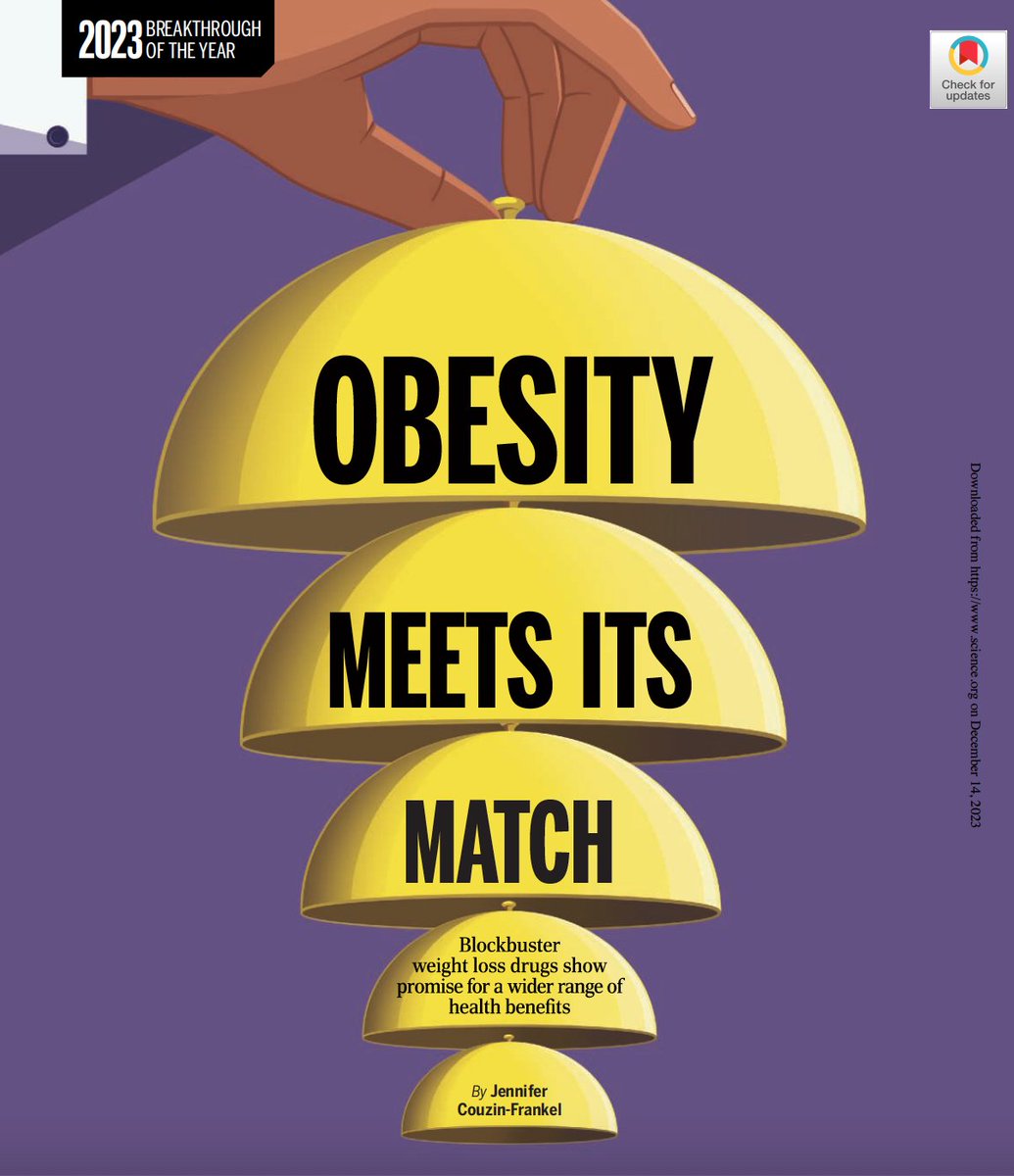
Triple-header on GLP-1 drugs (semaglutide)
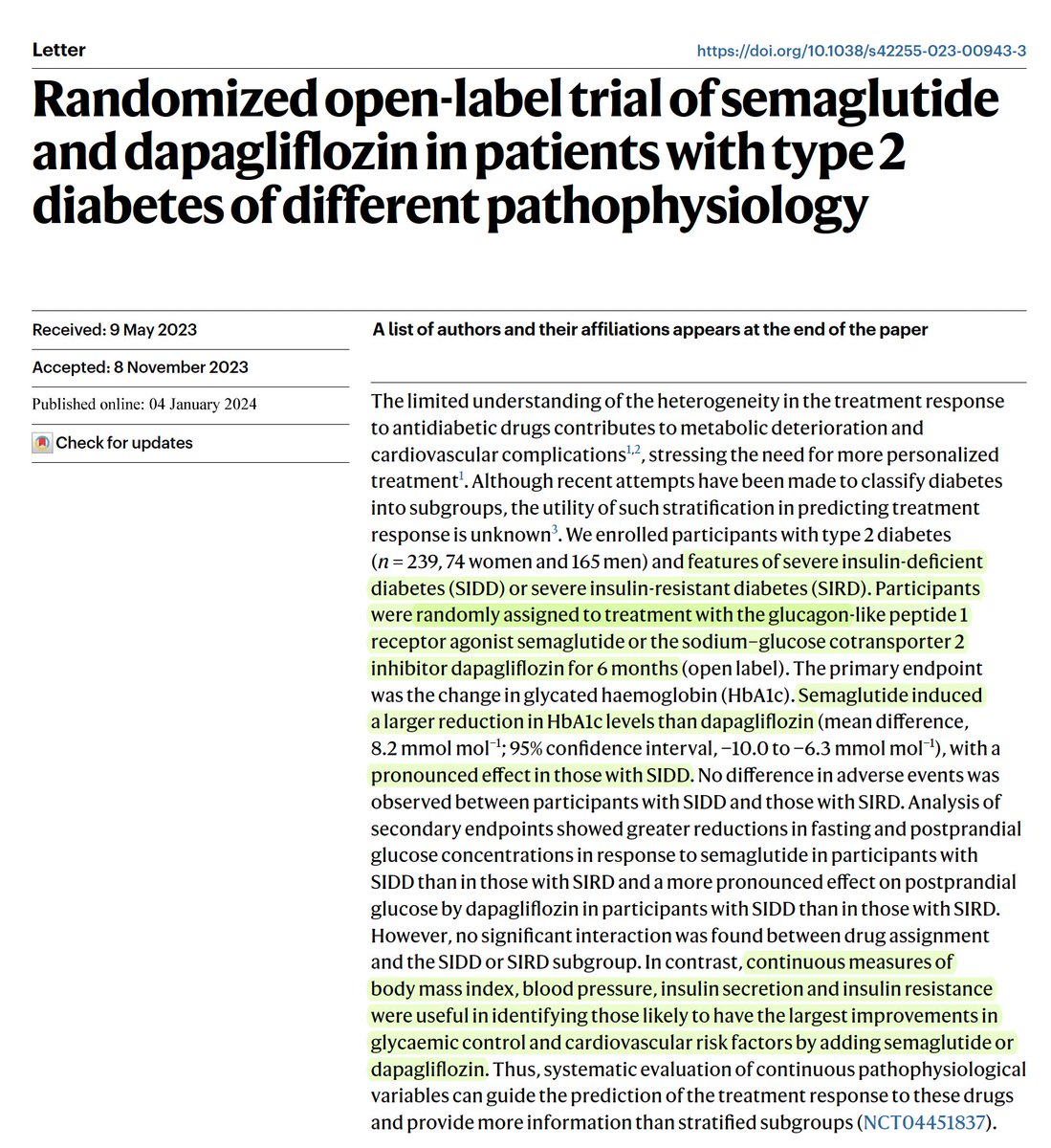
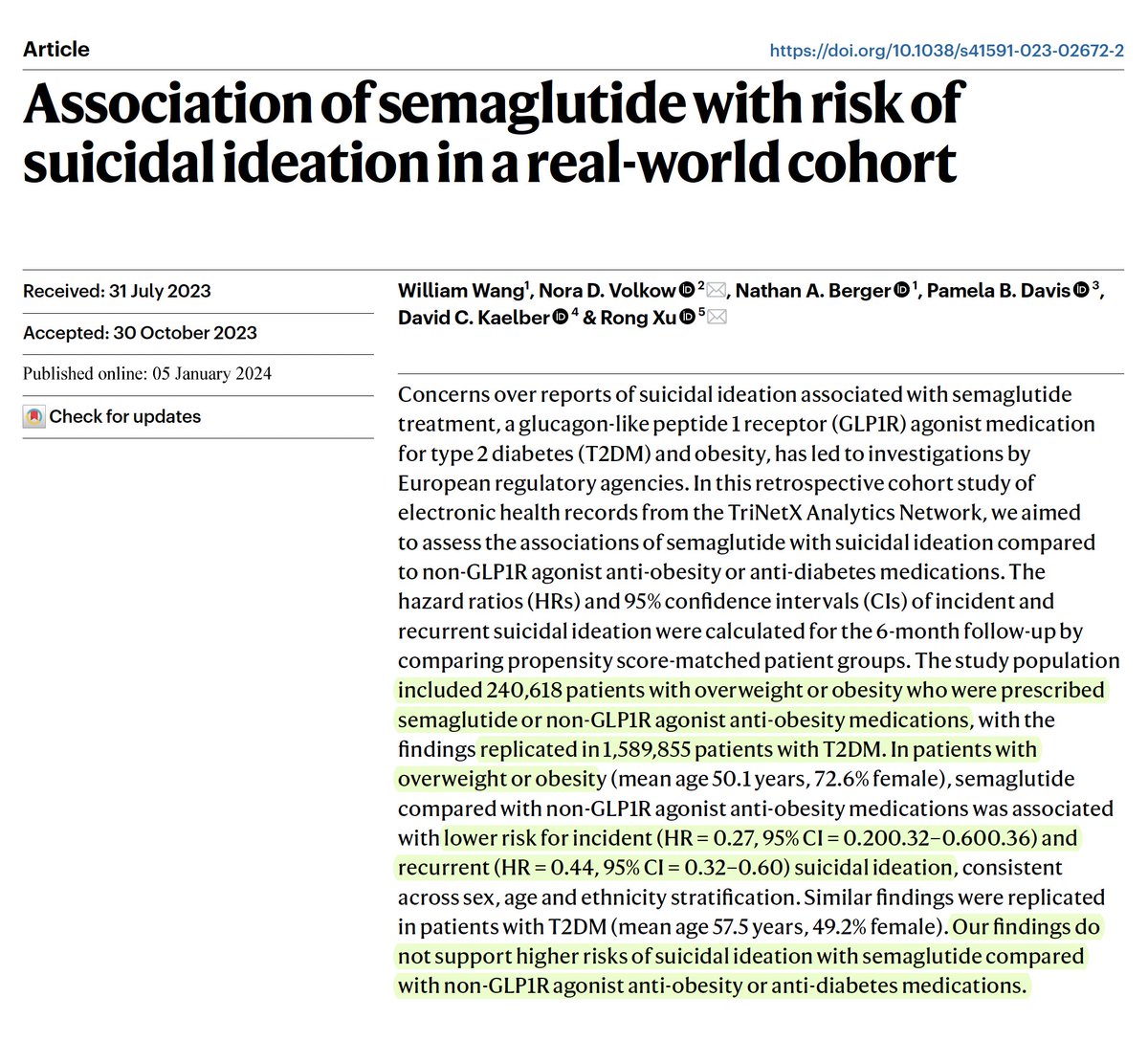
1. Is it linked w suicidal ideation?
https://t.co/rprK2aaHXx
@NatureMedicine
2. Randomized trial vs SGLT2 blocker for diabetes
https://t.co/aoeNpHz7UT
@NatMetabolism
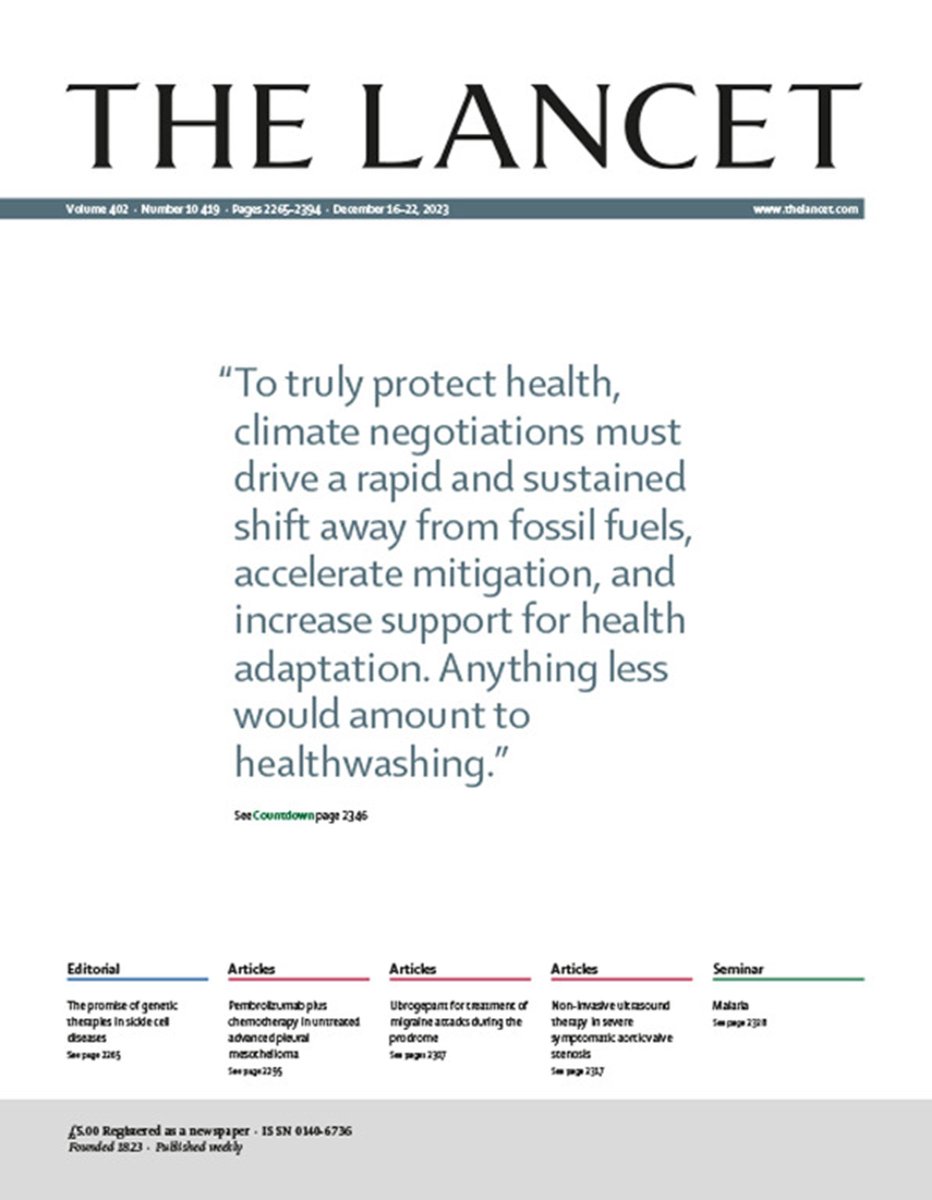
3. Editorial @TheLancet
https://t.co/KTWFqzkvhv
It's time for my year end #popsci 📚 reading wrap-up. I share these to show the wide variety of books, most from 2023, presented in categories. It was a great year for books. I could easily have a top 20 list!
This year, I read 72 science themed books, 38 written by women! 🧵
It was great to hear @VictoriaAtkins discuss #MarthasRule on @BBCr4today Thank you for elevating the voice of patients and families to keep people safe. Next steps? I’m chairing the Martha’s Rule working group in 2024@meropemills @paullaity
The evidence of a cause and effect relationship between autoimmunity to an Epstein-Barr virus protein and the risk of developing multiple sclerosis has gotten stronger
https://t.co/aBwcKtKBnm
https://t.co/prKL8jVtu1
In this blog, Jazz Sethi, Founder and Director of the Diabesties Foundation and part of the global team that developed D-Coded, discusses the need for the resource and outlines how it will help people living with diabetes to better understand and manage their condition.
🌟 Reflecting on 6 years with NHS England 🌟
Friends and colleagues,
After an incredible chapter at NHS England, the moment has come for me to switch my ‘out of office on’ and embark on a new adventure, in a new arena.
ctd/
As #COP28 negotiations conclude, an agreement for countries to "transition away" from fossil fuels has been made. But it is not enough.
On the cover, the 2023 @LancetCountdown report underscores the urgent need for action: https://t.co/rwb5HW5QOq
If you aren't hearing about problems, that doesn't mean they don't exist. More likely, it means people don't feel safe talking about them.
In this video from @StarlingTrust, we discuss what contributes to a culture of silence & how we can combat it 👉 https://t.co/SpqSEDJ9li
I gave a talk at #IHIForum on bringing social movement principles into health & care improvement. These are some of my slides:
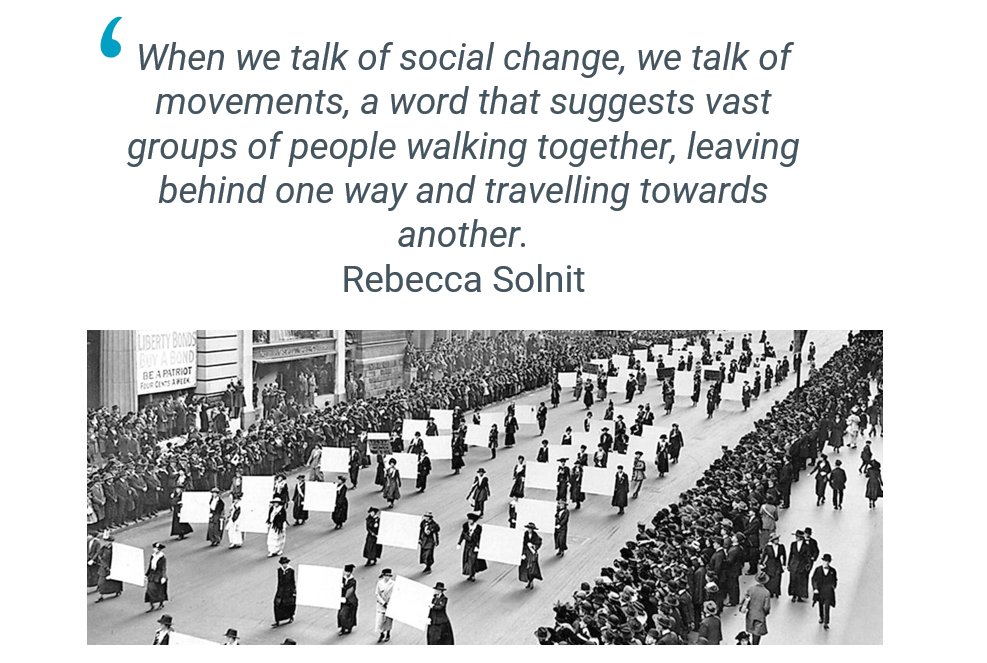
1) I love this quote from Rebecca Solnit; it epitomises why we need movement building principles, to enable big groups of people to walk together, towards a better future.
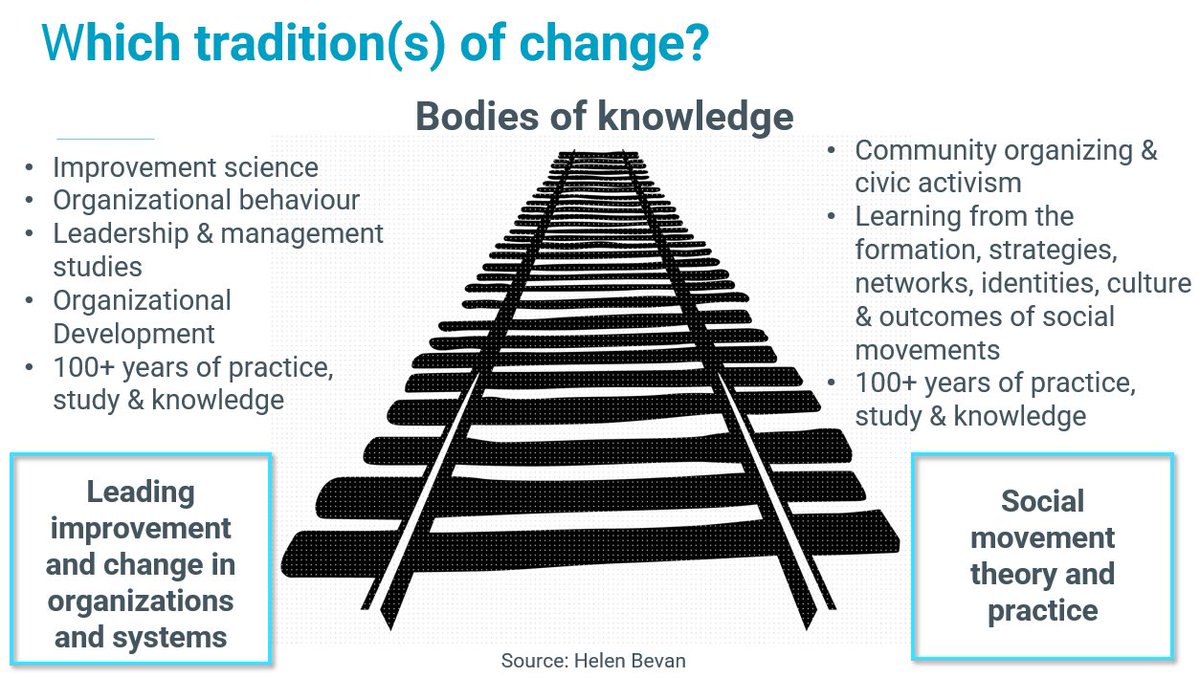
2) The bodies of knowledge that make up "Leading improvement and change in organizations and systems" and "Social movement theory and practice" each represents 100+ years of practice, study & knowledge. Yet they have been like twin train tracks, developing separately. It is only in recent years that the thinking has started to come together, mostly because of the need for the organisational world to develop more relational approaches to large scale change.
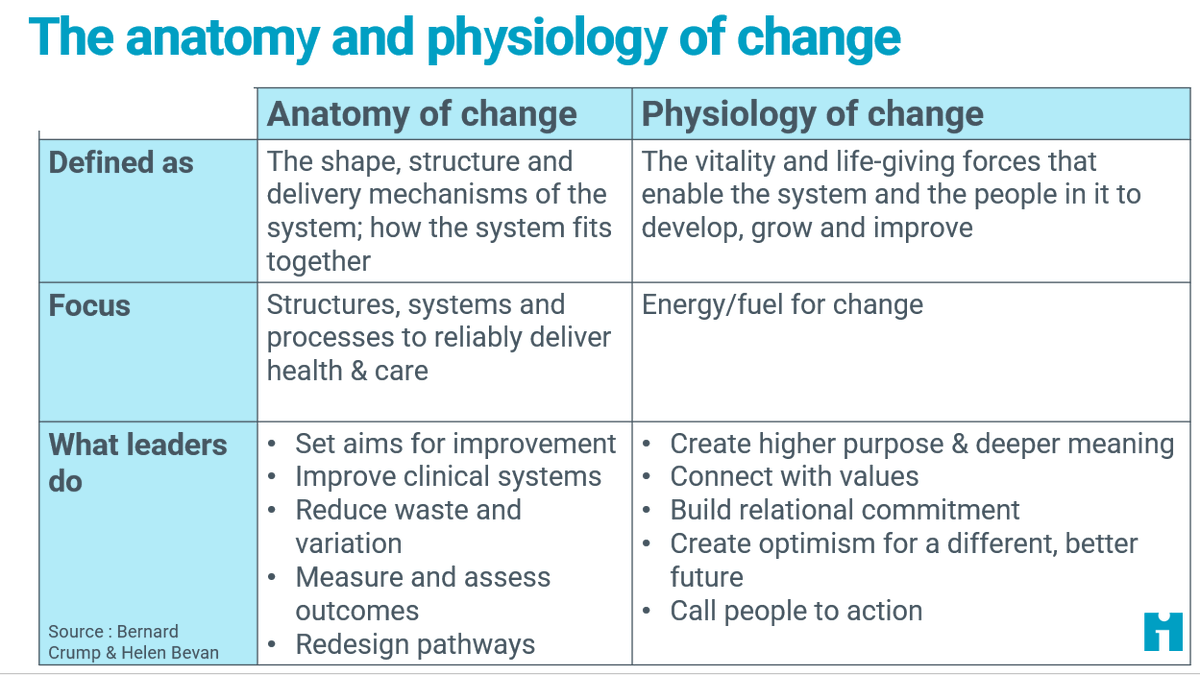
3) It is helpful to think about the "anatomy" and "physiology" of change. Social movement approaches can help to build fuel/energy for change.
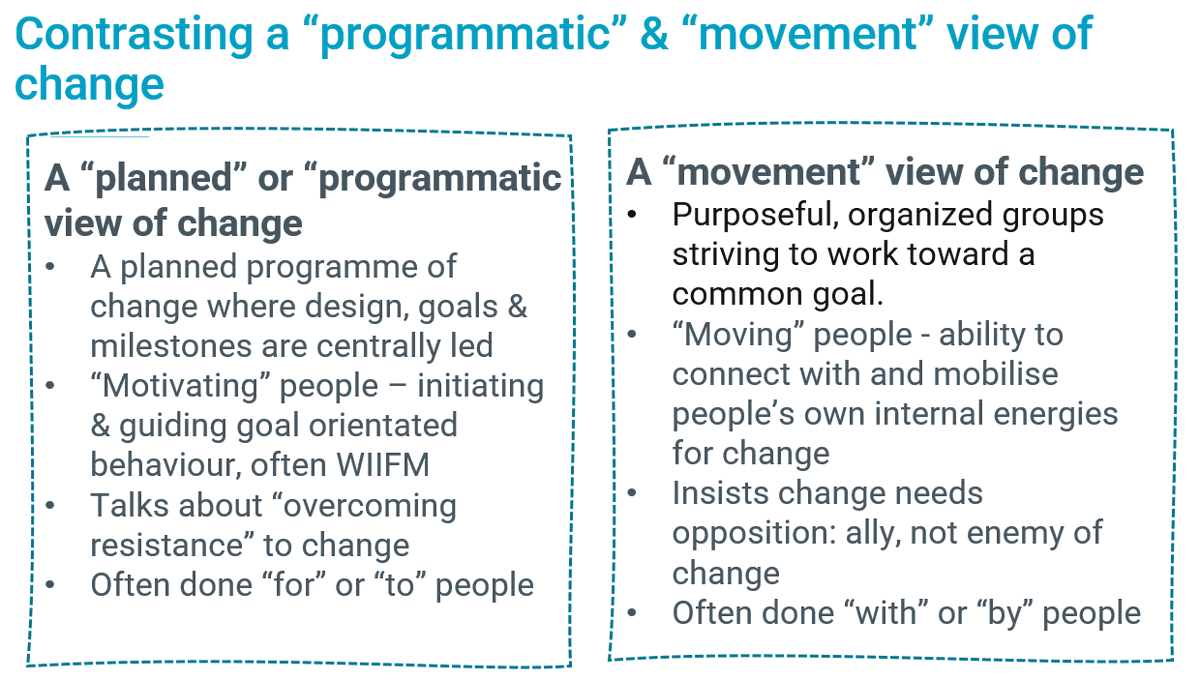
4) Appreciating that binaries have their limitations, this slide seeks to contrast a "programmatic" and "movement" view of change. We can build a programmatic approach with movement principles.
@TheIHI
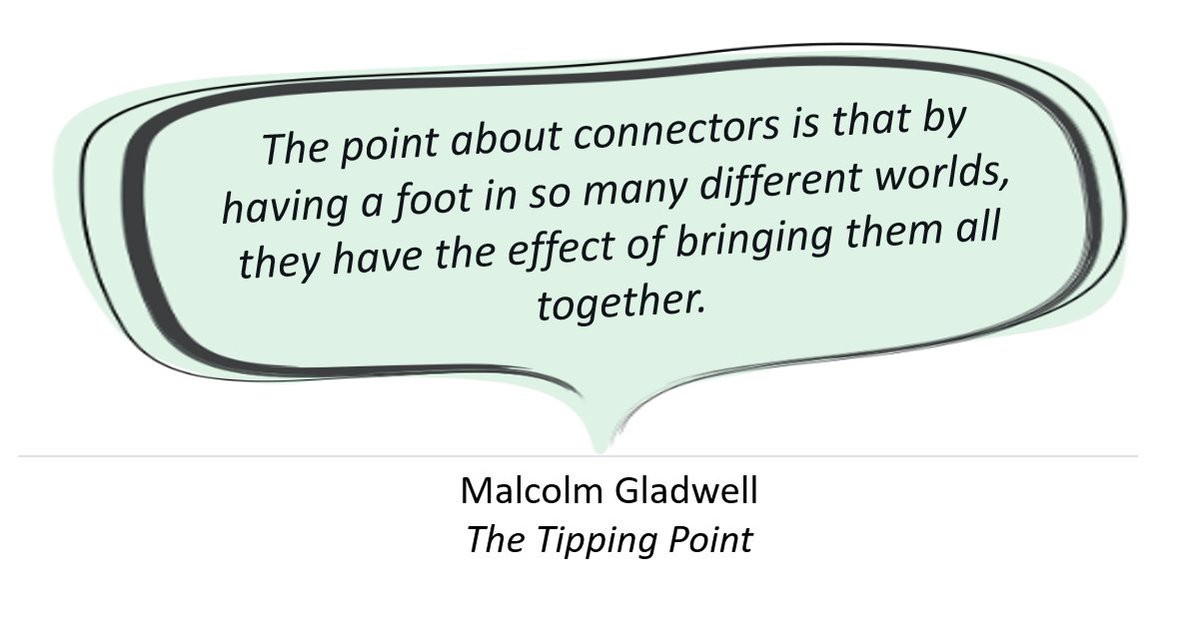
In praise of "connectors" in organisations & systems. Connectors are people with links to many others in different groups. They are often unnoticed & underappreciated, yet they play a vital role in change across systems: crossing silos, disseminating information & mobilising people into action. As we increasingly move into complex change across integrated systems we need more connectors: https://t.co/v6hEXAhGPm By @PaulIanTaylor #IHIForum
This research demonstrates the urgent need for better data on patient safety and the need for it to include data coming directly from patients themselves
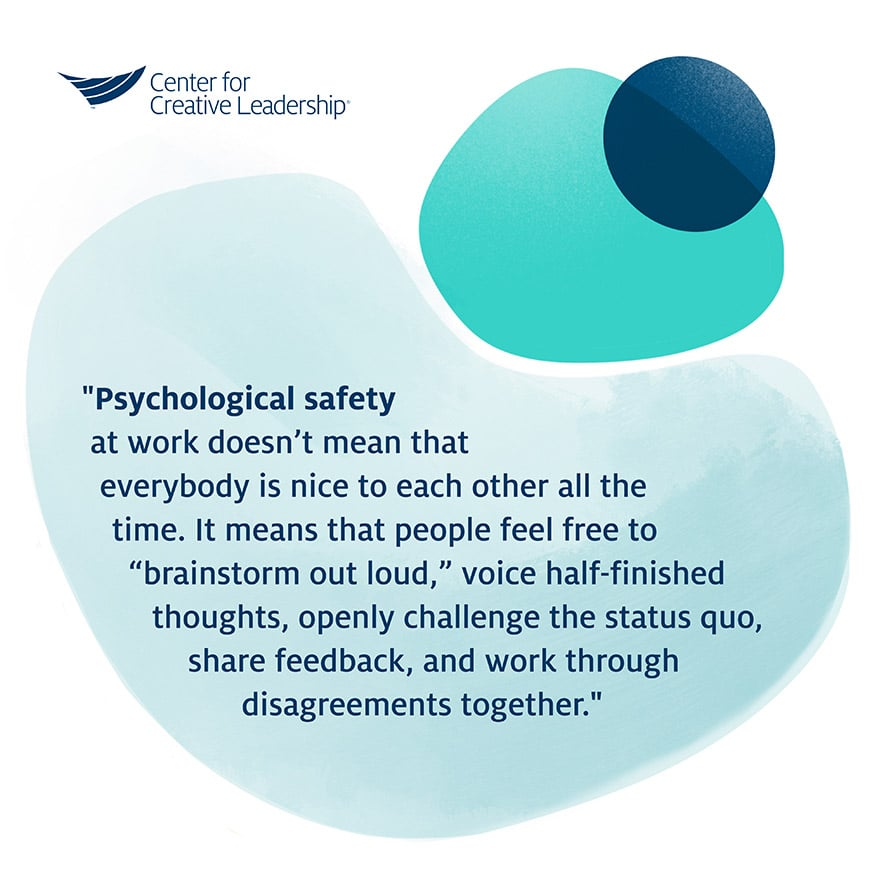
Research by @CCLdotORG found teams with high degrees of psychological safety reported higher levels of performance & lower levels of interpersonal conflict. They also found that senior leadership teams reported the greatest differences in their perceived levels of psychological safety: it means that senior teams are the place where creative problem solving is most likely to be squashed & teams fail to collaborate & innovate together to their full potential. They suggest 8 steps for leaders to help create a more psychologically safe workplace:
1. Make psychological safety an explicit priority
2. Facilitate everyone speaking up
3. Establish norms for how failure is handled
4. Create space for new ideas (even wild ones)
5. Embrace productive conflict
6. Pay close attention and look for patterns
7. Make an intentional effort to promote dialogue
8. Celebrate wins
https://t.co/dEIKENNiY6
Only 26% of leaders have the skills to create psychological safety for their teams (research by McKinsey). It's tricky for leaders. Often we want the best of both worlds: all voices heard & failure acknowledged/learned from. But leaders also want harmony, comfort & a sense of equilibrium. So many leaders end up creating a false "performative" version of psychological safety. Strategies for creating an environment that welcomes dissenting voices & makes them safe: https://t.co/S3yRVJrIUr By @RonCarucci
It was a pleasure to share some of the great nursing led improvement stories @CNWLNHS@CNWLImprovement at RNOH conference and to see how they are also driving improvement too #appreciationandcelebration of nursing staff
In our change & improvement efforts, we typically focus on what we want to start to do, or do more of. We find it harder to stop doing things. Researchers conclude that people systematically overlook subtractive (do less of) changes & are missing an opportunity. @corp_rebels say we should a) remind people & b) bake subtraction into everyday work: https://t.co/X61Snh2cQe. Here's a toolkit on strategic subtraction for meetings from @asana: https://t.co/iQ9bZDdCYD. Graphic: @FerraroRoberto