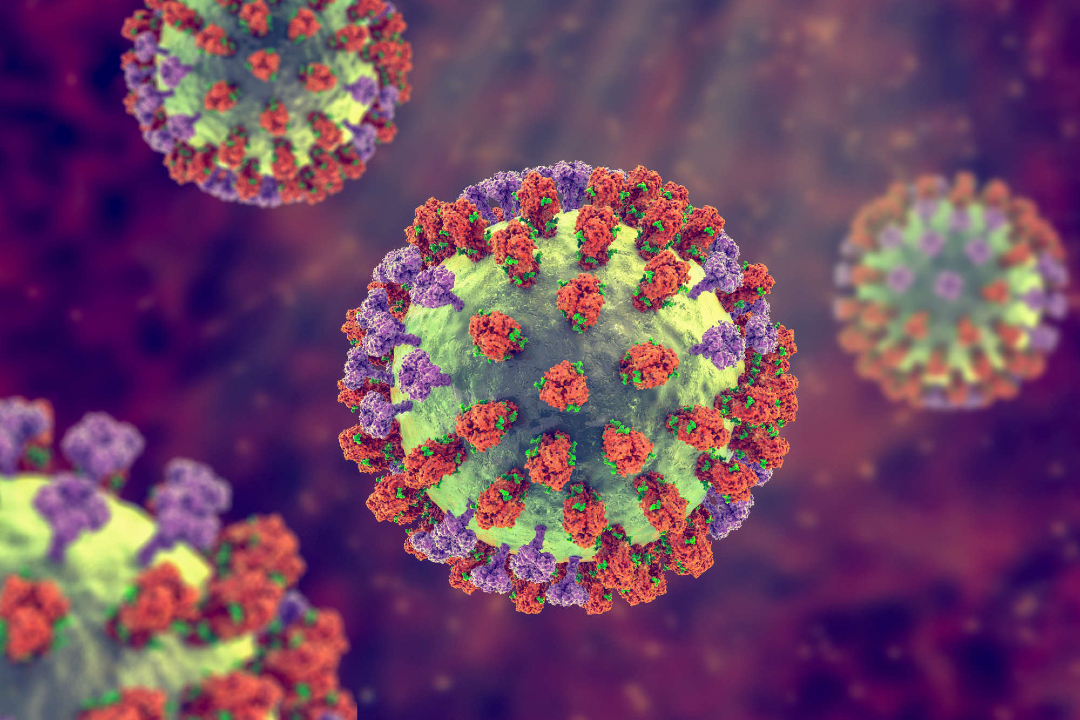
(1/5) Gain-of-function research involves altering organisms to study risks and benefits, especially for pandemic threats. Its value and risks are widely debated.
25 years after the Human Genome Project draft, we're in a "post-genomic" age.
This era asks deeper questions about biology, blending genomics with environmental and social factors to tackle challenges like health disparities.
#opinion from @big_data_kane
https://t.co/WgFcQQ7GRR
"The 2024 Nobel Prizes teach us that the coming age of the machines won’t only affect our daily chores or how we entertain ourselves. The algorithms are now a fundamental feature of scientific discovery."
New for @undarkmag
https://t.co/3HjSzF7d6o
Join us for the NCSWA Holiday Party on Dec. 4! We'll be 'Making Sense of Scents' at the STEM Kitchen + Garden with UCSF's @AashishManglik & John Crimaldi of @Odor2Action. Reserve your spot: https://t.co/aai8eKgIhW
New analysis finds over 20% of nursing home residents receive antipsychotic medications, raising concerns about potential misuse as "chemical restraints" for dementia patients. https://t.co/VzAoo4gztd
Opinion: The "research parasite" debate of 2016 finds new relevance in the era of AI. How do we balance data democracy with ethical concerns over AI's use of freely available information? More from @big_data_kane: https://t.co/CoEQ5pOosV
The Human Genome Project is often compared to the achievement of putting humans on the moon. But the circumstances underlying the achievement are dogged by questions of ethics. If you were involved, or have a story to tell, contact us at [email protected].
https://t.co/h6BzUxa4IB
🚨 Starting in July 2024, I am the author of a new (~) monthly column for @undarkmag, called SELECTIVE PRESSURE.
In it, I explore "the collisions of science, culture, and belief."
https://t.co/gdArQufUkl
Are lingering microclots to blame for #LongCovid symptoms? Researchers propose a controversial theory, but many experts remain skeptical.
Read more from Undark senior contributor Charles Schmidt: https://t.co/vkkxZHeVBI
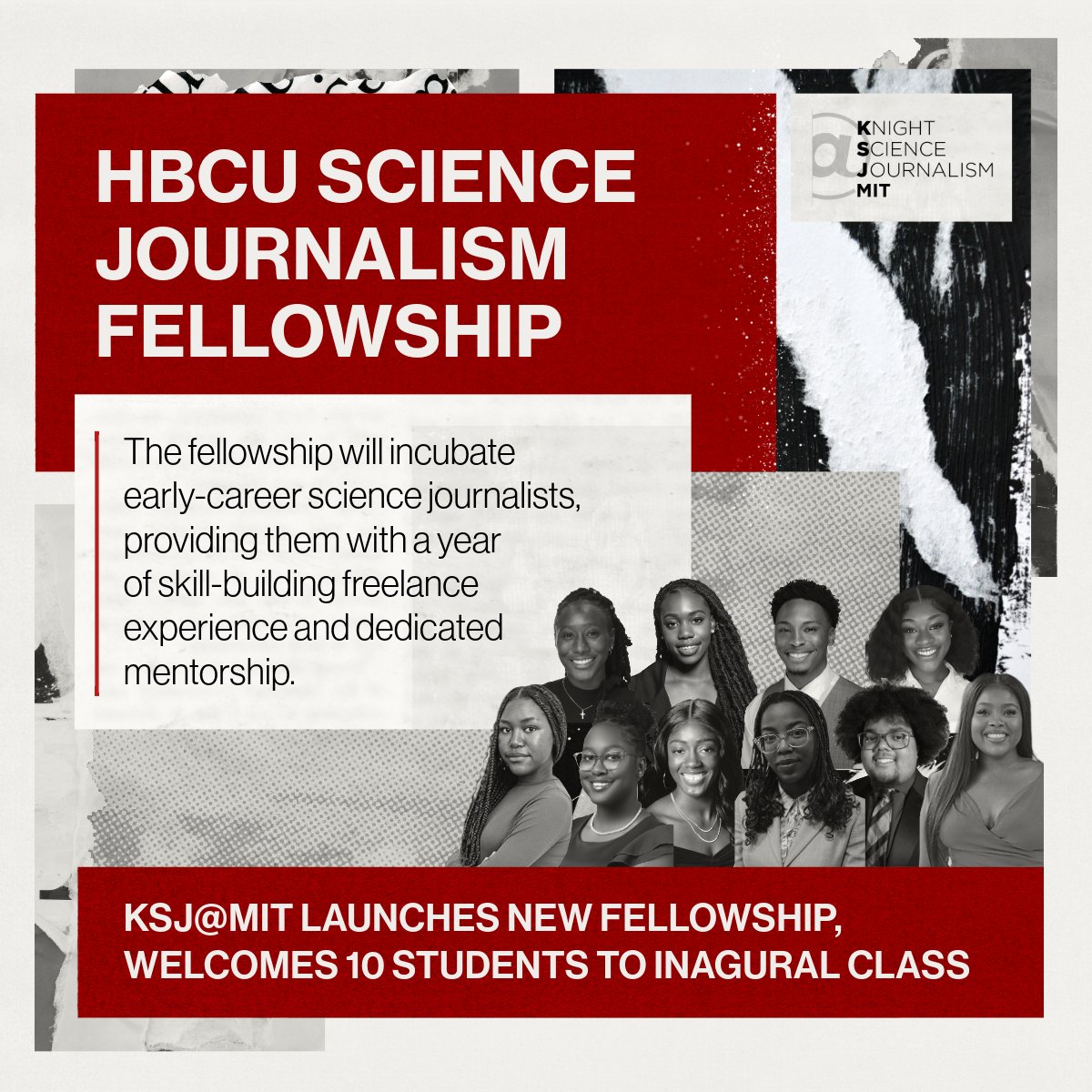
KSJ is thrilled to announce our new fellowship program! The HBCU Science Journalism Fellowship which will provide students with training, mentorship, and early career support to do reporting on science, health, and environmental issues. https://t.co/EYQgNeAhWV
The @EPA plans to set new limits for #PFAS in drinking water. Utilities are worried that meeting the limit will prove nearly impossible. #environment
https://t.co/RBcqxTx1Mr
Undark Senior Editor Ashley Smart has won the Gold Award for In-Depth Reporting in this year's @AAASKavli Science Journalism Awards for his eye-opening writing on genetics and racial myth-making!
▶️ Read the feature article by @ashleythesmart here: https://t.co/LM771jDvGw
We are living in troubled times and the competition for attention and emotional space is stiff. Still, I'd like to invite you to visit a truly masterful piece of journalism of a different sort, with some thoughts on why I think it's important. 1/14 🧵
https://t.co/lhAVxguuBQ
Ocean scientist Christopher Reddy, who has spent decades researching the impact of oil spills and working with the media in the aftermath of environmental crises, offers some guidance to help scientists better navigate their interactions with journalists. https://t.co/GnzXDSySk0
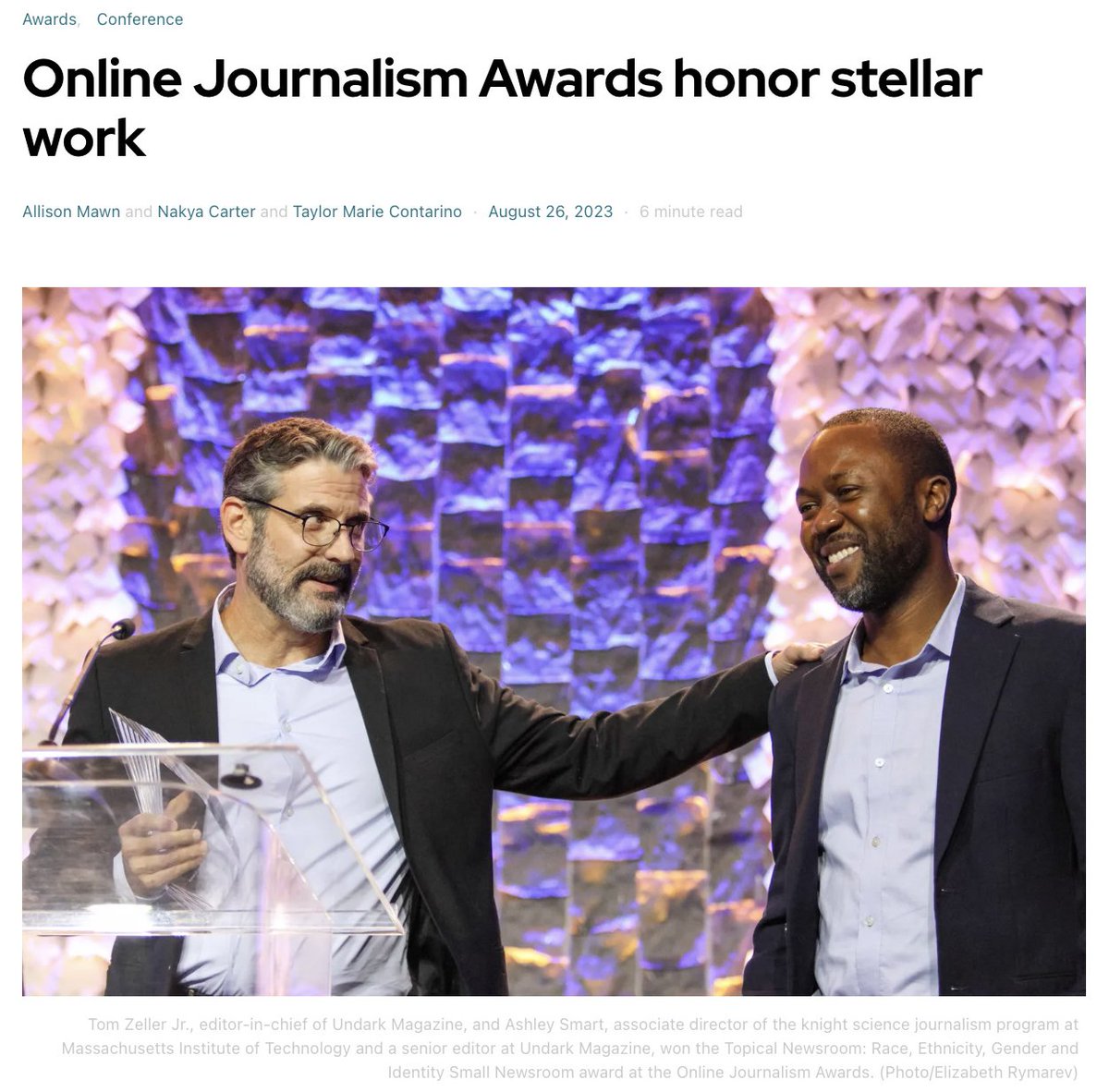
I'm just so proud of @undarkmag and @ashleythesmart. Thanks to @ONA for recognizing this work, and congrats to all of the #ONA23 nominees and winners.
If you haven't explored https://t.co/TGkms47RyU, you're missing out on some powerful #journalism.