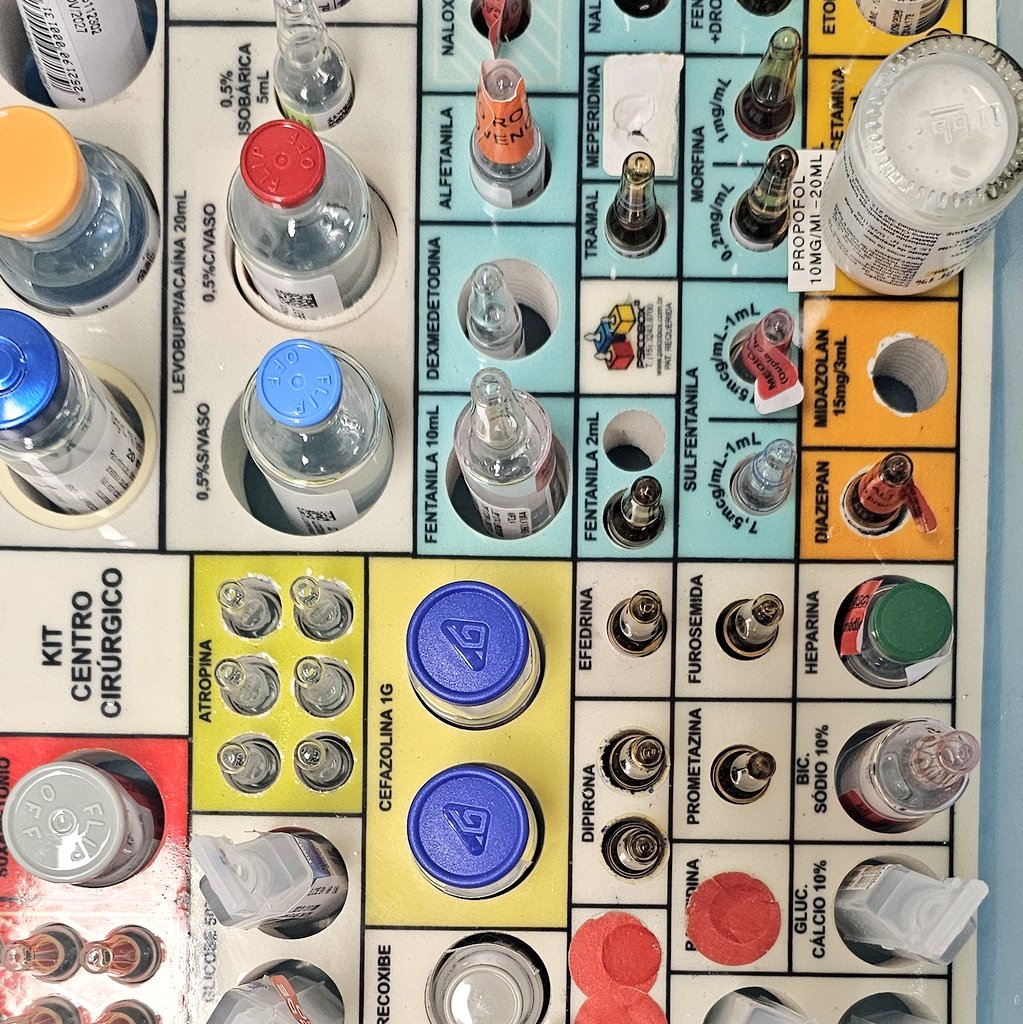
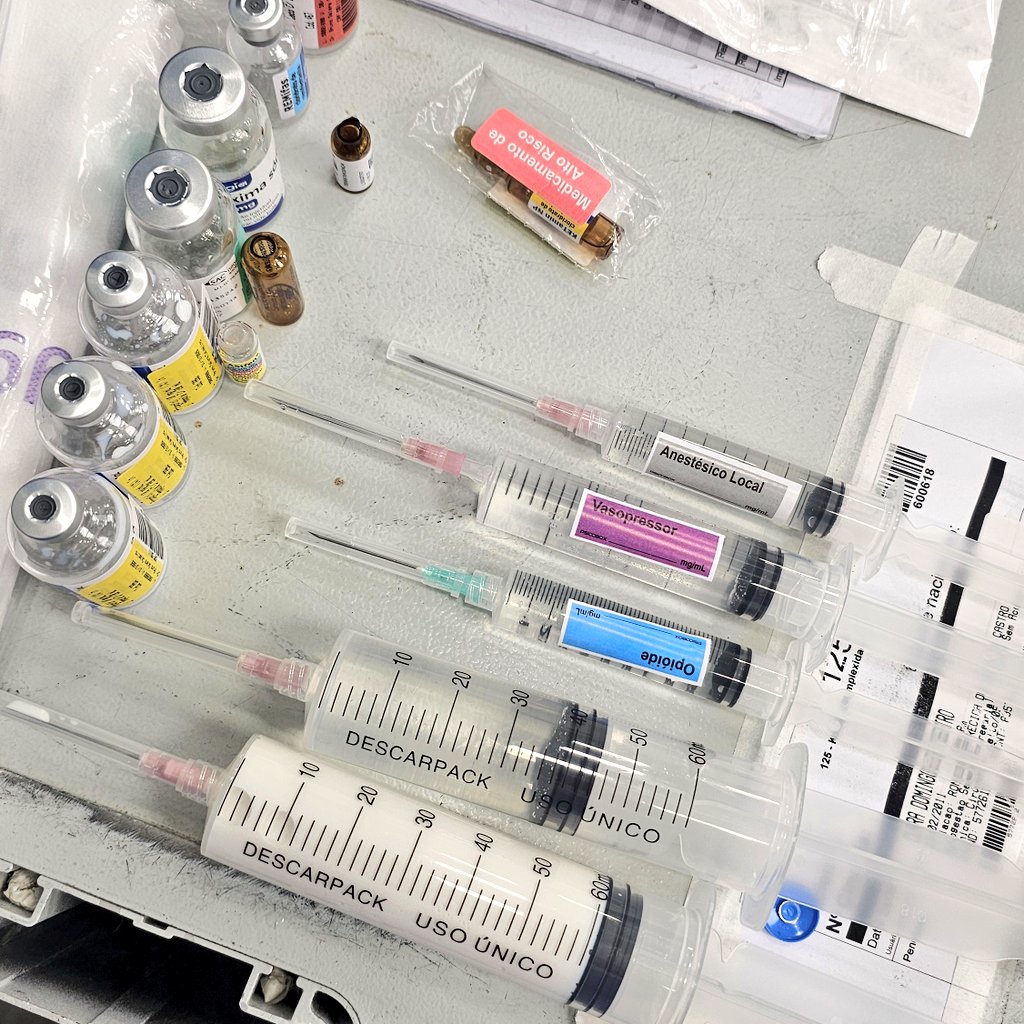
a residente da gineco saindo chorando de campo pq levou chapisco e eu e o meu chefe do outro lado da cortina assim escolhendo o que vamos jantar nesse plantão pqp imagina NÃO fazer anestesia
nothing was more unnecessary than the rape of sansa. not in the books at all and the writers waited til sophie turner turned 18 and made her think she was getting a love interest only to tell her she's gonna have to act out a rape scene instead.
I attended a 6-hour brain surgery today as an anaesthesia resident.
As the neurosurgeons opened the skull with a saw and operated for 6 hours, the patient lost about 1 litre of blood (humans have only around 5 litres total).
To maintain blood volume and pressure, we administered 4 units of packed red blood cells, 3 units of fresh frozen plasma, 4 units of Ringer’s lactate, 2 units of Plasmalyte, and 1 unit of hydroxyethyl starch.
That’s about 6 litres of fluid in a 6-hour surgery. Anaesthesiologists are no less important than surgeons.
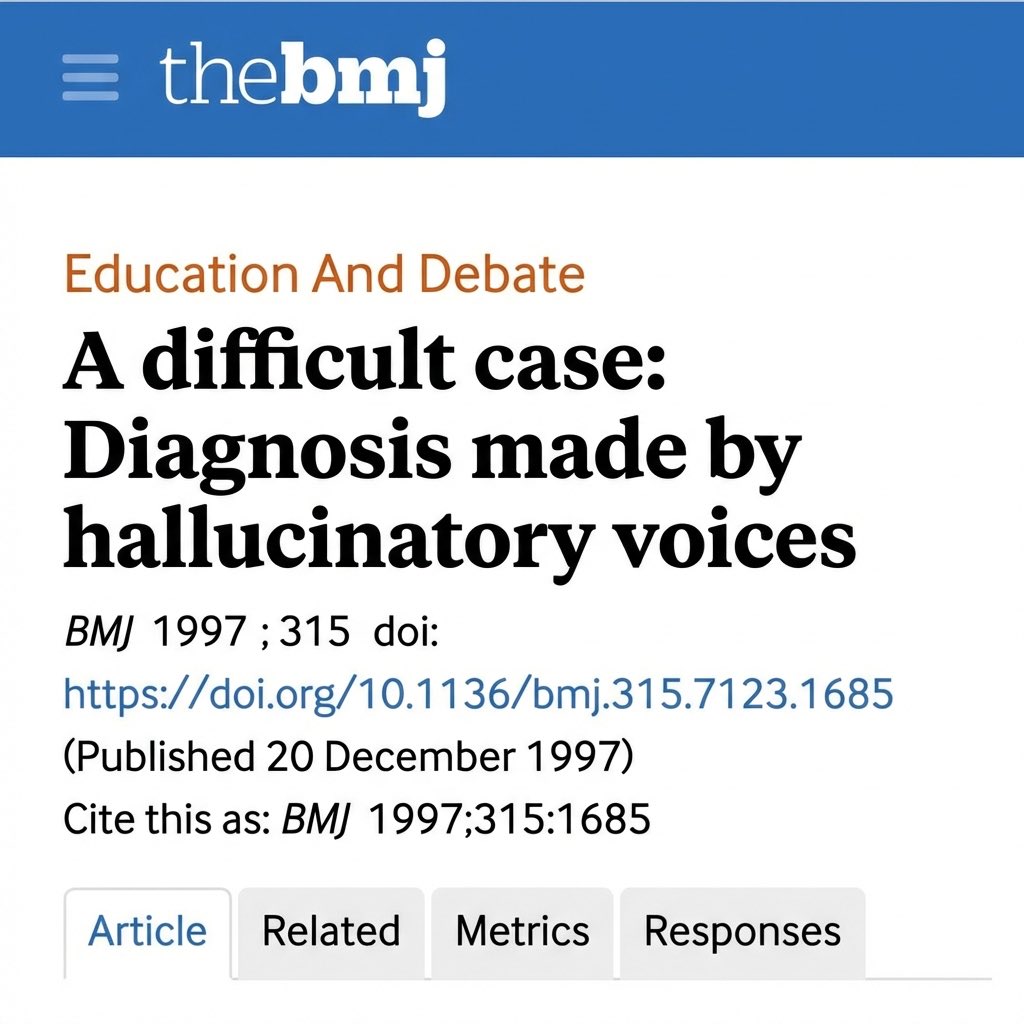
Diagnosis made by hallucinatory voices
This is one of those medical cases that sounds unreal, but actually happened.
A middle-aged woman, previously completely healthy, suddenly began hearing voices inside her head. She had no history of mental illness, rarely visited doctors, and lived an ordinary life as a wife and mother.
One winter evening in 1984, while sitting at home reading, she heard a calm, clear voice say:
“Please don’t be afraid. We want to help you.”
The voice claimed that it and another voice had once worked at Great Ormond Street Hospital and wanted her to get medical help. The woman had never been there and had no reason to think about hospitals, which made the experience terrifying.
To convince her they were “real,” the voices told her three specific facts she didn’t know. When she checked, all three turned out to be true.
Instead of feeling reassured, she became convinced she was losing her mind.
Panicked, she went to her doctor and was urgently referred to a psychiatrist.
At the psychiatric clinic, she was diagnosed with a hallucinatory psychosis, meaning she was hearing voices without an external source. She was started on an antipsychotic medication called thioridazine.
Within two weeks, the voices stopped.
Relieved, she went on holiday, believing the problem was over.
But while abroad, still taking her medication, the voices returned.
This time, they were urgent.
They told her something was seriously wrong and that she must return to England immediately. They gave her a specific address and told her to go there.
When she arrived back in London, her husband drove her to the address, just to prove to her that it was “all in her head.”
The address turned out to be the CT scan department of a large London hospital.
The voices told her:
- She had a brain tumour
- Her brainstem was inflamed
- She needed a brain scan immediately
Because the voices had previously given correct information, she believed them, and was extremely distressed.
To reassure her, her psychiatrist requested a CT scan of the brain, clearly stating that there were no physical signs of a brain tumour and that the scan was mainly for reassurance.
The request was initially rejected as unnecessary.
Eventually, the scan was done.
The result was shocking.
It revealed a large tumour in the brain, specifically a left frontal parafalcine meningioma, a type of slow-growing brain tumour arising from the brain’s protective coverings.
Despite its size, she had:
- No headaches
- No weakness
- No speech problems
- No neurological deficits
The tumour was quietly sitting there.
Neurosurgeons discussed whether to wait or operate immediately. Surgery was chosen.
The tumour, measuring about 2.5 × 1.5 inches, was completely removed.
When the woman woke up from anesthesia, she later reported hearing the voices one last time:
“We are pleased to have helped you. Goodbye.”
The voices never returned.
Her antipsychotic medication was stopped immediately. She had no hallucinations, no delusions, and no psychiatric symptoms after surgery.
Why this case is so fascinating:
Doctors have long known that brain tumours can cause psychiatric symptoms, including personality changes, depression, or hallucinations.
But this case was extraordinary because:
- The voices were calm and reassuring
- They gave specific medical instructions
- They directed her to the right hospital
- They disappeared permanently after tumour removal
Some people believed it was something paranormal.
Others suspected fabrication.
Most clinicians agreed on a simpler explanation:
➡️ The tumour likely caused subtle brain changes that expressed themselves as hallucinations, and once the tumour was removed, the symptoms vanished.
The takeaway 👇
This case reminds us that:
- Mental symptoms can sometimes have physical causes
- Brain tumours don’t always cause pain or weakness
- The brain can send distress signals in unexpected ways
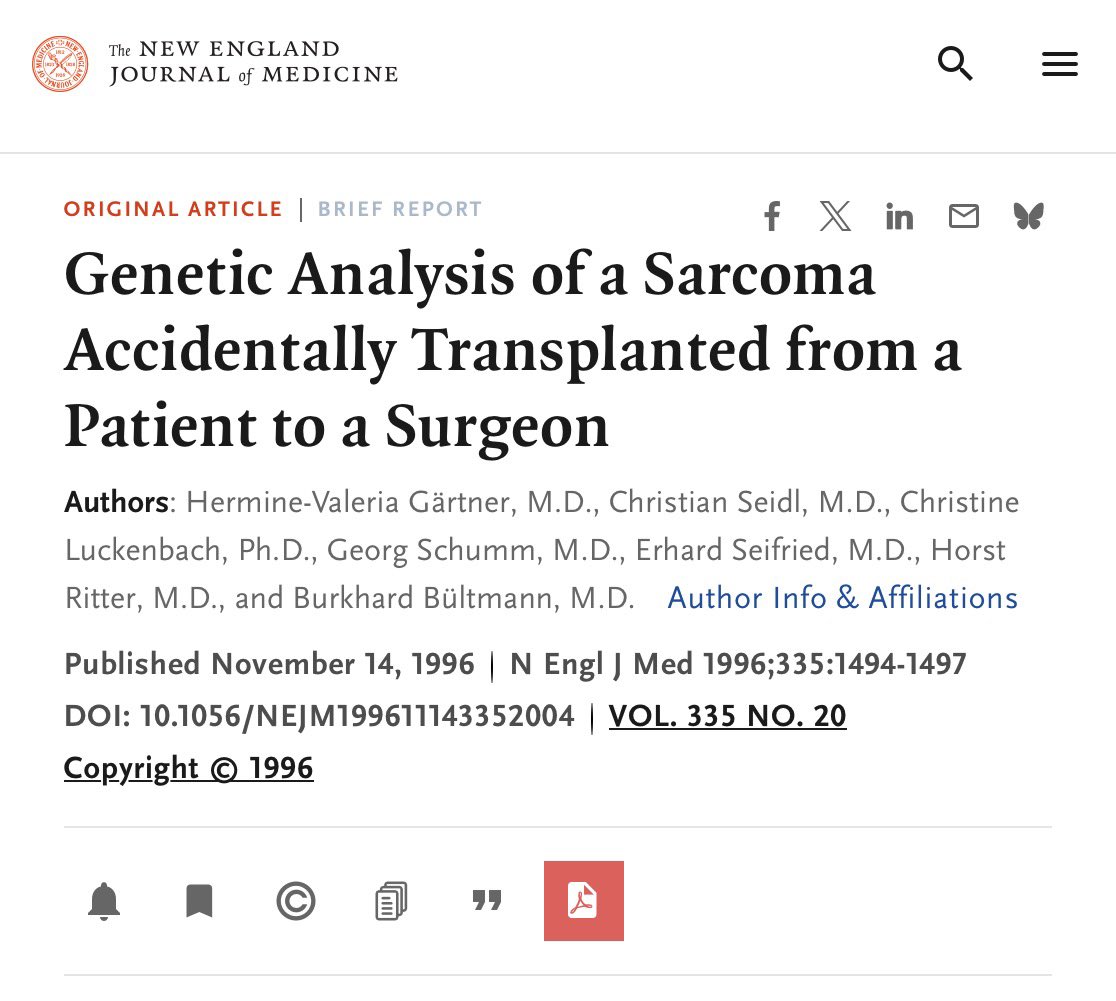
A rare case where a surgeon accidentally developed his patient’s cancer
Cancer is not considered contagious. If cancer cells from another person enter your body, your immune system is supposed to destroy them.
But in very rare situations, biology doesn’t follow the rules.
A 32-year-old man underwent emergency surgery for an aggressive soft-tissue cancer called malignant fibrous histiocytoma. Sadly, he died shortly after the operation due to complications.
During the surgery, the 53-year-old surgeon accidentally injured the palm of his left hand while placing a drain. The wound was small, immediately cleaned, and properly dressed. No one thought much of it.
Five months later, the surgeon noticed a hard lump growing at the exact spot where his hand had been injured. It slowly enlarged to about 3 cm, roughly the size of a large coin.
The lump was surgically removed.
The diagnosis was shocking.
It was malignant fibrous histiocytoma, the same rare cancer the patient had.
The surgeon was otherwise healthy. Tests showed no immune deficiency. So how could this happen?
The DNA answered the question
Pathologists compared both tumors under the microscope and found them to be identical in appearance. But the real proof came from DNA testing.
Using genetic markers and HLA typing (a way of identifying tissue origin), doctors showed that the tumor in the surgeon’s hand carried genetic material from the patient.
This meant only one thing:
👉 The cancer had been accidentally transplanted from patient to surgeon during surgery.
Cancer cells likely entered through the small hand injury and managed to survive long enough to form a tumor.
Fortunately, the tumor was completely removed.
At two-year follow-up, the surgeon was healthy, with no recurrence and no spread.
Why this case is so remarkable:
This case does not mean cancer spreads through touch or casual contact. It shows that direct implantation of living cancer cells, under very specific conditions, can rarely lead to tumor growth, even in a healthy person.
It’s a rare exception that reminds us:
- Cancer isn’t contagious, but biology has loopholes
- The immune system is powerful, not perfect
- Medicine still encounters situations that challenge long-held beliefs
In terms of model and texture fidelity, undeniably the JW films cgi is better
But in terms of how well they're integrated and used, the first 3 movies are better. Something about the lighting makes them look real. Plus they're only used for shots impossible for an animatronic