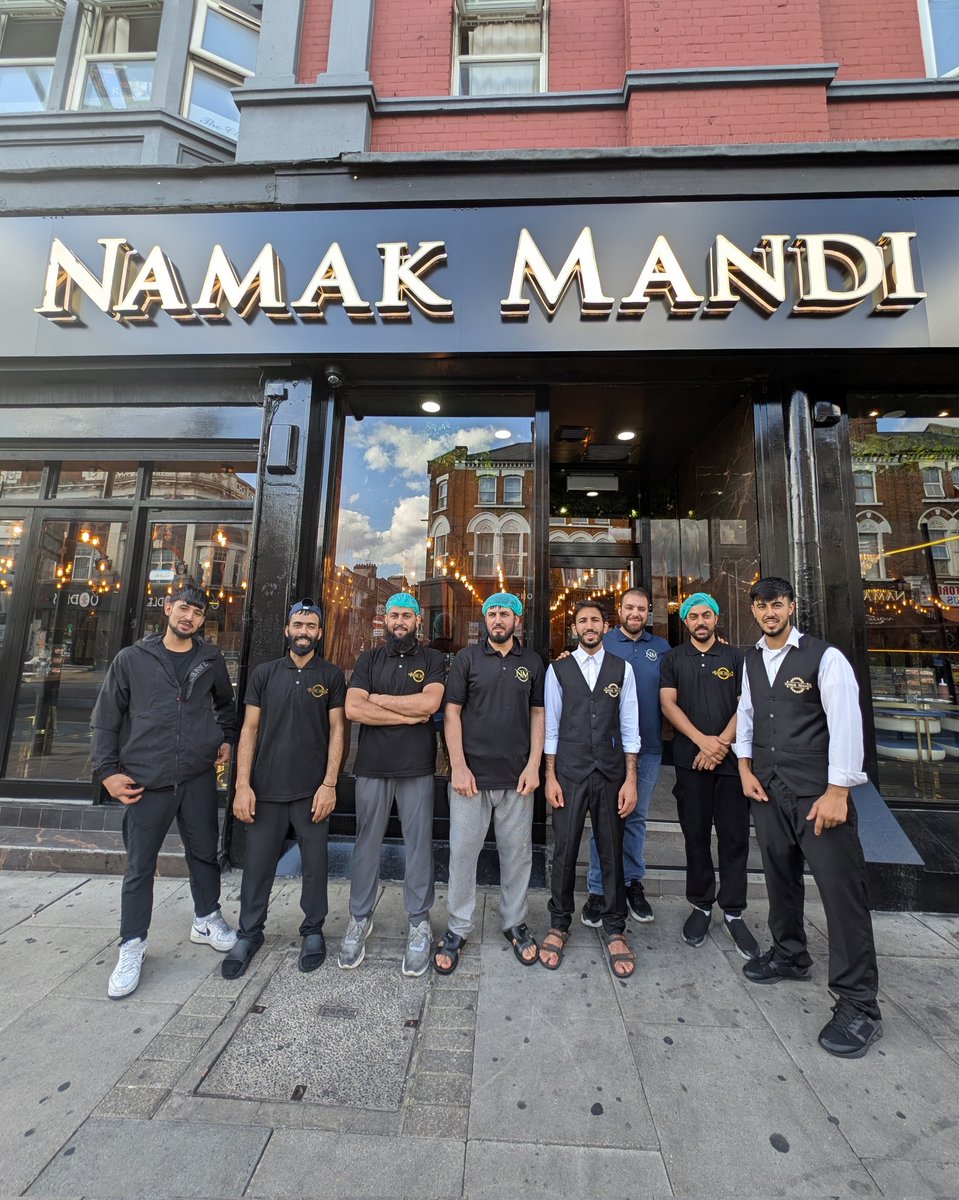
EXPANDED IN #TOOTING: Namak Mandi has a new branch at 26a Upper Tooting Rd, serving Peshawari & Afghan food, in addition to their existing restaurant at number 25!
All food halal, veggie options available. Strictly no alcohol. More info: https://t.co/QMekUcMcO2
My VC haters are getting desperate. One leaked our financials to the press.
Does he.. think this makes us look bad 😆
Why the hate?
Maybe it’s because I beat their returns in my spare time.
Or maybe because I’m not the compliant type they expect to stay in their lane.
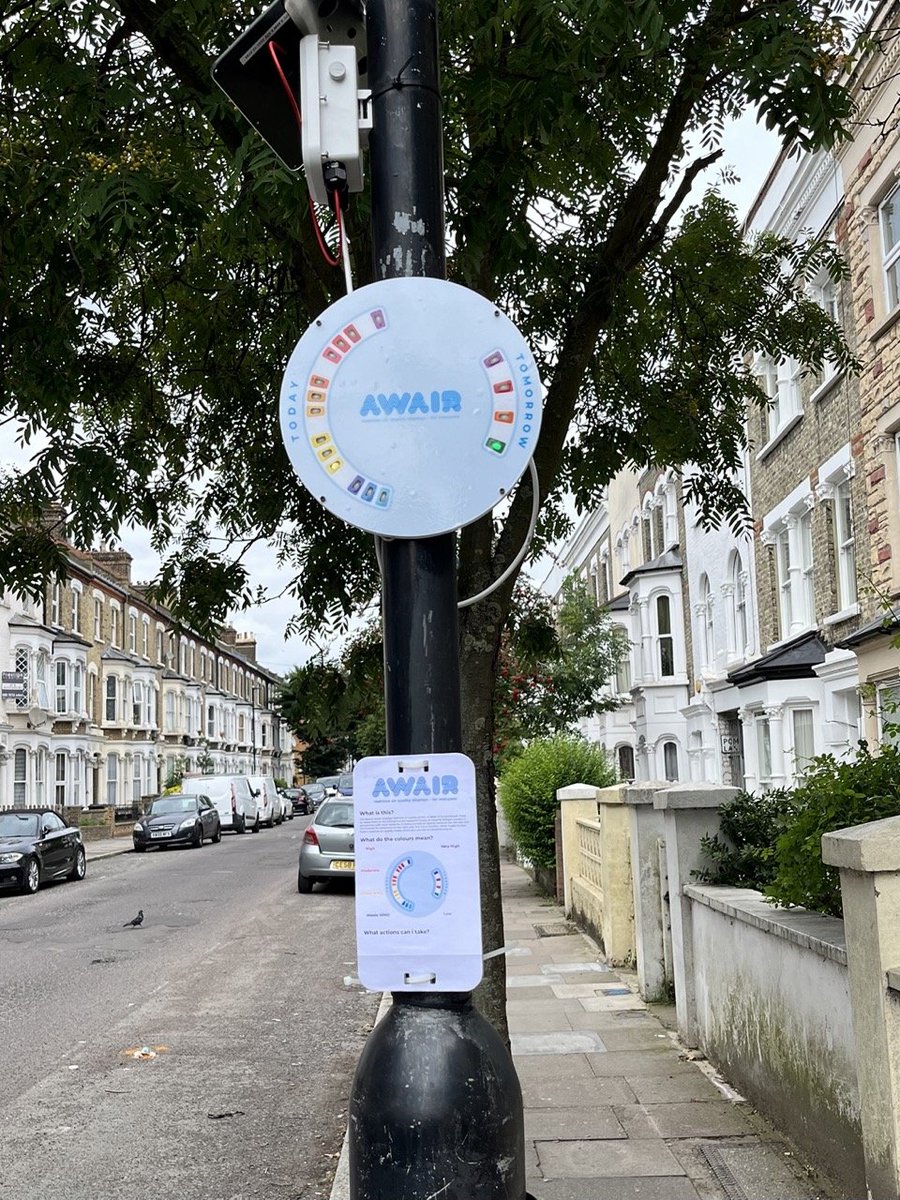
SPOTTED: New ‘AWAIR’ displays in #WhiteCity👀
They show real-time air pollution data from our ‘Better Air, Better Health’ partners at Imperial College London.
Share your views on the displays. Take the survey by 31 July for a chance to win £50 prizes: https://t.co/W6iiNELTTU
ChatGPT psychosis is rare if you know how it works.
“How GPT works” should be a required subject.
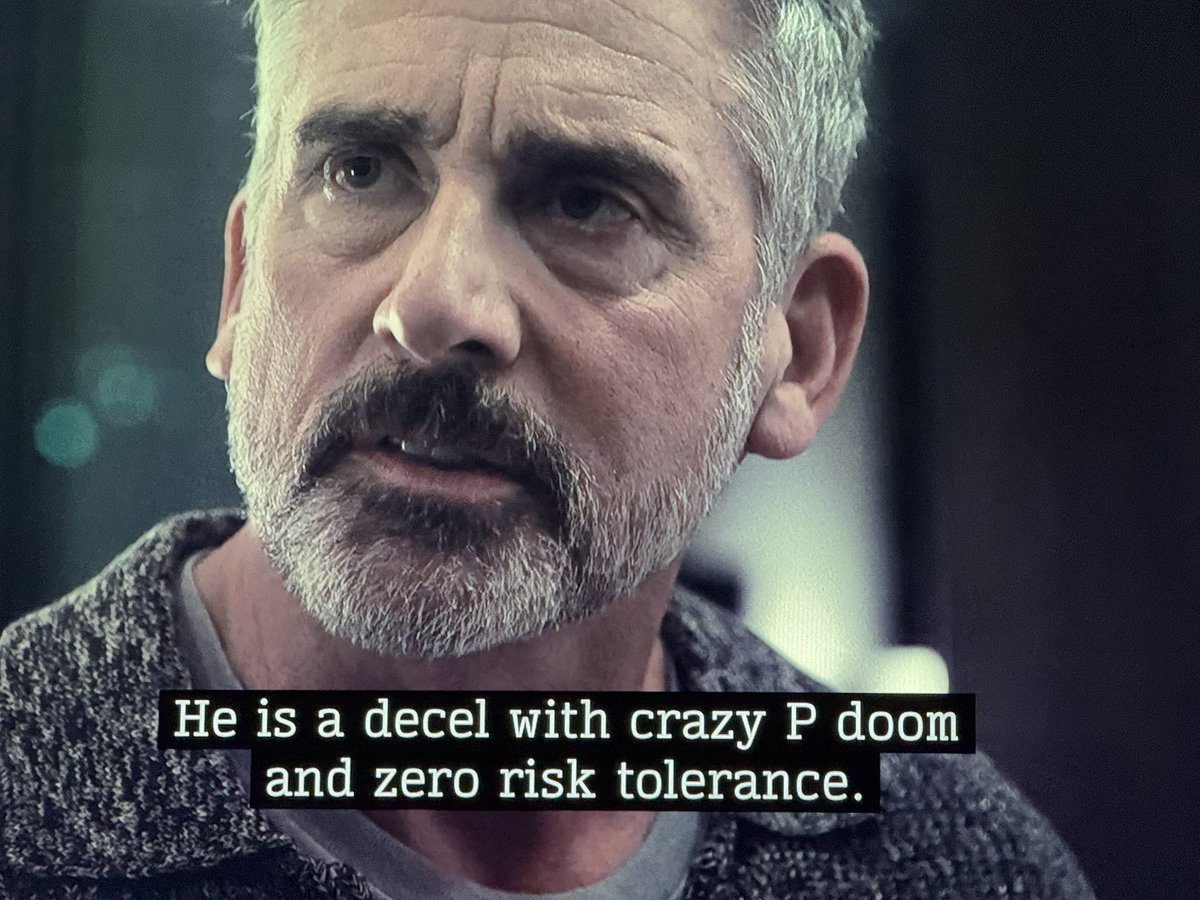
Primary lesson: a GPT is a function of its data. It can uncover interesting facts and make fascinating correlations. But it will not discover non-governmental demons.
Anything the GPT says is a remix of its training corpus.
But labs benefit from GPT mysticism so they don’t say this.
If you internalize the lesson, esoteric responses, when you invariably hit them, will at most make you think “hmm I wonder where it got that from.” And maybe you search or prompt a bit more to find out.
Otherwise you’ll think you are revealing some deep universal truth, and that’s when things go down hill.
Teach your kids that a GPT is a function of its data.
After months of hedging, a big moment to hear @Ofcom finally acknowledge that the #OnlineSafetyAct doesn’t fully capture AI chatbots. But it shouldn’t take @bbclaurak to get the straight answer that the regulator hasn’t wanted to give to civil society @mollyroseorg
My books How To Teach AI and Chart A New Course: Teaching Essential Skills for Tomorrow's World https://t.co/ackVxI41Mr are full of ideas! Grab copies today! #digcit#SEL#PBL#edtech#STEM#coding#AI#education#edtechchat & more! via
@isteofficial
Btw - Replit is hiring across the board in the Bay Area.
Don’t be trapped in jobs you hate or under leadership or mission misaligned to your values.
Apply to work on something that’s changing lives everyday by fueling entrepreneurship and education.
EXCLUSIVE: watch the trailer for "Gaza: Doctors Under Attack", the film the BBC didn't want to air. The trailer features, among others, Dr Adnan al Bursh, later killed by Israel.
Zeteo is proud to be airing this documentary to the world on 2 July at: https://t.co/nuifjOzkEz
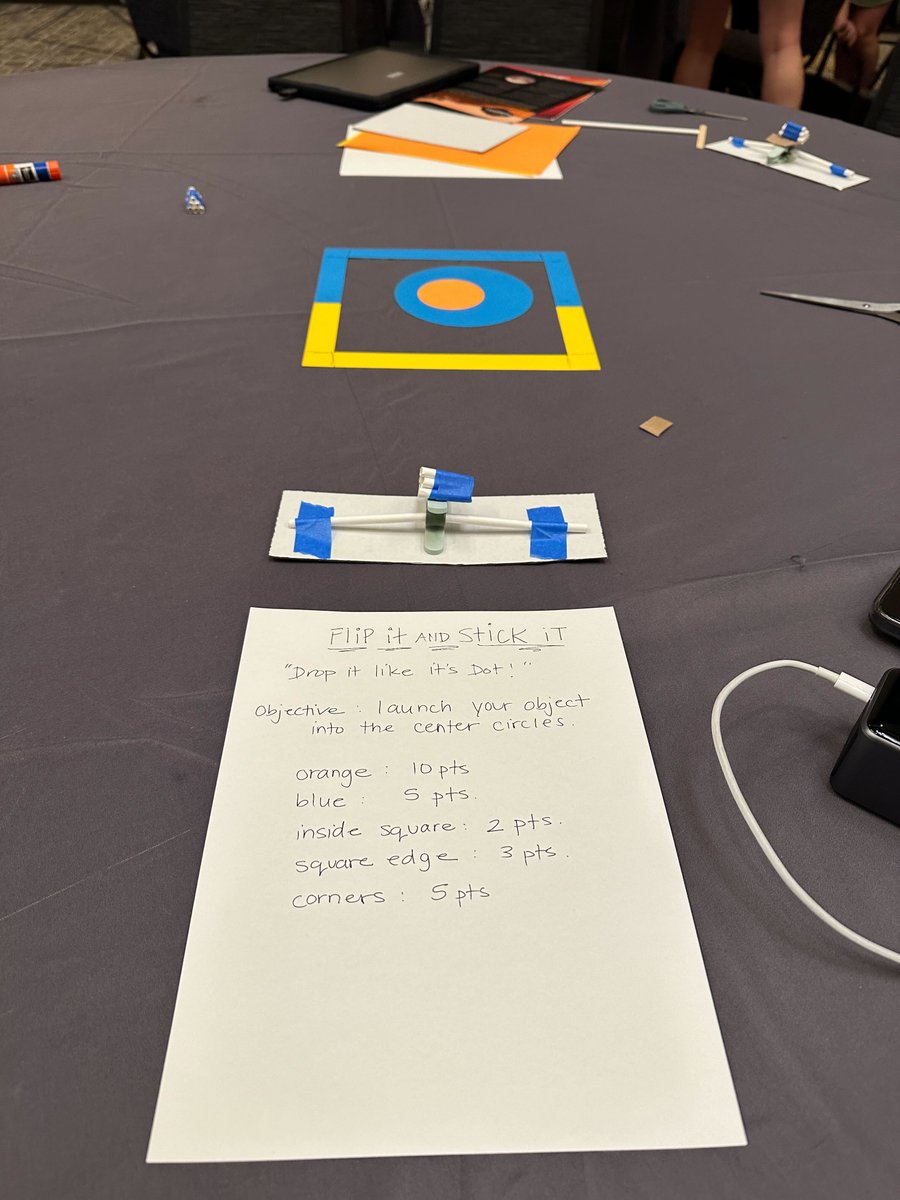
"AI might be able to provide some ideation, but it can't actually solve a problem," said @BrookwoodSchool's David Saunders before unleashing ISTELive attendees to design and build their own games using limited materials. Here are some examples.
🚨 Quizizz has a new name!
It has evolved way past just quizzes with lessons, accommodations, interactive activities + more.
I got to bust open a piñata with the new name.
Drumroll ... New name is:
WAYGROUND!
@waygroundai@quizizz#wayground
After 10 years as Quizizz, we're evolving into Wayground.
What started as a simple quiz platform has become something bigger—a place where every student finds their way forward.
None of this would exist without the teachers who believed in us. Let's find a way, together. 🩷
#AI and #immersivetech are transforming fashion—from generative design to virtual runway shows.
We spoke with @drinkmatt, director of the Fashion Innovation Agency, about how emerging tools are reshaping creativity & inclusivity in fashion. ⤵️
https://t.co/k5gKwStj5Q
One of the most effective things the U.S. or any other nation can do to ensure its competitiveness in AI is to welcome high-skilled immigration and international students who have the potential to become high-skilled. For centuries, the U.S. has welcomed immigrants, and this helped make it a worldwide leader in technology. Letting immigrants and native-born Americans collaborate makes everyone better off. Reversing this stance would have a huge negative impact on U.S. technology development.
I was born in the UK and came to the U.S. on an F-1 student visa as a relatively unskilled and clueless teenager to attend college. Fortunately I gained skills and became less clueless over time. After completing my graduate studies, I started working at Stanford under the OPT (Optional Practical Training) program, and later an H-1B visa, and ended up staying here. Many other immigrants have followed similar paths to contribute to the U.S.
I am very concerned that making visas harder to obtain for students and high-skilled workers, such as the pause in new visa interviews that started last month and a newly chaotic process of visa cancellations, will hurt our ability to attract great students and workers. In addition, many international students without substantial means count on being able to work under OPT to pay off the high cost of a U.S. college degree. Gutting the OPT program, as has been proposed, would both hurt many international students’ ability to study here and deprive U.S. businesses of great talent. (This won’t stop students from wealthy families. But the U.S. should try to attract the best talent without regard to wealth.)
Failure to attract promising students and high-skilled workers would have a huge negative impact on American competitiveness in AI. Indeed, a recent report by the National Security Commission on Artificial Intelligence exhorts the government to “strengthen AI talent through immigration.”
If talented people do not come to the U.S., will they have an equal impact on global AI development just working somewhere else? Unfortunately, the net impact will be negative. The U.S. has a number of tech hubs including Silicon Valley, Seattle, New York, Boston/Cambridge, Los Angeles, Pittsburgh and Austin, and these hubs concentrate talent and foster innovation. (This is why cities, where people can more easily find each other and collaborate, promote innovation.) Making it harder for AI talent to find each other and collaborate will slow down innovation, and it will take time for new hubs to become as advanced.
Nonetheless, other nations are working hard to attract immigrants who can drive innovation — a good move for them! Many have thoughtful programs to attract AI and other talent. There are the UK’s Global Talent Visa, France’s French Tech Visa, Australia’s Global Talent Visa, the UAE’s Golden Visa, Taiwan’s Employment Gold Card, China’s Thousand Talents Plan, and many more. The U.S. is fortunate that many people already want to come here to study and work. Squandering that advantage would be a huge unforced error.
Beyond the matter of national competitiveness, there is the even more important ethical matter of making sure people are treated decently. I have spoken with international students who are terrified that their visas may be canceled arbitrarily. One recently agonized about whether to attend an international conference to present a research paper, because they were worried about being unable to return. In the end, with great sadness, they cancelled their trip. I also spoke with a highly skilled technologist who is in the U.S. on an H-1B visa. Their company shut down, leading them — after over a decade in this country, and with few ties to their nation of origin — scrambling to find alternative employment that would enable them to stay.
These stories, and many far worse, are heartbreaking. While I do what I can to help individuals I know personally, it is tragic that we are creating such an uncertain environment for immigrants, that many people who have extraordinary skills and talents will no longer want to come here.
To every immigrant or migrant in the U.S. who is concerned about the current national environment: I see you and empathize with your worries. As an immigrant myself, I will be fighting to protect everyone’s dignity and right to due process, and to encourage legal immigration, which makes both the U.S. and individuals much better off.
[Full text, with links: https://t.co/6JNJz88Qyq ]
🖼️🤖 Bring stories to life with AI-generated images! Learn how to use AI to create vivid settings for your classroom activities.
Classroom AI 101: Imagining Story Setting with Text-Evidence Supported Prompting
https://t.co/pUU52JkkZQ