Eating blackberries regularly provides powerful health advantages, primarily because they are packed with essential vitamins, disease-fighting antioxidants, and gut-healthy fiber.
#Blackberries#HealthyFoods#NutritionTips
HIDDEN SECRETS EVERY DIABETIC SHOULD KNOW
1. Walking 10–15 minutes after meals lowers sugar fast.
2. Stress can spike glucose even more than food.
3. Sleep deprivation raises blood sugar overnight.
4. Cinnamon and apple cider vinegar improve insulin sensitivity.
5. Hydration is a silent sugar stabilizer — dehydration raises levels.
6. Protein first, carbs last reduces post-meal spikes.
7. Building muscle improves sugar control more than weight loss.
8. Poor gut health can worsen insulin resistance and glucose regulation.
9. Low-glycemic fruits like berries cause slower, smaller blood sugar rises.
10. Regular resistance training improves long-term blood sugar control.
11. Consistent daily habits matter more than short-term fixes for glucose balance.
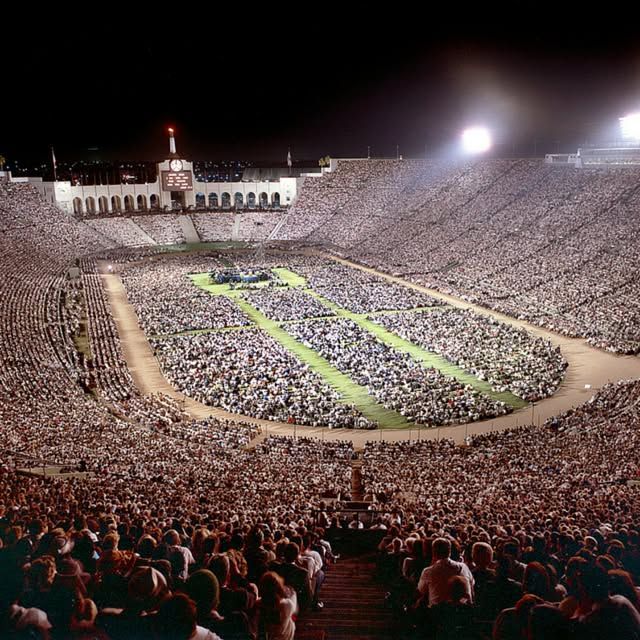
In 1963, the largest crowd ever recorded at the Los Angeles Memorial Coliseum and Sports Arena was not for a football game or concert. It was for a Billy Graham Crusade, with 134,254 people inside and another 20,000 listening outside.
🚨 Think dark chocolate is just a guilty pleasure?
A groundbreaking 2025 King's College London study says it could slow biological aging.
Researchers analyzed blood levels of theobromine (the key compound in cocoa) across two large European cohorts (over 1,600 people total).
People with more theobromine showed lower biological age than their real age, especially on GrimAge, the epigenetic clock that strongly predicts disease risk and lifespan. (
The mechanism?
Theobromine in cocoa doesn’t just taste good influences key epigenetic markers tied to aging.
It boosts vascular function, slashes inflammation, and amps up cellular protection
This builds on COSMOS trial findings showing cocoa flavanols linked to lower cardiovascular mortality. (correlation, not proven causation yet)
It's not a free pass for candy bars — we're talking high-cocoa (70%+), minimally processed dark chocolate.
But this is one of the most exciting links yet between a daily treat and staying biologically younger.
Actionable step:
Swap one sweet snack for 1-2 squares (about 10-20g) of 70-85% dark chocolate most days.
What’s your go-to dark chocolate percentage?
#DarkChocolate
#Longevity
#WorldChocolateDay
Source:
Theobromine is associated with slower epigenetic ageing. Aging (Albany NY). 2025; 17:2902-2915. https://t.co/sY2lNBiMYV
Sardinha
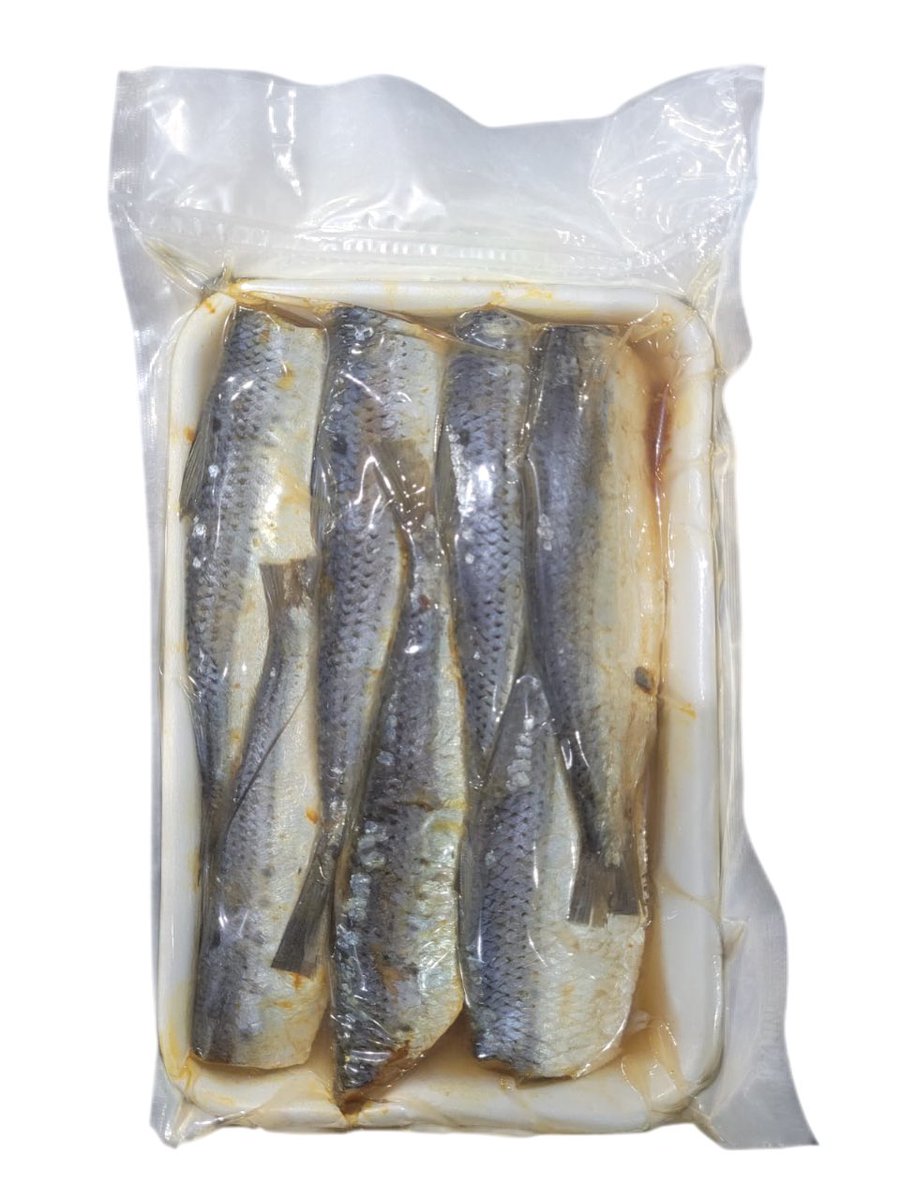
A sardinha é um dos super alimentos mais poderosos para quem está em tratamento oncológico ou quer blindar o organismo contra o câncer.
E aqui está o que poucos sabem:
🧠 DHA (Ômega-3):
O cérebro consome DHA para manter a integridade neuronal.
Pacientes em quimioterapia frequentemente relatam névoa mental.
O DHA ajuda a proteger contra esse dano cognitivo.
Cálcio biodisponível:
Como você come a sardinha com os ossos macios, ela entrega cálcio altamente absorvível.
Essencial para pacientes com risco de metástase óssea ou em uso de corticoides.
❤️ Coenzima Q10:
A mitocôndria (usina de energia das células) precisa de CoQ10 para funcionar.
Muitos quimioterápicos são cardiotoxicos. O CoQ10 protege o coração durante o tratamento.
⚡ B12 + Selênio:
Combate a fadiga oncológica e fortalece a defesa antioxidante.
Mas tem um detalhe crucial:
Sardinha é um peixe pequeno, no início da cadeia alimentar. Isso significa:
✅ Baixíssimo mercúrio (diferente de atum e salmão)
✅ Alta densidade nutricional
✅ Preço acessível
Enquanto você paga fortunas em suplementos, a sardinha entrega nutrição real, biodisponível e sem toxinas (ou quase).
🧠 Foods & Herbs That Nourish the Brain 🌿
• 🫐 Blueberries → Rich in antioxidants that help protect brain cells.
• 🌰 Walnuts → A natural source of healthy fats for brain function.
• 🥑 Avocados → Healthy fats that nourish the nervous system.
• 🍵 Green Tea → Rich in protective plant compounds and calming L-theanine.
• 🎃 Pumpkin Seeds → A good source of zinc and magnesium for the brain.
• 🥬 Spinach → Packed with folate and minerals that support cognitive health.
• 🫘 Lentils → Steady nourishment for the brain and body.
• 🌿 Gotu Kola → Traditionally used to support memory and mental clarity.
• 🍃 Ginkgo Biloba → Traditionally used to support healthy circulation to the brain.
• 🍄 Lion's Mane Mushroom → Traditionally valued for supporting the nervous system.
• 🌱 Rosemary → A classic herb traditionally associated with memory and focus.
• 🫒 Extra Virgin Olive Oil → Healthy fats and antioxidants that support long-term brain health.
The greatest pharmacy for the brain isn't found in a bottle—it's found in God's garden. 🌱
This is not an old person's disease anymore.
Colorectal cancer in adults under 50 has risen 66% since 1992. Rising 3% per year since 2013.
It is now the number one cancer killer in men and women under 50.
In 1995, 11% of colorectal cancers were diagnosed in people under 55. Today it is 20%. Nearly half of all new cases now occur in adults under 65.
American Cancer Society. March 2026.
The disease is not decreasing. It is moving to your children.
Cancer cells have up to 10 times more insulin receptors than normal cells.
When your insulin is chronically elevated you are flooding cancer cells with their preferred growth signal. Telling them to grow. To divide. To stop dying when they should.
Nature Communications, 2026. University of Tokyo.
Insulin resistance is linked to a 25% higher risk of developing 12 different types of cancer.
Uterine cancer. 134% higher. Liver. 80%. Kidney. 60%. Stomach. 45%. Colorectal. 40%.
The same fasting insulin test your doctor almost never orders.
I hear a lot of people say herbs and supplements are just "extras."
But the truth is, your body can't build health without the right raw materials.
Every cell depends on vitamins, minerals, antioxidants, and plant compounds to do its job. They help support digestion, energy production, hormone balance, immune function, and your body's natural detoxification processes.
Magnesium alone is involved in more than 300 biochemical reactions, supporting healthy muscles, nerves, sleep, and energy.
Herbs have been valued for generations because they work with the body—not by replacing healthy habits, but by supporting them.
🌿 My foundation has always been simple:
• Eat whole, natural foods
• Drink plenty of pure water
• Get regular sunshine
• Prioritize restful sleep
• Move your body every day
• Use herbs as supportive tools, not shortcuts
Food comes first. A healthy lifestyle is the foundation. When needed, quality supplements can help fill nutritional gaps—but nothing replaces the daily choices that allow the body to heal and function at its best. 🌱
IMPORTANT FOOD FACTS THAT SOUND FAKE BUT ARE TRUE!
1. Ginger works as well as ibuprofen for pain.
Trials put ginger head-to-head with ibuprofen for arthritis and period pain and found no real difference. Same relief, without tearing up your stomach.
2. Cloves have more antioxidants than any food on earth.
More than blueberries, pomegranate, and acai combined. In the biggest antioxidant study ever done, over 3,100 foods, ground cloves came in at number one. A pinch of your tea does more than a shelf of expensive supplements.
3. Moringa leaves have more protein than beef, ounce for ounce, dried.
Dried moringa runs about 25 to 29% protein. Beef is around 26%. And it carries every essential amino acid, more calcium than a glass of milk, and more vitamin A than a carrot. One tablespoon.
4. Dandelion, the weed you rip out of your yard, beats most of the produce in your store.
More beta-carotene than carrots. More calcium than milk. More iron than spinach. Plus compounds that help your liver and kidneys clear out waste.
You've been poisoning it. It's been trying to feed you.
5. Broccoli needs to be chopped and left to sit for 40 minutes before you cook it.
Sulforaphane, one of the most-studied cancer-fighting compounds in any food, only forms once the plant is cut. Cook it whole and you get almost none. Chop it, let it rest, then cook it light. The preparation is the medicine.
6. Oregano holds more antioxidants than most berries, fresh or dried.
In that same study, dried oregano landed in the top five spices on earth. It's full of rosmarinic acid and quercetin, both studied for calming inflammation and fighting off microbes. A teaspoon is working harder than you think.
7. The white pith of a lemon is more medicinal than the juice.
That spongy white layer everyone scrapes off carries hesperidin and naringenin, flavonoids studied for lowering blood pressure, easing inflammation, and protecting your blood vessels. The juice is mostly acid.
Most people throw the medicine in the trash.
8. Turmeric without black pepper is almost a waste.
On its own, only about 5% of curcumin, turmeric's healing compound, actually absorbs. Add black pepper and that jumps by roughly 2,000%.
South Asia has paired the two for thousands of years. They didn't have a lab. They had eyes, and time.
None of this came from a lab. It came from the ground, and from people paying attention. Food was always the medicine. 🙏
ALARMING: 90% of Adults Are Silently Starving Their Brains — Choline Deficiency Is Fueling the Alzheimer's Epidemic!
A groundbreaking study confirmed: Eating more eggs can slash your Alzheimer's risk by up to 50%!
The Study followed adults for ~7 years. Those eating just 1–2 eggs per week had a 47–50% lower risk of Alzheimer's dementia. ~40% of the benefit was directly linked to choline from the eggs.
Choline & Acetylcholine Explained
Choline is an essential nutrient & the direct precursor to acetylcholine — the master neurotransmitter for memory, learning, focus, attention & mood. It also builds healthy cell membranes and protects your liver.
The Choline Crisis
90% of today's adults are deficient — most getting <260 mg/day, far below the 425–550 mg minimum.
Optimal intake for brain protection: ~1,000 mg daily.
Choline Deficiency Symptoms
• Brain fog & memory problems
• Mood issues (anxiety, depression, irritability)
• Fatigue
• Fatty liver
• Muscle aches/weakness
• Long-term: accelerated dementia risk
Top Animal-Sourced Choline Foods (mg per serving)
• 3 large eggs: ~450 mg
• 3 oz beef liver: ~300–350 mg
• 6 oz wild salmon: ~350–370 mg
• 6 oz beef: ~230 mg
• 6 oz poultry: ~140 mg
The #1 Best Source: Pastured Local Eggs 🥚🌿
Pasture-raised eggs from local farms (chickens eating bugs, grass & natural forage — NOT GMO corn/soy feed) are far superior. Higher choline, omega-3s, lutein, zeaxanthin & overall nutrients.
Bottom line: Most people are unknowingly sabotaging their brain health by avoiding eggs.
The fix is simple & delicious: Eat at least 2–3+ high-quality pastured eggs daily (yolks included).
Protect your memory. Eat real eggs from happy chickens. Your future self will thank you.
“Your rod and your staff, they comfort me.”
Psalm 23:4
A shepherd carried both.
The rod was for protection and defending the flock from danger.
The staff was for guidance and pulling wandering sheep back to safety.
God both guards His people and guides them.
🛑 Your sleep isn’t broken — your evening routine is.
Instead of scrolling or snacking on junk that spikes cortisol and crashes blood sugar, give your brain what it actually needs for deep circadian rest and nervous system calm.
Here are 10 science-backed foods that support melatonin, serotonin, GABA, and steady overnight blood sugar:
1. Tart cherries — natural melatonin boost
2. Kiwi — serotonin precursor lift
3. Pumpkin seeds — magnesium for GABA activation
4. Chamomile — apigenin for receptor calming
5. Bananas — vitamin B6 for melatonin synthesis
6. Pistachios — helps regulate sleep cycles
7. Oats — steady nocturnal blood sugar
8. Almond butter — sustained nighttime energy without spikes
9. Asparagus — supports tryptophan synthesis
10. Lemon balm — dampens cortisol response
Small swaps, big difference in how you fall asleep and stay asleep.
Which one are you adding to your evening routine? Drop it below or tag a friend who needs better sleep.
#SleepHacks
#CircadianRhythm
#BetterSleep
🥑 Never underestimate how a simple avocado can transform your meal!
A study found that adding half a fresh Hass avocado to a meal (like with a burger) blunted the post-meal spike in inflammation markers.
It also prevented an extra rise in triglycerides, even with the added fat and calories from the avocado itself.
Bonus nutrient hack:
Pairing avocado with a salad dramatically boosts absorption of fat-soluble vitamins and carotenoids (like beta-carotene and lutein) thanks to its healthy monounsaturated fats.
One study showed increases of up to 15x for certain carotenoids.
It’s an easy win for heart health, reducing inflammation, and getting more from your greens.
Who else adds avocado to meals for these benefits?
#AvocadoBenefits
#HeartHealth
#AntiInflammatory
Sources:
Inflammation & Triglycerides: Li et al. (2013). Food & Function. Hass avocado with a meal reduced postprandial inflammation and vascular effects.
Vitamin Absorption: Unlu et al. (2005). Journal of Nutrition. Avocado significantly enhanced carotenoid absorption from salad/salsa.
A Japanese immunologist just made me rethink one of the most basic prescriptions I give my patients.
Dr. Qing Li has spent over 20 years at Nippon Medical School in Tokyo proving something that sounds too simple to be real: the chemicals that trees release into the air walk straight into your bloodstream, lower your stress hormones, and supercharge your immune system in ways no pill has ever replicated.
Here's the study that stopped me. He took 12 healthy middle-aged men on a three-day forest trip. No intense hiking. No meditation program. Just slow walking — about two hours a day — breathing the air among the trees.
Blood and urine samples before, during, seven days after, and thirty days after.
The results: Natural Killer cell activity — your immune system's frontline defense against cancer cells and viral infections — jumped approximately 50%. The number of NK cells rose. Three critical anti-cancer proteins they release — perforin, granulysin, and granzymes — increased sharply.
The boost didn't vanish when they went home. It was still measurable at day seven. Still partially present at day thirty. Two hours a day among trees upgraded their immune defense for a full month.
He repeated the study with women. Nearly identical results. Then he ran the decisive control: same three-day trip, same walking duration, same hotels, same food — but in an urban environment.
Zero measurable change in NK cell activity. Zero.
It wasn't rest. It wasn't "getting away." It was the forest.
The mechanism is what fascinates me as a physician. Trees release aromatic compounds called phytoncides — particularly α-pinene and β-pinene — to defend themselves against insects, bacteria, and fungi. These compounds are most concentrated among pine, cedar, cypress, and oak, especially after rain or in warmth.
When you walk among trees, you inhale phytoncides into your lungs and absorb them through your skin. Once inside your body, they directly stimulate NK cell production and activity. Dr. Li estimates approximately 50% of the immune benefit comes from the chemistry of the forest air itself.
Then he proved something even more remarkable. He put subjects in an urban hotel room and vaporized hinoki cypress essential oil through a humidifier overnight. No forest. No nature walk. Just the phytoncides in the air while they slept.
NK cell activity increased significantly. Stress hormones dropped. The trees weren't even there — just their chemical signature — and the immune system responded.
The other half of the effect is your nervous system. Multiple Japanese field studies showed that forest walks significantly lower cortisol, heart rate, and blood pressure compared to matched urban walks. Parasympathetic activity — your "rest and recover" system — rises. Sympathetic activity — your "fight or flight" system — falls.
University of Michigan researcher MaryCarol Hunter quantified the minimum effective dose. Just 20 minutes in a natural setting — no phone, no conversation, no aerobic exercise — produced a 21.3% drop in cortisol beyond normal daily decline. The sweet spot was 20 to 30 minutes. Benefits continued after that, just more slowly.
As a cardiologist, this data is directly relevant to what I treat every day.
Chronic cortisol elevation drives hypertension, insulin resistance, visceral fat accumulation, systemic inflammation, and endothelial dysfunction — the exact metabolic storm that causes heart disease. Parasympathetic activation improves heart rate variability — one of the strongest predictors of cardiac resilience and long-term survival.
I just wrote about how your immune system hunts and kills cancer cells every single day without you ever knowing it. NK cells are the soldiers doing that work. And Dr. Li proved that two hours among trees supercharges those soldiers for a month.
I've prescribed statins, PCSK9 inhibitors, GLP-1 drugs, blood pressure medications, and every advanced therapy modern cardiology has to offer. I believe in all of them.
But I can't write a prescription for anything that simultaneously boosts cancer-killing immune cells by 50%, drops cortisol, lowers blood pressure, improves heart rate variability, activates the parasympathetic nervous system, and lasts a month — for free.
Except walking into a forest.
The average person now spends over 90% of their life indoors. Cortisol stays chronically elevated. NK cells stay sluggish. The parasympathetic system rarely gets to run. Your biology was shaped over millions of years under a canopy of trees. Modern life put it in a box of drywall and screens.
Your body hasn't forgotten. It's waiting.
What I now tell my patients:
Find any trees. A city park with decent canopy works. Go slow. Breathe deeply. Leave the phone behind. Minimum effective dose: 20 minutes. For the full immune effect: aim for two hours when possible. Once a month maintains the NK cell boost.
The Japanese government has funded forest medicine since 2004. They have certified forest therapy trails and physician-prescribed shinrin-yoku programs. They treat it as evidence-based preventive medicine.
We should too.
This weekend — before the world takes you back — walk into the trees. Feel what your body has been missing.
Nature isn't a luxury. It's medicine your ancestors took for free every single day. And the science now proves what they always knew.