A 1-year-old child with no history of atopy presents with erythematous lesions with honey-colored crusts and oozing, involving the chin, neck, and upper chest.
🔎 What is the most likely diagnosis?
A) Impetigo
B) Atopic dermatitis with secondary bacterial infection
C) Eczema herpeticum
D) Allergic contact dermatitis
E) Periorificial dermatitis
F) Acrodermatitis enteropathica
Statin–antibiotic interaction causing rhabdomyolysis
1. The key clues are severe muscle pain + cola-colored urine + acute kidney injury, which suggest rhabdomyolysis.
2. The antibiotic can inhibit the metabolism of the statin, causing its blood concentration to rise.
3. Excessive statin exposure can cause significant skeletal muscle injury and breakdown.
4. Damaged muscle releases myoglobin, which can make the urine appear dark or cola-colored.
5. Large amounts of myoglobin can damage the kidneys and lead to acute kidney injury.
6. A classic interaction is clarithromycin with simvastatin, because clarithromycin strongly inhibits CYP3A4 and can markedly increase simvastatin exposure.
7. Treatment involves stopping the offending drugs, aggressive fluid management when appropriate, monitoring kidney function and electrolytes, and managing complications.
A 14-year-old presents with slowly progressive, asymptomatic unilateral facial lesions present since childhood. Examination shows multiple grouped, skin-colored to hyperpigmented papules with dilated follicular openings filled with dark keratin plugs in a linear Blaschkoid distribution over the temporal and malar region. Histopathology reveals dilated follicular invaginations filled with laminated keratin and rudimentary adnexal structures.
What is the diagnosis? 🩺👇
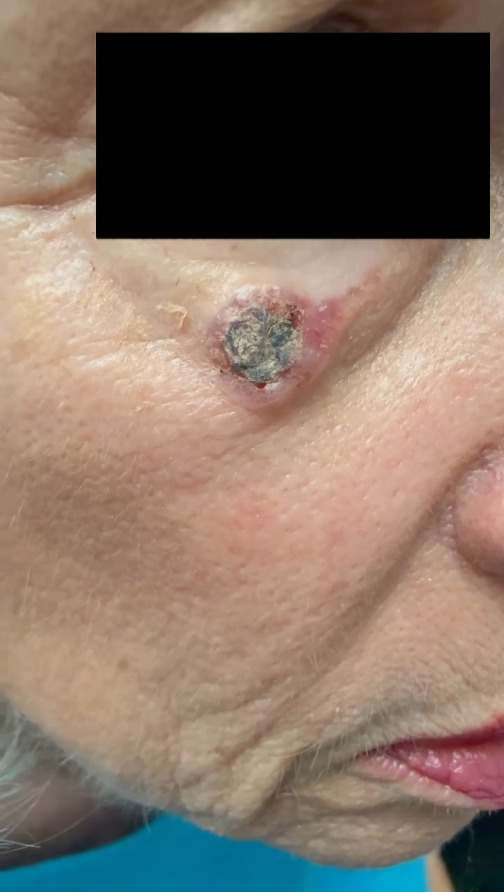
A 17-year-old girl from Iranian village exposed to contaminated soil and livestock products: a black necrotic lesion on her left cheek and periorbital edema.
½
DOI: 10.1056/NEJMicm0802093
#dermatology#MedEd#IDMedEd#medicine#MedicalStudents#emergency
A diabetic patient with constipation asked me:
“Doc, isn’t lactulose a type of sugar? Then why are you giving it to me for constipation? Won’t it increase my sugar levels too?”
How will you explain this to him?
A 35-year-old woman presents with chronic diarrhea, dermatitis, casal necklace and dementia.
Diagnosis?
A) Celiac disease
B) Pellagra
C) Crohn’s disease
D) Hypothyroidism