Los grafitos de Pompeya no hablan solo de política o religión. En sus paredes aparecen bromas, insultos, declaraciones de amor, anuncios y mensajes cotidianos. Son voces directas de personas corrientes que, casi dos mil años después, todavía podemos leer.
Aríbalo griego de terracota en forma de sirena.
Servía como recipiente de lujo para guardar perfumes, aceites o ungüentos aromáticos utilizados en el cuidado personal o en rituales funerarios. Piezas similares se conservan en importantes colecciones como la del Museo del Louvre, British Museum o Walters Art Museum.
Hecho probablemente en talleres de Rodas o Jonia hacia mediados del siglo VI a. C. (circa 550 a. C.).
This is Alexander the Great as an Egyptian pharaoh.
At Luxor Temple, he wears a pharaoh’s crown and makes an offering to Amun. His name is carved above him in hieroglyphs.
The temple was already more than a thousand years old when Alexander’s name was added to its walls.
On this day in 1977, a Greek archaeologist found what he believed was the tomb of Alexander the Great’s father.
It was still full of gold.
At Vergina in northern Greece, Manolis Andronikos and his team had reached a royal burial untouched by looters for more than 2,300 years.
Inside a marble coffin lay a chest weighing nearly 11kg, made of solid gold. It held cremated bones and an oak wreath with 313 gold leaves and 68 acorns.
The tomb also contained silver drinking vessels, weapons and an iron breastplate edged in gold.
Andronikos identified the dead king as Philip II. That identification is still debated.
Pictured: the entrance to Tomb II, the gold chest and oak wreath, and the iron-and-gold breastplate.
He visitado una JOYA arqueológica bastante desconocida para el gran público: el yacimiento de la Villa Romana de Noheda, a 18 kms de Cuenca. Se empezó a excavar en 2005 y solo está al descubierto el 5 % de lo que hay. Estoy impactada con la calidad de lo descubierto.
الكودورو البابلي (حجر الحدود البابلي)
يُعد الكودورو البابلي من أبرز الشواهد الأثرية التي خلفتها الحضارة البابلية. وهو حجر حدود يُنقش عليه بالخط المسماري لتوثيق منح الأراضي، وتحديد حدودها، وإثبات الامتيازات التي يمنحها الملك لأفراد أو مؤسسات
ازدهر استخدام الكودورو خلال العصر البابلي الوسيط، ولا سيما في عهد السلالة الكيشية (نحو 1595–1155 ق.م.)، حيث أصبح وثيقة قانونية ورسمية تُخلّد القرارات الملكية المتعلقة بالأراضي.
تحمل أحجار الكودورو نصوصًا مسمارية تتضمن تفاصيل المنح والحدود، إلى جانب رموز تمثل الآلهة البابلية، مثل قرص الشمس للإله شمش، والهلال للإله سين، والنجمة الثمانية للإلهة عشتار، فضلًا عن رموز آلهة أخرى. وكانت هذه الرموز تُعد شاهدًا إلهيًا على صحة الوثيقة وضمانًا لقدسيتها
ولهذا السبب، كانت نصوص الكودورو تتضمن لعنات ودعوات إلى الآلهة لمعاقبة كل من يجرؤ على إزالة الحدود، أو تغييرها، أو إبطال المنحة الملكية. وقد عكس ذلك الاعتقاد البابلي بأن حماية الحقوق والأملاك لا تستند إلى السلطة الملكية وحدها، بل تحظى أيضًا بضمان ورقابة الآلهة
وقد عُثر على العديد من أحجار الكودورو في مواقع أثرية ببلاد الرافدين، وهي محفوظة اليوم في عدد من أهم المتاحف العالمية، حيث تُعد من أبرز المصادر التي توثق النظامين القانوني والإداري في بابل القديمة.
The Babylonian Kudurru (Babylonian Boundary Stone)
The Babylonian Kudurru is one of the most significant archaeological legacies of Babylonian civilization. It is a boundary stone inscribed in cuneiform to document land grants, define property boundaries, and establish the privileges granted by the king to individuals or institutions.
The use of Kudurru stones flourished during the Middle Babylonian period, particularly under the Kassite Dynasty (c. 1595–1155 BC), when they became official legal documents commemorating royal decisions concerning land ownership.
Kudurru stones bear cuneiform inscriptions detailing land grants and boundaries, alongside symbols representing Babylonian deities, such as the solar disk of Shamash, the crescent moon of Sin, and the eight-pointed star of Ishtar, as well as symbols of other gods. These divine symbols served as sacred witnesses to the validity of the document and as a guarantee of its sanctity.
For this reason, Kudurru inscriptions often included curses and appeals to the gods to punish anyone who dared to remove or alter the boundaries, or revoke the royal land grant. This reflected the Babylonian belief that the protection of property rights was not based solely on royal authority, but was also safeguarded and overseen by the gods.
Numerous Kudurru stones have been discovered at archaeological sites throughout Mesopotamia. Today, they are preserved in some of the world's most important museums, where they remain among the most valuable sources for understanding the legal and administrative systems of ancient Babylonia.
La cueva de Chauvet, Francia, el arte de la prehistoria.
1. En 1994, tres amigos descubrieron en el sur de Francia una cueva con magníficas pinturas rupestres, de más de 30.000 años de antigüedad. Bajo el suelo de la comarca de Ardèche se esconde un tesoro inestimable por su⬇️
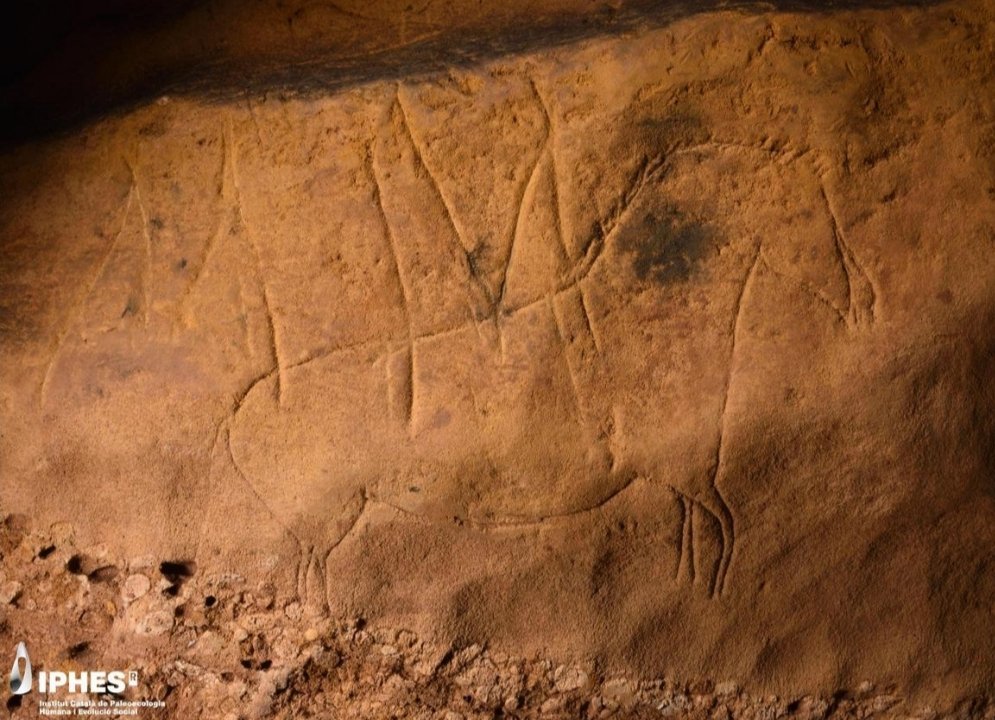
Estudio científico 🟢 El hallazgo de 280 grabados rupestres en una cueva catalana convierte el lugar en uno de los mayores tesoros del arte paleolítico del Mediterráneo. @iphes
https://t.co/EkoINFCVJe,
✍🏼 Fuente: Valentina Raffio | @elperiodico_cat
📸 @iphes
@en_bookle Con La senda del perdedor no llegué a conectar,se me hizo un libro demasiado gris y sin un respiro. En cambio, recomiendo muchísimo Cartero, aunque muestra la dureza del mundo,lo hace con un toque de humor e ironía y es muy disfrutable. Por si quieres otro enfoque de Bukowski.
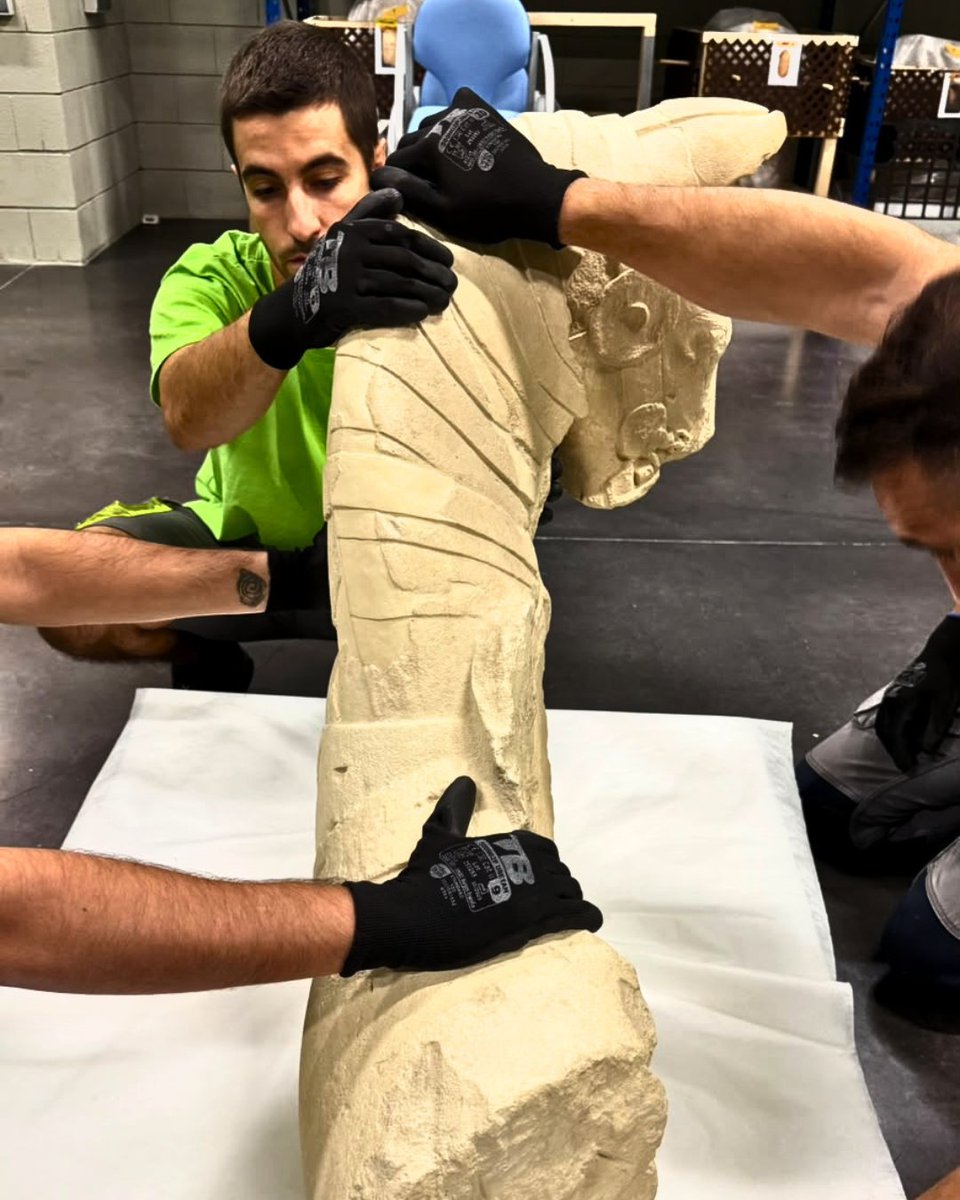
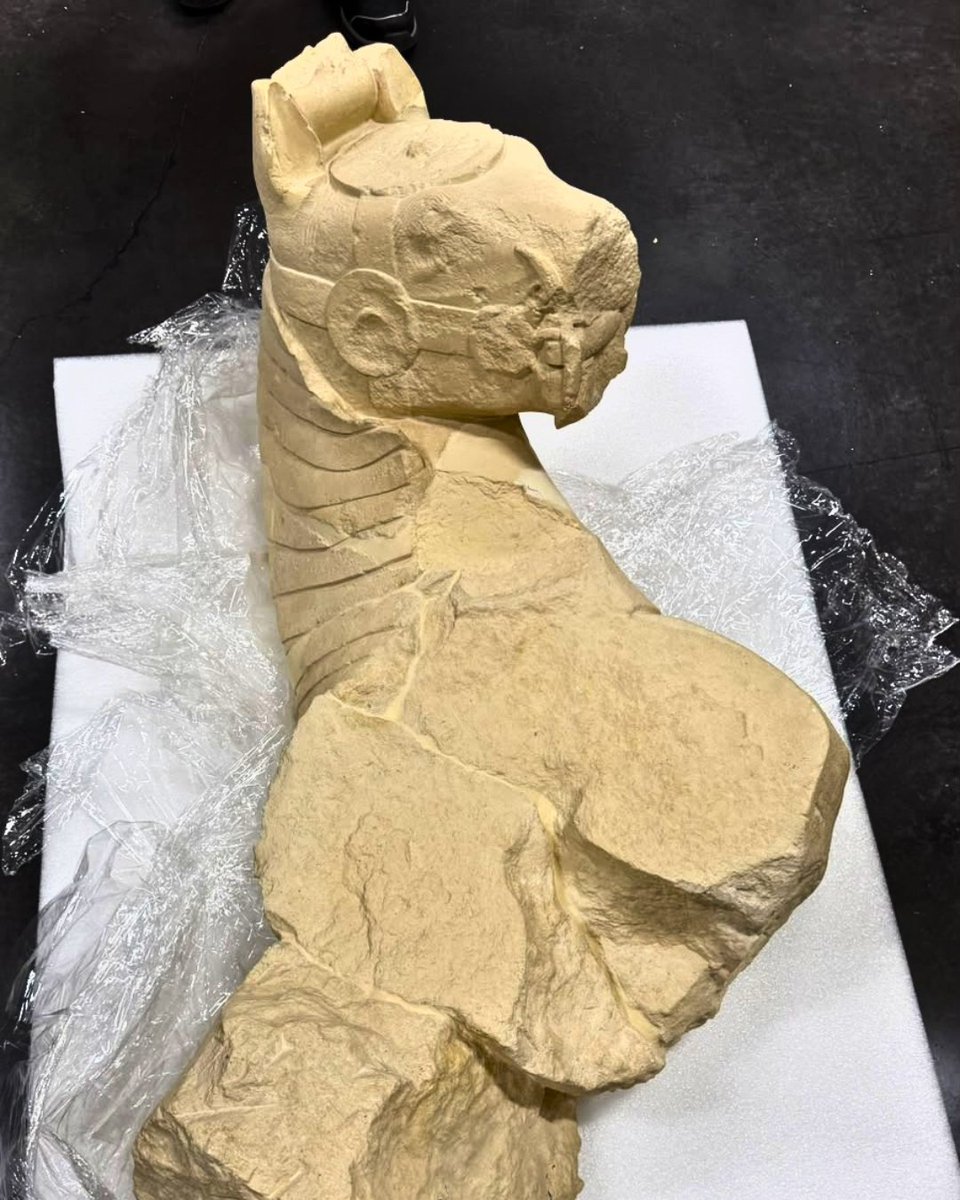
El caballo es uno de los elementos del conjunto de Cerrillo Blanco, el nivel del detalle de esta pieza nos ha permitido apreciar el bocado (pieza que se introduce en la boca del caballo para dirigirlo) y conocer mejor los arreos que se utilizaban para montar los caballos...
@UniCatolicos_es Esto habría que hacerlo siempre. No son números de un accidente. Son personas con sus propias historias. Desgarrador. El mejor de los deseos para todos los que les lloran.
Me identifico profundamente con cuando Dostoievski dijo: «La mitad de mis problemas es que no hablo mucho, y la otra mitad es que cuando hablo, las palabras no suenan como lo que quería decir».
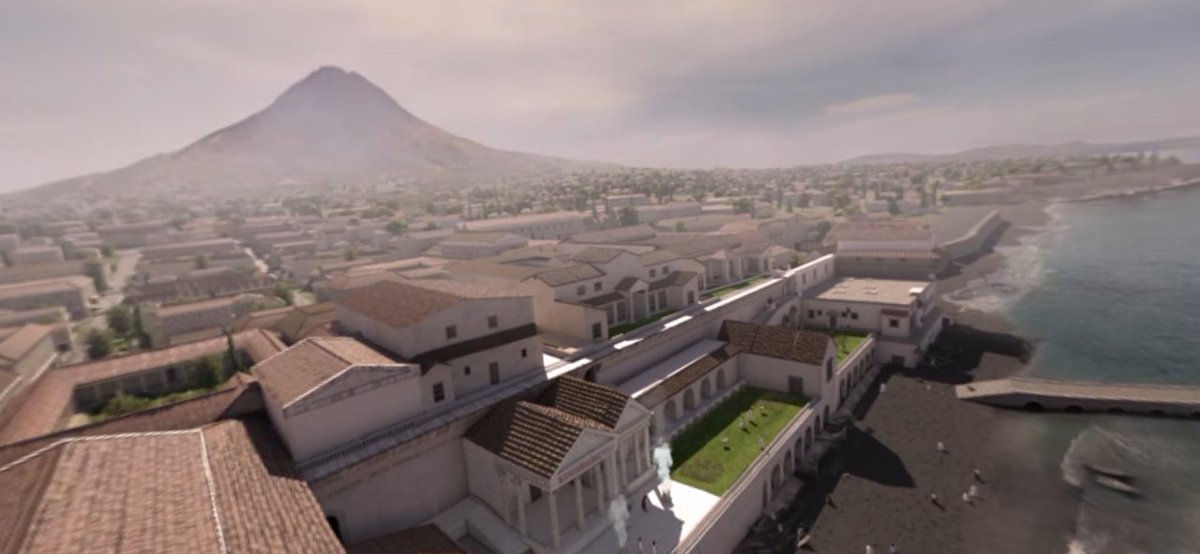
Muebles de madera carbonizados, casas con sus tejados intactos y hasta un teatro excavado bajo los escombros volcánicos a 26 metros de profundidad.
En este #HiloRomano dedicado a Herculano descubrirás algunas de las maravillas más desconocidas que el Vesubio enterró en el año 79