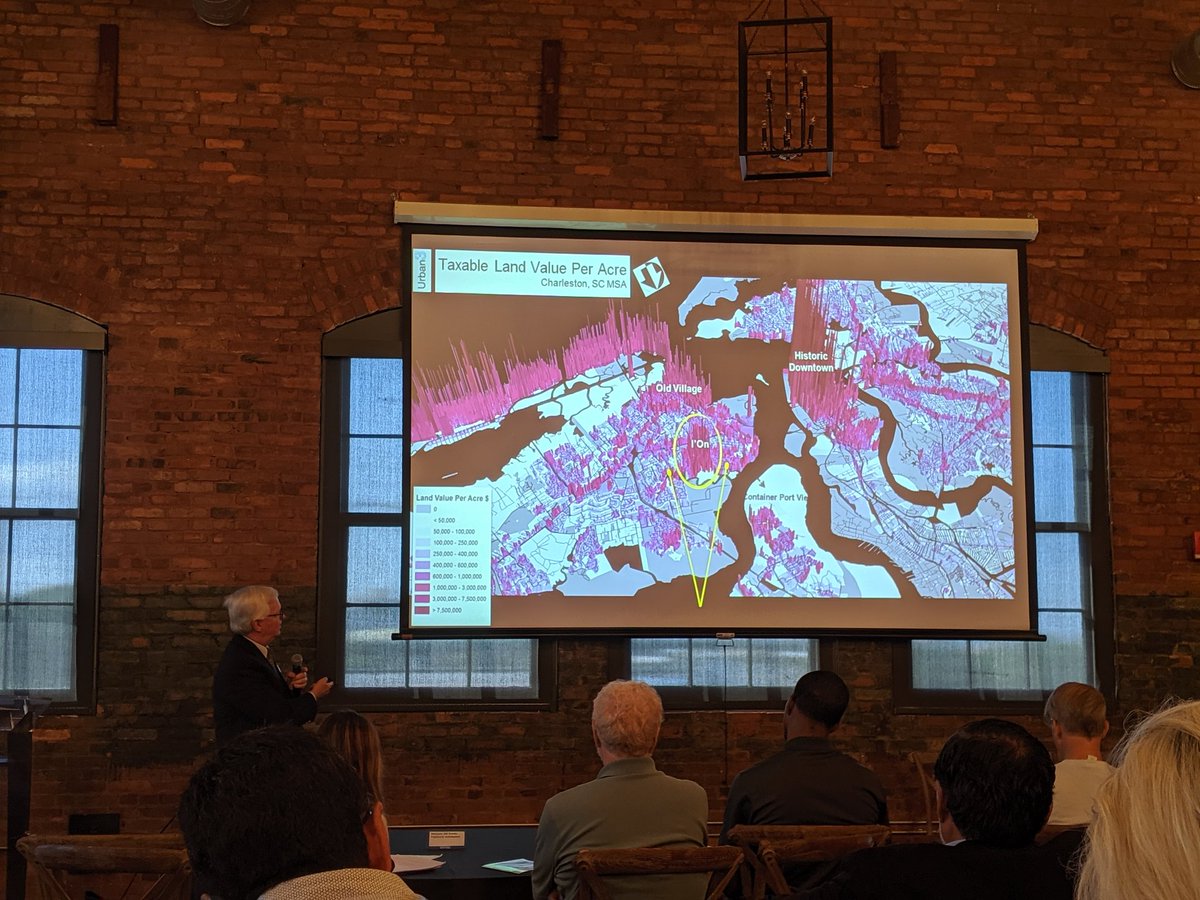
The latest Foot Traffic Ahead report benchmarks walkable urbanism across the US, demonstrates pent-up demand for walkability and its outsized economic impact, and ranks metro areas according to this characteristic. @ChrisLeinberger
https://t.co/08N6R8LBEY
The "triple-decker" is iconic in Boston architecture. Between 1880 & 1930 we built 15,000 of these working class homes support a growing City. They had high densities, limited set backs and many had minimal or no parking.
Imagine proposing Boston to Boston today...
Time is running out! Today is the last day to grab a ticket to the CNU Florida Summit this February 16-17, 2023 at our limited Early Bird rate and save up to $50 per attendee. Don't miss your chance to learn and get inspired by the best of the best! https://t.co/dt0gnoipJB
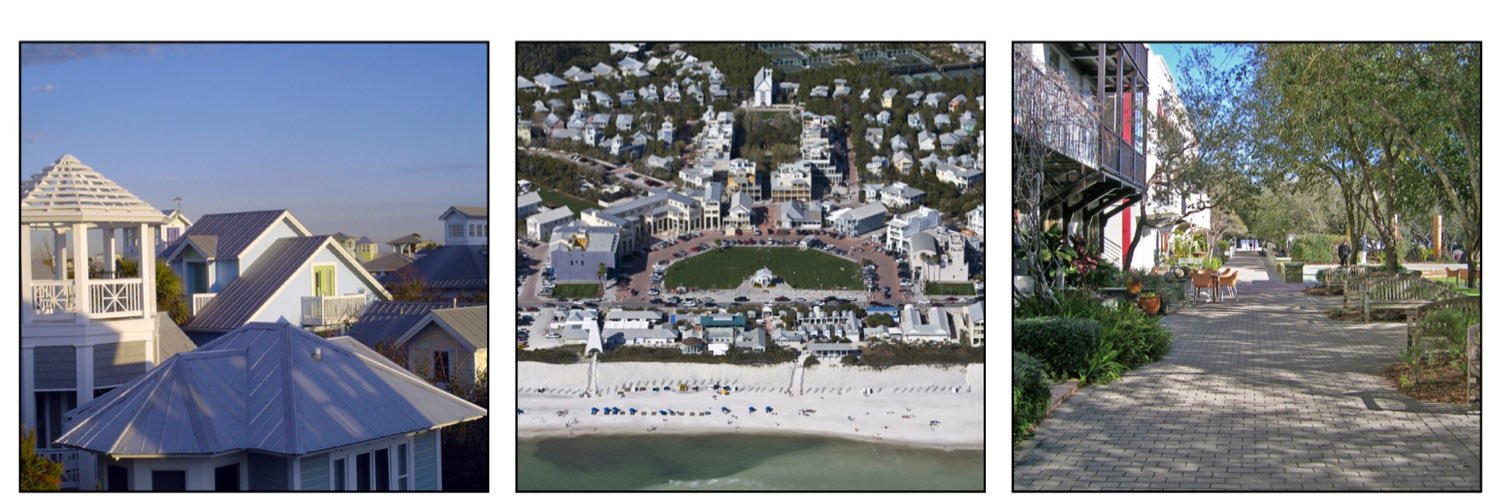
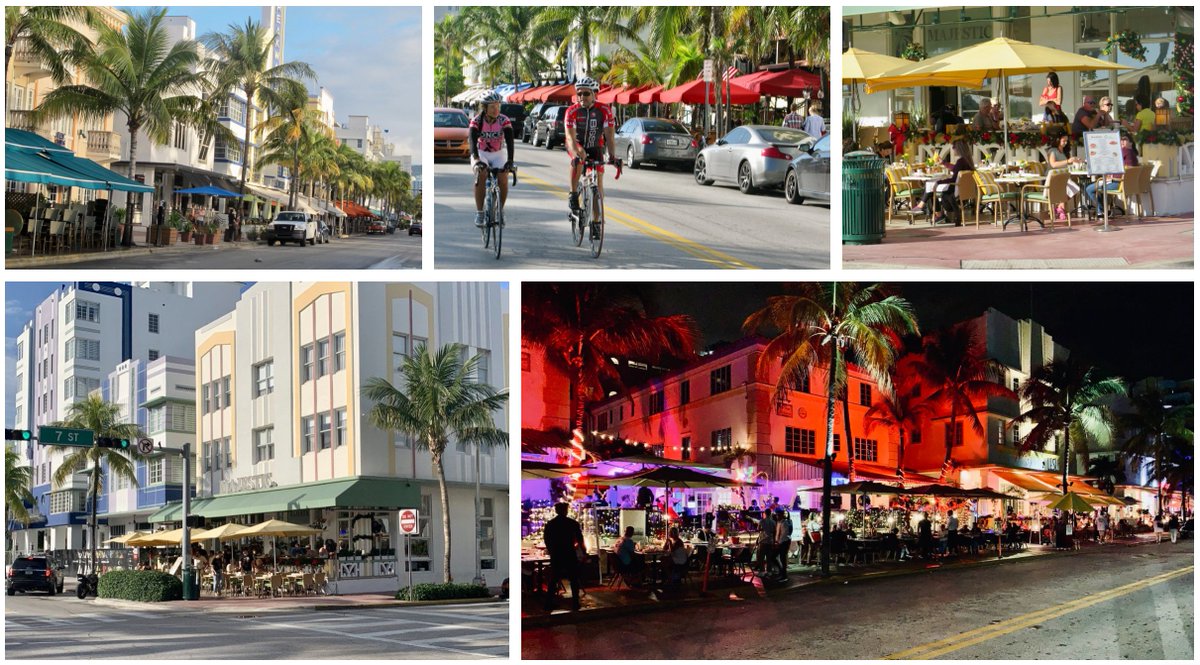
4. Turn Buildings Inside Out
Rather than creating settings that look good in a skyline photo but are inhospitable in real life, the talents of designers can be better used to create #greatplaces where communities come together.
#ArchitectureOfPlace
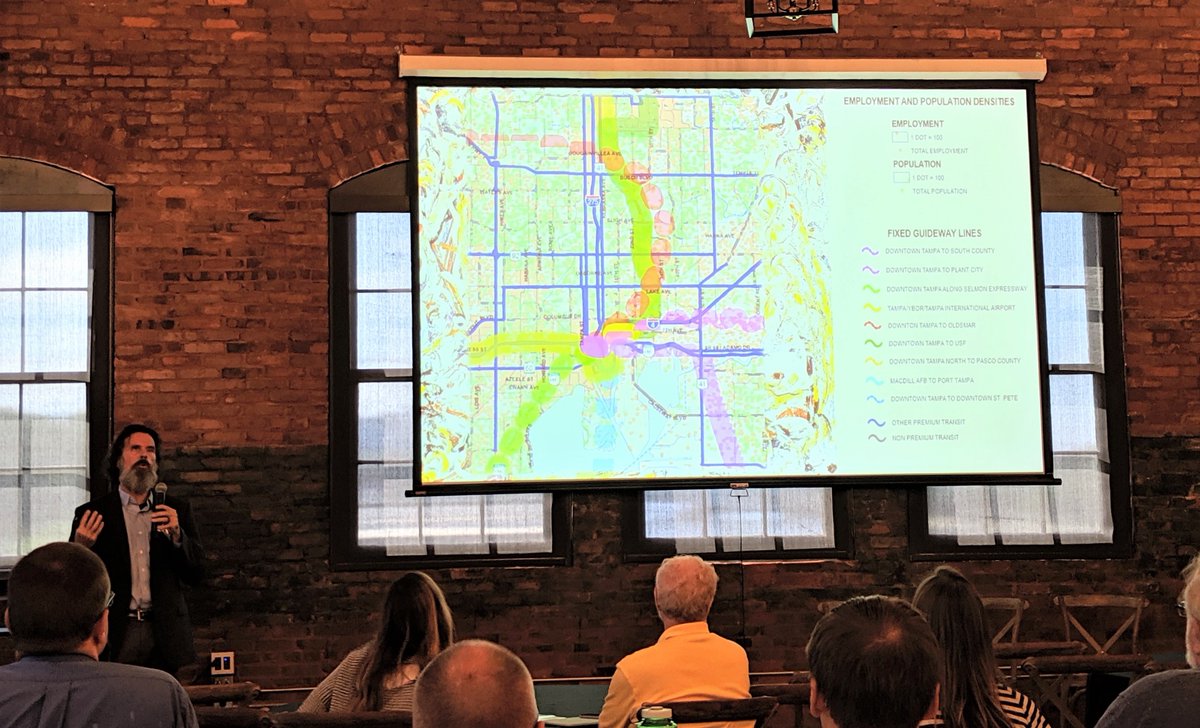
Plan Hillsborough was a proud bronze sponsor of the @CNUFL Statewide Meeting held in Tampa 10/3 & 10/4. Today, our own Jay Collins was excited to present Planning for Transit Oriented Development in Tampa to #cnuFL2019's planners and new urbanists from around the state.
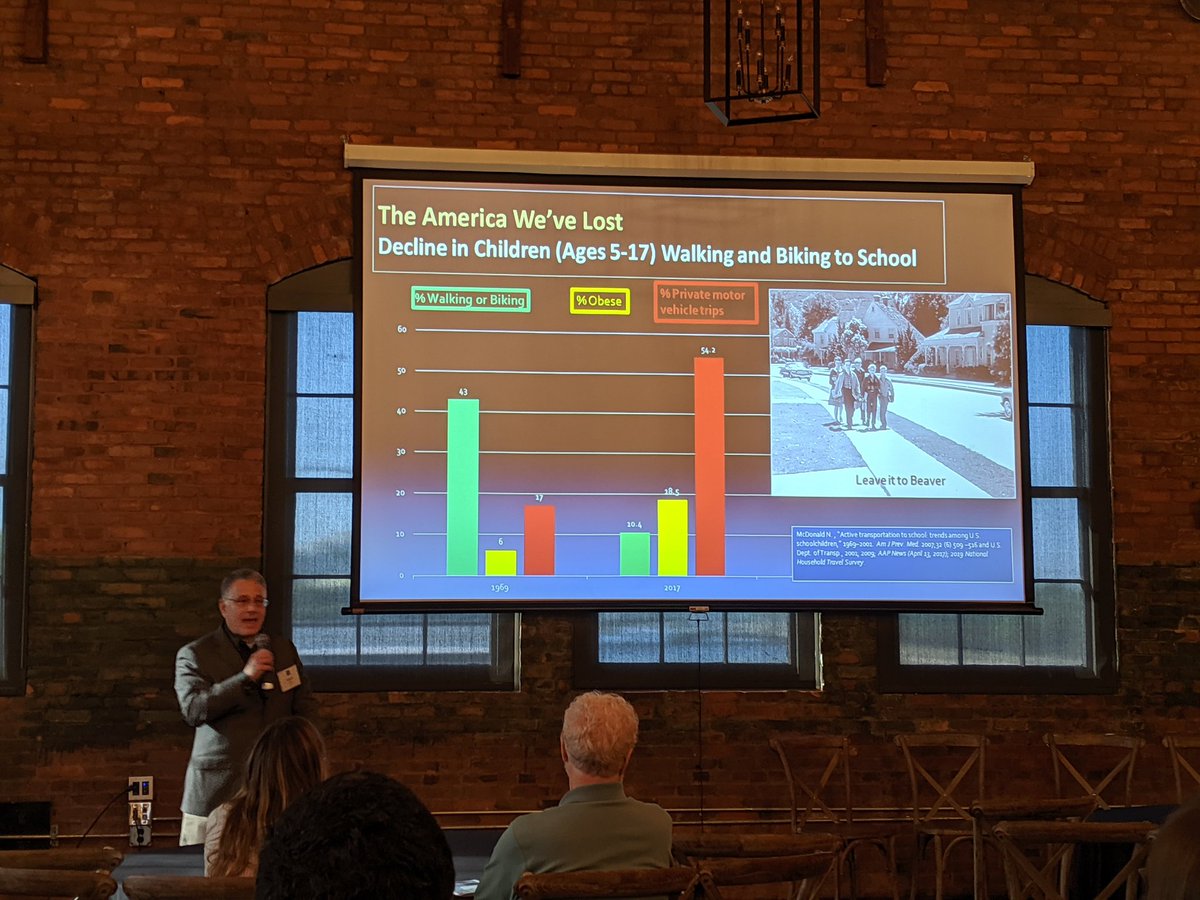
Rick Geller gets things kicked off at @CNUFL highlighting some worrisome trends in how kids get to school and the rise in obesity rates and the need for neighborhood schools. #NewUrbanism
.@lrichardsCNU addresses the annual meeting of @CNUFL about the social, environmental, and economic challenges that the best urbanism addresses--and how we can put the policies, codes, and practices in place to make it happen in more places.
Orlando, Tampa, and Miami all rank in the bottom tier of this report.
The report credits Orlando with 3 "Walk-UPs," that is, three walkable urban places. We count more--Avalon Park, Baldwin Park, Celebration, Downtown Orlando, Thornton Park, Winter Garden, and Winter Park.