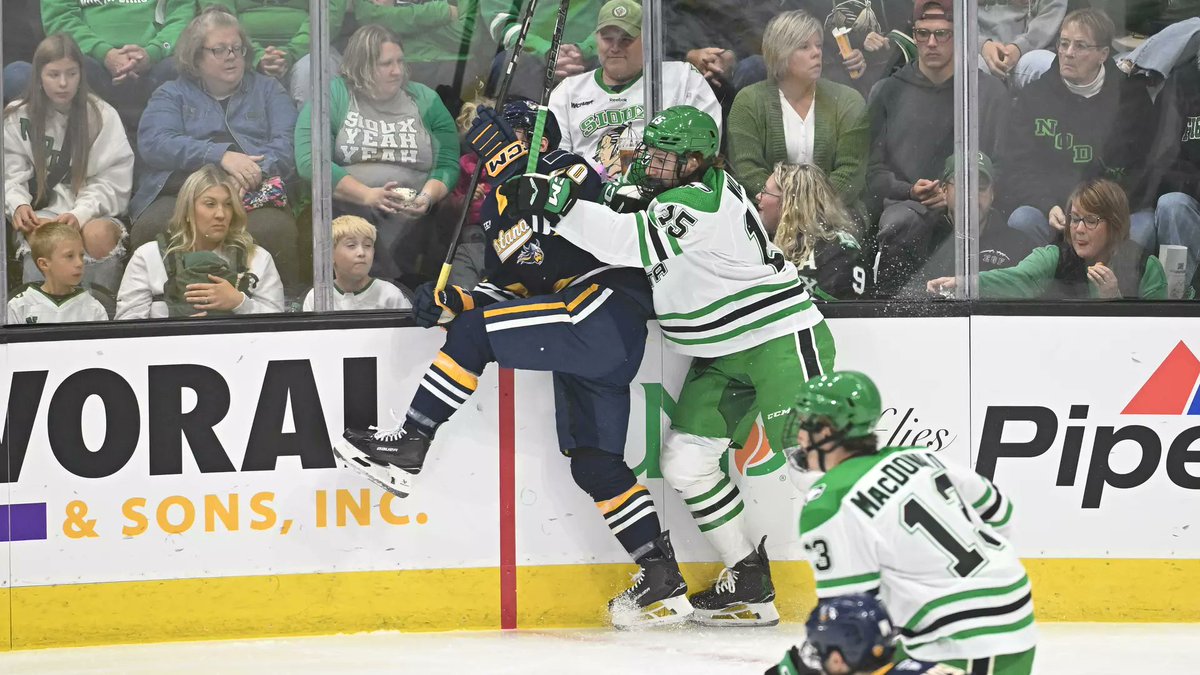
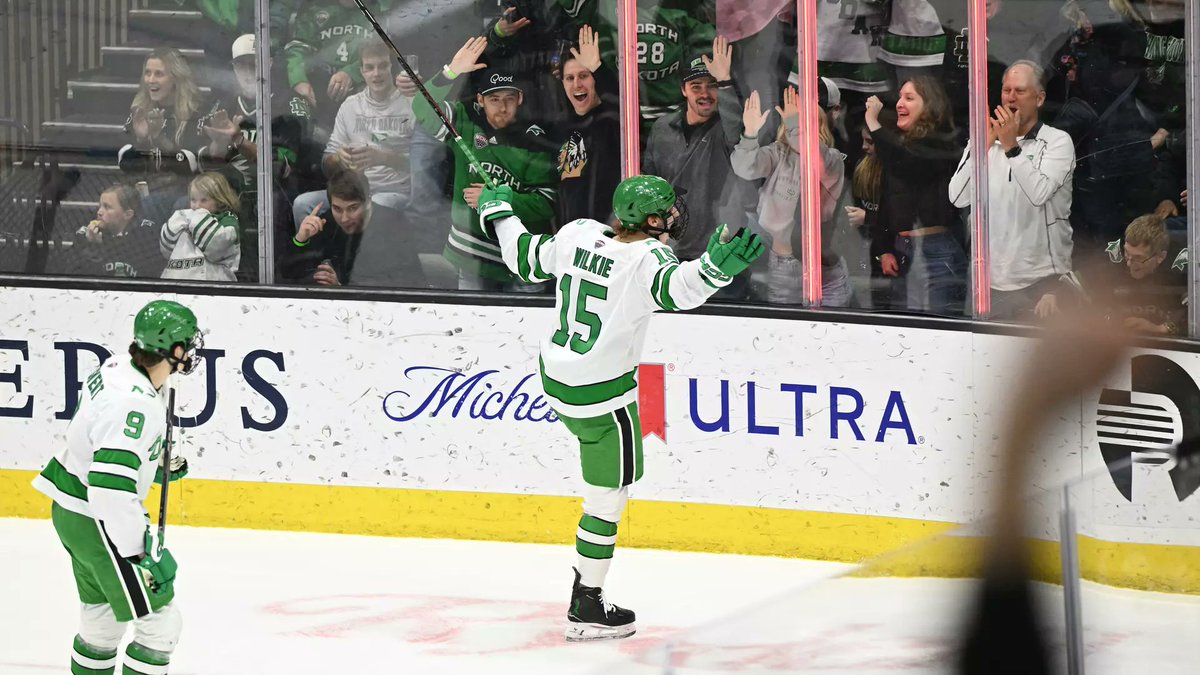
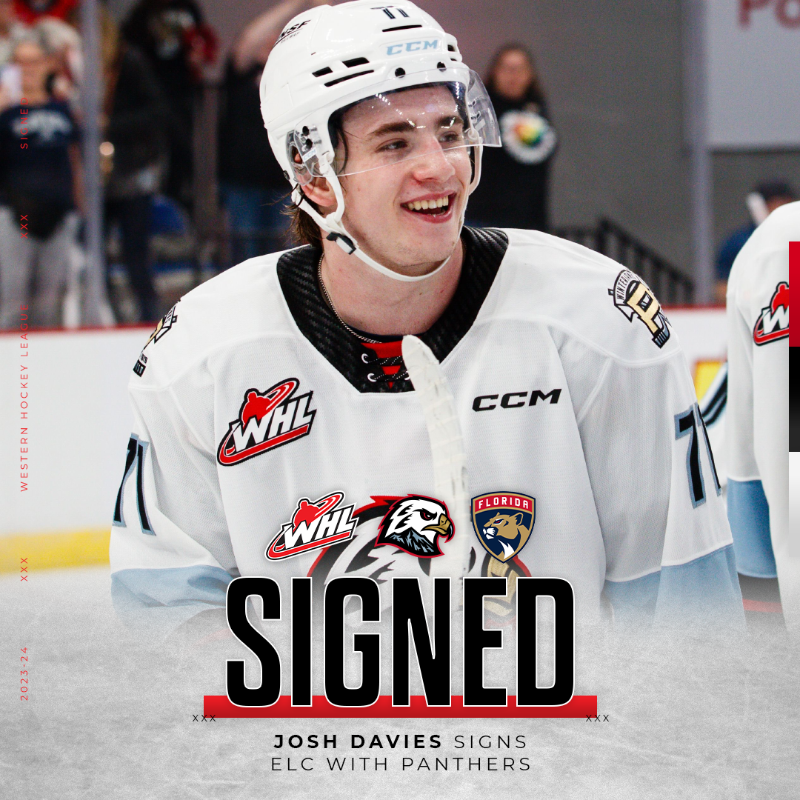
The Calgary Wranglers have added right-shot center Carter Wilkie to the Wranglers roster on an Amateur Tryout (ATO).
The Calgary native played four seasons in the NCAA, scoring 129 points in 155 games between RIT and University of North Dakota.
“When you worry about results like so many people in our society do, it makes it tough to ever be happy. We don’t concern ourselves with the results, we try to focus on what exactly it is we want to achieve Unbelievable effort, toughness, resiliency. If you do that, you’ll get good results,” Kirby Smart
There are so many ways to incorporate quick little transitions into your game! Lots of inside and outside c-step transition work this summer! 💥
Sequence transitions with edge work and crossovers in practice and these skills will translate more easily into practice/games.
Nice job fellas!🙌
Hockey Coaches:
I love starting my practices with a small area game.
It's a great way to get the kids engaged. It's a great way to get them competing. It's a great way to get the energy up when they're having a lot of fun and battling against each other.
When they get into that mentality from the start, everything else after has a little bit more added incentive and intention. The practice has an added energy as you progress into the other things you want to work on that day which makes everyone rise to the top of their game.
“Flintstones vitamins” is a metaphor that I've heard Roger Grillo with USA Hockey use all the time, and it's something that we as coaches in youth hockey should try to use as we are drawing up our practice plans.
What do Flintstones vitamins represent?
They represent candy. Something that's fun that kids LOVE.
But it also has some nutritional value that makes them a little better.
Our practices should represent that kind of mentality.
With our drills in youth hockey, we should wrap developmental principles around fun around games…something that kids will enjoy. “Hide” the development inside of drills that the kids are going to think are a blast.
Flintstones Vitamins.
For more than two decades, Braden Robertson has given time and money to girls' hockey in Vernon.
Depuis plus de 20 ans, Braden Robertson donne temps et argent pour le hockey féminin à Vernon.
#NVW2024 | #SAB2024 | #EssoCup | #CoupeEsso | @TOLakers_aaFor more than two decades, Braden Robertson has given time and money to girls' hockey in Vernon.
Depuis plus de 20 ans, Braden Robertson donne temps et argent pour le hockey féminin à Vernon.
#NVW2024 | #SAB2024 | #EssoCup | #CoupeEsso | @TOLakers_aaa
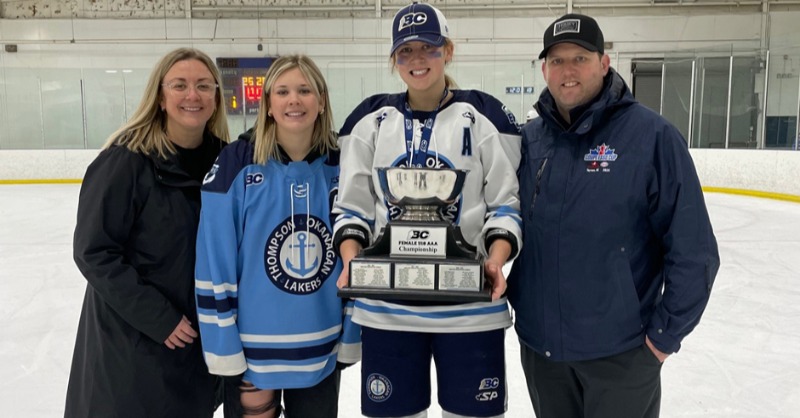
🏆 Female U18 CHAMPS 🏆
The Thompson-Okanagan Lakers are the BCEHL Female U18 AAA Champions!!
Congratulations to the Fraser Valley Rush on a great game and their second-place finish!
#bcehl#bcehlaaahockey#aaahockey
I recently posted this question:
If you could build a youth hockey program from scratch today, how would you do it?
And I got a lot of great replies. But with Twitter there is no orderly way to follow threads, so I’m posting a summary of responses. 👀 There are some surprises.
I just got off the phone with one of the best hockey directors in the North America. Just does things the right way and really cares about the kids and families in his and other organizations.
Their teams are always ranked at the top of the country on @MYHockeyRanking at the Tier 1 level too so hopefully that keeps the crazies reading.
And if you are one of those crazies who got more excited about that statement than the one about him doing things the right way, I hope what I’m about to say will resonate.
I asked him about the different successes at different birth years he’s seen in his area. What was it about certain birth years that lead to more successful years and more players moving on as they got older?
Were there any striking differences between the coaches, philosophies, standards between the ones that did well and the ones that didn’t?
His answer was awesome. And it goes against what so many believe about youth hockey development.
His answer?
The years that had more success and moved more kids on were the ones that didn’t create the super teams early. The talent was spread out amongst more teams in the area longer. There was a resistance to the urge of shortening the talent pyramid too early.
Amen.
For everyone out there that thinks Mite AAA is a good idea (I’d even say Squirt AAA), or who think that if a kid doesn’t make the Brick their career is over, or who pray on parents selling them on the premise they need to play on a super team before puberty or their development is gonna be left behind…
Retire from the game. You have no clue what you are talking about.
“As many as possible, for as long as possible.”
It’s a standard that I’ve researched from other countries that are top in the world in youth development. It’s an amazing motto they’ve lived by and promoted with their development models.
We do the opposite.
We structure things that drive people out of the game, with super elite AAA stupid crap at the youngest ages being Exhibit A.
Why does Minnesota always send out the most elite players?
“As many as possible for as long as possible.”
Rant done.
Meet the nominees. Carter Wilkie is a forward at RIT! @ritathletics
Vote daily for your favorite Hobey Baker candidate by heading to https://t.co/IvMEUiQYfi
Nick Saban walked up to the interview podium after practice one day.
“Okay, y’all ready for a lecture?” he asked.
What followed was a powerful lesson on entitlement and doing your best.
Saban on the Importance of Nothing:
“Let’s talk about the importance of nothing. You get up every day, you’re entitled to nothing. Nobody owes you nothing.
“You have talent, but if you don’t have discipline, you don’t execute, you don’t focus, what do you get? Nothing.
“If you’re complacent and not paying attention to detail, what does that get you? Nothing.
“So, nothing is acceptable but your best.
“Everything is determined by what you do and trying to be your best. There should be nothing else but that, for everybody.
“That’s what we need to stay focused on. We need to not accept anything but our best in terms of what we’re doing in preparation.”
–
It’s a simple, but profound message.
Some key takeaways:
1. Entitlement is a disease. It stunts growth and erodes culture.
2. Success has a one-day life cycle. Yesterday doesn’t dictate today.
3. Nobody is owed anything. When your feet hit the floor in the morning, it’s on you.
4. Talent matters, but it’s far from all that matters.
5. The actions you take drive success. Talent only amplifies those actions.
6. Even the best can’t afford complacency. There are competitors trying to defeat you every day.
7. If you’re entitled, the biggest competitor is yourself.
8. If you’re owed nothing, that means nobody else is either. Therein is your opportunity.
9. You can have the best strategy, the best business model, the best talent and … none of it matters if you don’t execute.
10. There are no guarantees. Relish the unknown.
|||
Hope this is helpful. Follow me @TMitrosilis for more writing.
I also write a weekly newsletter on the process of improvement → https://t.co/Akm89Spodg
Top 5 Sporting Talent Lessons for #Coaches and #Parents:
1. Early rise - early fall: super star kids rarely and I mean winning the lottery odds type rarely - make it to the top as senior #athletes.
2. Real talent is harder to HIDE than it is to FIND. #talent I.D. programs are generally overfunded and over-rated in their ability to identify genuinely #talented athletes because for the most part they only measure physical capabilities - see NEXT LESSON....
3. DO NOT WORSHIP PHYSICAL TALENT: There is so much more to #sporting success than being bigger, stronger and faster.
4. The only kid who can't improve is the one who's not there: Your number 1 priority is creating an environment where they fall in love with their sport so they keep coming. All the #talent in the world is worthless if they're not coming to training.
5. Whether they win or lose make sure they know that you care about them the same i.e. that how much you care about them is NOT dependent on their sporting performances.
Drop-out Zones in Sport:
A common problem that sports face all over the world is what we call athlete dropout, where athletes, for some unexplained reason, just drop out of sport, maybe forever. There are three very clear time periods where athlete dropouts are the highest, and we call these dropout zones.
Dropout zone number one is when young athletes are making the progression from primary school into high school, where they're going from having one teacher to many teachers, where they're growing and developing and they're changing physically, emotionally, developmentally, intellectually, and so many other ways.
The second dropout zone is around that mid-teen area where kids are getting serious about their subject selection for the rest of high school, maybe choosing subjects they'll have a bearing on their acceptance into university or eventually their career.
The third dropout zone we see is when athletes leave high school and enter college or university, where they might be changing cities, changing towns, changing relationships and again facing so many life changes with work, with study and med school.
Sports Thoughts#12: Sport's Drop-out Zones https://t.co/xlavc1PZTs via @YouTube
COACHES: When most people talk about tracks or backchecks, it's about skating back hard into the defensive zone. But how we should be talking about them is starting in the offensive zone.
If you want to be a team that's hard to play against, teach and preach tracking from the opposing goal line all the way back.
This is a great clip demonstrating an offensive zone track. McDavid hounds the puck, creates the turnover, and then does McDavid things to create the goal. UNREAL.
But not only is this a great clip demonstrating an offensive zone track...it's also a great clip to show your team about buy in. Here's the best offensive player in the world hounding the puck defensively. If McDavid is bought into it, your star players can to.
Look out for the Oilers...