Excited to share that our paper on white-nosed coati subgrouping dynamics is out in Animal Behaviour! Using high-resolution GPS collars to track entire groups, we found that coatis consistently split with their close relatives. 🐾 https://t.co/c3QIgd75LF
@JSotoShoender My guess is that this was scavenged. Adult male coatis are known to kill hunting dogs (their canines are deadly). This is probably an adult female (still a formidable opponent), but it’s hard to confirm based on this video clip.
@DAFQld In one case, we've documented the dispersal of an adult female to a location several kms away and across a major road in the Charters Towers council.
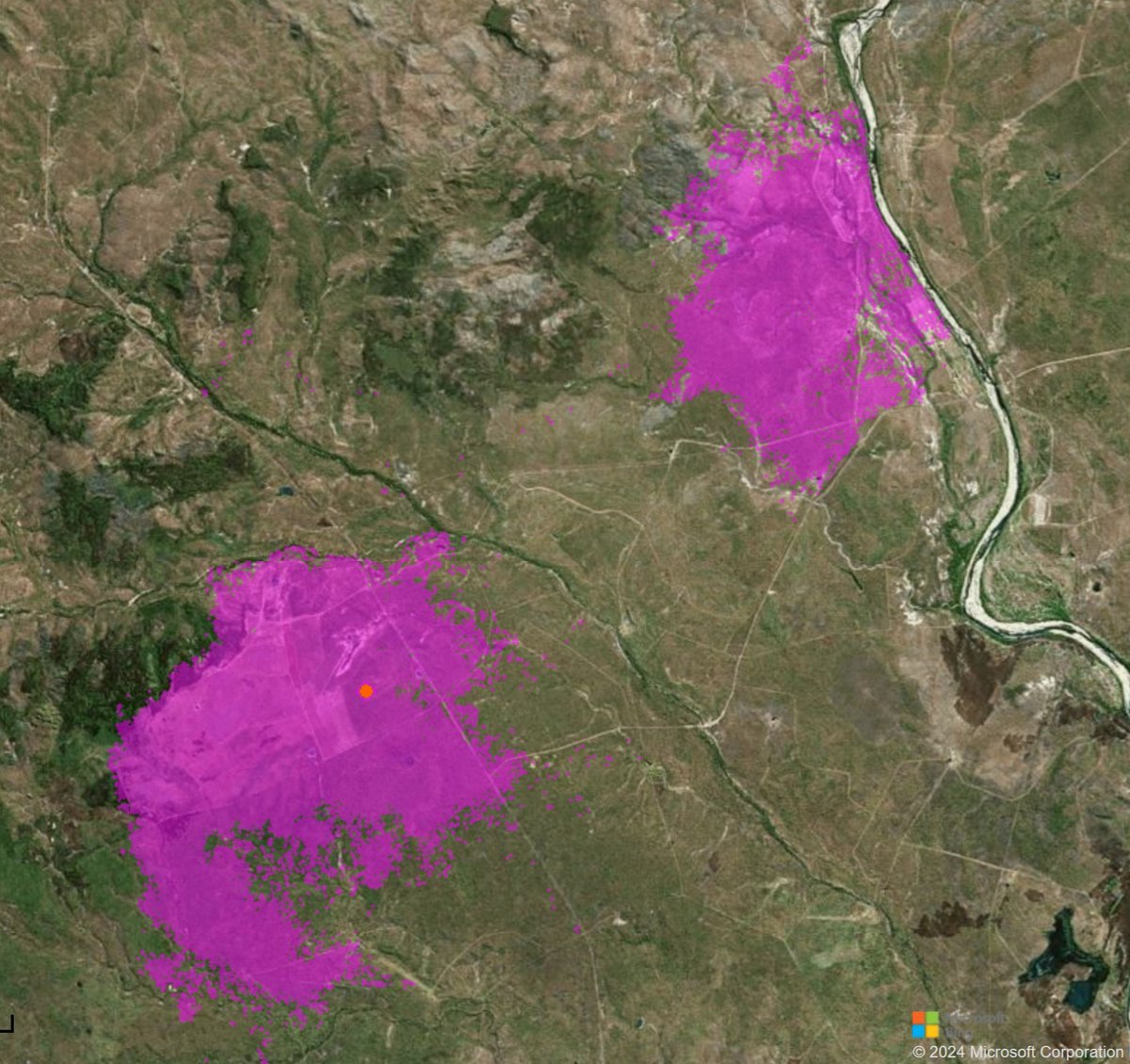
Sometimes it's nice to celebrate milestones. We've just surpassed 1 million GPS points from tracking 50 chital deer during the past 7 years (with awesome partners at @DAFQld).
@DAFQld In addition to tracking their location, we've been following these deer manually and using camera traps to monitor the offspring. By better understanding the demography of our population, we're hoping to get a better handle on predicting their spread and management options.
GPS is relatively new. So how can we study long-term animal movements? Our approach in @Ecology_Letters transforms historic location records (pre-GPS) into valuable data, revealing capuchins' responses to #climate and demographic change. #openaccess (https://t.co/soqMWA5vLK) 1/8
It's been >10 years of work- planning, grant writing, fieldwork, endless novel analyses, and writing - so I'm super excited to announce that our paper is finally out!
Why do primates have bigger brains🧠? Study @RSocPublishing shows that it’s not for efficient foraging. In the Panamanian rainforest, Ben Hirsch and Meg Crofoot compared how capuchins, spider monkeys, coatis and kinkajous solve the same foraging puzzle. https://t.co/Zizfw0oHS0 🧵
Our new paper tests the diet hypothesis for brain expansion. We found no evidence that larger-brained primates had more efficient foraging paths than smaller brained procyonids.
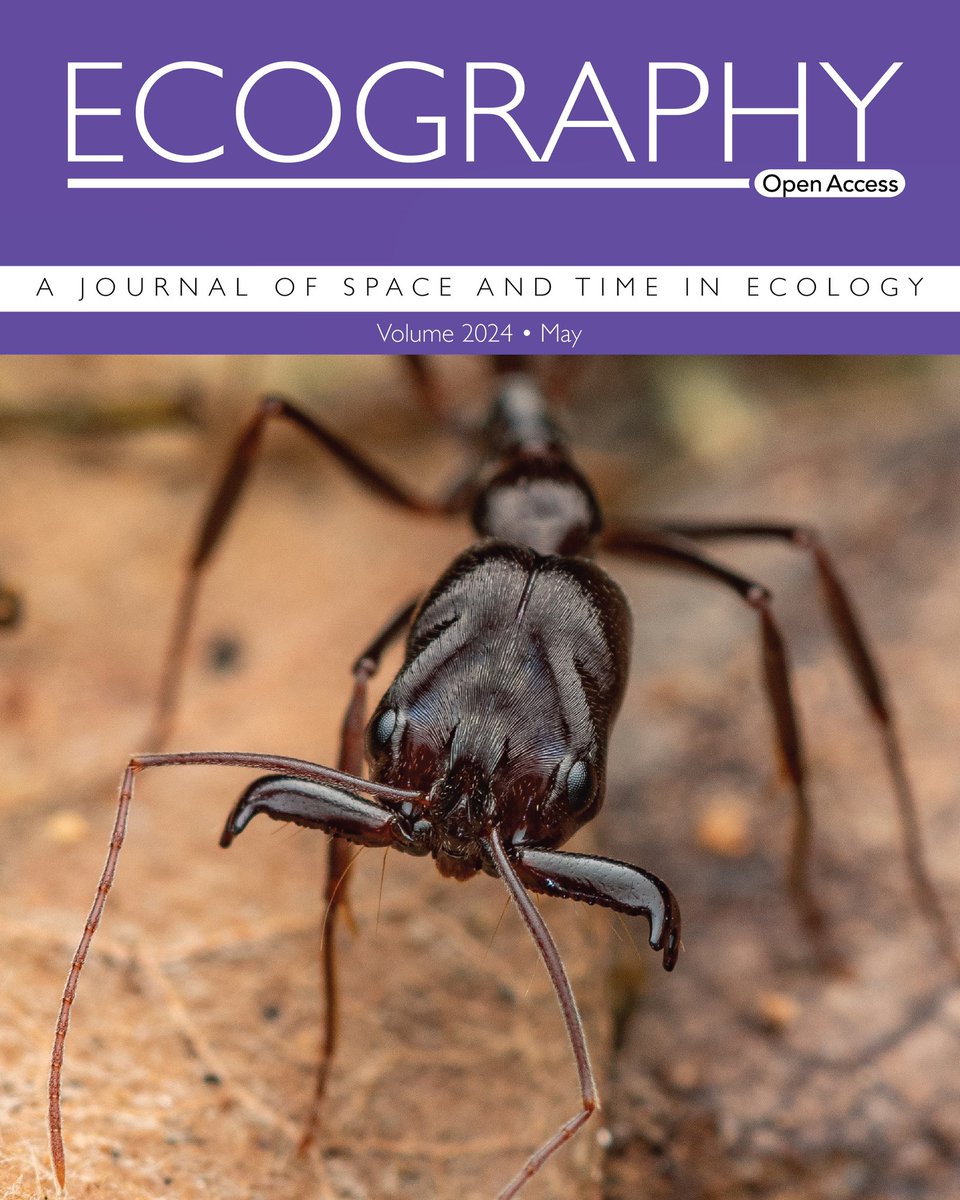
Ants on the cover of Ecography! The predatory 𝘖𝘥𝘰𝘯𝘵𝘰𝘮𝘢𝘤𝘩𝘶𝘴 𝘤𝘦𝘱𝘩𝘢𝘭𝘰𝘵𝘦𝘴, a ground-dwelling species of the Australian Wet Tropics, check out our paper here: https://t.co/tXEnAh0Dxi
Thanks François Brassard for the beautiful photo @ant__frank@EcographyJourna
@ellendymit@dtorresarboleda Behavior?! I think that is going to be really hard. Most studies are super-old and/or from trapping only. I can't think of anyone who has collared/observed possums in CA. Good luck!
Heartbroken to write this tweet announcing the death of Matt Gompper @coatiwhispereryester yesterday due to a rapid series of surprising health conditions. Matt was an incredible father, husband, friend and conservation scientist and will be greatly missed.
@RolandKays@abi_vanak @mike_cove @Suyian4Science@WCS_Canada@Mammalogists This is terrible news. Matt was my external PhD committee member, and someone who I really looked up to. I didn't get to spend too much time with him, but when I did, he was always super-supportive and passed down a wealth of knowledge and experience.
Very excited to share this paper out in Journal of Animal Ecology @AnimalEcology led by amazing MS student Brigit Humphreys on pilfering: individuals differ in their ability to locate and steal caches from other individuals #animalpersonality#smallmammals
https://t.co/MfU0BDU7xO
We just published a really cool tracking dataset that some might be interested in exploring – 665K GPS points from 47 individuals of 4 species of frugivorous mammals in Panama: kinkajou, coati, spider monkey, capuchin monkey (+ one peccary).
https://t.co/xRvPqVqrgz