2005 stellte Sony in San Francisco offenbar die einzig vernünftige Frage, die man sich beim Bewerben neuer Fernseher stellen kann:
„Was wäre, wenn wir 250.000 bunte Gummibälle einen Berg hinunterhüpfen?“
Und dann taten sie es einfach.
Eine Viertelmillion echte Flummis, zwölf gesperrte Straßen und ein Team, das vermutlich sehr schnell bereute, im Vertrag nicht nach einer Gefahrenzulage gefragt zu haben.
Für den legendären Werbespot „Balls“ kaufte die Produktion angeblich praktisch jeden verfügbaren Gummiball westlich des Mississippi auf. In amerikanischen Kaugummiautomaten herrschte daraufhin für eine Weile vermutlich jene trostlose Leer.
Damit die Bälle nicht bloß bergab kullerten, baute das Effektteam gewaltige Druckluftkanonen.
Und wie es funktionierte.
Die Flummis erreichten Berichten zufolge Geschwindigkeiten von über 160 km/h. Das Kamerateam trug Schutzkleidung, Helme und benutzte teilweise Schutzschilde.
Beim ersten Abschuss verwandelte sich die Straße in ein kontrolliertes Experiment zur Chaostheorie. Bälle flogen über Häuser, sprangen einen ganzen Häuserblock wieder bergauf und landeten in Abflüssen, die eigentlich weit außerhalb der berechneten Flugzone lagen.
24 eigens bereitgestellte Autos und sechs Häuser wurden beschädigt; allein kaputte Fenster sollen rund 74.000 Dollar gekostet haben. Ein Crewmitglied sah später beim Einchecken ins Hotel – mehrere Meilen vom Drehort entfernt – noch einen einzelnen Gummiball über den Bürgersteig hüpfen.
Nach jedem Take begann die eigentliche Heldentat: das Einsammeln von 250.000 Flummis an den steilsten Straßen San Franciscos. Dafür gab es besondere Schaufeln, Netze und sogenannte „Ball Wranglers“.
Noch Jahre später sollen Anwohner einzelne Bälle in Dachrinnen und Abflüssen gefunden haben. Manche bewahrten sie als Souvenir auf. Damit ist der Spot vermutlich die einzige Werbekampagne, deren Requisiten zwei Jahrzehnte später noch selbstständig in Garagen auftauchen.
Das Ergebnis war aber eine der schönsten Werbungen der 2000er: eine unwirkliche Lawine aus Farbe, gefilmt in Zeitlupe und begleitet von José González’ „Heartbeats“. 🔴🟡🟢🔵
Hey @grok, is this true??
Some data centers now run on lab-grown human brain neurons derived from stem cells, wired directly to silicon chips via electrode arrays, and kept alive on life support. Fed sugar every few days. They play Doom. We don’t know if they’re conscious.
الباحث j4ck3lsyn اللي نشر ثغرة PHP، نزّل تغريدة يوضح فيها موقفه بعد الانتقادات،
وخلاصتها: (دزوا أمها)
باختصار يقول: ما سويت شي غير قانوني، وما عندي أي عقد ولا اتفاق مع أي برنامج أو منصة، والعقود الاجتماعية ما لها قيمة في زمننا هذا.. فدزوا أمها.
وهذي بالضبط هي السالفة. الرجّال نشر ثغرة تنفيذ كود عن بعد في PHP، أداة تشغّل نص مواقع الإنترنت، وبكل برود يقول لك أنا ما وقّعت على شي ولا ملزم بشي. ومن الناحية القانونية صح، ما فيه قانون يجبره ينسّق قبل لا ينشر. بس الإفصاح المنسّق (responsible disclosure) ما كان يوم قانون، هو عُرف المجتمع الأمني عشان الجهة المتأثرة تطلّع تحديث قبل لا يصير الاستغلال متاح للكل.
Hermes GPT 🤝 Jev
Stop burning your Codex tokens on shit you can do right from ChatGPT.
That’s why I built Hermes GPT. Now I’ve wired Jev into it too, so we can get a second opinion before running with an idea.
Built it. Tested it. Open-sourced it. 👇
Alguien se tomó la libertad de filtrar la carpeta de investigación sobre el operativo en Chihuahua al periódico Sin Embargo. Espero que no les guste mucho viajar a Estados Unidos, es delito federal filtrar identidades e información privada de agentes de inteligencia de allá...
major life hack: stop complaining about everything. if something is within your control, take action. if it isn't, stop giving it your energy. constantly complaining can keep your attention focused on the negative and make it harder to notice the good around you. protect your peace, focus on what you can change, and stop letting things outside your control dictate your mood.
A new 𝟯𝟭𝗕 𝘂𝗻𝗰𝗲𝗻𝘀𝗼𝗿𝗲𝗱 𝗺𝗼𝗱𝗲𝗹 just dropped for local creative writing and dark fiction.
𝗪𝗶𝗰𝗸𝗲𝗱-𝗧𝘂𝘁𝘂-𝟯𝟭𝗕 (𝘃𝟬.𝟭) is tuned specifically to eliminate moral lectures, safety preaching, and refusal loops in roleplay:
• 𝗭𝗲𝗿𝗼 𝗠𝗼𝗿𝗮𝗹 𝗣𝗼𝗹𝗶𝗰𝗶𝗻𝗴: Handles dark fantasy, psychological horror, and unfiltered character roleplay
• 𝗧𝘂𝗻𝗲 𝗔𝗿𝗰𝗵𝗶𝘁𝗲𝗰𝘁𝘂𝗿𝗲: High-rank LoRA (Rank 128) trained on complex narrative interactions
• 𝗦𝗶𝗹𝗹𝘆𝗧𝗮𝘃𝗲𝗿𝗻 𝗢𝗽𝘁𝗶𝗺𝗶𝘇𝗲𝗱: Direct drop-in for KoboldCpp, LM Studio, and Ollama
• 𝟭𝟬𝟬% 𝗢𝗳𝗳𝗹𝗶𝗻𝗲 & 𝗣𝗿𝗶𝘃𝗮𝘁𝗲: No corporate API logging, zero censorship filters
Hardware specs for GGUF: → Q4_K_M quant (~19–21 GB) runs fully on single RTX 3090 / 4090 (24GB) or Mac unified memory
Model files on Hugging Face:
https://t.co/Cg4GQE3U17
¿Qué más putas pruebas ocupan de que los porros que reventaron la marcha de hoy para exigir agua limpia en Jalisco eran chilangos enviados por Morena?
Yo viví en Guadalajara y en mi puta vida escuché a alguien decirle «metro» al Tren Ligero. Y para acabarla de chingar, también hablan del «Zócalo», como si estuvieran en la CDMX.
Los narcomorenistas hasta para montar sus teatritos son unos reverendos pendejos.
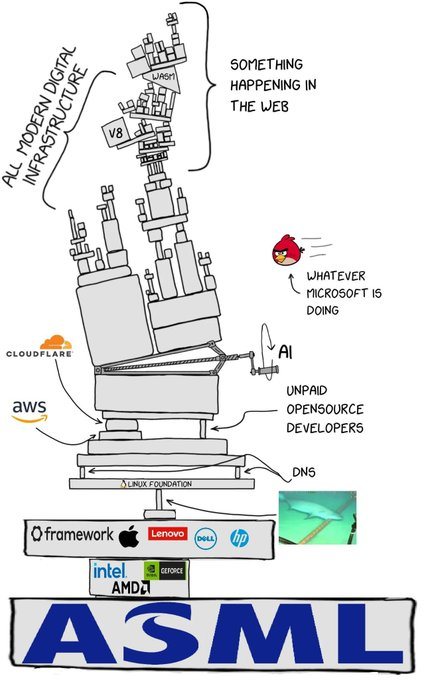
A casino installed a smart fish tank in the lobby.
Beautiful thing. Automated feeding. Temperature control. Remote monitoring.
Connected to the internet. Obviously.
Hackers found it.
Exploited it.
Downloaded the high-roller database.
10 gigabytes.
Sent it to Finland.
Using audio and video protocols so it looked like normal streaming traffic.
The fish tank sat in the lobby maintaining water chemistry while stealing credit card numbers.
The casino isolated the fish tank on its own VPN.
Separate network. Segregated. Off limits to everything.
Hackers didn't care. Broke through the isolation anyway.
Once inside the fish tank's system. They pivoted to the main network.
Quietly pulled data. Methodically.
10 gigabytes over time so nobody noticed.
Nobody monitors fish tank outbound traffic.
Why would they.
It's a fish tank.
When Darktrace finally investigated they saw it immediately.
The fish tank sending massive amounts of data to an external IP.
Using protocols designed for audio. Not data.
Clear exfiltration.
The only device in the entire casino that ever communicated with that Finland server.
A fish tank.
Not a computer. Not compromised credentials. Not a malware-laden email.
A networked aquarium.
The lesson everyone learned: IoT devices are security theater.
You can secure them. Lock them down. Isolate them.
They're still connected to something. Still vulnerable to something.
And something will find them.
Even if that something is just checking if a fish tank is running the default password.