CodeScene is a multi-purpose tool bridging code, business and people. See hidden risks and social patterns in your code. Prioritize and reduce technical debt.
In this tutorial we use CodeScene ACE to refactor code smells using Gen-AI and through a fact-checking validation we can make sure that the refactoring has preserved the behaviour of the code.🚀
https://t.co/a0SodKYUNy
80% of commits are agent-assisted, without sacrificing code quality. In fact, code health improved. So what guardrails did the team at loveholidays put in place and how did they do it?
Watch the full video:
https://t.co/eAHOF8lLH1
Sign up for our upcoming C-suite discussion on the AI risks, who should own these discussions and how to mitigate these business risks.
Register and get the full AI series with recordings, research and blueprints:
https://t.co/QIOE9I96Zi
AI agents need 35–45% more tokens to work in unhealthy code than in healthy code.
Turn that into a dollar figure, and technical debt becomes a board-level ROI case.
Matthew Skelton, Adam Tornhill & Daniel Webb break down the numbers:
https://t.co/cnUnEWq2m5
How did loveholidays scale agentic code without sacrificing code quality? What quality checks did they have in place?
Read the full case study:
https://t.co/8RWBitc3Je
Our research across C++, Java, and Python shows that agents working on unhealthy codebases consume 35-45% more tokens to complete the same tasks. There is a way to save that waste and mitigate the risk.
Read more:
https://t.co/sxnjHAb1gs
Our research across C++, Java, and Python shows that agents working on unhealthy code consume 35-45% more tokens to complete the same tasks.
Read the full blogpost:
https://t.co/sxnjHAb1gs
🚀 Token waste that can be mitigated. That's a hot topic at our upcoming webinar. We're all token-aware, and there's room for big savings.
Tune in
What Unhealthy Code Costs in the Agentic Era and How to Fix It
This Friday, 7 PM CET.
Sign up https://t.co/2h61uMKpJ3
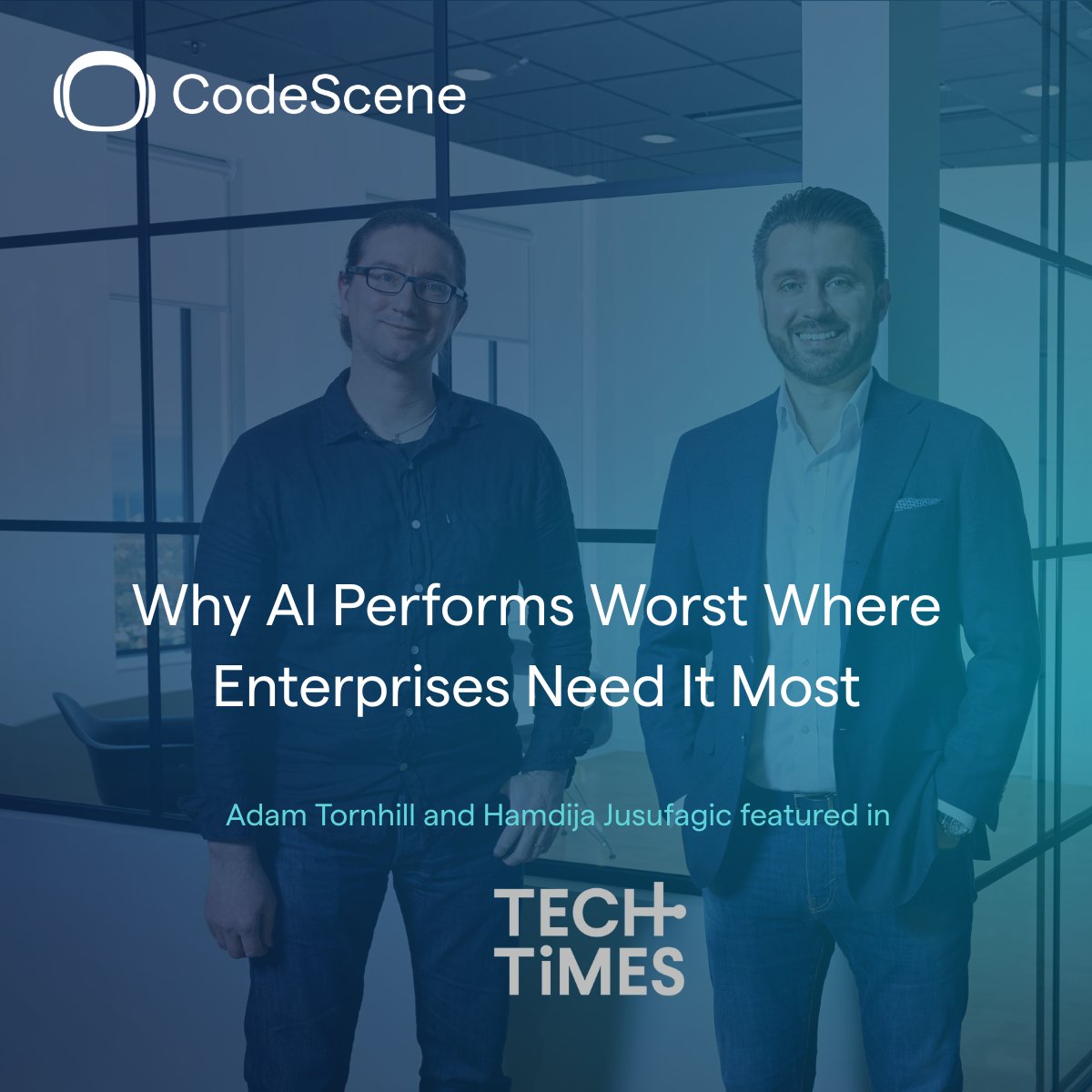
Agents perform worst where they are needed the most, in legacy codebases.
Why is that and what is missing for agents to operate reliably?
Our Principal Researcher Markus Borg explains. Tune in and happy Friday! 🎉
🚀New: Our Deterministic PR Refactoring Agent triggers Code Health-guided refactoring directly from a pull request. 60% defect risk when agents work on unhealthy code. 50% fewer tokens when they don't. Fix the foundation first. Read more: https://t.co/0IzUoshhdv
We’re proud to be featured once again in the @thoughtworks Technology Radar, a big thank you to the team for the recognition. 🙏
Read more and download the full Technology Radar:
https://t.co/10fEFM17AV
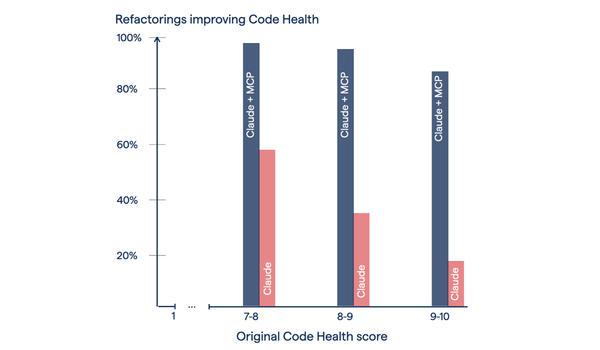
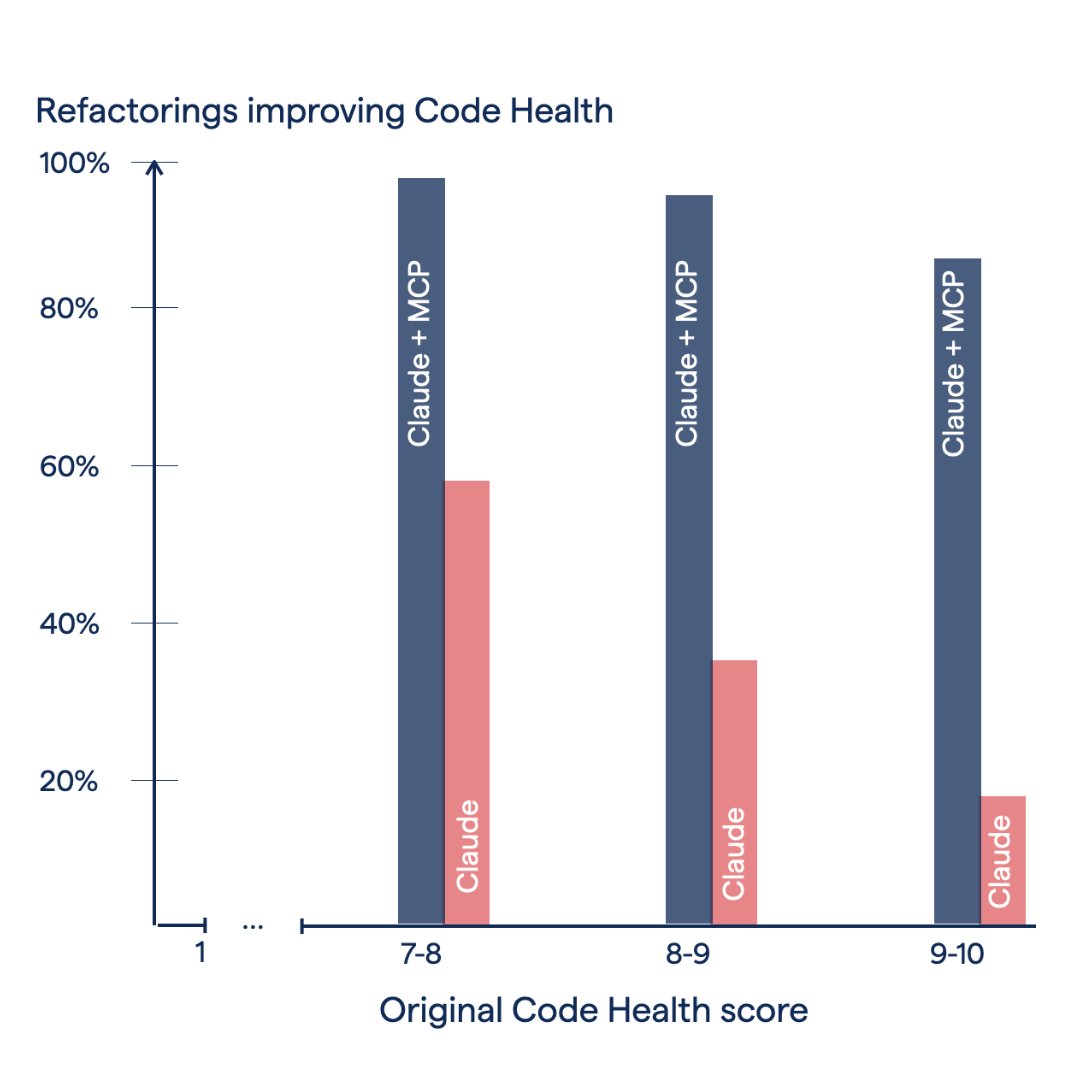
We benchmarked Claude Code on refactoring tasks, with and without MCP guidance. The MCP-guided agent achieved 2–5x more improvements in Code Health compared to raw refactoring attempts.
Read the full blog post:
https://t.co/klmNBd7IWL
We built the CodeHealth MCP server because we hit a very real problem.
AI can generate code quickly. But it doesn’t necessarily generate healthy code. We're changing that.
P.S..we’re opening early access.
https://t.co/II31EWCbl4
Raw vs. guided AI refactoring:
Claude Code out-of-the-box vs. guided by the CodeHealth MCP isn’t a small difference, it’s a step change. Across all scenarios, the MCP-guided agent delivered 2–5x more Code Health improvements than raw refactoring.
https://t.co/klmNBd7IWL
AI-generated changes fail 30%+ more often in unhealthy code.
That’s what our peer-reviewed study (5,000 programs, 6 LLMs) shows.
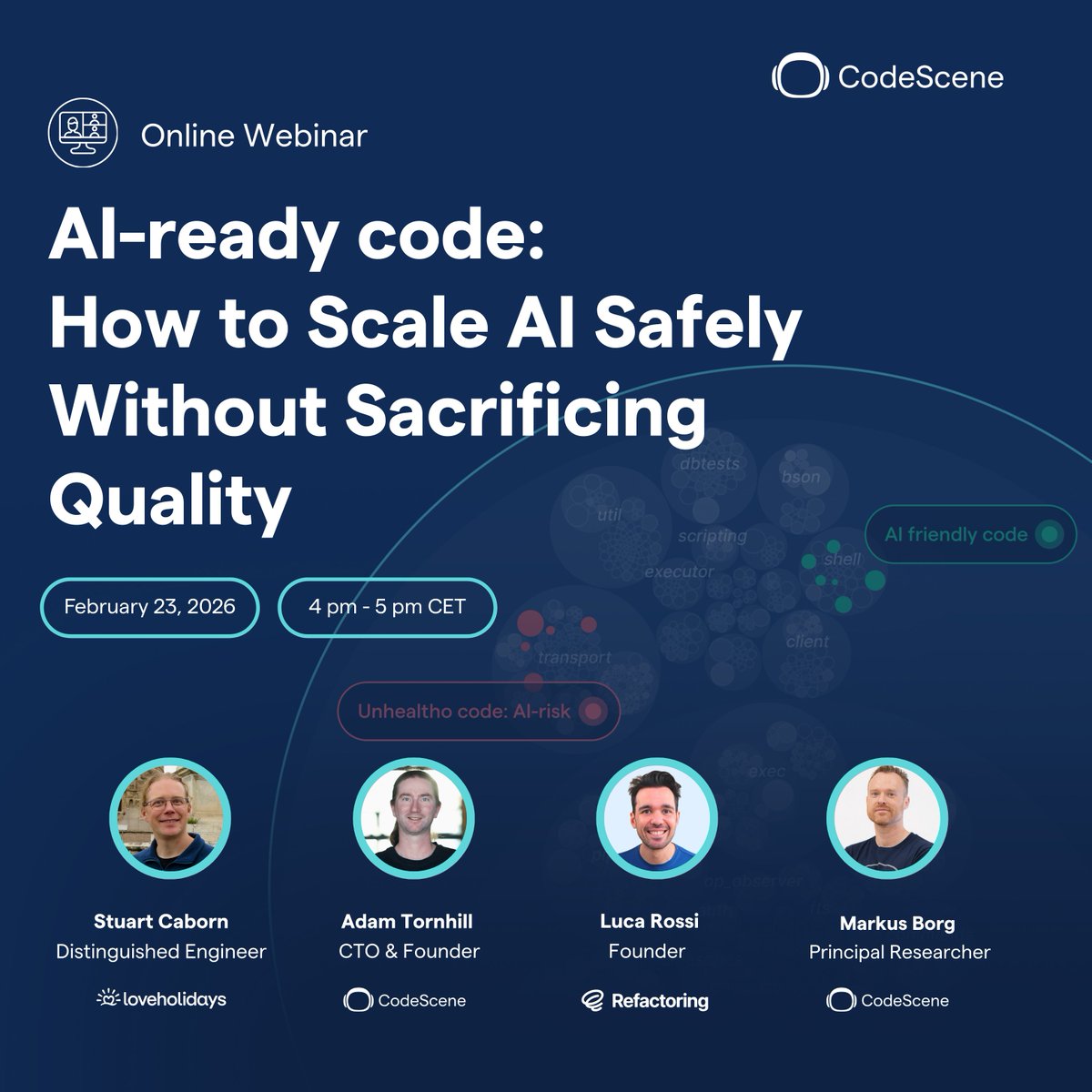
Next week, we’re hosting a live webinar on:
How to scale AI safely, without increasing defect risk.
Join us 👇
https://t.co/GmQVGdg7nz
Sign up for our upcoming webinar where we explore how to adopt and scale AI coding safely, with real-world evidence from loveholidays.
We’ll also dive into how Code Health determines AI performance, when AI introduces defects, and how to avoid them.
👉 https://t.co/sjWTKFCAUS