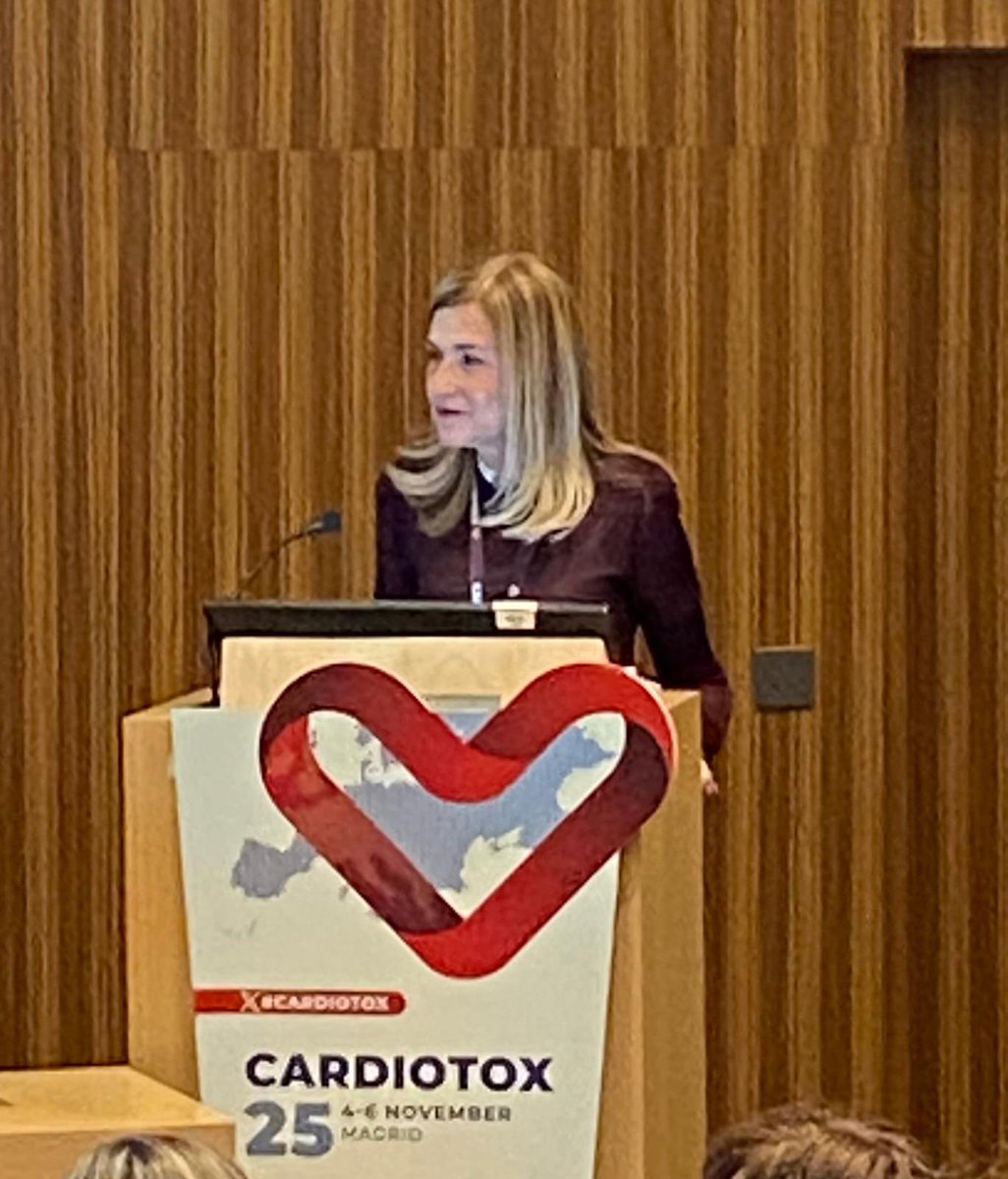
Anthracyclines still carry🫀risk CECCY: carvedilol didn’t prevent LVEF decline, but reduced troponin & diastolic dysfunction signals📉LVEF may be too late—early markers matter 🧠 Future: target high-risk pts & biomarker-guided prevention🚀@slumberbell@LlamedoClara@DrBonnieKy
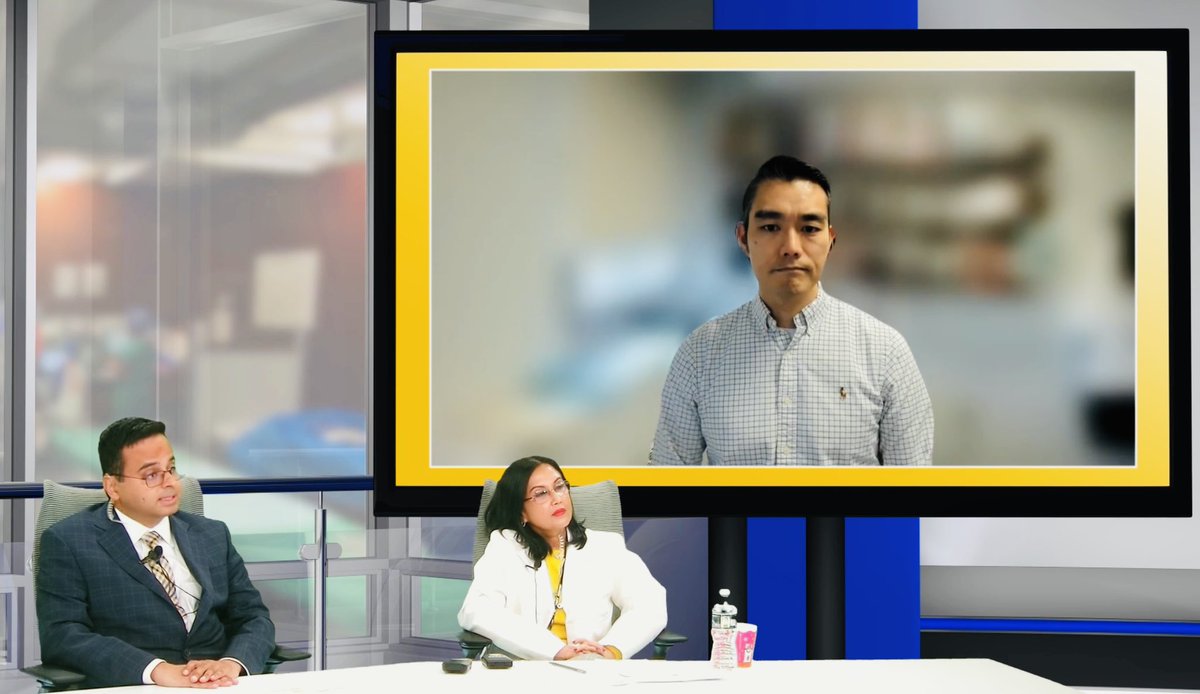
🚨 Expert-led #CardioOnc webinar happening TODAY at 14:00 GMT | 09:00 EST titled 'Cardiac Masses in Cardio-Oncology: Cardiac Masses at the Crossroads of Oncology and Cardiology' 👉 https://t.co/01NFDHYvkd
Don’t miss out on this valuable session with Dr Azin Alizadehasl, Dr Joe Carver and Dr Dan Lenihan for an in-depth discussion on cardiac masses.
👋 See you there!
#CardioOnc #Cardiology @ICOSociety
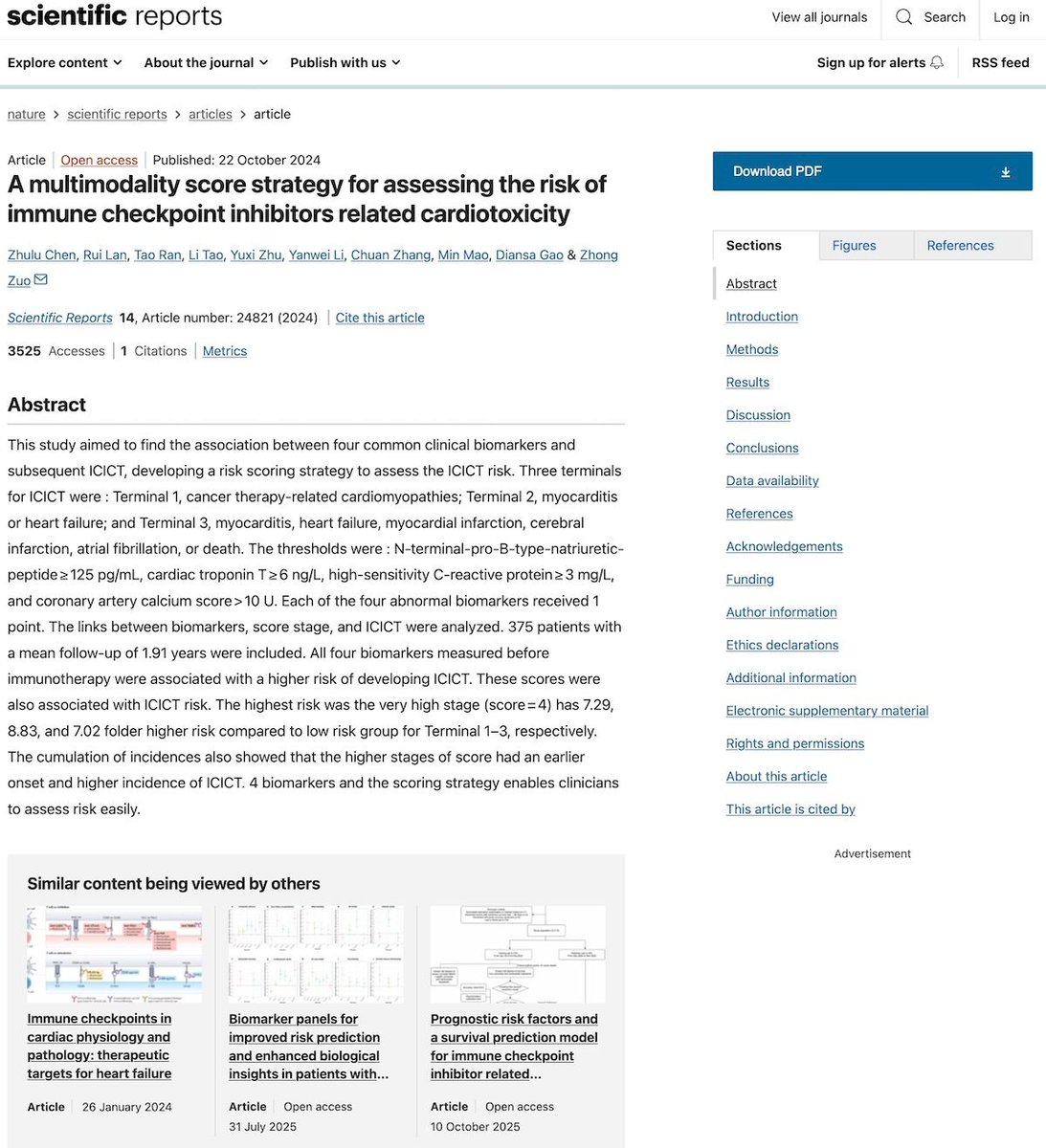
Score multimodal en la estratificación del riesgo de cardiotoxicidad por inhibidores del punto de control inmunitario
🗂️ https://t.co/CfXnpSTsrl ◀️
NUEVO comentario crítico de Jorge Martínez del Río publicado en "Lo mejor de la literatura en..."
🚨 St. Francis Heart Center, NY | Cardio-Oncology Journal Club
DrAnthony Yu @MSKCancerCenter presents prospective study evaluating ⬇️ frequent cardiac surveillance in ⬇️-risk HER2+ Breast cancer pts.
🔍 KeyFinding: Q6 months is noninferior to standard Q3 month echoes #CardioOnc
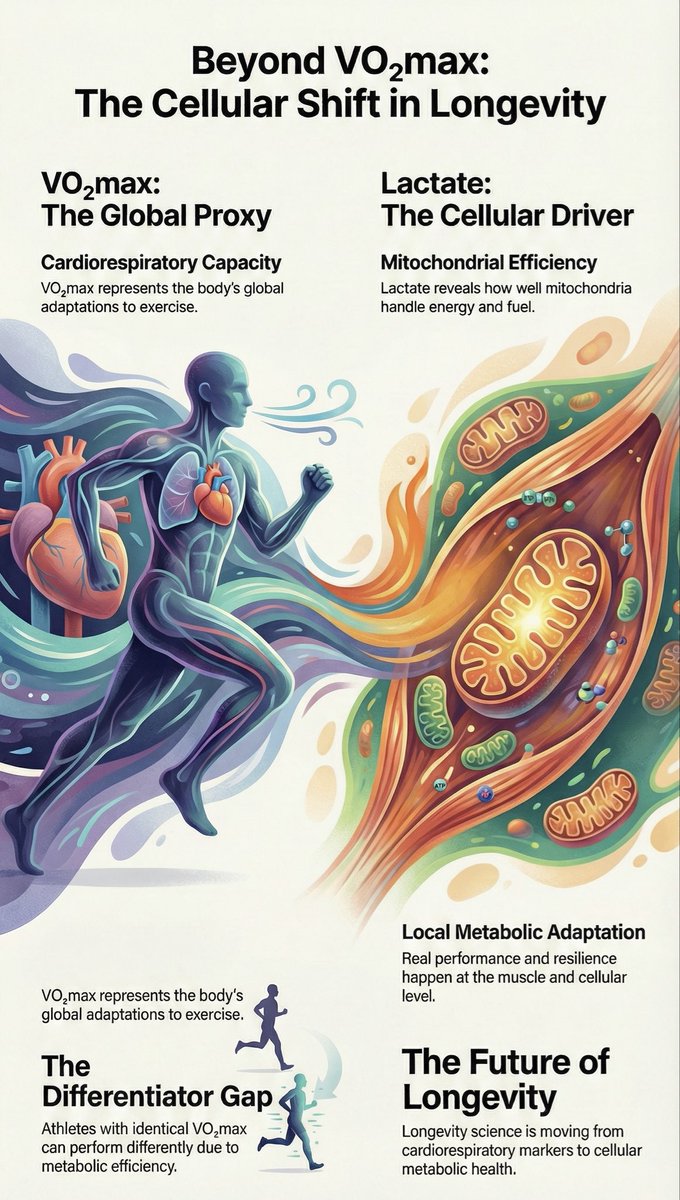
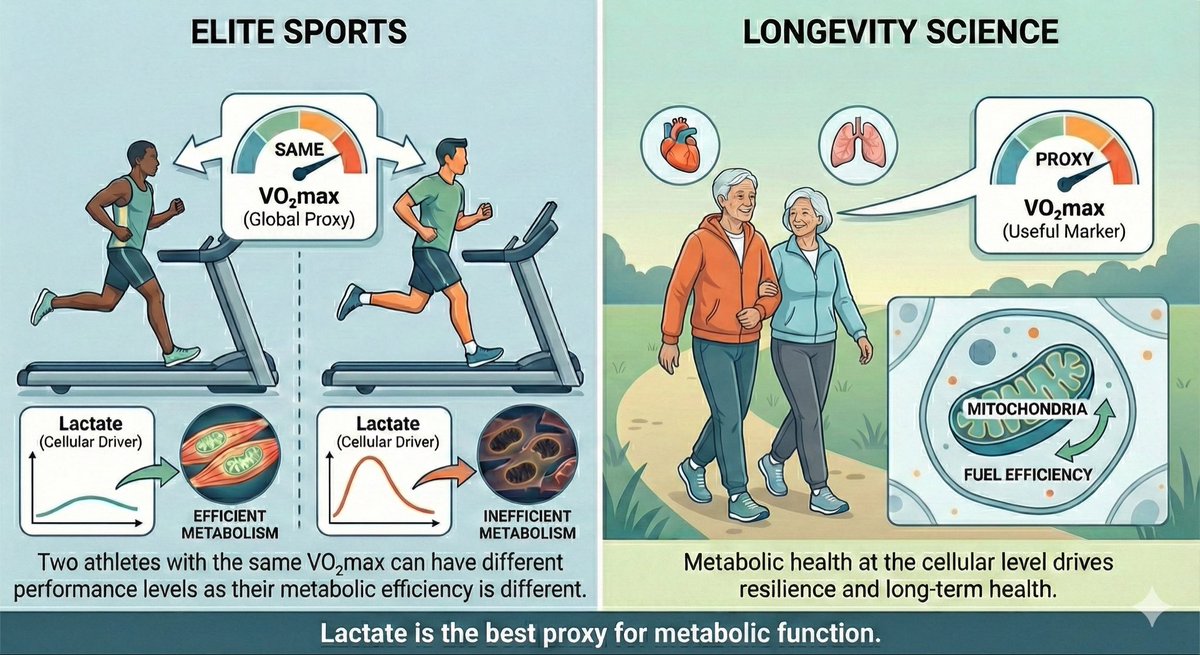
VO₂max represents the cardiorespiratory adaptations to exercise. It is a great metric but not the endpoint.
In elite sports, we learned this decades ago. Two athletes can have the same VO₂max, yet perform very differently as the differentiator is not the cardiorespiratory capacity but the local metabolic adaptations at the muscle and cellular level which are represented by lactate.
That’s why lactate became central. It tells us how well mitochondria handle energy, how efficiently fuel is used, and where metabolic limitations really are.
Longevity will follow the same path.
VO₂max is a useful global marker, but it’s a proxy. Metabolic health at the cellular level is the real driver of performance, resilience and long-term health.
We moved beyond VO₂max in sport.
Longevity science will be next.
Myocarditis and pericarditis in focus: A critical appraisal of the 2025 ESC vs ACC position statements from the Italian society of cardiology working group on cardiomyopathies and pericardial diseases https://t.co/PY1s7Q48XP
🚨Recently Published in #CardioOncology
Clinical characteristics and treatment outcomes of primary cardiac sarcomas: a retrospective analysis🔍
➡️https://t.co/WArLld0Ks4 @ICOSociety#OpenAccess
Interesante sesión sobre cierre de la orejuela y sus indicaciones en pacientes con cáncer: seguimos con muchas dudas. Sesión para cerrar el Cardiotox25. Congreso TOP como todos los años. Enhorabuena a los organizadores! #CardioTox@AslaCristina@cardiooncoSEC
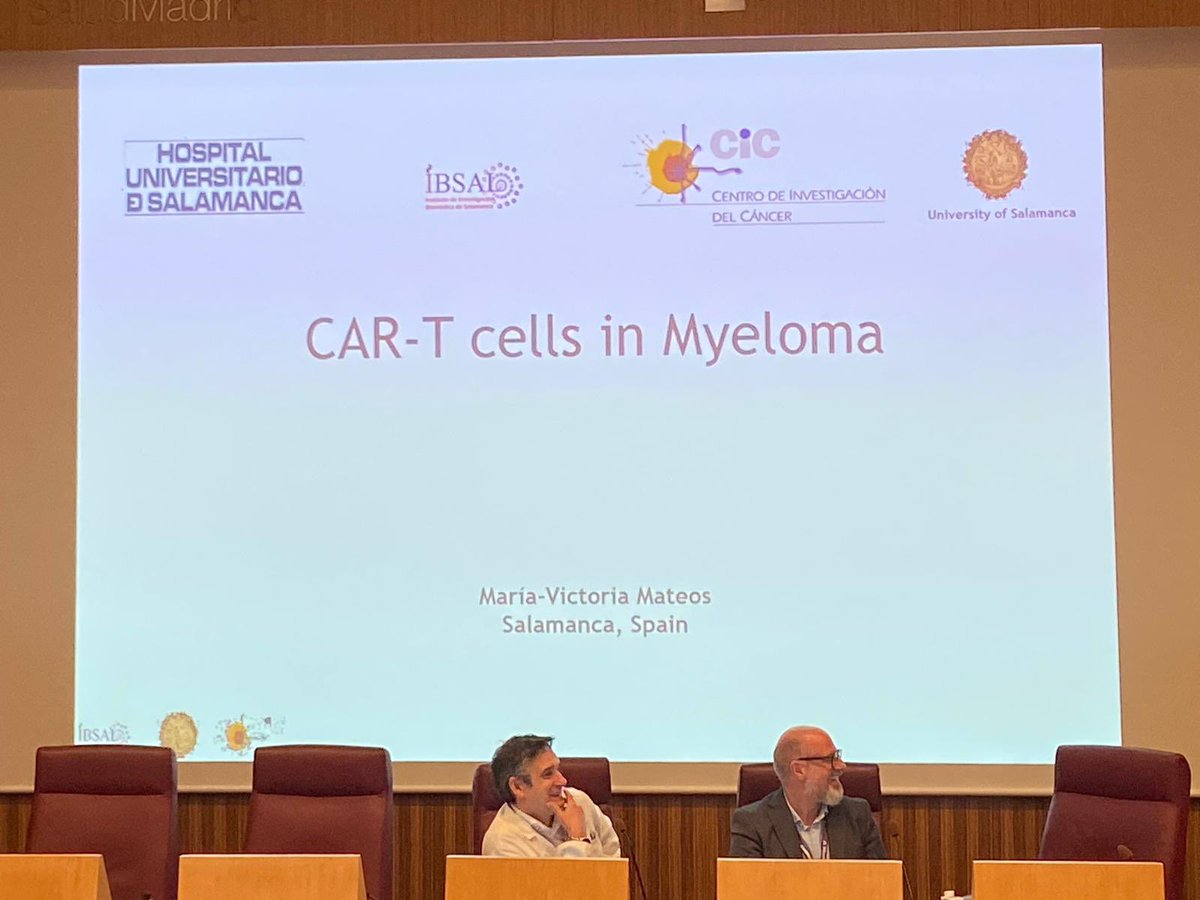
Verdadero privilegio contar @mvmateos en #Cardiotox25. Referente internacional en mieloma múltiple y terapias con células CAR-T, aportando su valiosa experiencia y visión sobre retos compartidos entre hematología y cardiología. #CardioOnco#CAR_T#Innovación
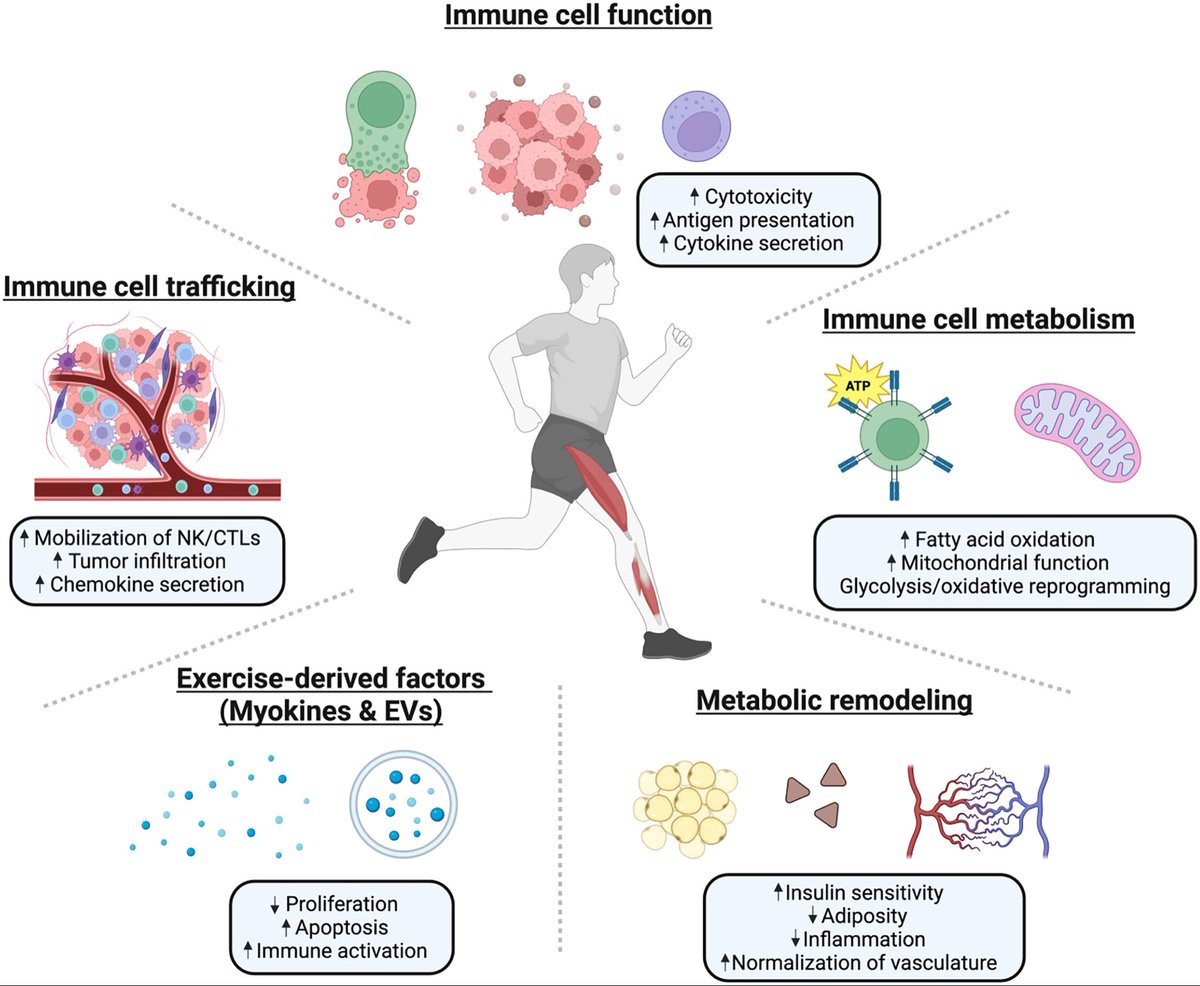
Exercice in cardio-oncology - making it happen. En el Cardiotox25 también se habla de ejercicio. Fundamental prevenir la pérdida de masa y sobretodo de función muscular. By @felipeisidro13. @AslaCristina#CardioTox
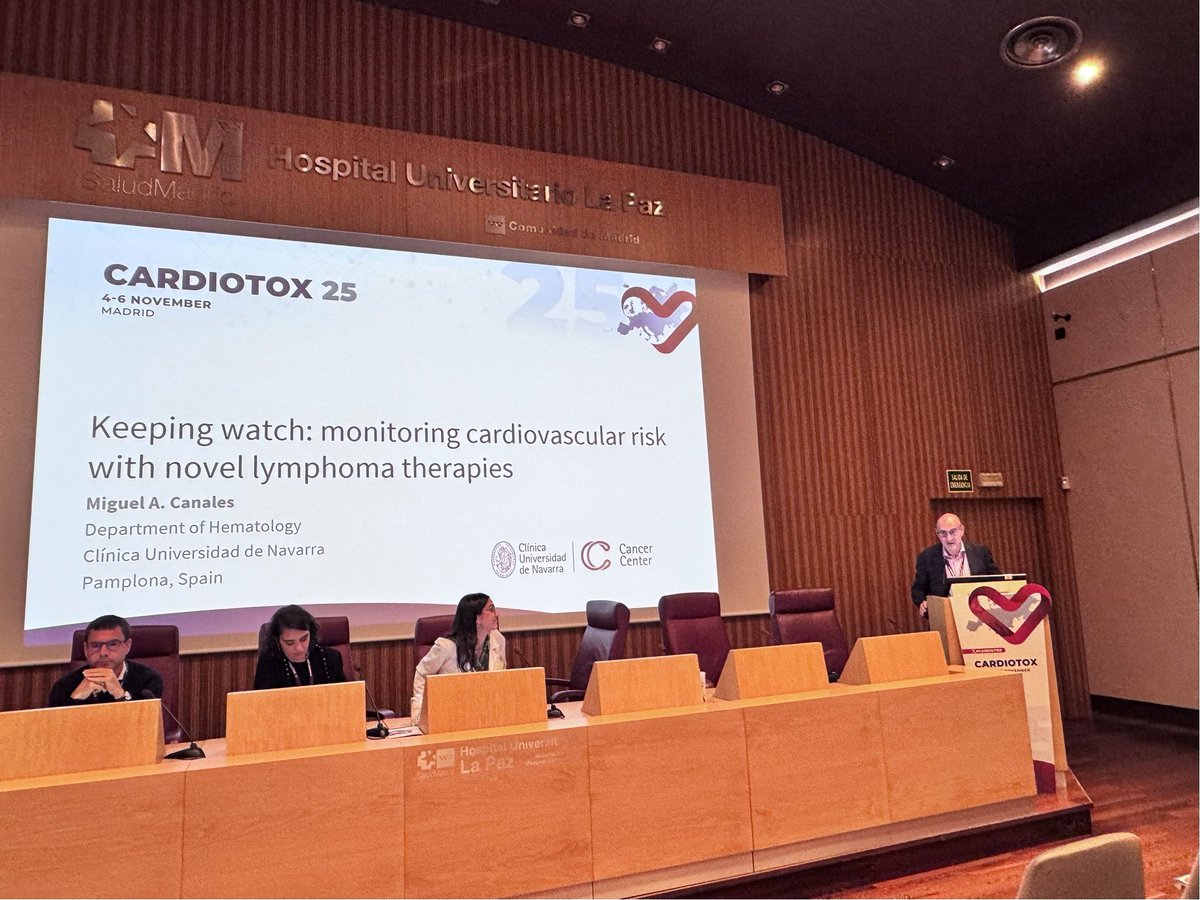
🌍 #CardioTOX25 | Mesa de #Hematología en el Congreso #CardioTox 👉 "Balancing Cardiovascular Risk in Onco-Hematology: A Team Effort"
🔴 Un debate clave sobre la prevención, diagnóstico y tratamiento de la toxicidad cardiovascular en pacientes con #cáncersanguíneo, un tema de creciente relevancia internacional.
👩⚕️👨⚕️ Con la participación de los expertos hematólogos: @DrMCanales, @jvalentingg y María Jesús Blanchard.
🎙️ Moderado por:
Raquel de Paz, hematóloga
Rocío Eiros, cardióloga
💬 Un espacio único para conocer los avances más recientes en la intersección entre la hematología y la cardiología en el tratamiento del cáncer.
🔔 Sigue toda la actualidad del congreso en redes y no te pierdas las últimas novedades.
@secardiologia@_SEOM@SEOR_ESP #HematoEnRed @DrRaulCordoba #SEHHematología #CardioOnco