O CEO da Anthropic disse que "coding vai acabar primeiro, depois toda a engenharia de software."
E está contratando 454 engenheiros a US$ 320k-405k.
Todo mundo gritando "hipocrisia." Ninguém olhou os dados.
O Bureau of Labor Statistics acaba de publicar as projeções 2033:
→ Software developers: +17,9% de crescimento. 327.900 novas vagas.
→ Computer programmers (codificadores puros): -3%. Em declínio.
Leia isso de novo.
A profissão de "escrever código" está morrendo. A profissão de "arquitetar sistemas" está explodindo. São duas coisas completamente diferentes.
Os engenheiros da Anthropic contaram ao Dario que não escrevem mais código. Eles deixam o Claude escrever. Eles editam. Revisam. Arquitetam. Ficaram mais rápidos, não ficaram obsoletos.
Isso já aconteceu 5 vezes na história da computação:
→ Compiladores substituíram assembly. "Programadores vão sumir."
→ Frameworks substituíram boilerplate. "Programadores vão sumir."
→ Cloud substituiu gerenciamento de servidores. "Programadores vão sumir."
Resultado de cada vez: o número de engenheiros cresceu.
O pool global de software engineers foi de 5 milhões em 2010 para 28,7 milhões hoje.
O headcount de engenharia da Meta subiu 19% desde janeiro de 2022.
Google subiu 16%.
Apple, 13%.
Todas essas empresas já usam Copilot e Claude Code diariamente.
Estão contratando mais, não menos.
O padrão que ninguém quer reconhecer:
Quando software fica mais barato de construir, mais problemas se tornam viáveis de resolver com software.
Uma startup que precisava de 10 engenheiros agora precisa de 3. Mas 50 empresas que não podiam construir nada agora podem.
O denominador encolhe. O numerador explode.
Isso se chama Paradoxo de Jevons. Quando um recurso se torna mais eficiente, o consumo total aumenta.
Aconteceu com energia.
Aconteceu com bandwidth.
Está acontecendo com código.
Cada geração de "coding morreu" cria dois grupos: os que congelam e os que constroem 10x mais com as novas ferramentas.
O segundo grupo venceu todas as vezes.
When you use a new technology, you’re constrained by decisions made in its design.
Churchill understood this! (He was referring to the design of Parliament).
If you’d like to infleunce the design of our new assessment systems - get in touch!
https://t.co/RuDQ9x1Dsf
We want to believe that technology is a neutral container for ideas. It isn’t. It changes the way we think and engage with content.
https://t.co/RNP4pBlY8V
🚨 We're very happy to introduce TRIBE v2: a foundation model of the brain's responses to sight, sound & language.
📄 Paper: https://t.co/uHwgOvTrRD
▶️ Demo: https://t.co/9ZX6XcOXSM
💻 Code: https://t.co/PCc2yKyh1D
🤗 Model: https://t.co/GiTKzsHUhY
Handwriting bias is a real problem. Some essays are really hard to read & get lower marks as a result.
Our latest feature lets you toggle between the original handwritten script & a transcription.
If you don't know how to trace & evaluate LLM apps yet, read this👇
In this video I used Opik to:
- Trace regular LLM calls.
- Trace a RAG workflows.
- Evaluate the workflow.
100% Open-source!
Disney shared a new short film titled "The Last Verse" that features a new verse to ‘It's a Small World’ written by Richard Sherman. Sherman shared the verse with Bob Iger in the summer 2023 as his final gift to the studio.
Are you one of over 1m people who overpaid their student loan last year? If so you can get your money, often £100s, back. My quick video briefing (including if it’s right for you to claim)…
Courtesy of @ITVMLshow (Tues 8pm)
Feel free to share with anyone it impacts
A free, online, hard-core Machine Learning book!
If you are interested in understanding how Machine Learning algorithms work, this is for you.
Great resource if you are one of those who cares about how the magic happens.
https://t.co/PCE1IwQFoJ
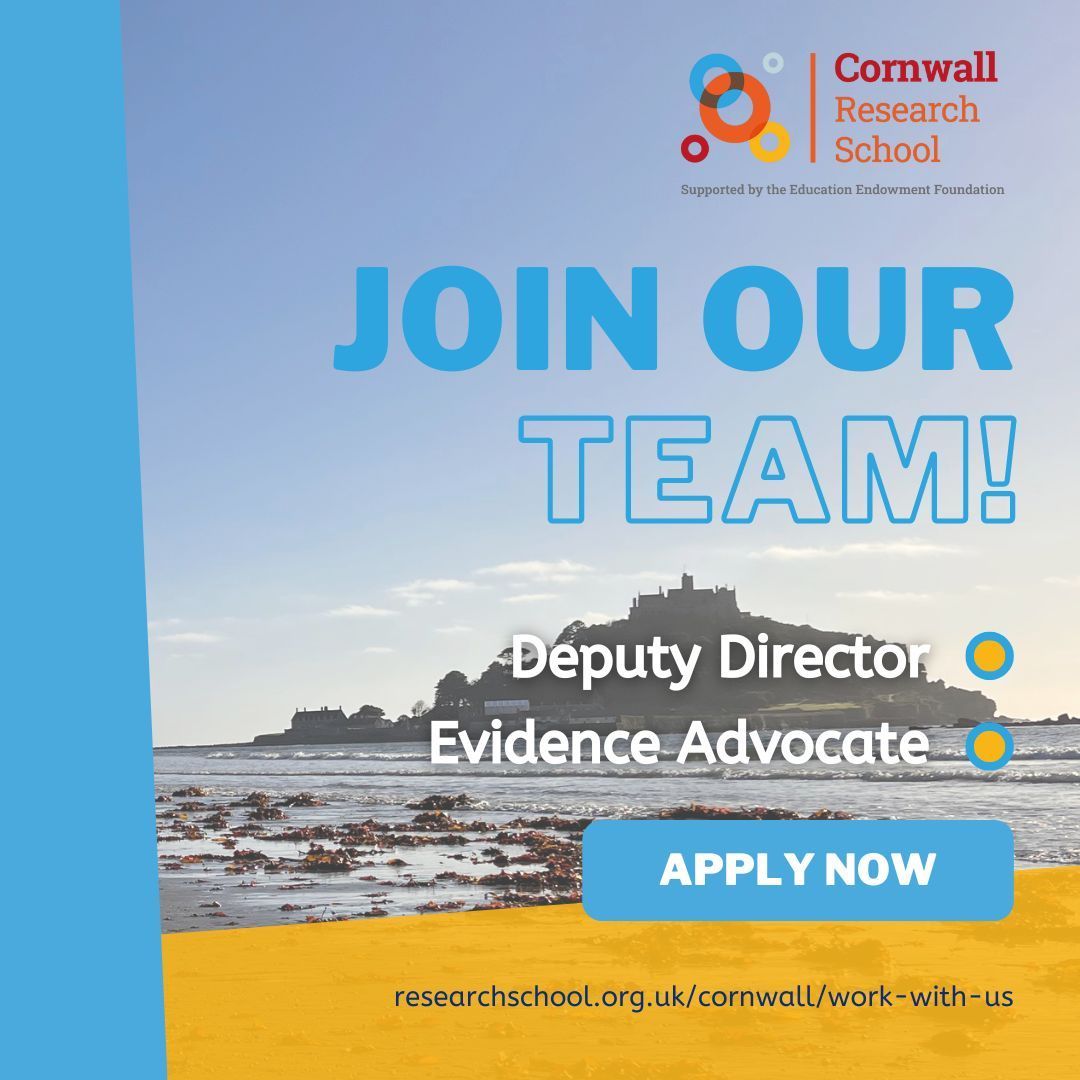
Great opportunity for educators in Cornwall to become part of the team at Cornwall Research School.
Find out more information at https://t.co/S5LZ3eEOGC
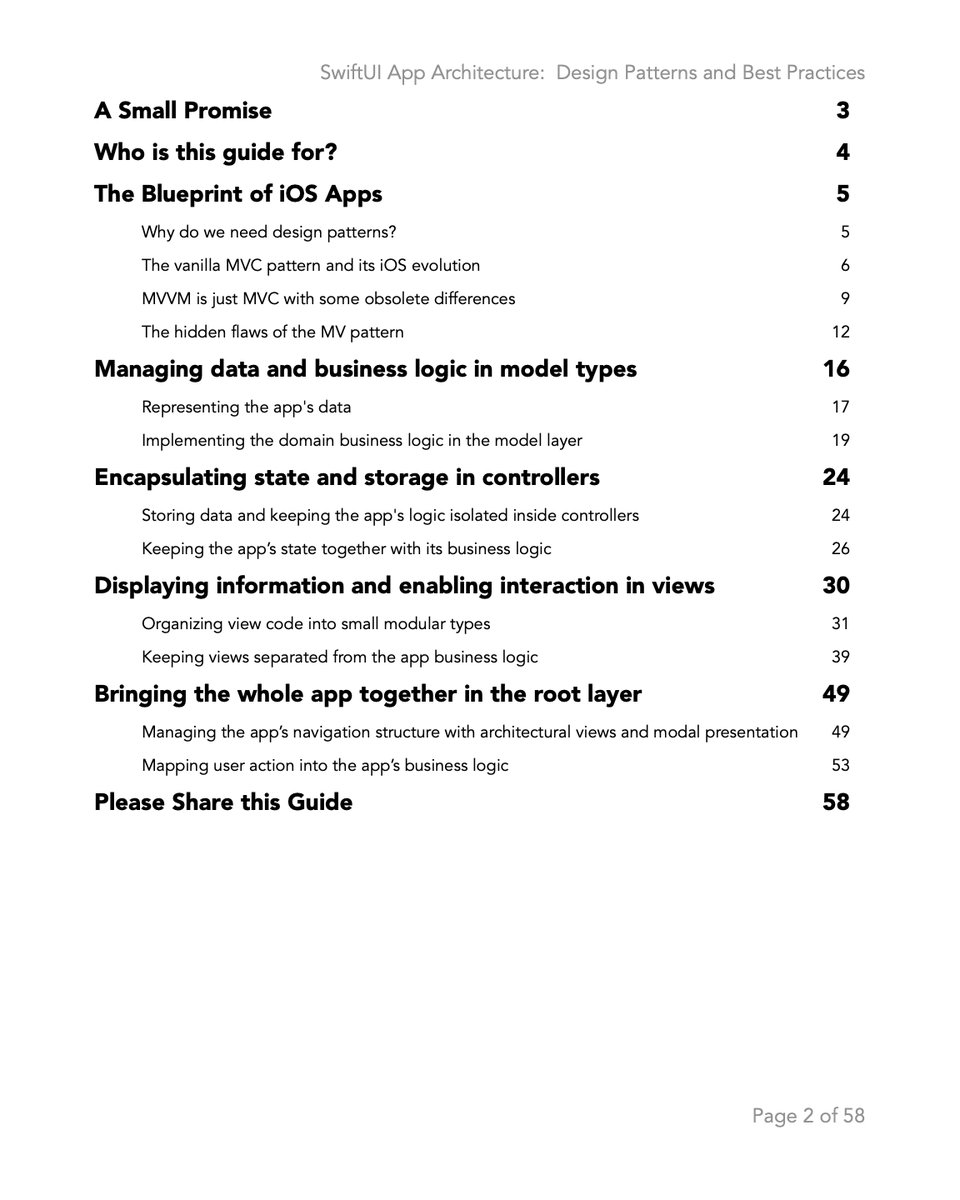
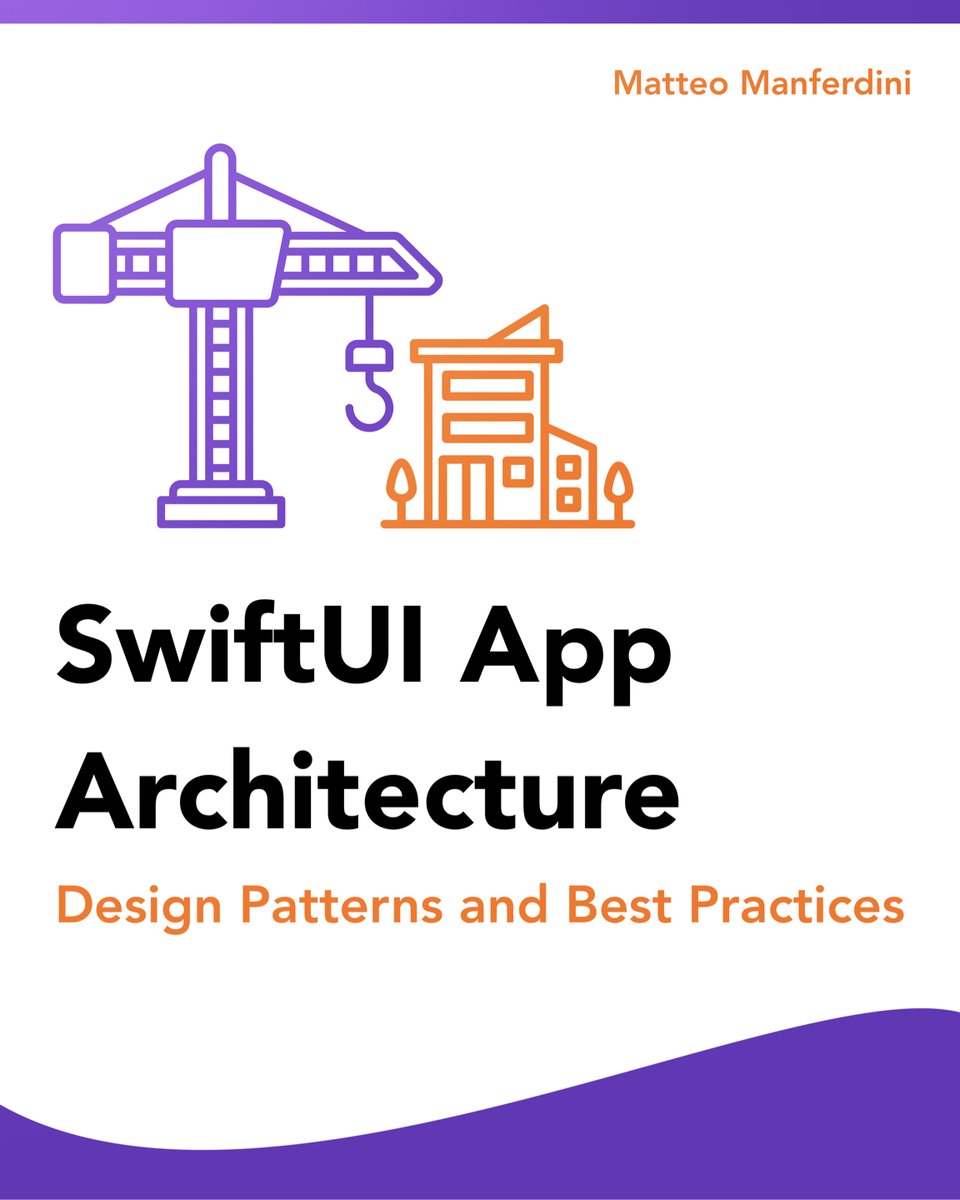
I just released a massive update to my free guide on SwiftUI App Architecture.
Here is some of what it contains: 🧵
(The link to the complete guide is in the last post)
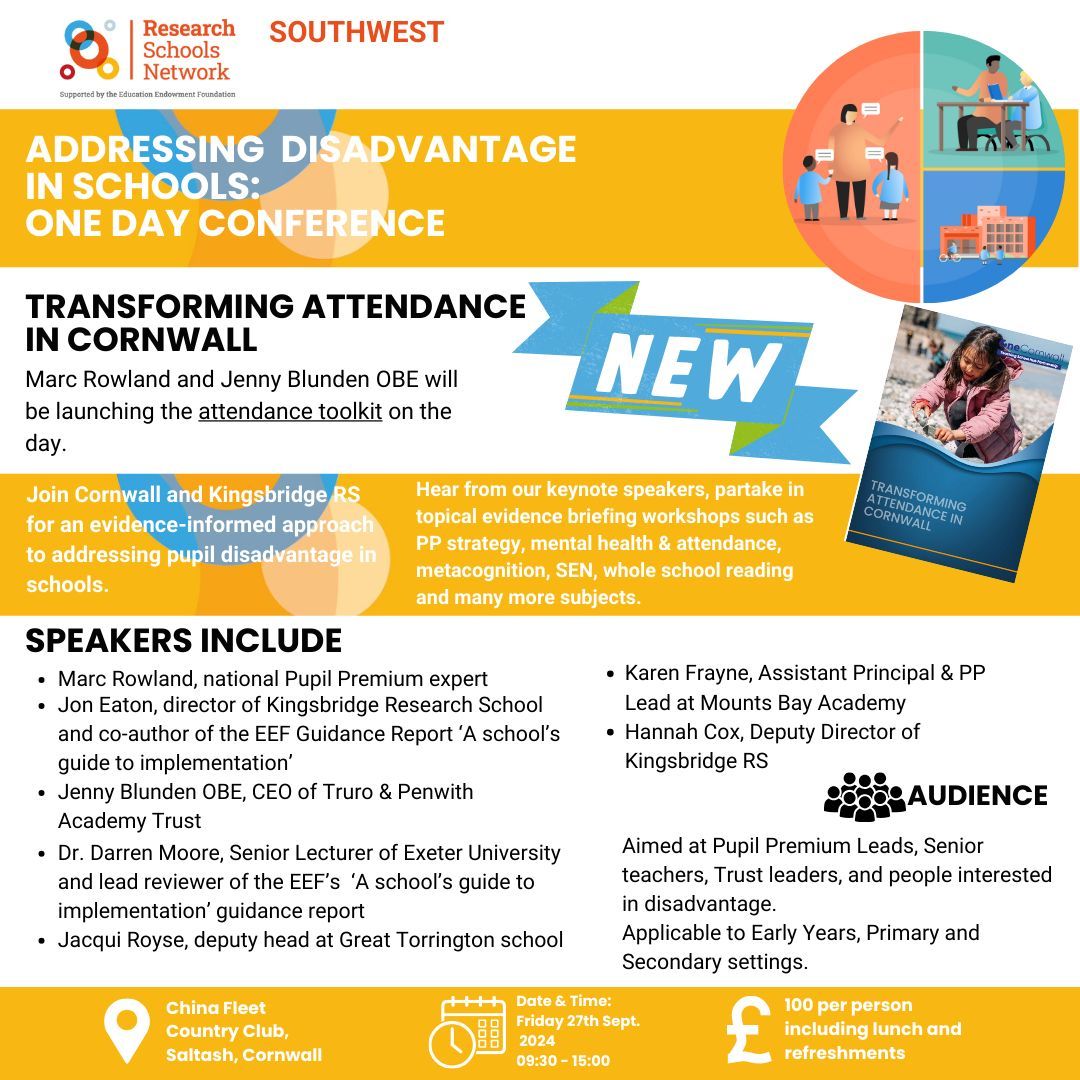
📢 Calling all SW Pupil Premium Leads, Trust and Senior leaders. Book Addressing Disadvantage in Schools conference on Friday 27th Sept and hear from a range of speakers to discuss how your settings can address disadvantage for pupils.
Register at https://t.co/bEW0ghES5E
Morning Brighton! Here for attending the @RSSAnnualConf, where @codingWithAndy is going to talk about our work on Bayesian comparative judgement, developed at the EPIC CDT (https://t.co/K2fRta894N) @CompFoundry. The supervisory team includs: @ProfTomCrick & @Slindsbob.
To start with Machine Learning:
1. Learn Python 2. Start practicing using Jupyter
There are two main deep learning frameworks that everyone uses:
• TensorFlow • PyTorch
Don't overthink this. Pick one of them and start practicing with it. I promise you'll end up learning both at some point.
You'll find many tutorials online but I usually struggle putting a good plan together, so I prefer courses that hold my hand from start to end.
Here are two of those programs:
• Introduction to Machine Learning with TensorFlow. https://t.co/vKY27pjZsl
• Introduction to Machine Learning with PyTorch. https://t.co/81uDrOZ7gB
These are the same program but one uses TensorFlow and the other uses PyTorch. Choose the one you prefer.
After you are done with this, you'll have accomplish something very important:
1. You'd have a large background on classical machine learning 2. You'd have a bunch of solved problems under your belt
Now, it's time to go much deeper. Here are some of the most advanced classes you can take:
• Udacity's Deep Learning Topics with Computer Vision and NLP • MIT 6.S191 Introduction to Deep Learning • DS-GA 1008 Deep Learning • Udacity's Computing With Natural Language • UC Berkeley Full Stack Deep Learning • UC Berkeley CS 182 Deep Learning • Cornell Tech CS 5787 Applied Machine Learning
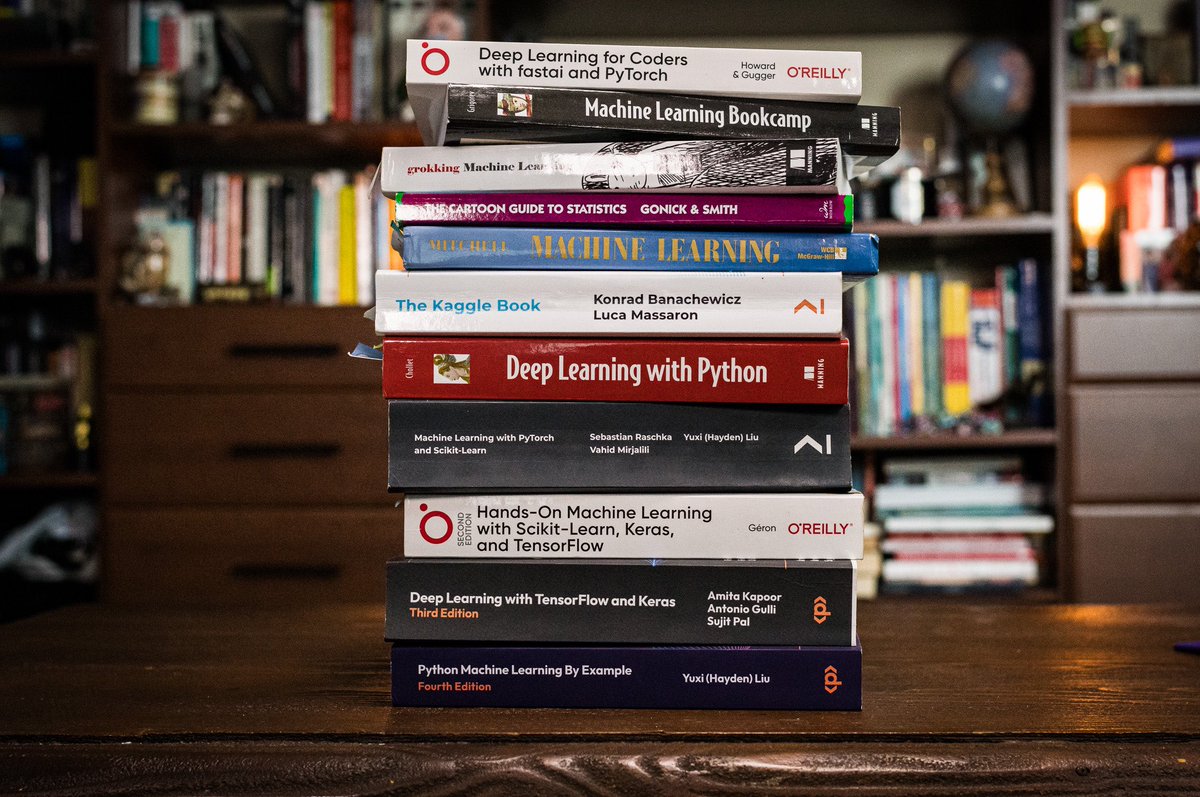
I also love books! Look at the attached image. Those are some of my favorite machine learning books that I think you should consider.
Finally, keep these three ideas in mind:
1. Start by working on solved problems so you can find help whenever you get stuck.
2. Use AI to summarize complex concepts and generate questions you can use to practice.
3. Find a community and share your work. Ask questions and help others.
During this time, you'll deal with a lot. Sometimes, you will feel it's impossible to keep up with everything happening, and you'll be right.
Here are the good news:
Most people understand a tiny fraction of the world of Machine Learning. You don't need more to build a fantastic career in the space.
Focus on finding your path, and Write. More. Code.
That's how you win.
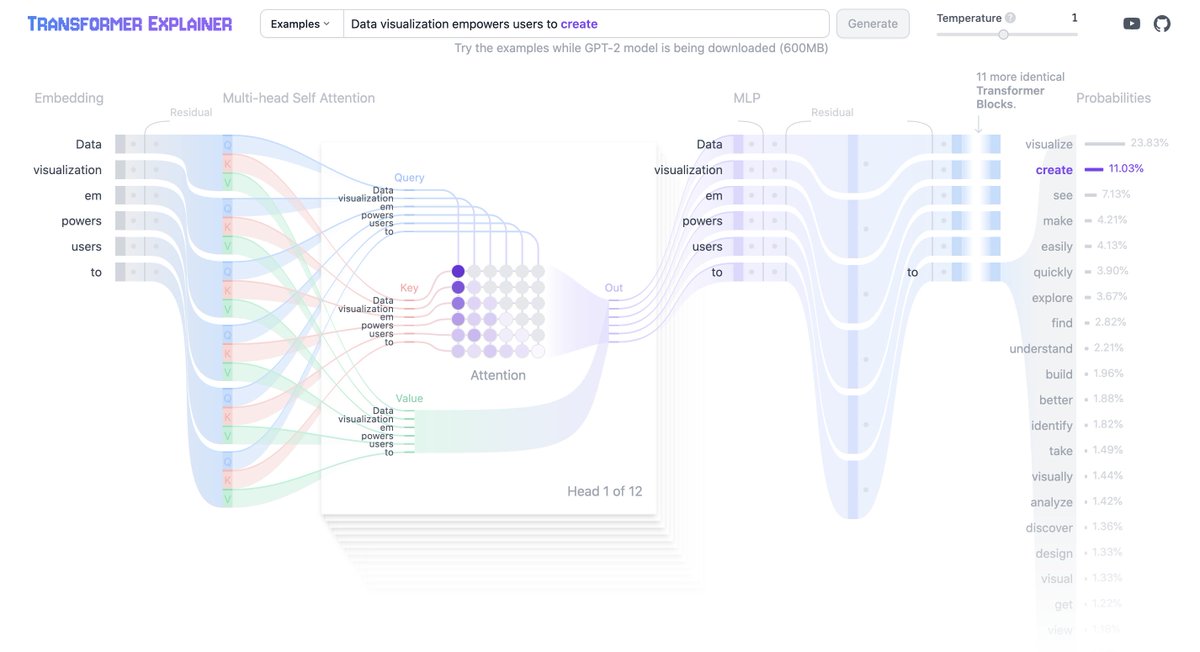
It's been a while, but I updated the GitHub repo with Interactive Tools for machine learning, deep learning, data exploration and math. 👇
Transformer Explainer
exBERT
BertViz
CNN Explainer
Play with GANs in the Browser
ConvNet Playground
Distill: Exploring Neural Networks with Activation Atlases
A visual introduction to Machine Learning
Interactive Deep Learning Playground
Initializing neural networks
Embedding Projector
OpenAI Microscope
Atlas Data Exploration
The Language Interpretability Tool
What if
Measuring diversity
Sage Interactions
Probability Distributions
Bayesian Inference
Seeing Theory: Probability and Stats
Interactive Gaussian Process Visualization
https://t.co/X8HP82exSe