We exist to protect victims and survivors of human trafficking and modern-day slavery and to lead anti-trafficking efforts within the El Paso, TX region.
Education is key! We must teach youth, parents, teachers, & communities about child sexual exploitation: its signs, methods, & what to do when it occurs. Let's have tough conversations, educate ourselves, & work together to tackle this issue. Change requires everyone's effort.
A10. To stay ahead of online offenders, education and awareness are key. Teach kids about risks, set privacy settings, and stay engaged. Learn how parents and the #FBI can work together to help keep kids safe at https://t.co/XrahA9d20e #NCAPM25
A10: We must prioritize prevention. This means focusing on equipping children, families, educators, and communities with the knowledge and tools they need to recognize risks, set healthy boundaries, and respond appropriately when concerns arise. #NCAPM25
A10. We can work together as a community to teach kids red flags to look for as they are interacting in the online world—and what to do (tell a trusted adult!) when they encounter those red flags. #NCAPM25
A10. It’s can be difficult, but we must do our job of educating ourselves in the ever-evolving digital age. We have to do the work of staying on top of trends in order to understand them & ensure that we are sharing information that is clear to our youth. #NCAPM25
Q10. We end each year with the same vital question: As offenders continue to exploit children online with little fear of being caught, how can we stay ahead and protect kids in an ever-evolving digital world? #NCAPM25
A9. We, as adults, must be the example! We should be modeling healthy online behaviors as a way to encourage our youth to do the same and making time to have conversations about what that looks like. #NCAPM25
A7. Being open with them about our fears as adults and what might be unintended consequences of sexting. But also having conversations early about consent and letting them know that they can come to you (or a trusted adult) if they have questions. #NCAPM25
A6. Parents (and caring adults) should become familiar with social media apps their kids are connected to. Apps like Roblox and Discord, traditionally marketed as apps for kids, have been identified by law enforcement as some of the most dangerous. #NCAPM25
Q6. Offenders are using GAI to create fake accounts and lure children. What can be done to detect and prevent online enticement before it escalates? #NCAPM25
A5. Using someone’s photo without their consent to create fake nudes can affect people emotionally, mentally and socially, often having to deal with the effects for years. But there are also consequences for those that create it or share it, including facing jail time. #NCAPM25
Q5. “Nudify” apps use AI to remove clothing from photos, often without consent. What risks do these tools pose to minors, and how can we effectively address them? #NCAPM25
A4: We must meet young people where they are—on the platforms they use—by using targeted messaging to raise awareness, reinforce that they’re not to blame, and ensure they know how and where to get help. Empowering them with education and reporting tools is SO important. #NCAPM25
A4. Education and awareness is key to prevention! It takes all of us, as adults, to ensure we can provide this education to our youth and give them the knowledge and resources to protect themselves. #NCAPM25
Q4. NCMEC has received reports of children being blackmailed with explicit images of themselves generated by GAI. What can we do to raise awareness and protect young people from this alarming form of financial sextortion? #NCAPM25
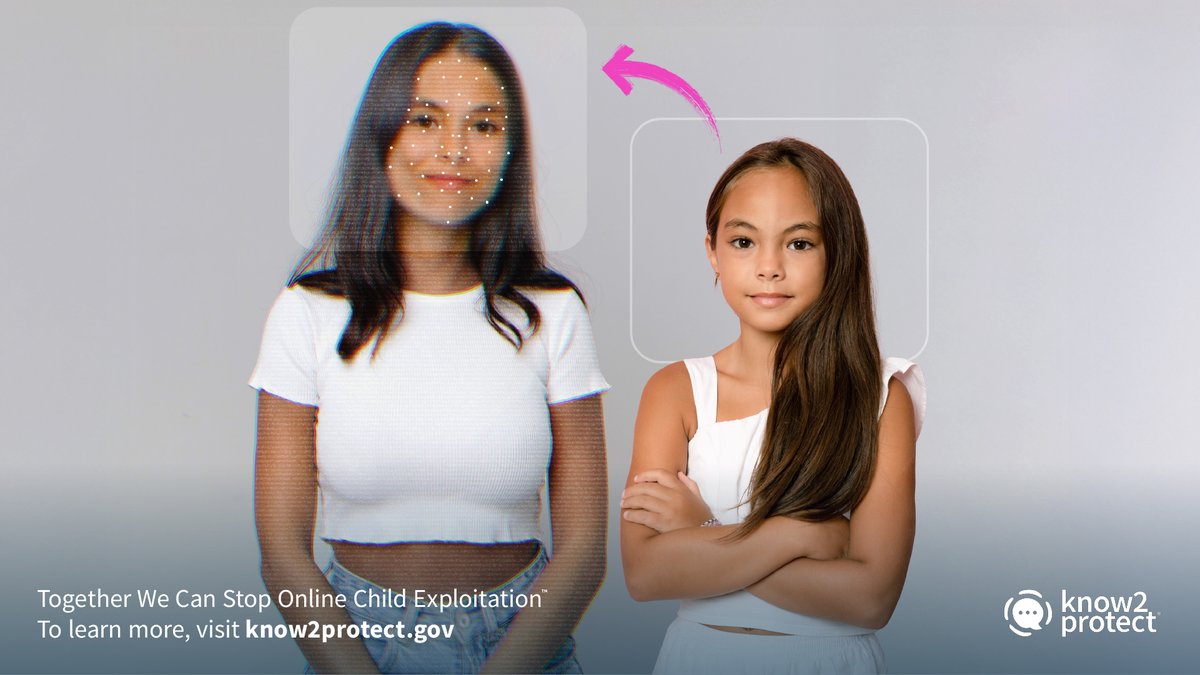
@NCMEC A3. (1/3) AI is being misused to create fake — but harmful and realistic — child abuse imagery. The tech may be new and imagery fake, but the harm is real.
A2: Supportive environments start with a culture of open communication. Let kids know they can come to you without fear of judgment or punishment. Talk regularly about their online life, just like you would about school or friends. 💬 #NCAPM25
A2. Create trust. Listen without judgment. Talk regularly about online life. Set clear rules, but stay approachable. When kids know they’re safe to speak up, they’re more likely to ask for help. Find more #FBI resources at https://t.co/XrahA9d20e #NCAPM25
A2. It’s extremely important for parents to stay involved in their kids online lives just as much as their social lives. Make what’s happening on social media part of family discussions. Find mutual interests in games and other activities. #NCAPM25
A2. When kids run into trouble online, they need to know they can turn to a trusted adult.
✅Stay calm
✅ Listen
✅Check in often — especially about the apps they use.
Support starts with trust. Visit https://t.co/4HYlnSpBfs tips on how to talk with young survivors of online exploitation and abuse.
#NCAPM25
A2. Building trust is key to building safety.
Adults can foster a safer environment by listening and keeping conversations open. Remind kids that it's never their fault if someone shows them inappropriate content or makes them uncomfortable online. #NCAPM25
A2. Promote a supportive space for kids to seek help without fear. Assure them of your support, emphasizing that they won’t be in trouble for telling the truth. Avoid blame, shame or threatening punishment. If needed, seek professional help for a space for them to share #NCAPM25
A2: Read this article by IJM leader and parent, John Tanagho, “What I wish every parent and executive knew about keeping kids safe online” for online safety tips and resources: https://t.co/Ivt80LUcNi
#NCAPM25
A3. AI is making it a lot easier for predators to manipulate online content without the owner’s consent causing harm such as harassment, shame, fear. Something as innocent as a profile picture can be manipulated into exploitative content. #NCAPM25