Work led by @BritGeoSurvey with @ASmith0005, me and others highlighted in Eos. Our models forecast particular geomagnetic storms and the likelihood of damaging magnetic field fluctuations in the UK
When space weather alters Earth’s electromagnetic field, power grids and other infrastructure can get caught up in the storm. In the U.K., a newly operational system aims to identify problem spots before they lead to safety issues. https://t.co/x1pIOlEb90
Meet @esa_smile.
The soon-to-be newest member of our space science mission fleet.
Employing X-ray and UV vision to see how Earth reacts to relentless streams and bursts of particles from the Sun.
Dive into the Smile mission here 👉 https://t.co/KdOsdWevlV
Congratulations to Dr. Paola Pinilla, who has been awarded the @RoyaAstroSoc Price Award for her world-leading work on protoplanetary disks - the gas and dust around young stars where planets are born https://t.co/hiyxiarxio
Congratulations to the UK Cluster team for their Sir Arthur Clarke award given for their major role in the multi-spacecraft mission (that produced 1000s of papers), leading 3 of the 11 instruments & hosting the Science Operations Centre. Photo: Natasha & Andrew from @MSSLSpaceLab
The Jocelyn Bell Burnell Medal and Prize has been won by Dr Catherine Elizabeth Regan of @MSSLSpaceLab for exceptional leadership of the Eyes on Mars project, engaging diverse audiences and inspiring our next generation of scientists, alongside high-impact and novel research on Martian dust storms. 👏 #IOPAwards24
@esa_smile Great meeting seeing everything coming together as we get ever closer to launch. Seeing the aurora was the icing on the cake and gave a further boost to everyone involved!
Hello, Smile! 👋
🌞↔️🌍 Enjoy this view of the spacecraft that will observe the full Sun-Earth connection, filling an essential gap in our understanding of the Solar System.
https://t.co/UVwUODq3Ie
We had a busy summer this year! Including running a new Space School in London for secondary students. Find out about the partnership: https://t.co/BHLHiOtHls
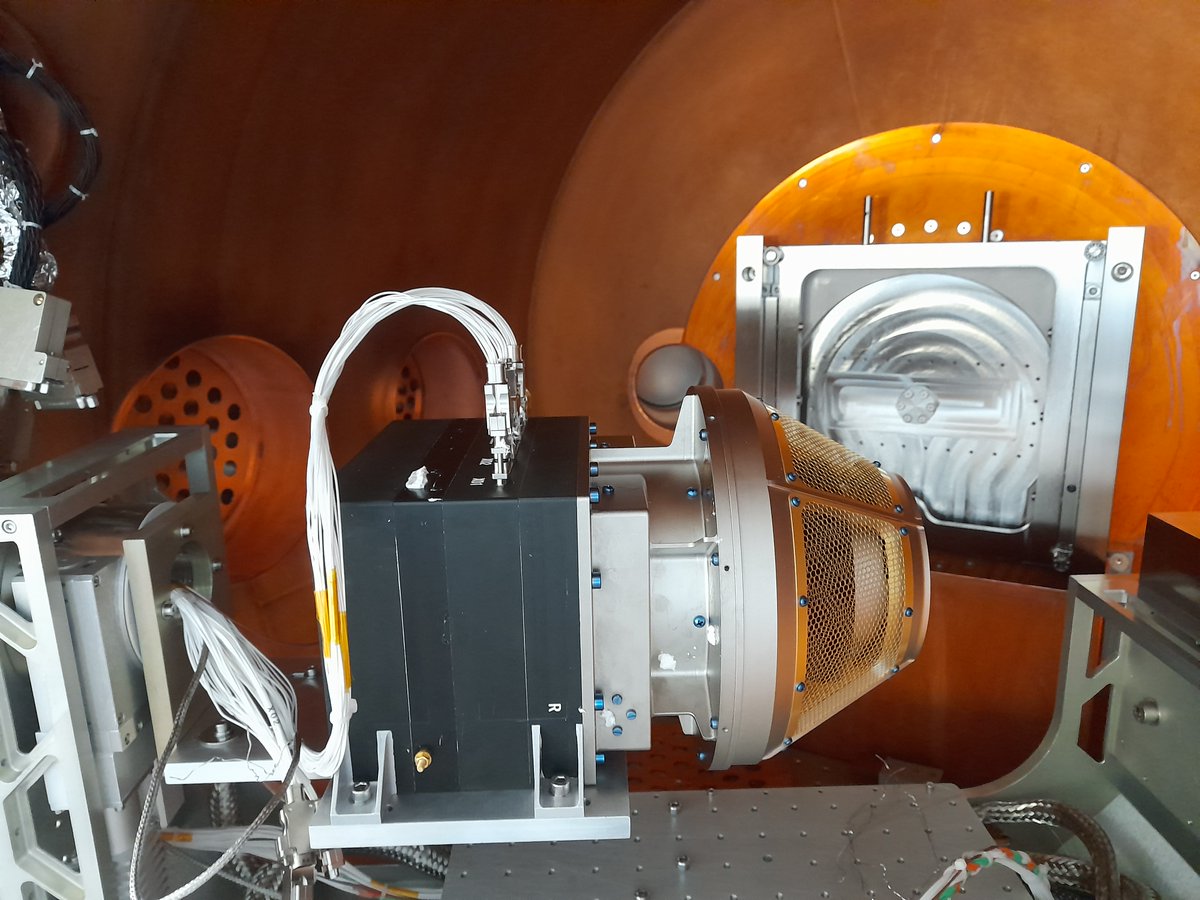
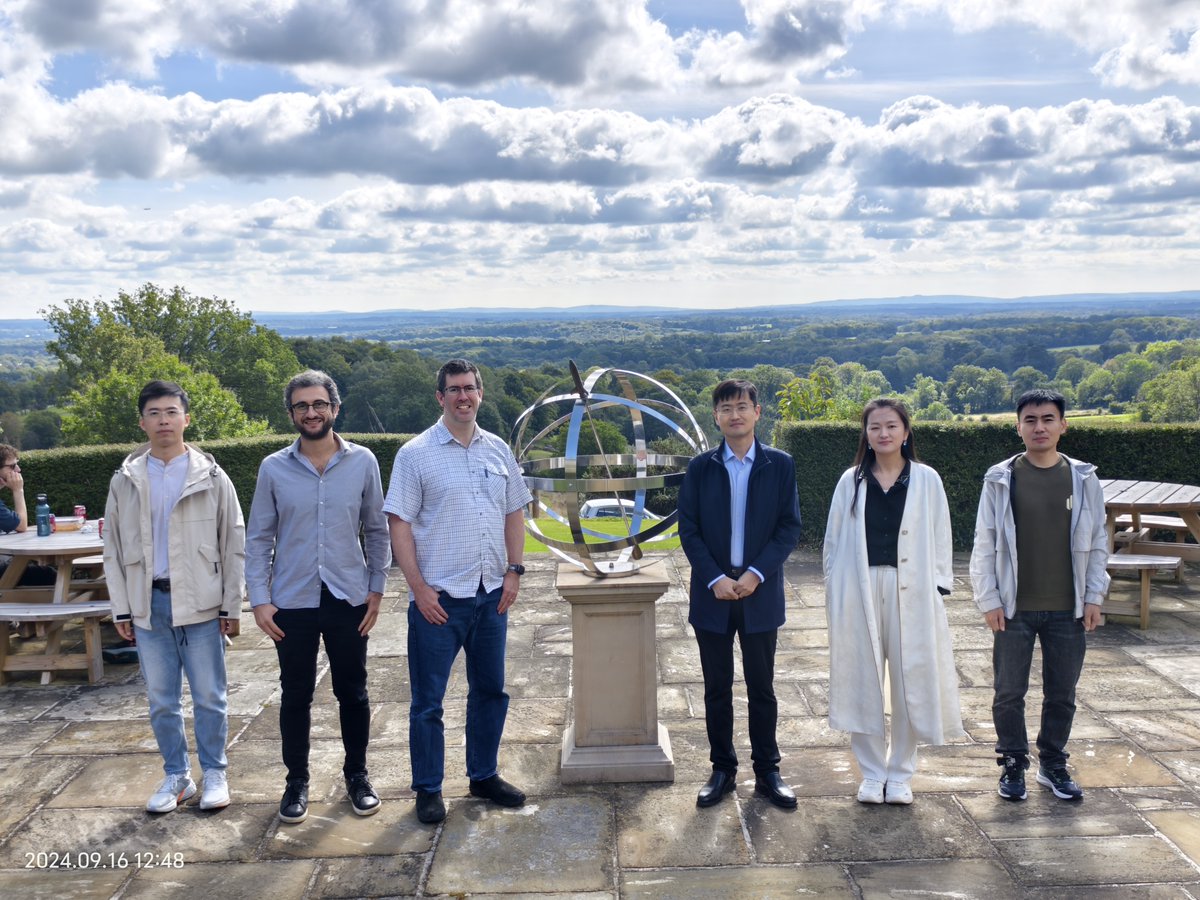
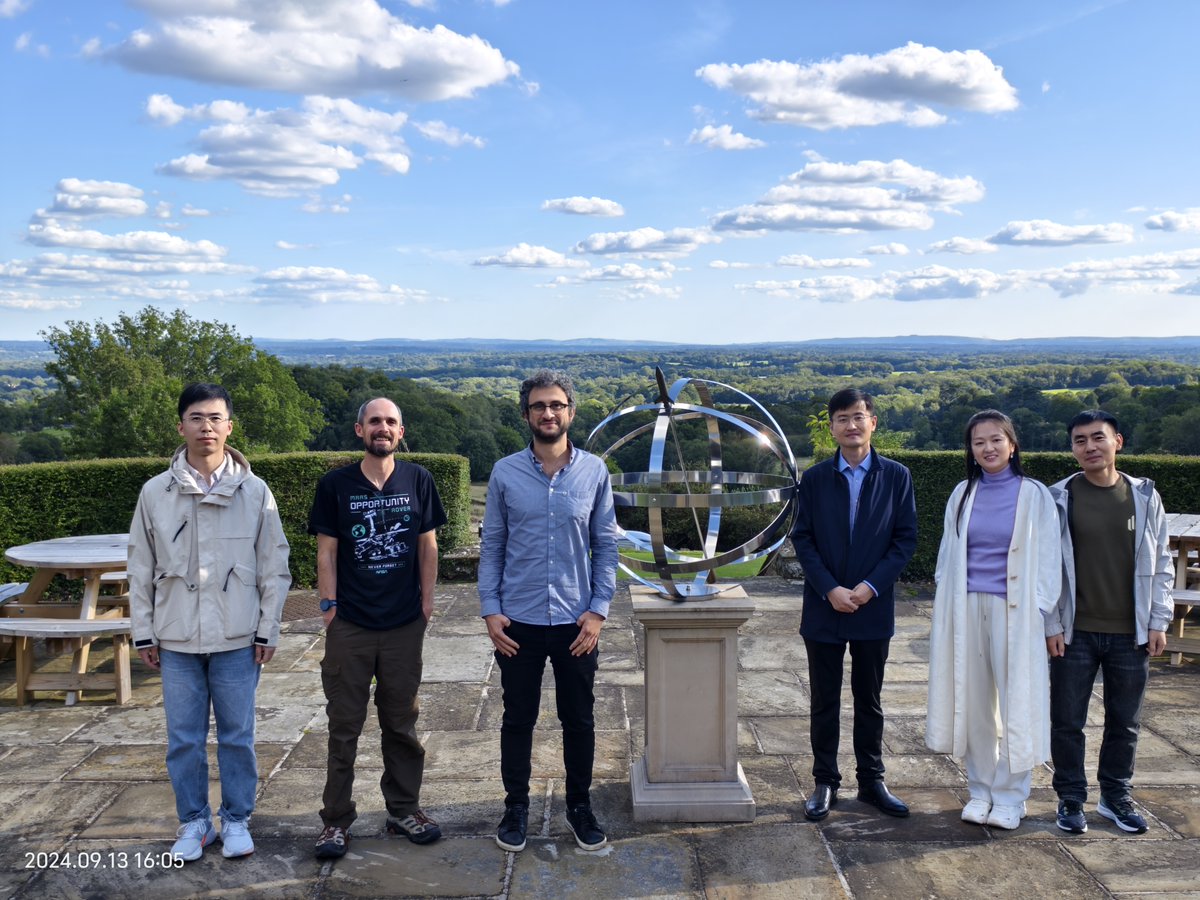
Over the past few weeks we have welcomed colleagues from the National Space Science Center of the Chinese Academy of Sciences to cross-calibrate the Light Ion Analyser for @esa_smile ahead of the instrument being integrated onto the spacecraft. @uclmaps@spacegovuk
"It will leave a very impressive legacy": the first satellite of the @esa Cluster mission investigating Earth's magnetosphere, which involved Prof Andrew Fazakerley and others @MSSLSpaceLab@uclmaps, has safely returned to Earth after 24 years in space https://t.co/NVY0XkQX7b
🤔 What happens where the solar wind meets Earth’s magnetic shield?
🩻 This is one of the questions @esa_smile aims to answer by observing soft X-rays and extreme ultraviolet wavelengths.
The mission will study Earth’s magnetic environment on a global scale, building a more complete understanding of the Sun–Earth connection.
Find out more 👉 https://t.co/yRWIkSZmTF
☀️🌬️🌍 Here are the top three mysteries @ESA_Smile aims to solve:
🌬️ 🛡️ What happens where the solar wind meets Earth’s magnetic shield?
🧲❌ What causes magnetic glitches on the dark side of Earth?
🚨 ⚡️ How can we predict the most dangerous space weather threats in advance?
Delve deeper 👉 https://t.co/8UZa2Yqeov