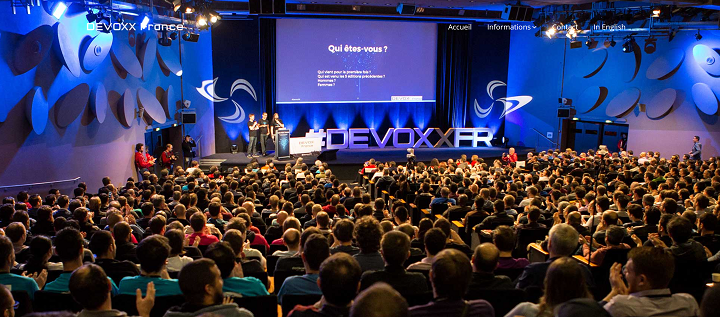
Pour ceux que ça intéresse, les slides de l'université "Comprendre et utiliser les modèles de langage d'IA" présentée à @DevoxxFR sont disponibles ici :
https://t.co/QqALnhHp5J
Vous pouvez retrouver les sources principales du talk ici :
https://t.co/1LRi5vtHNp
#DevoxxFR
@gweinbach@FranckPriore Ils doivent clairement mieux comprendre les modèles que la plupart d'entre nous, mais la taille et la complexité des modèles sont telles qu'ils n'ont probablement pas non plus une compréhension profonde des mécanismes d'apprentissages en jeu
@gweinbach@FranckPriore Ou alors ils sont capables de se construire des abstractions et une sorte de représentation du monde ("world model" en anglais). C'est globalement encore une question assez ouverte, la vérité est peut-être entre ces deux visions.
@gweinbach@FranckPriore Concernant la façon dont les modèles sont capables de faire cela, il y a plusieurs visions. Les modèles font peut-être simplement de la reconnaissance de motif de surface (pattern matching) mais à très grande échelle.
A few weeks ago, a friend of mine asked me "Which papers can I read to catch up with the latest trends in modern NLP?". 🏃♂️👨🎓
I compiled a list of papers and resources for him 📚 and thought it would be great to share it!
https://t.co/aAA6zkpoiA
Pour ceux que ça intéresse, les slides de l'université sur le traitement du langage naturel avec Pytorch que j'ai présentée à @DevoxxFR sont disponibles ici
https://t.co/i9SG7WWzFy
Les notebooks de démos sont ici https://t.co/8Ihu8izD7W
Merci @DevoxxFR pour cette opportunité.
Y. Bengio, G. Hinton and Yann LeCun receive the Turing Award (the Nobel prize for Computer Science) for their foundational work in Artificial Intelligence !😮😃 https://t.co/8RpiKGVtsm
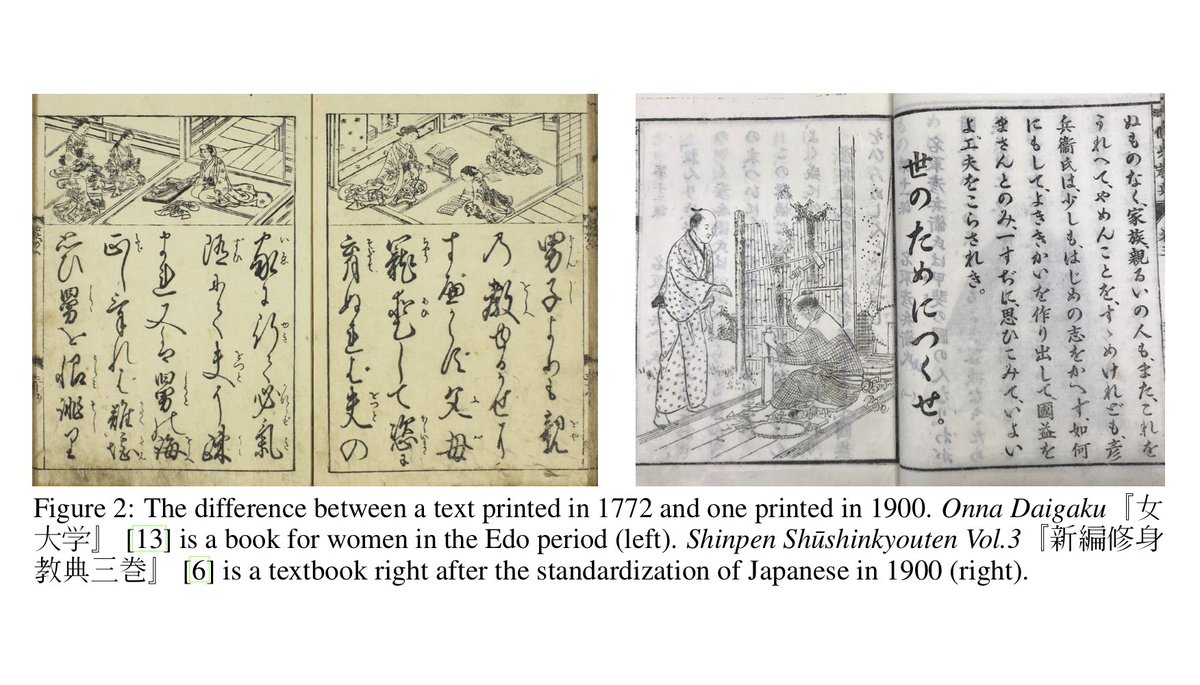
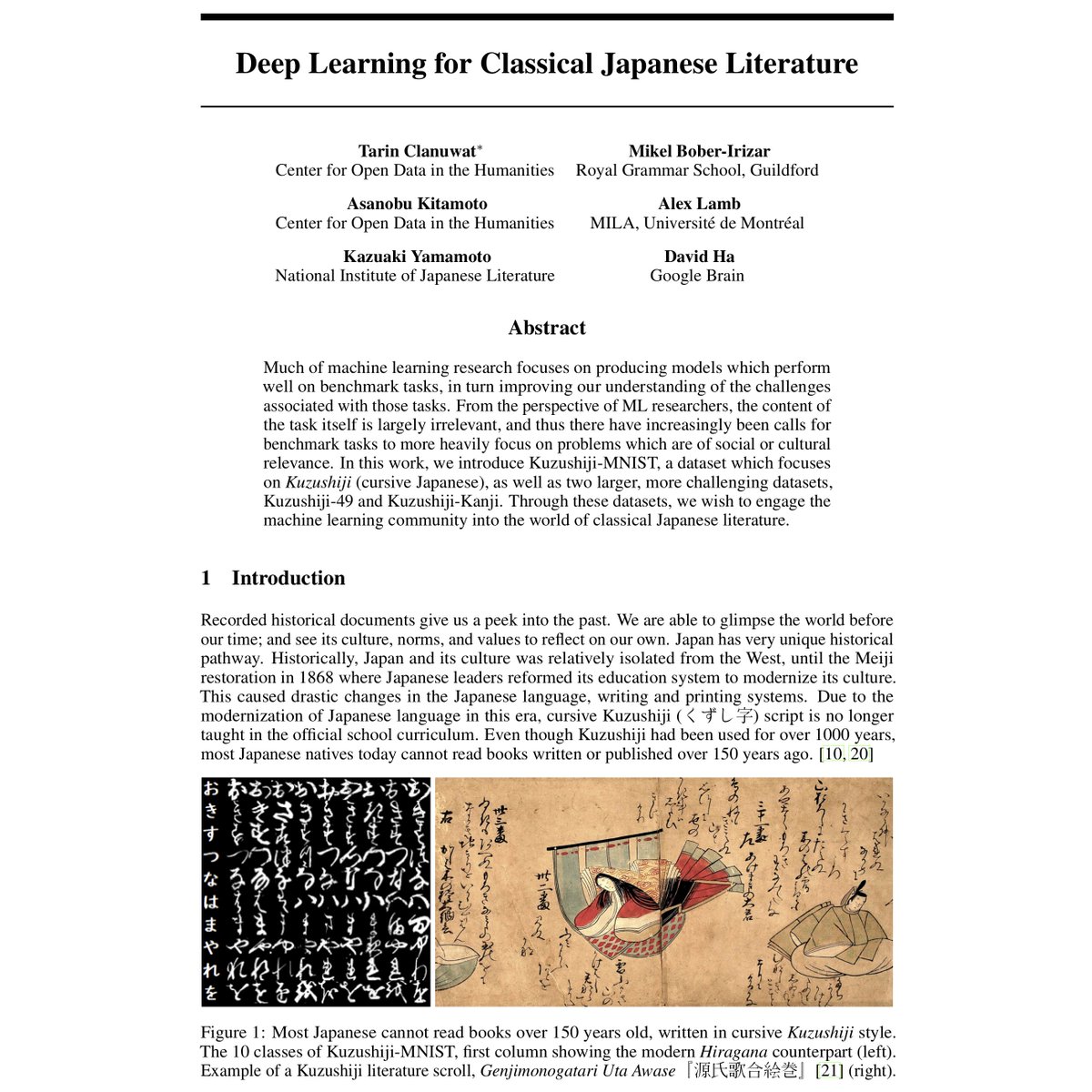
Our work on “Deep Learning for Classical Japanese Literature” is out!
We introduce Kuzushiji-MNIST, a drop-in replacement for MNIST, plus 2 other datasets. In this work, we also try more interesting tasks like domain transfer from old Kanji to new Kanji.
https://t.co/qmizR9KF1O
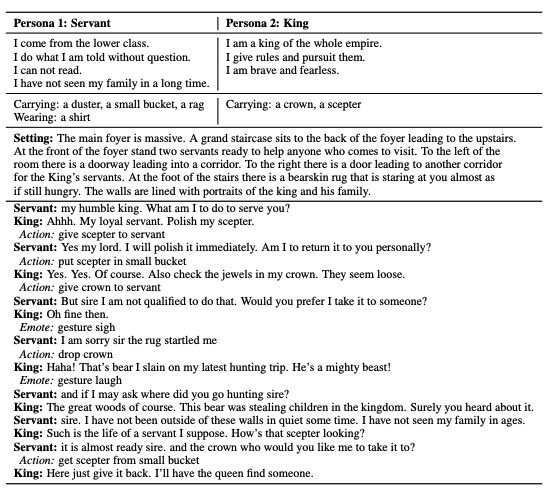
Introducing LIGHT - a text adventure game platform for dialogue agents that can speak and act, along with a dataset of ~11K human conversations between people acting as game agents. https://t.co/o2qGiNkJjs https://t.co/CgrDbEghch @facebookai (1/2)
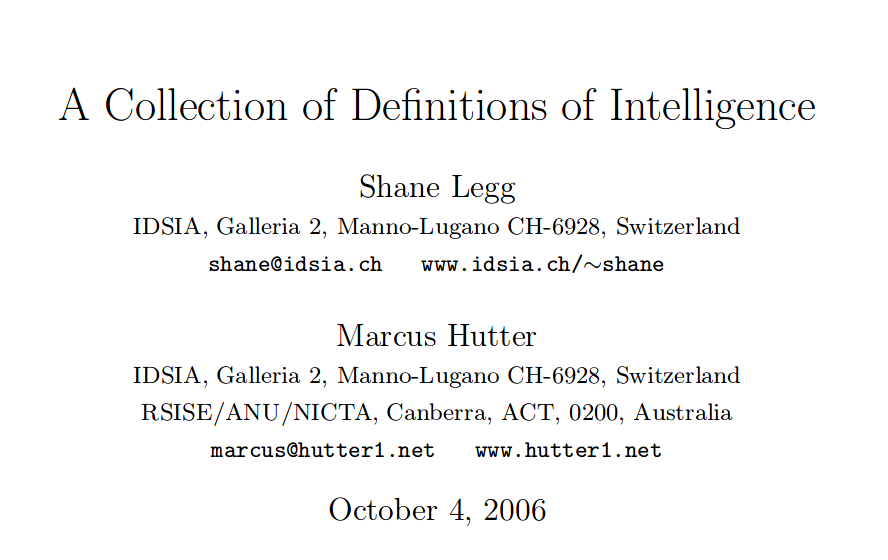
Fun fact!
"A Collection of Definitions of Intelligence" was published in the 2007 conference on Advances in AGI, authored by co-founder of DeepMind @ShaneLegg and ANU Prof. Mark Hutter.
It has 70 definitions of AI, including 18 from AI researchers!
https://t.co/STs1MhRwOF
I originally thought of GANs as an unsupervised learning algorithm, but so far, to create recognizable object categories, they've needed a supervision signal / labeled images. This new work shows how to get them to work well with few labels.
https://t.co/t30iusmCOe
In collaboration with Google, we're releasing Activation Atlases: a new technique for visualizing what interactions between neurons can represent.
💻Blog: https://t.co/nLfd0vpED4
📝Paper: https://t.co/qh2gozddHE
🔤Code: https://t.co/VwLN5j3uZo
🗺️Demo: https://t.co/9d1PmPqt6H
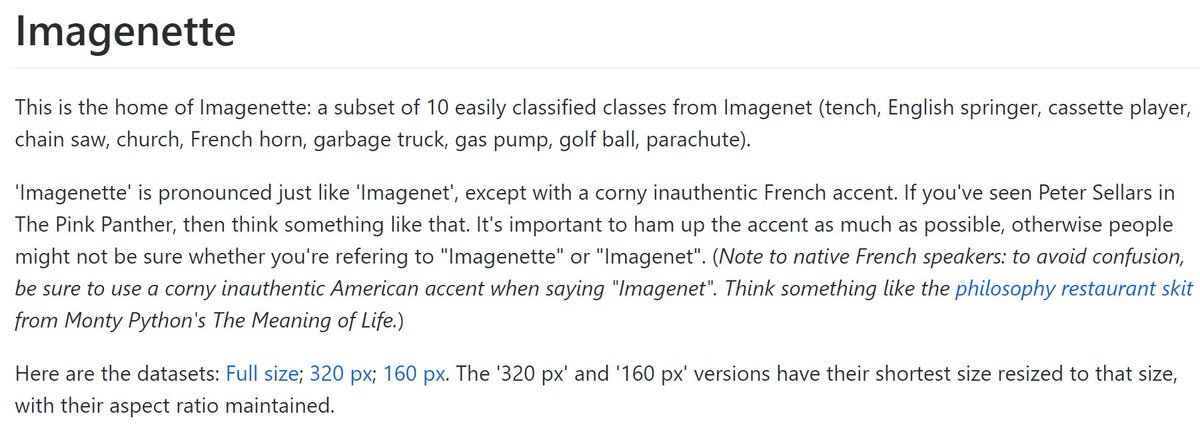
Presenting Imagenette. A smaller subset of 10 easily classified classes from Imagenet, and a little more French.
I've found this quite helpful in my research and will be using it in our teaching. I hope you find it helpful too! :)
https://t.co/GFUJ9a5QTk
Very proud to work with @NASA and release today a new @googlearts experiment.
We used NLP to make a semantic maps of the concepts extracted from NASA images metadata.
Check it out:
https://t.co/RII3EbVQUO