🚨NEW UPDATE🚨
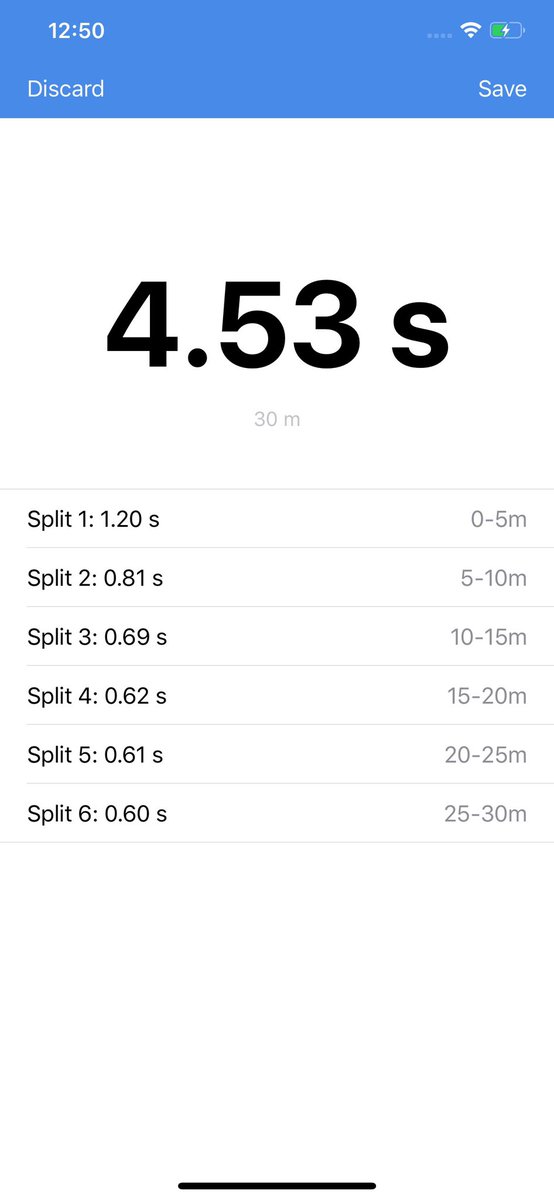
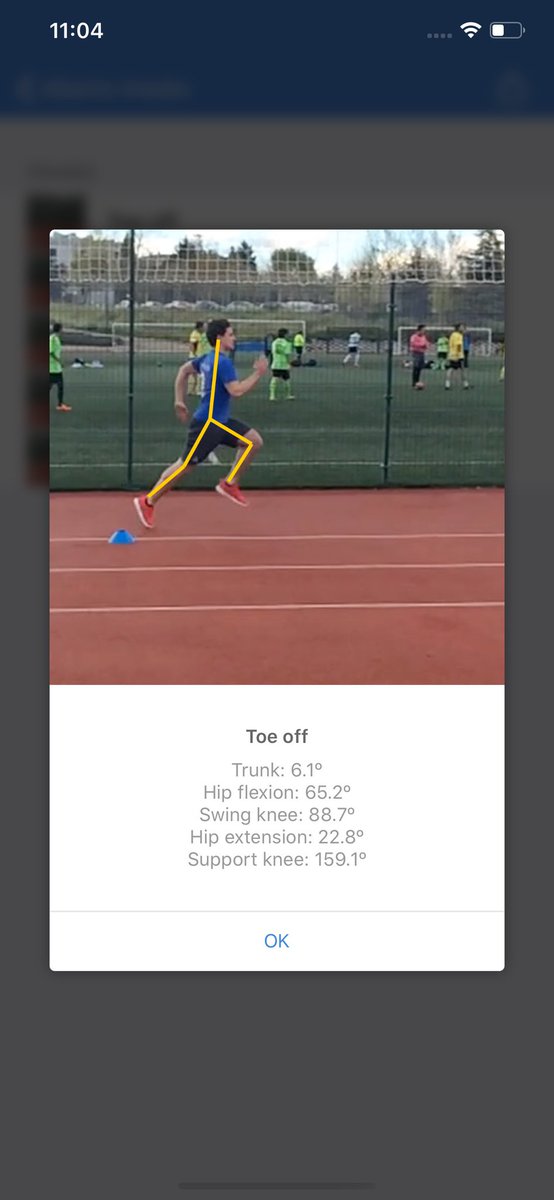
Now @RunmaticApp can analyze sprints!!💥🏃🏻♂️
⏱Total time and splits of any distance
👟Contact and flight time of each step
✅Kinograms and angles
📲FREE UPDATE. And if you don’t have the app, it’s 50%off this week!!🎁
https://t.co/GJHErmr3G7
@StuartMcMillan1 I can see how the technical components and the building blocks can be completed sub-maximally. But wouldn't the athlete need to know how to ultimately piece it all together to complete the heuristic approach and accelerate with the intent required for the demands of the event?
@StuartMcMillan1 But specifically, when it comes to sprinters developing acceleration, eg. block starts to 30m where the intention is to reach maximal velocity or near to, then surely that can only be trained at maximal intensity particularly as we know acceleration is an exponential activity
@StuartMcMillan1 Many thanks for your reply. Its a question I've been curious to find the answer to. I fully understand your views on training elements sub-maximally....
With @IAAFDoha2019 one week a away, I figured it might be interesting to look at why there might be hamstring pulls in the men's 200 and 400m sprints. Just a simple demonstration as to why increases in tendon stiffness (for the same muscle strength) cause muscle pulls/ruptures.