Assoc. Prof. of Geography at Doshisha U @ Kyoto, JP. Kentucky Colonel, loves & misses KY. Hope I meet y'all some day! ツイートは主にメモと独り言、時々報告や告知。信条は「人と人の繋がりが生む力は無限也」
Kyoto City, Japan. Previously at Urayasu, San MateoCA, Yokoyama, Tsukuba, Lexington, KY, Tokyo, and Amherst, MA.
I am happy to inform y'all that a co-translation of "Digital Geographies" were recently published!
今春に出た二冊の本を紹介します。一つ目は共訳の『デジタル・ジオグラフィーズ』。主にケンタッキー大学地理学科関係者の知人が書いた章の翻訳を担当しました。
https://t.co/1bvOrByxfz
A farmer, tired of rats destroying his crops and stealing his grain, came up with a clever but cruel plan. He threw a dead pig into a deep, abandoned well. Attracted by the smell, nearly 80 rats rushed into the well to feast on the carcass. At first, everything seemed wonderful. There was more than enough food for everyone, and the rats ate until they were satisfied.
But when the food was gone, they discovered something terrifying. The walls of the well were too steep to climb. They were trapped. Days passed, and hunger turned into desperation. Desperation turned into aggression. The rats that had once eaten peacefully beside one another began fighting for survival. Eventually, they began killing and eating each other.
One by one, their numbers dwindled until only a single rat remained. Its eyes were bloodshot, and it had survived by consuming its own kind. Then the farmer returned, lowered a rope into the well, and rescued the last surviving rat. But he didn't save it out of kindness or compassion.
The farmer knew the rat had learned to survive by hunting other rats. When he released it into his fields, it would continue killing its own kind instead of eating his grain. The farmer had turned his enemy into his greatest weapon.
And that is the lesson of divide and conquer. Those who control the trap don't need to fight the battles themselves. They simply create the conditions in which others turn against one another.
The rats believed their enemies were the other rats. They never realized that the true enemy was the farmer who had put them there.
The greatest danger isn't always the enemy standing in front of you. Sometimes it's the one who created the conflict and stands quietly watching you destroy each other.
Before you turn against your neighbor because of their political beliefs, ask yourself who benefits from keeping Americans divided. While we fight each other over Republican and Democrat, we may be overlooking those who profit from the conflict. Perhaps the real question isn't which side you're on, but who built the well—and why they want us fighting at the bottom of it.
For almost three years, college graduation was a milestone Gaza's students could only imagine. Now, they are finally taking the stage to be awarded their degrees. Ashraf Shannon reports.
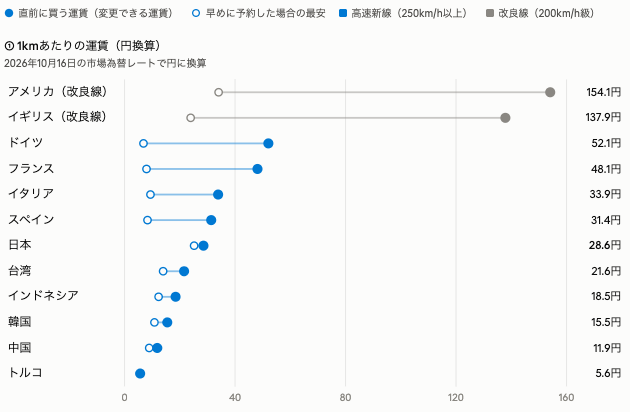
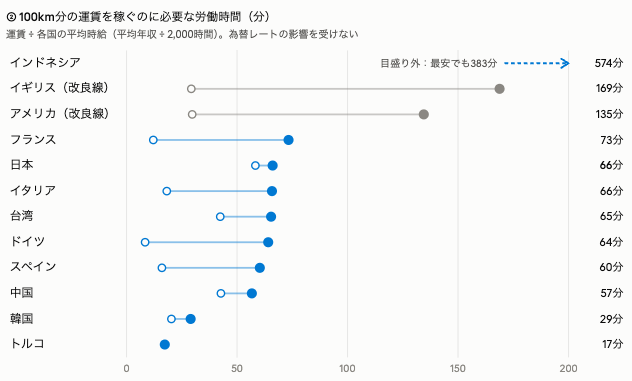
フィードで流れてきた記事、授業用にメモ。
Hannah Ritchie (2026)
“Is organic farming better for the environment than conventional farming?”
Published online at https://t.co/VZOB3SXHNi.
Retrieved from: 'https://t.co/9NQKxG4jSJ' [Online Resource] (archived on September 14, 2026).
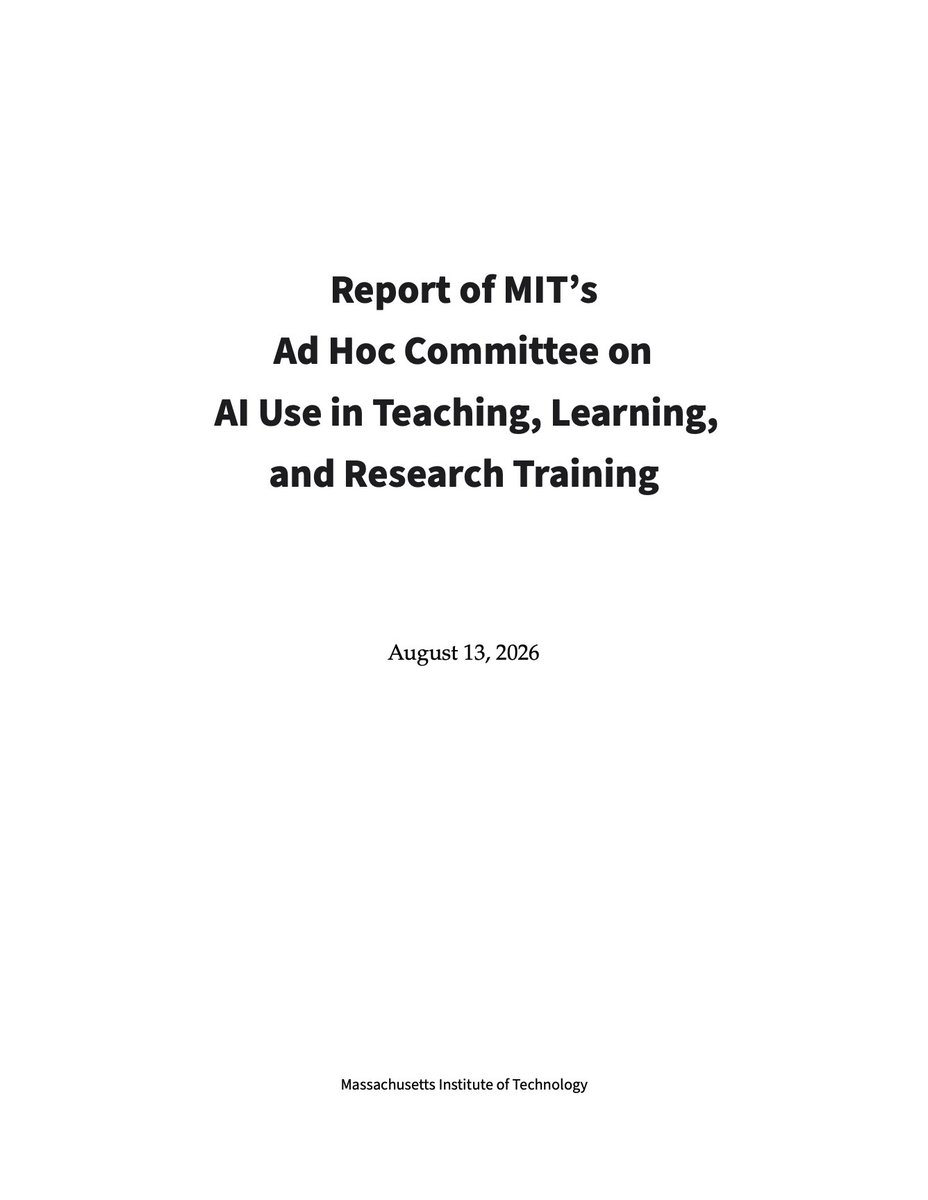
MIT published a brutally honest report on what AI is doing to students.
A committee of professors and students spent five months studying how AI changed learning on campus, and the findings read like a warning to every university on the planet.
Study groups are disappearing. Office hours are emptying out. Problem sets and take-home exams no longer prove anything, because AI can produce credible solutions to almost any written assignment in the undergraduate curriculum. Students who lean on chatbots lose mastery and confidence, and some slip into what the report calls cognitive surrender, reaching for AI at the first hint of struggle.
The numbers are rough. 46 percent of surveyed MIT undergrads use LLMs daily. 90 percent worry about their own overreliance. Undergrads who feel AI makes them replaceable now outnumber those who feel it makes them capable.
The committee's answer surprised me. They refused to fight AI with surveillance. The report calls AI detectors unreliable, says lockdown browsers feel like spying, and warns that policing students builds a classroom atmosphere of mutual distrust.
Instead, MIT wants to rebuild education around the things AI can't replace. That means oral exams, semester portfolios, in-person project work, and a required social component in every subject. The report even floats the idea of rethinking grades entirely, since without a GPA to optimize, much of the incentive to cheat with AI evaporates.
The committee warns professors against replacing undergrad research assistants with AI agents just because they're cheaper, because a university exists to grow people, not output.
The most famous tech school on earth admitted the machines broke its way of teaching. Its answer is more humans, not more software.