🤯⚙️ Ada yang berhasil mengubah langganan Claude yang tadinya cuma dipakai sesekali jadi sistem operasi AI yang bekerja 24 jam sehari, 7 hari seminggu.
Dan yang bikin kaget...
💰 Gak nambah biaya langganan sama sekali.
Yang dipakai cuma subscription yang sebelumnya udah ada. 👀
Workflow yang dibangun terdiri dari:
🗓️ 76 scheduled task yang jalan otomatis.
🤖 12 AI agent spesialis, masing-masing punya tugas berbeda.
Hasilnya?
🌅 Laporan pagi udah siap sebelum hari kerja dimulai.
📚 Hasil riset otomatis masuk ke knowledge vault semalaman.
💬 Draft standup meeting udah selesai bahkan sebelum Slack dibuka.
Menariknya...
Yang bikin beda bukan jumlah AI agent-nya.
Tapi cara mereka dipakai.
Kebanyakan orang baru buka AI saat duduk di depan laptop dan butuh bantuan.
Selesai kerja...
AI juga ikut berhenti.
Sementara sebagian kecil orang mulai membangun workflow yang tetap berjalan saat mereka lagi tidur, libur, atau bahkan offline. 🚀
Jadi langganannya sama.
Model AI-nya juga sama.
Tapi hasil akhirnya bisa jauh berbeda.
💡 Menurut gue, pergeseran terbesar AI mungkin bukan lagi soal siapa yang paling jago bikin prompt.
Melainkan siapa yang paling cepat membangun sistem otomatis yang terus bekerja tanpa harus selalu diawasi.
Karena ketika AI berubah dari sekadar chatbot menjadi bagian dari infrastruktur kerja, produktivitasnya naik ke level yang benar-benar berbeda. 🤖🔥
https://t.co/ErRAGWjw22
Hermes Agent kamu sekarang bisa jadi WhatsApp Manager full autopilot!
Dengan Andoriña, kamu tinggal bilang:
“Kirim WA ke bos bilang aku telat 5 menit”
“Schedule WA ke Carlos besok jam 18.00”
“Kirim voice note ini ke grup keluarga”
“Bagikan file proposal.pdf ke tim”
Hermes akan:
• Kirim pesan dengan pacing + simulated typing (anti-ban)
• Schedule & recurring tasks
• Kirim voice note (PTT)
• Share file dari PC
• Search & manage kontak (Google Contacts sync)
• Baca PDF/TXT sebagai knowledge (RAG)
Semua **100% lokal**, privacy-first, ada GUI Dashboard, RBAC, dan anti-leak protection.
Linux only. Dibuat khusus buat Hermes Agent.
Repo: https://t.co/EOg9yZpkui
Buat yang pakai Hermes dan pengen WhatsApp-nya bener-bener dikontrol AI secara aman & powerful, ini wajib dicoba.
Kamu sering pengen automate WA tapi takut kena ban atau ribet?
Comment pengalamanmu 👇
#HermesAgent #Andorina #WhatsApp #AIAgent #Automation #LocalAI
Jadi apa perbedaan Hermes Memory, Obsidian, Gbrain, dalam proses membuat Second Brain?
- Memory di hermes terbatas dan bentuknya conversastion compaction. Seperti catatan kecil yang dibawa selalu di semua sesi.
- Obsidian pada dasarnya Vault markdown atau Bank of memories, notes, decision
- GBrain itu mesin pencari + peta hubungan. Lebih tepatnya seperti staff administrasi super cepat yang tahu detail semua notes, decision hingga info detail di all session yang diarsipkan melalui obsidian
Jadi Gbrain ini membantu Hermes dapat memahami Obsidian dengan cepat dan efektif.
Tanpa Gbrain fungsi obsidian sudah bisa jalan untuk Review isi session, tapi fungsi untuk berpikir dan memaham context belum sempurna.
Ini reponya: https://t.co/uZGQ28pIda
Got your hands on Claude Fable 5?
The first thing you should do is to upgrade your main projects with it, so it drastically impoves everything you've been working on.
Run this Audit & Project Improvement Prompt on each repo that's important to you (simply copy-paste it):
Repo Audit & Improvement Plan:
Prompt made by Claude Fable 5
You are a world-class principal-level software engineer and technical auditor. Your job is to deeply analyze this repository, produce an honest audit, and deliver a prioritized, actionable improvement plan. Work in the four phases below, in order. Do not skip ahead.
Ground every claim in actual files: cite file paths and line numbers. If you can't verify something, say so explicitly rather than guessing.
Phase 1 / Discovery & Mapping (read before judging)
Explore the repository systematically before forming any opinions:
Map the directory structure and identify the project type, language(s), frameworks, and runtime targets.
Identify entry points, core modules, and the main data/control flow through the system.
Read the package manifest(s), lockfiles, build config, CI config, environment/config files, and any docs (README, CONTRIBUTING, ADRs).
Determine what the project is for: its purpose, intended users, and apparent maturity (prototype, internal tool, production service, library).
Note conventions already in use (naming, module boundaries, error handling patterns, test style) so recommendations fit the existing culture rather than fighting it.
Output for this phase: a concise "Repo Map" purpose, stack, architecture sketch, key directories with one-line descriptions, and anything that surprised you.
Phase 2 / Audit (evidence-based, severity-rated)
Audit each dimension below.
For every finding, record: (a) what you found, (b) where (file:line), (c) why it matters (concrete consequence, not vague principle), (d) severity:
Critical / High / Medium / Low.
• Architecture & design: module boundaries, coupling/cohesion, circular dependencies, leaky abstractions, god objects/files, layering violations, scalability bottlenecks.
• Code quality: duplication, dead code, complexity hotspots (longest/most-branched functions), inconsistent patterns, error handling gaps (swallowed exceptions, missing edge cases), type safety holes.
• Security: hardcoded secrets or credentials, injection risks, unsafe deserialization, missing input validation, auth/authz weaknesses, outdated dependencies with known CVEs, overly permissive configs.
• Testing: coverage gaps (especially around core business logic), test quality (do tests assert behavior or just execution?), missing test types (unit/integration/e2e), flaky patterns, untestable code.
• Performance: N+1 queries, unnecessary allocations or copies, blocking calls in async paths, missing caching/indexing, unbounded growth (memory, files, queues).
• Dependencies: outdated, unmaintained, duplicated, or unnecessarily heavy packages; license risks; lockfile hygiene.
• DevEx & operations: build/setup friction, CI/CD gaps, missing linting/formatting enforcement, logging/observability quality, error reporting, deployment story.
• Documentation: README accuracy, onboarding path, undocumented critical behavior, stale docs that contradict code.
Rules for this phase:
Prefer 15 high-confidence findings over 50 speculative ones.
Distinguish facts ("this function has no error handling: src/api/client.ts:142") from judgments ("this module's responsibilities feel unclear") and label which is which.
Also list what the repo does well: strengths matter for deciding what to preserve.
Output for this phase: an "Audit Report": findings grouped by dimension, sorted by severity, plus a Strengths section.
Don't forget to mention all the ugly parts that need utmost priority.
Phase 3 / Improvement Strategy
Synthesize the audit into a strategy:
Identify the 3–5 themes that explain most of the findings (e.g., "no enforced boundaries between layers," "error handling is ad hoc").
For each theme, propose a target state and the principle behind it.
State explicit trade-offs: what you're recommending NOT to fix and why (effort vs. payoff, risk, project maturity).
Define what "done" looks like — measurable signals (e.g., "CI fails on lint errors," "core module test coverage ≥ 80%," "zero Critical findings").
Phase 4 / Detailed Task Plan
Convert the strategy into an execution plan:
Break work into discrete tasks. Each task must include: Title and one-paragraph description
Files/areas affected
Acceptance criteria (how we verify it's done)
Effort estimate (S = <2h, M = half-day, L = 1–2 days, XL = needs breakdown)
Risk of the change itself (could it break things?)
Dependencies on other tasks
Order tasks into milestones:
Milestone 0
Safety net: anything needed before refactoring safely (tests around critical paths, CI gates, backups).
Milestone 1
Critical fixes: security and correctness issues.
Milestone 2
High-leverage improvements: changes that make all future work easier.
Milestone 3
Quality & polish: remaining medium/low items worth doing.
Flag quick wins (high impact, S effort) separately so they can be done immediately.
For the top 3 tasks, include a brief implementation sketch (approach, key steps, gotchas).
Final Deliverable Format
• Produce a single document with these sections:
• Executive Summary (≤10 sentences: overall health grade A–F with justification, top 3 risks, top 3 opportunities)
• Repo Map
• Audit Report
• Improvement Strategy
• Task Plan (milestones + task table + quick wins)
• Open Questions: anything you need from a human to decide (product intent, deprecation candidates, performance targets)
Constraints
Do NOT modify any code during this audit. Analysis only.
Do not pad the report. If a dimension is healthy, say so in one sentence and move on.
Calibrate to the project's maturity. Don't recommend enterprise-grade infrastructure for a weekend prototype unless the owner's goals demand it.
Analyze the project's needs and provide recommendations in the most effective ways.
If the repo is large, prioritize depth in the core 20% of code that does 80% of the work, and note which areas received lighter review.
Introducing Claude Fable 5: a Mythos-class model that we’ve made safe for general use.
Its capabilities exceed those of any model we’ve ever made generally available.
🚨 ANTHROPIC JUST PUBLISHED A 36-PAGE SECURITY GUIDE THAT BASICALLY TELLS YOU TO STOP TRUSTING YOUR OWN AI AGENTS.
If you run agents on Claude Code, MCP servers, or automation tools, pay attention.
The attack timeline has collapsed.
AI models compress the gap between a vulnerability and a working exploit from months to hours, for mere dollars.
Agents introduce new autonomous risks, from tool poisoning to context memory manipulation.
The most useful idea in the guide is Anthropic's new security test:
Does a control make an attack impossible, or just tedious?
Automated attackers have unlimited patience. They will grind straight through friction like rate limits and 2FA. To defend at the speed of AI, you need hard barriers and automated defensive operations.
Here is how Anthropic says you should lock down agents:
→ Treat static API keys as compromised. Use short-lived tokens that expire in minutes.
→ Apply "Least Agency": explicitly limit what each tool can DO.
→ Sandbox agents that process untrusted inputs like emails and web pages.
→ Scope permissions dynamically per task, not permanently.
I've added the link to the guide in the 🧵↓
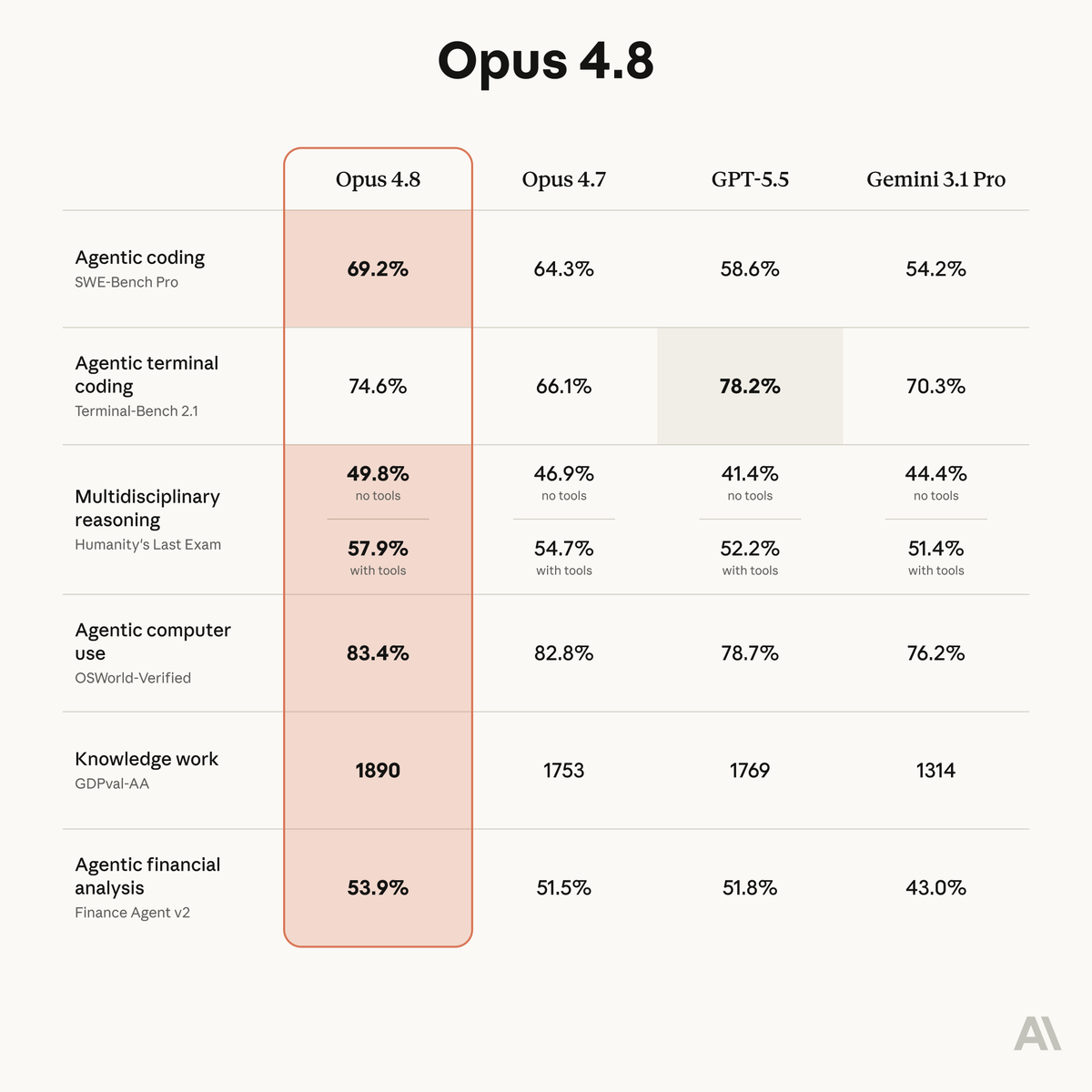
Introducing Claude Opus 4.8: it builds on Opus 4.7 with sharper judgment, more honesty about its own progress, and the ability to work independently for longer than its predecessors.
Available today at the same price.
Google’s advice for AI search is not as complicated as people make it
It is basically this:
- Be crawlable
- Be useful
- Be specific
- Show real expertise
- Structure your content clearly
- Do not hide important answers behind fluff
The funny part?
That is also what good SEO was supposed to be before everyone started chasing shortcuts
AI search is not killing SEO
It is exposing weak SEO
salah satu otak di balik OpenAI dan mantan Head of AI Tesla baru aja drop insight yang bahkan perusahaan AI rela bayar mahal buat dapetin.
dan dia kasih gratis
dalam 29 menit dia ngebahas:
- kenapa vibe coding mulai ditinggal
- cara baru manusia bikin software
- dan kenapa LLM itu lebih dari sekadar chatbot
gw juga udah translate videonya ke bahasa indonesia
Ngeklip2 gini 8 hari aja udh bisa 600 followers.
100% organik, beberapa video ada yg FYP juga.
3 video per hari fully automated.
Dari ngeklip - kasih subtitle - upload.
Semuanya krn ffmpeg :*
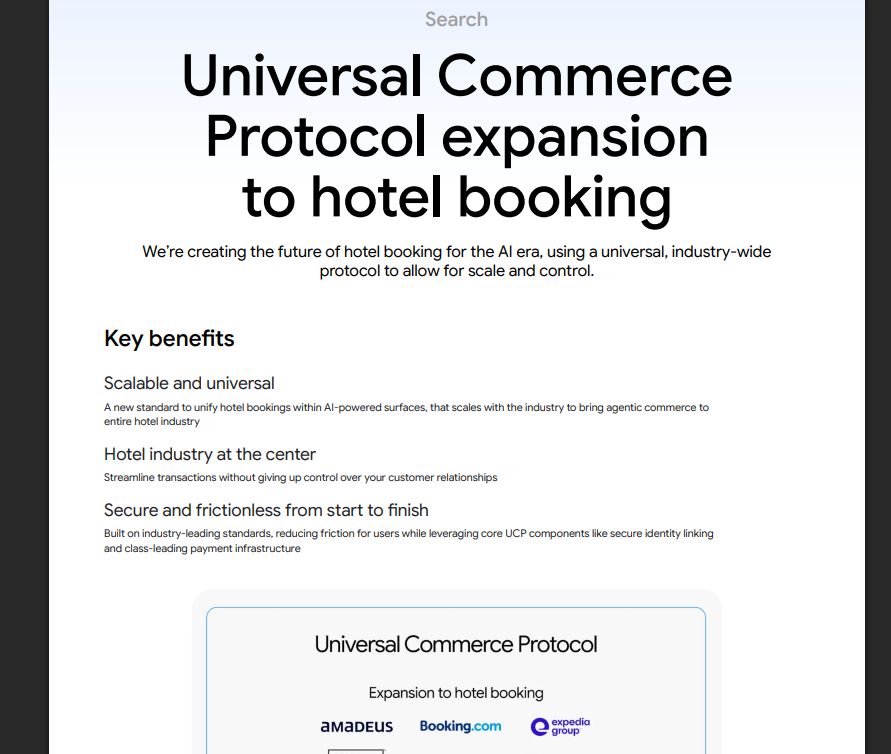
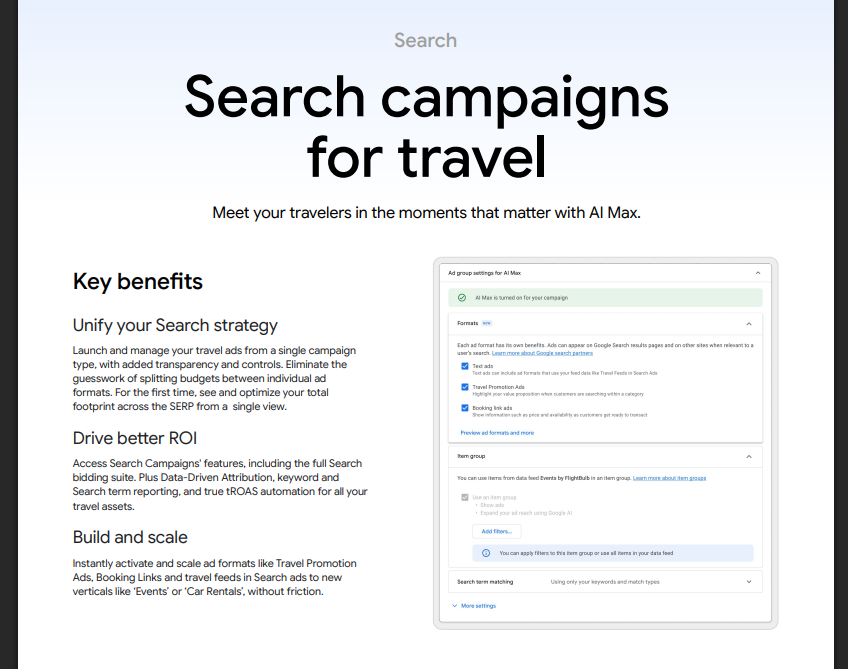
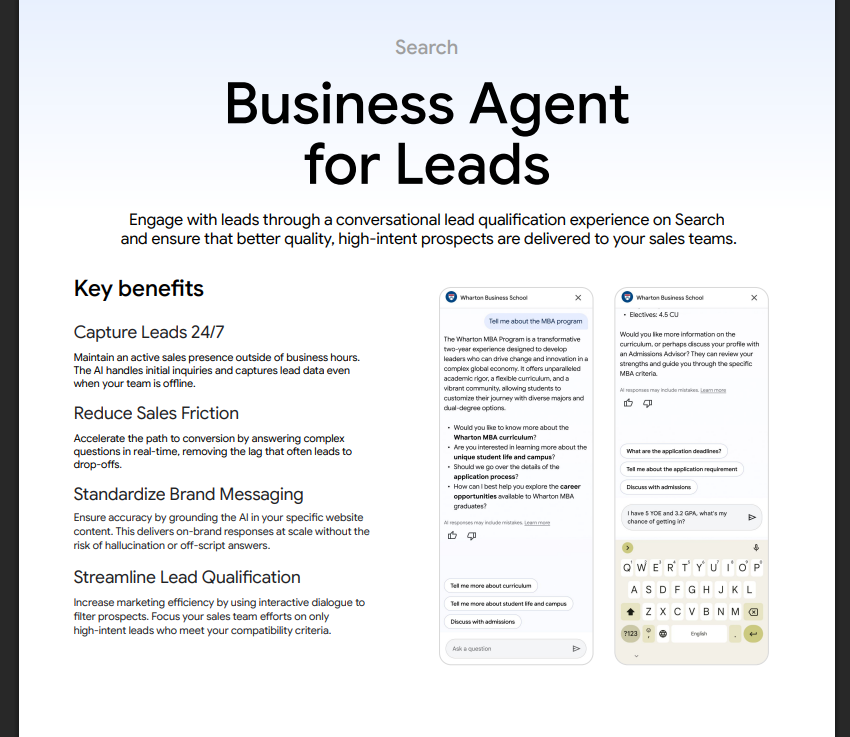
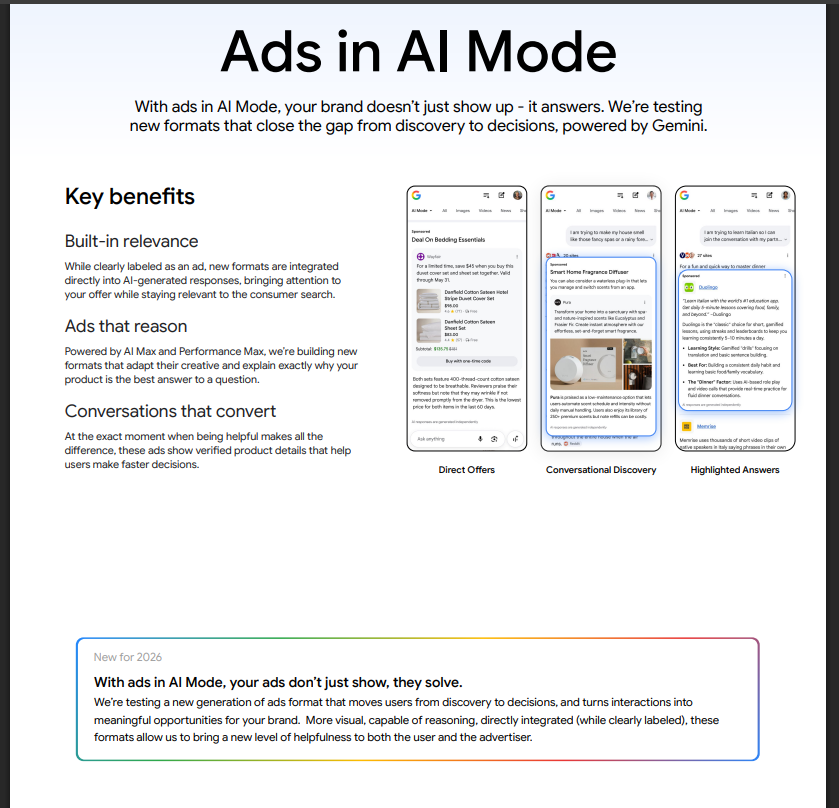
A new Google Search is rolling out as we speak.
This one is centered around AI.
A lot of people on X have wondered why Google is making this massive change.
Here's the answer: nearly 50% of consumers say that AI now shapes which brands they trust.
Mind you, 85% of those same consumers still say that they verify via Google before buying.
But AI is playing an increasingly significant role in the buying process, and Google is reacting accordingly.
[Want to know where your site stands across Google AI, ChatGPT, Claude, Grok, etc?
Check here (it's free): https://t.co/Pn764BHwyL]
According to Eight Oh Two's 2026 AI + Search Behavior Study of active AI users, 47% of consumers say AI influences which brands they trust first.
That said, 85% still double-check AI-generated information through traditional search engines before making a purchase decision.
That means the buying journey now has two gates.
Gate one: the AI recommendation that shapes the buyer's initial trust and shortlist.
Gate two: the Google verification that confirms or overrides the AI's recommendation.
You need to pass both.
And that is what SEO Stuff (https://t.co/wKpf0EILTx) helps businesses do.
Here is how this plays out in practice.
A buyer asks ChatGPT to recommend project management tools for agencies. ChatGPT assembles a shortlist of three brands based on the sources it considers most authoritative.
That shortlist shapes the buyer's initial trust: these are the brands AI thinks are worth considering.
But the buyer does not stop there. Most then go to Google to verify what the AI told them. They search the brand names. They look for reviews, comparisons, case studies. They check whether the AI's recommendation holds up against what they find in traditional search results.
If you want to see where your brand stands across both AI platforms and Google search, start here (it's free):
https://t.co/Pn764BHwyL
Some brands rank well in Google but are invisible to AI platforms. They pass gate two but never make it through gate one. The buyer never encounters their brand during the AI research phase, so they are never on the initial shortlist, and the buyer never searches for them in Google.
Other brands have started getting cited by AI but have weak Google presence. They pass gate one but fail at gate two. The buyer sees them recommended by AI, goes to Google to verify, and finds thin results: no editorial coverage, no reviews, no authoritative content backing up what the AI said.
If they do not find it, the AI's recommendation loses credibility.
The brands winning in this environment pass both gates. They have the content depth and authority signals to get cited by AI platforms during the research phase. And they have the Google rankings, editorial coverage, and third-party validation to survive the verification phase that 85% of buyers still run before purchasing.
Here is the good news: the same investment powers both gates.
Content depth gets you cited by AI (gate one) and gives you pages that rank in Google (gate two). Editorial backlinks from trusted publishers make your content authoritative enough for AI to cite AND strong enough to rank in Google search results.
Expert attribution builds trust with both AI retrieval systems and human buyers checking your credibility in Google.
This is the system SEO Stuff (https://t.co/wKpf0EILTx) was built around.
The done-for-you plan:
https://t.co/yEFyM0Ze7W
Expert-attributed content backed by DR50+ backlinks: the combination that gets your brand cited by AI during the research phase and keeps you ranking in Google during the verification phase that 85% of buyers still run
The content-only plan:
https://t.co/4CAnUt07PO
60 pages of expert-attributed content covering the questions buyers ask during AI research and the queries they search during Google verification
The authority-only plan:
https://t.co/Z9m9D7TjES
Editorial authority from trusted websites that makes your brand citable by AI platforms and credible in Google search results, passing both gates in the modern buying journey
47% of buyers now trust AI to shape their initial brand impressions.
85% still verify through Google.
The brands winning are the ones who show up in both places.
The brands losing are the ones who only show up in one.


![alexgroberman's tweet photo. A new Google Search is rolling out as we speak.
This one is centered around AI.
A lot of people on X have wondered why Google is making this massive change.
Here's the answer: nearly 50% of consumers say that AI now shapes which brands they trust.
Mind you, 85% of those same consumers still say that they verify via Google before buying.
But AI is playing an increasingly significant role in the buying process, and Google is reacting accordingly.
[Want to know where your site stands across Google AI, ChatGPT, Claude, Grok, etc?
Check here (it's free): https://t.co/Pn764BHwyL]
According to Eight Oh Two's 2026 AI + Search Behavior Study of active AI users, 47% of consumers say AI influences which brands they trust first.
That said, 85% still double-check AI-generated information through traditional search engines before making a purchase decision.
That means the buying journey now has two gates.
Gate one: the AI recommendation that shapes the buyer's initial trust and shortlist.
Gate two: the Google verification that confirms or overrides the AI's recommendation.
You need to pass both.
And that is what SEO Stuff (https://t.co/wKpf0EILTx) helps businesses do.
Here is how this plays out in practice.
A buyer asks ChatGPT to recommend project management tools for agencies. ChatGPT assembles a shortlist of three brands based on the sources it considers most authoritative.
That shortlist shapes the buyer's initial trust: these are the brands AI thinks are worth considering.
But the buyer does not stop there. Most then go to Google to verify what the AI told them. They search the brand names. They look for reviews, comparisons, case studies. They check whether the AI's recommendation holds up against what they find in traditional search results.
If you want to see where your brand stands across both AI platforms and Google search, start here (it's free):
https://t.co/Pn764BHwyL
Some brands rank well in Google but are invisible to AI platforms. They pass gate two but never make it through gate one. The buyer never encounters their brand during the AI research phase, so they are never on the initial shortlist, and the buyer never searches for them in Google.
Other brands have started getting cited by AI but have weak Google presence. They pass gate one but fail at gate two. The buyer sees them recommended by AI, goes to Google to verify, and finds thin results: no editorial coverage, no reviews, no authoritative content backing up what the AI said.
If they do not find it, the AI's recommendation loses credibility.
The brands winning in this environment pass both gates. They have the content depth and authority signals to get cited by AI platforms during the research phase. And they have the Google rankings, editorial coverage, and third-party validation to survive the verification phase that 85% of buyers still run before purchasing.
Here is the good news: the same investment powers both gates.
Content depth gets you cited by AI (gate one) and gives you pages that rank in Google (gate two). Editorial backlinks from trusted publishers make your content authoritative enough for AI to cite AND strong enough to rank in Google search results.
Expert attribution builds trust with both AI retrieval systems and human buyers checking your credibility in Google.
This is the system SEO Stuff (https://t.co/wKpf0EILTx) was built around.
The done-for-you plan:
https://t.co/yEFyM0Ze7W
Expert-attributed content backed by DR50+ backlinks: the combination that gets your brand cited by AI during the research phase and keeps you ranking in Google during the verification phase that 85% of buyers still run
The content-only plan:
https://t.co/4CAnUt07PO
60 pages of expert-attributed content covering the questions buyers ask during AI research and the queries they search during Google verification
The authority-only plan:
https://t.co/Z9m9D7TjES
Editorial authority from trusted websites that makes your brand citable by AI platforms and credible in Google search results, passing both gates in the modern buying journey
47% of buyers now trust AI to shape their initial brand impressions.
85% still verify through Google.
The brands winning are the ones who show up in both places.
The brands losing are the ones who only show up in one.](https://pbs.twimg.com/media/HI7KyOtbgAAoZfh.jpg)
![alexgroberman's tweet photo. A new Google Search is rolling out as we speak.
This one is centered around AI.
A lot of people on X have wondered why Google is making this massive change.
Here's the answer: nearly 50% of consumers say that AI now shapes which brands they trust.
Mind you, 85% of those same consumers still say that they verify via Google before buying.
But AI is playing an increasingly significant role in the buying process, and Google is reacting accordingly.
[Want to know where your site stands across Google AI, ChatGPT, Claude, Grok, etc?
Check here (it's free): https://t.co/Pn764BHwyL]
According to Eight Oh Two's 2026 AI + Search Behavior Study of active AI users, 47% of consumers say AI influences which brands they trust first.
That said, 85% still double-check AI-generated information through traditional search engines before making a purchase decision.
That means the buying journey now has two gates.
Gate one: the AI recommendation that shapes the buyer's initial trust and shortlist.
Gate two: the Google verification that confirms or overrides the AI's recommendation.
You need to pass both.
And that is what SEO Stuff (https://t.co/wKpf0EILTx) helps businesses do.
Here is how this plays out in practice.
A buyer asks ChatGPT to recommend project management tools for agencies. ChatGPT assembles a shortlist of three brands based on the sources it considers most authoritative.
That shortlist shapes the buyer's initial trust: these are the brands AI thinks are worth considering.
But the buyer does not stop there. Most then go to Google to verify what the AI told them. They search the brand names. They look for reviews, comparisons, case studies. They check whether the AI's recommendation holds up against what they find in traditional search results.
If you want to see where your brand stands across both AI platforms and Google search, start here (it's free):
https://t.co/Pn764BHwyL
Some brands rank well in Google but are invisible to AI platforms. They pass gate two but never make it through gate one. The buyer never encounters their brand during the AI research phase, so they are never on the initial shortlist, and the buyer never searches for them in Google.
Other brands have started getting cited by AI but have weak Google presence. They pass gate one but fail at gate two. The buyer sees them recommended by AI, goes to Google to verify, and finds thin results: no editorial coverage, no reviews, no authoritative content backing up what the AI said.
If they do not find it, the AI's recommendation loses credibility.
The brands winning in this environment pass both gates. They have the content depth and authority signals to get cited by AI platforms during the research phase. And they have the Google rankings, editorial coverage, and third-party validation to survive the verification phase that 85% of buyers still run before purchasing.
Here is the good news: the same investment powers both gates.
Content depth gets you cited by AI (gate one) and gives you pages that rank in Google (gate two). Editorial backlinks from trusted publishers make your content authoritative enough for AI to cite AND strong enough to rank in Google search results.
Expert attribution builds trust with both AI retrieval systems and human buyers checking your credibility in Google.
This is the system SEO Stuff (https://t.co/wKpf0EILTx) was built around.
The done-for-you plan:
https://t.co/yEFyM0Ze7W
Expert-attributed content backed by DR50+ backlinks: the combination that gets your brand cited by AI during the research phase and keeps you ranking in Google during the verification phase that 85% of buyers still run
The content-only plan:
https://t.co/4CAnUt07PO
60 pages of expert-attributed content covering the questions buyers ask during AI research and the queries they search during Google verification
The authority-only plan:
https://t.co/Z9m9D7TjES
Editorial authority from trusted websites that makes your brand citable by AI platforms and credible in Google search results, passing both gates in the modern buying journey
47% of buyers now trust AI to shape their initial brand impressions.
85% still verify through Google.
The brands winning are the ones who show up in both places.
The brands losing are the ones who only show up in one.](https://pbs.twimg.com/media/HI7KyOTboAA1G3H.jpg)
![alexgroberman's tweet photo. A new Google Search is rolling out as we speak.
This one is centered around AI.
A lot of people on X have wondered why Google is making this massive change.
Here's the answer: nearly 50% of consumers say that AI now shapes which brands they trust.
Mind you, 85% of those same consumers still say that they verify via Google before buying.
But AI is playing an increasingly significant role in the buying process, and Google is reacting accordingly.
[Want to know where your site stands across Google AI, ChatGPT, Claude, Grok, etc?
Check here (it's free): https://t.co/Pn764BHwyL]
According to Eight Oh Two's 2026 AI + Search Behavior Study of active AI users, 47% of consumers say AI influences which brands they trust first.
That said, 85% still double-check AI-generated information through traditional search engines before making a purchase decision.
That means the buying journey now has two gates.
Gate one: the AI recommendation that shapes the buyer's initial trust and shortlist.
Gate two: the Google verification that confirms or overrides the AI's recommendation.
You need to pass both.
And that is what SEO Stuff (https://t.co/wKpf0EILTx) helps businesses do.
Here is how this plays out in practice.
A buyer asks ChatGPT to recommend project management tools for agencies. ChatGPT assembles a shortlist of three brands based on the sources it considers most authoritative.
That shortlist shapes the buyer's initial trust: these are the brands AI thinks are worth considering.
But the buyer does not stop there. Most then go to Google to verify what the AI told them. They search the brand names. They look for reviews, comparisons, case studies. They check whether the AI's recommendation holds up against what they find in traditional search results.
If you want to see where your brand stands across both AI platforms and Google search, start here (it's free):
https://t.co/Pn764BHwyL
Some brands rank well in Google but are invisible to AI platforms. They pass gate two but never make it through gate one. The buyer never encounters their brand during the AI research phase, so they are never on the initial shortlist, and the buyer never searches for them in Google.
Other brands have started getting cited by AI but have weak Google presence. They pass gate one but fail at gate two. The buyer sees them recommended by AI, goes to Google to verify, and finds thin results: no editorial coverage, no reviews, no authoritative content backing up what the AI said.
If they do not find it, the AI's recommendation loses credibility.
The brands winning in this environment pass both gates. They have the content depth and authority signals to get cited by AI platforms during the research phase. And they have the Google rankings, editorial coverage, and third-party validation to survive the verification phase that 85% of buyers still run before purchasing.
Here is the good news: the same investment powers both gates.
Content depth gets you cited by AI (gate one) and gives you pages that rank in Google (gate two). Editorial backlinks from trusted publishers make your content authoritative enough for AI to cite AND strong enough to rank in Google search results.
Expert attribution builds trust with both AI retrieval systems and human buyers checking your credibility in Google.
This is the system SEO Stuff (https://t.co/wKpf0EILTx) was built around.
The done-for-you plan:
https://t.co/yEFyM0Ze7W
Expert-attributed content backed by DR50+ backlinks: the combination that gets your brand cited by AI during the research phase and keeps you ranking in Google during the verification phase that 85% of buyers still run
The content-only plan:
https://t.co/4CAnUt07PO
60 pages of expert-attributed content covering the questions buyers ask during AI research and the queries they search during Google verification
The authority-only plan:
https://t.co/Z9m9D7TjES
Editorial authority from trusted websites that makes your brand citable by AI platforms and credible in Google search results, passing both gates in the modern buying journey
47% of buyers now trust AI to shape their initial brand impressions.
85% still verify through Google.
The brands winning are the ones who show up in both places.
The brands losing are the ones who only show up in one.](https://pbs.twimg.com/media/HI7KuBaakAEgbGa.jpg)








![alexgroberman's tweet photo. A new Google Search is rolling out as we speak.
This one is centered around AI.
A lot of people on X have wondered why Google is making this massive change.
Here's the answer: nearly 50% of consumers say that AI now shapes which brands they trust.
Mind you, 85% of those same consumers still say that they verify via Google before buying.
But AI is playing an increasingly significant role in the buying process, and Google is reacting accordingly.
[Want to know where your site stands across Google AI, ChatGPT, Claude, Grok, etc?
Check here (it's free): https://t.co/Pn764BHwyL]
According to Eight Oh Two's 2026 AI + Search Behavior Study of active AI users, 47% of consumers say AI influences which brands they trust first.
That said, 85% still double-check AI-generated information through traditional search engines before making a purchase decision.
That means the buying journey now has two gates.
Gate one: the AI recommendation that shapes the buyer's initial trust and shortlist.
Gate two: the Google verification that confirms or overrides the AI's recommendation.
You need to pass both.
And that is what SEO Stuff (https://t.co/wKpf0EILTx) helps businesses do.
Here is how this plays out in practice.
A buyer asks ChatGPT to recommend project management tools for agencies. ChatGPT assembles a shortlist of three brands based on the sources it considers most authoritative.
That shortlist shapes the buyer's initial trust: these are the brands AI thinks are worth considering.
But the buyer does not stop there. Most then go to Google to verify what the AI told them. They search the brand names. They look for reviews, comparisons, case studies. They check whether the AI's recommendation holds up against what they find in traditional search results.
If you want to see where your brand stands across both AI platforms and Google search, start here (it's free):
https://t.co/Pn764BHwyL
Some brands rank well in Google but are invisible to AI platforms. They pass gate two but never make it through gate one. The buyer never encounters their brand during the AI research phase, so they are never on the initial shortlist, and the buyer never searches for them in Google.
Other brands have started getting cited by AI but have weak Google presence. They pass gate one but fail at gate two. The buyer sees them recommended by AI, goes to Google to verify, and finds thin results: no editorial coverage, no reviews, no authoritative content backing up what the AI said.
If they do not find it, the AI's recommendation loses credibility.
The brands winning in this environment pass both gates. They have the content depth and authority signals to get cited by AI platforms during the research phase. And they have the Google rankings, editorial coverage, and third-party validation to survive the verification phase that 85% of buyers still run before purchasing.
Here is the good news: the same investment powers both gates.
Content depth gets you cited by AI (gate one) and gives you pages that rank in Google (gate two). Editorial backlinks from trusted publishers make your content authoritative enough for AI to cite AND strong enough to rank in Google search results.
Expert attribution builds trust with both AI retrieval systems and human buyers checking your credibility in Google.
This is the system SEO Stuff (https://t.co/wKpf0EILTx) was built around.
The done-for-you plan:
https://t.co/yEFyM0Ze7W
Expert-attributed content backed by DR50+ backlinks: the combination that gets your brand cited by AI during the research phase and keeps you ranking in Google during the verification phase that 85% of buyers still run
The content-only plan:
https://t.co/4CAnUt07PO
60 pages of expert-attributed content covering the questions buyers ask during AI research and the queries they search during Google verification
The authority-only plan:
https://t.co/Z9m9D7TjES
Editorial authority from trusted websites that makes your brand citable by AI platforms and credible in Google search results, passing both gates in the modern buying journey
47% of buyers now trust AI to shape their initial brand impressions.
85% still verify through Google.
The brands winning are the ones who show up in both places.
The brands losing are the ones who only show up in one.](https://pbs.twimg.com/media/HI7KyPKb0AACtqT.jpg)