Experience the history of computing | 8192 unique NFTs with 570+ hand drawn components will soon be available for minting
By @anoobonajourney @nerdancient1
printf("Hello World!");
Crypto Comps are here to remind the world about the advancement we've had in computing technology over the past 4 decades
They will available soon on the @solana for minting 🪙🪙
#SolanaNFTs#NFT
One of the oldest #programming language used for high performance computing, and to benchmark and rank world's fastest supercomputers is #Fortran#NFTartwork#History
Developed by IBM in 1953, Fortran was best suited to run numerical and scientific calculations. It was used in applications like weather prediction, finite element analysis and computational Physics.
#Fortran#programming#History
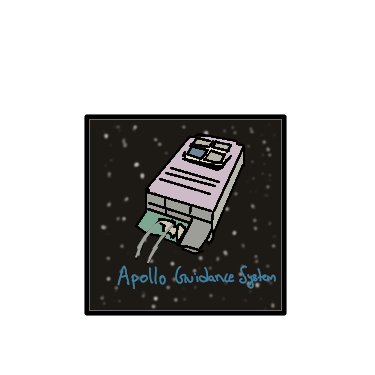
Decision of NASA Apollo engineers to choose MIT Instrumentation Lab's Integrated Circuit based design for their computer had far reaching implications.
Source - https://t.co/vCxmChxDhW (article by @airandspace )
#SiliconValley#computers#History
Apollo Guidance Computer was developed exclusively for usage in the NASA's Apollo program and was designed by the MIT Instrumentation Laboratory. This was one of the first computer to use silicon IC chips in its design.
#computers#History#nftart#NFTProject
Steve Jobs killed the product line after returning to Apple in 1997. He disliked the stylus and preferred using fingers for touch interfaces.
However, Newton's technology led Apple to create devices like #iPad and #iPhone later
#Apple#History
Not many of us might associate this revolutionary product line named 'Newton' with Apple Inc.
With one of the first interfaces featuring handwriting recognition, Newton created a buzz in the computing world.
#computers#History#nftart#NFTs
Unfortunately, handwriting recognition software in the early versions of Newton was buggy and did not meet consumer expectations.
#Apple#computers#History
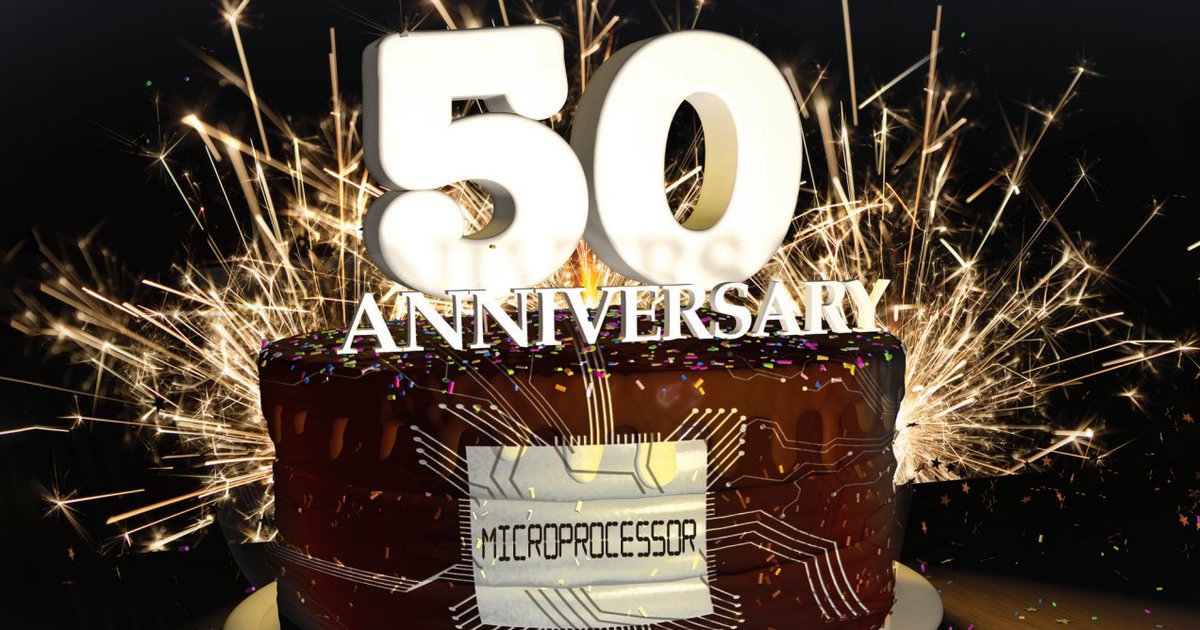
The microprocessor has been the brains behind various technologies for 50 years. Celebrate its anniversary with the IEEE Micro special issue, "The Microprocessor at 50: A Time to Celebrate and Energize for the Future" at https://t.co/x9ameJYCHl
Thinkpad is known for its iconic red trackpad which is integrated with even the latest models. It was originally conceptualized by Ted Selker from PARC and was intended to reduce the time needed to shift between the keyboard and the mouse.
#computers#History
Java was initially developed to be a programming language for interactive television and set-top boxes and was called 'Oak'.
We all know why it was renamed later 😀
#programming#History#nftart#NFT
This #BoxingDay let's join hands with our #Comps to honor all scientists, engineers and entrepreneurs directly or indirectly involved in the progress of the computing industry over the past several decades.
Minting soon 🪙 Stay tuned for updates
#NFTs#nftsolana#nftart
In 1994, Sony used the term "GPU" in the context of its #PlayStation and called it "Sony GPU". This "Sony GPU" was actually designed by Toshiba.
#History#NFTartwork#nftart
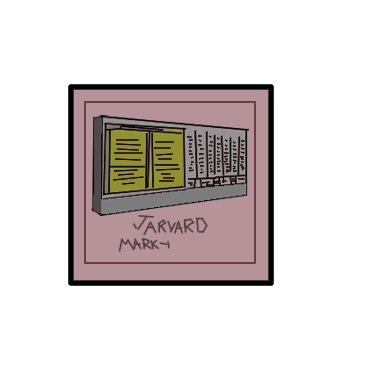
Harvard Mark 1 was used to integrate the partial differential equations at a smaller interval size, thus achieving larger precision in the results. (3/3)
#Computers
Developed in 1944 by IBM, Harvard Mark 1 was an electromechanical computer used for WWII. The computer read instructions from a punched tape and could store 72 numbers, each 23 digits long (1/3)
#Computers#History#nftart#NFTProject
Harvard Mark 1 was used by the polymath, von Neumann to perform calculations to check if implosion was a viable choice to detonate the atomic bomb for the Manhattan project (2/3).
#computers#History