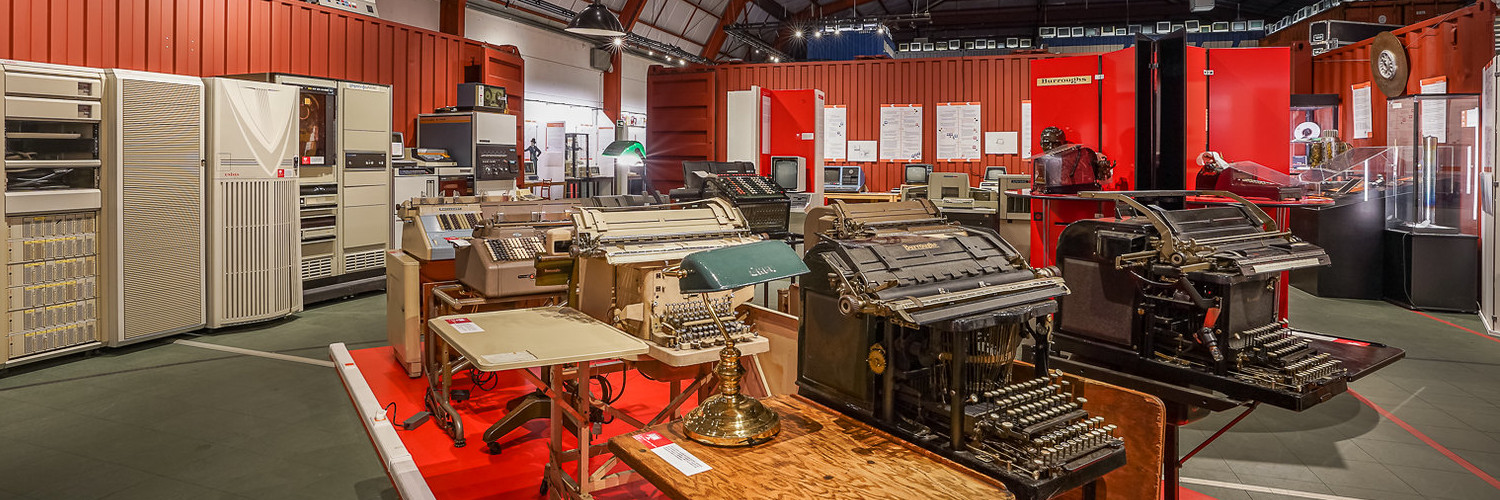
Preserving Floppy Disks:
🔗https://t.co/rR5NMLQhRE
"The physical media is starting to degrade, and a lot of people who developed floppy disks & systems that use floppies are starting to retire or pass away, which means that a lot of tacit knowledge is disappearing."
Magnifica Humanitas
Plus de cent pages, 250 paragraphes, près de 40.000 mots.
Nous publions le texte intégral de la première encyclique consacrée à l'IA.
Le premier texte doctrinal du premier pape américain commenté ligne à ligne.
À lire absolument.
https://t.co/vajiUXqEhu
🛠️ Un projet Maker, c'est de la bidouille ? Détrompez-vous ! 🕹️ Voici les coulisses de ma borne "Tennis LED". Un vrai carrefour de compétences : Électronique, Mécanique, CAO et Code. Déroulez le fil pour voir l'envers du décor ! 👇🧵 #Maker#Framboise314#RaspberryPi
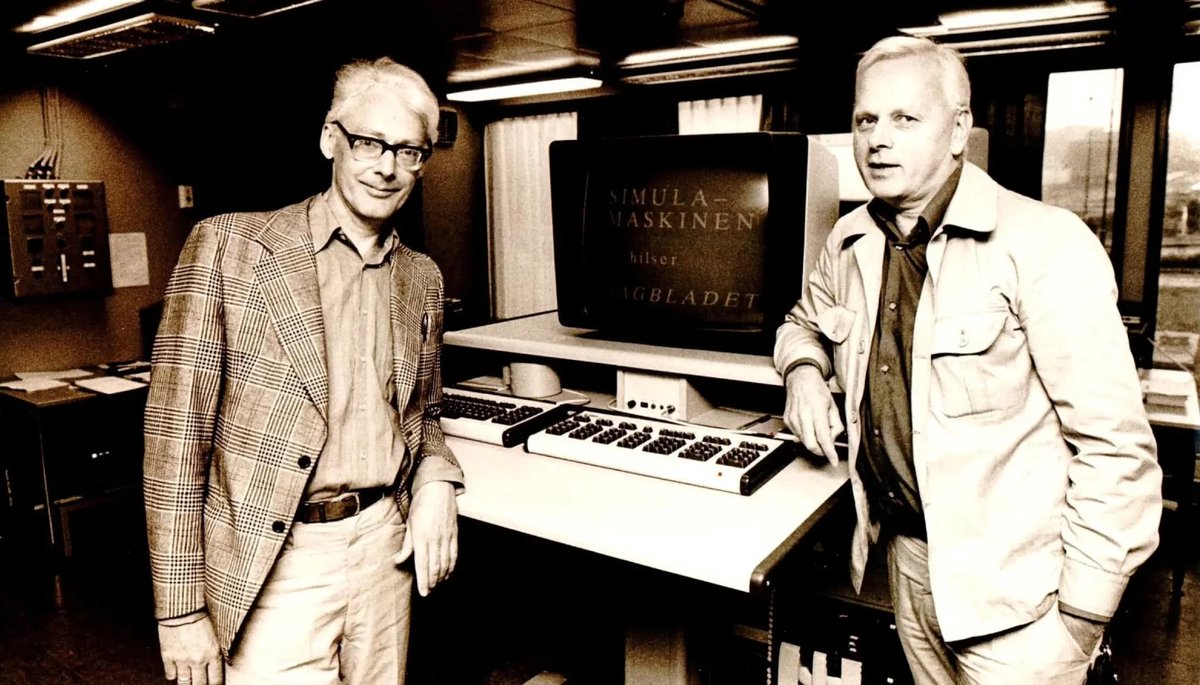
In May 1967, two computer scientists introduced Simula 67, an early programming language that pioneered concepts like classes & objects, laying the groundwork for object-oriented programming: https://t.co/rx0l9Q4QTO
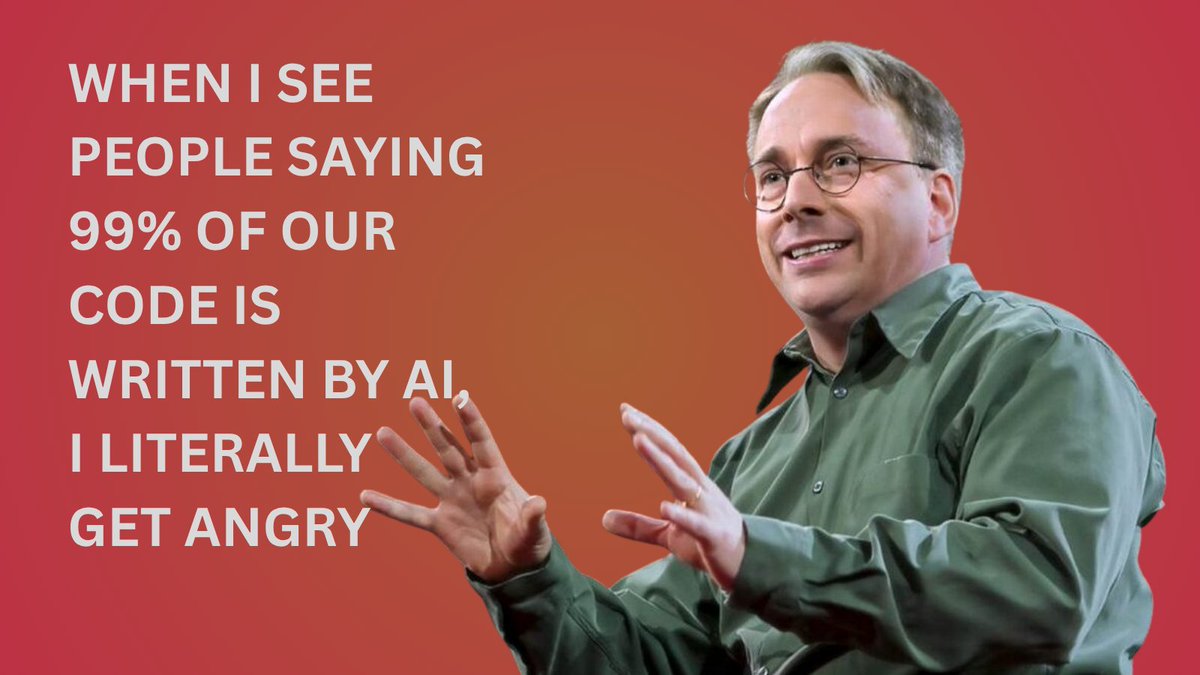
Linus Torvalds doesn't think AI will replace programmers.
Speaking at recent North America edition of Open source summit, Torvalds argues:
"I'm personally 100% convinced that AI is changing programming, but it's not changing the fundamentals." Just as compilers increased productivity "by a factor of 1000,"
He estimates that "AI will increase your productivity by a factor of 10," but insists "AI is great, but AI is not changing programming."
Instead, he contends, "a lot of people will use AI to generate the code that the compilers use to generate the code that the assemblers then use to generate the machine code. This is revolutionary in the same sense that we've seen revolutions before."
Agree with him?
Décès de l'informaticien pionnier américain Peter Gabriel Neumann (PGN) spécialiste de la robustesse des systèmes informatiques. Il a travaillé sur l'OS Multics dans les années 1960 et a édité les chroniques du RISKS Digest pour l'ACM pdt des décennies.
https://t.co/lq8BLNA8JF
The Virtual OS Museum : plus de 1 700 systèmes d'exploitation préinstallés, de 1948 à aujourd'hui, dans une seule VM Linux. Du Manchester Baby de 1948 à Android, en passant par Multics, NeXTSTEP ou BeOS — tout préconfiguré, rien à bidouiller.
https://t.co/1bXwYt8YJ5
Just purchased IMPOSSIBLE MISSION III for the Commodore 64!
Psytronik Software in association with Epyx Games, LLC., Code 10 Digital, Retro Games Ltd & ICON 64 are very proud to present IMPOSSIBLE MISSION 3 — the third game in one of the most famous C64 series of all time is finally here! (Released today!)
Only 10 minutes in and my first impressions:
- The intro sequence is excellent with a proper backstory.
- Title screen looks fantastic.
- I picked Easy difficulty for my first playthrough (and yeah, it's still challenging like the originals!).
"Another visitor... stay a while... stay forever!" — They kept the iconic line and it sounds great!
Running around, searching furniture, dodging robots, and hey I found a gun... and shooting robots, grabbing items... I've died a bunch already. Does this one have infinite lives? I'm hooked and determined to finish it.
Highly recommend grabbing it now — this feels like a worthy sequel with new mechanics (gun, EMP, explosives, etc.).
Download / Purchase links in comments 👇
(Physical cartridge, tape, USB, and digital versions available via Psytronik)
Back to the mission, Agent 4125! 🕹️
#C64 #Commodore64 #ImpossibleMission3 #RetroGaming #Psytronik
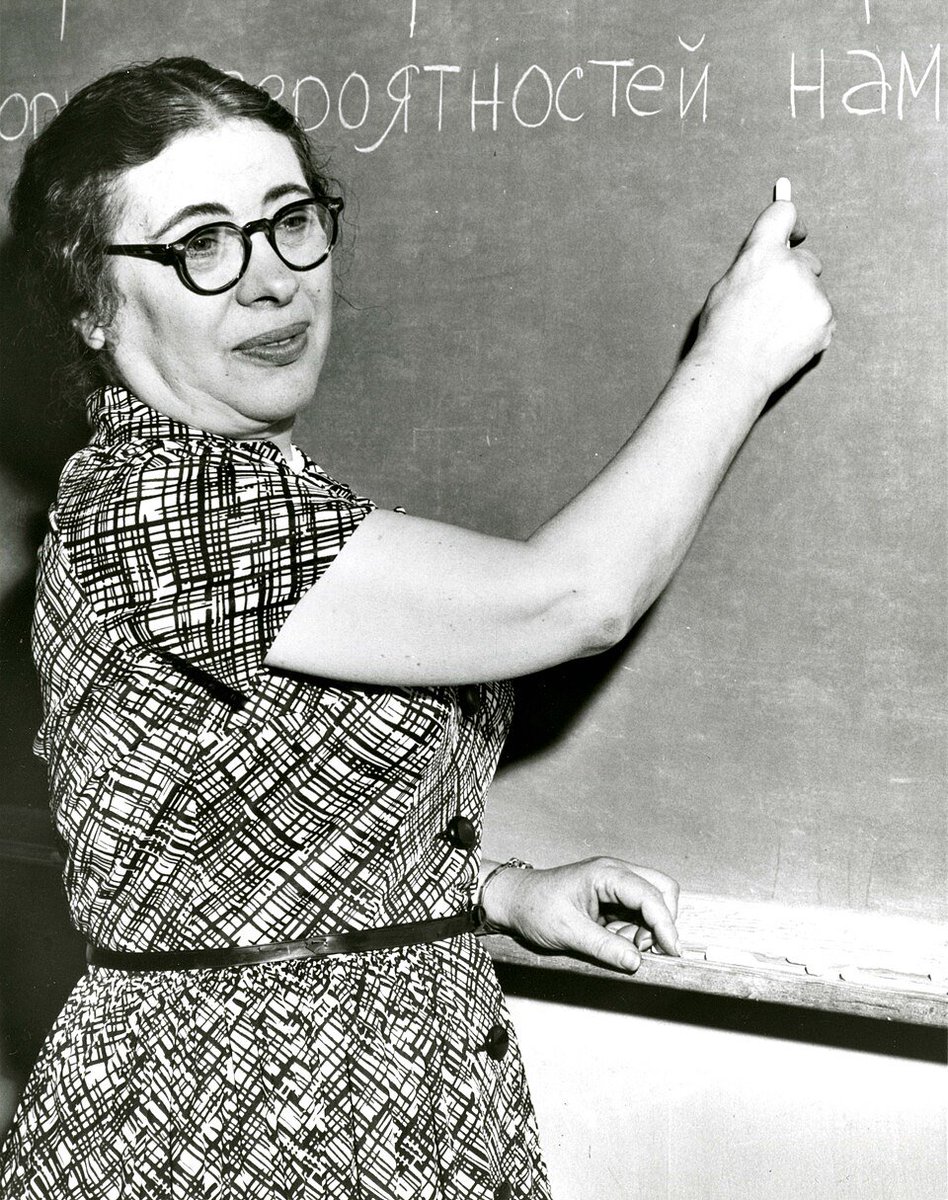
Born on this day in 1900, Ida Rhodes - one of the pioneering women of early computing. She helped design programming systems for the UNIVAC I, contributed to machine translation, and even created an algorithm for Jewish holidays still used in calendar software today.