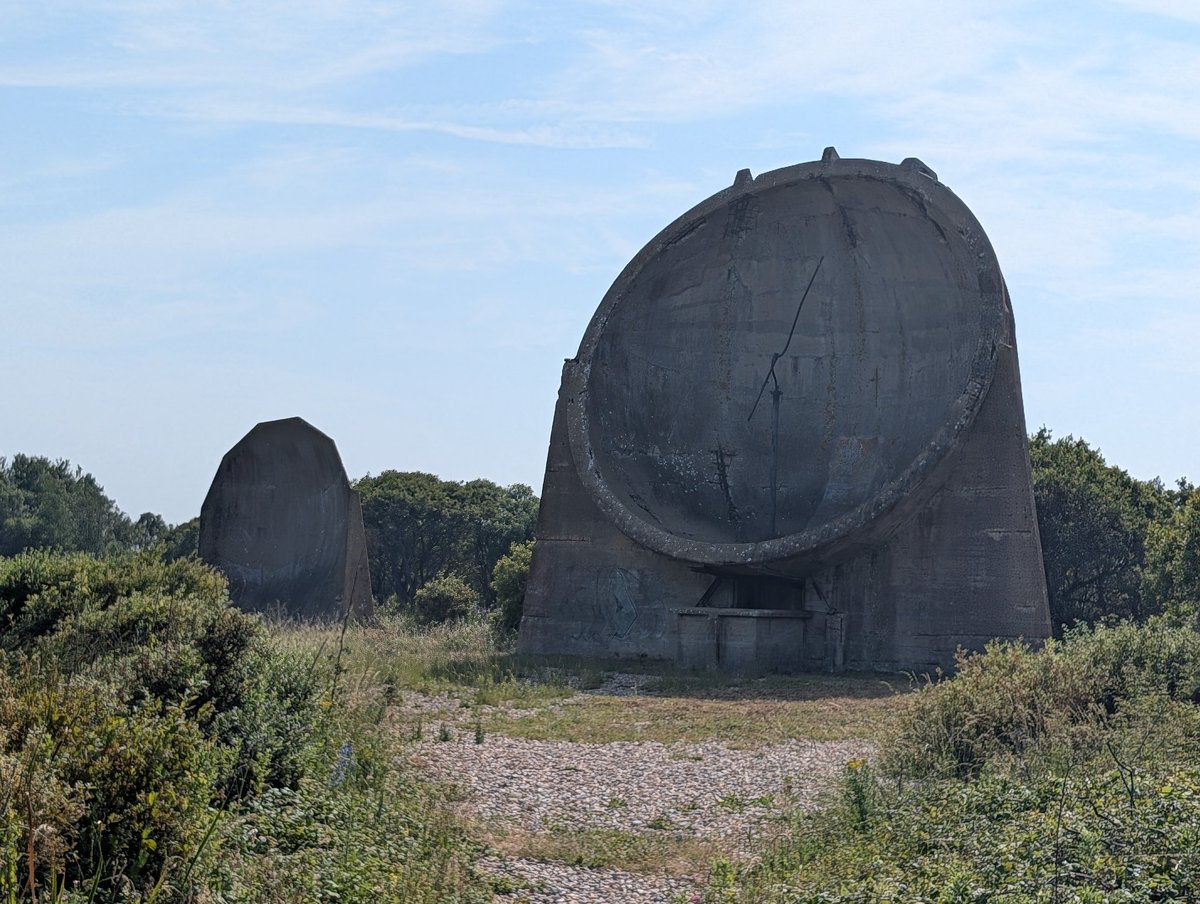
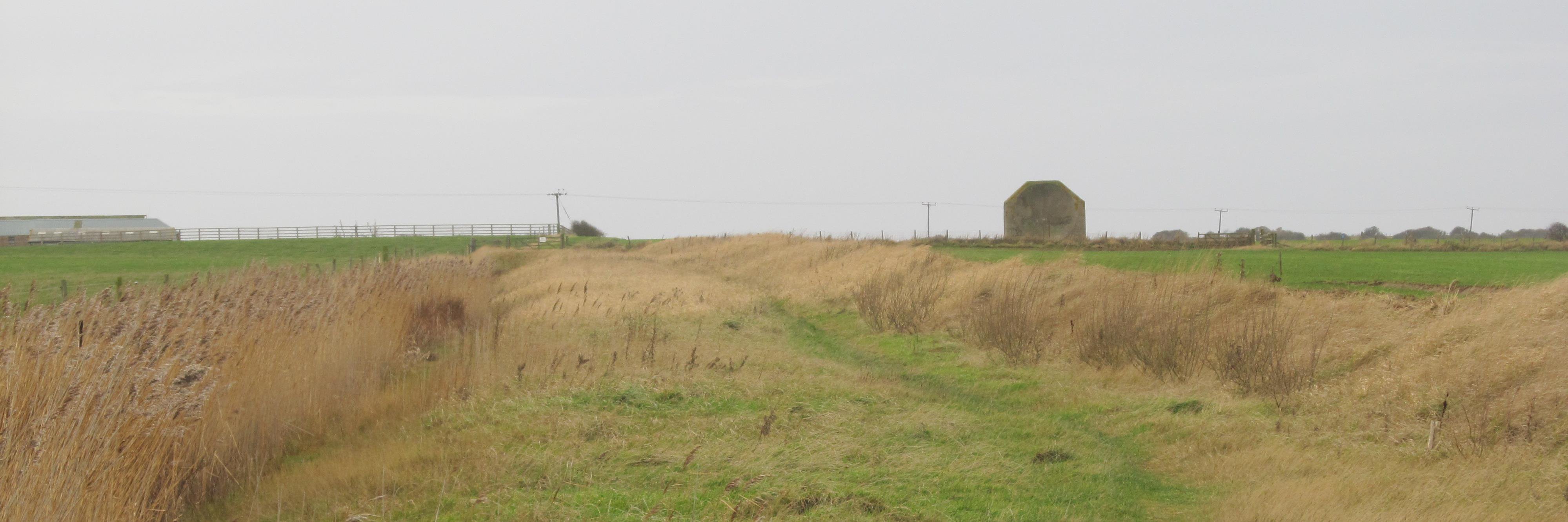
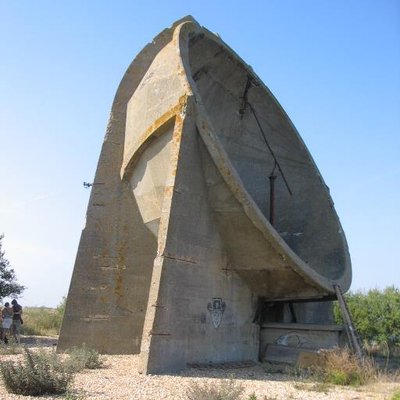
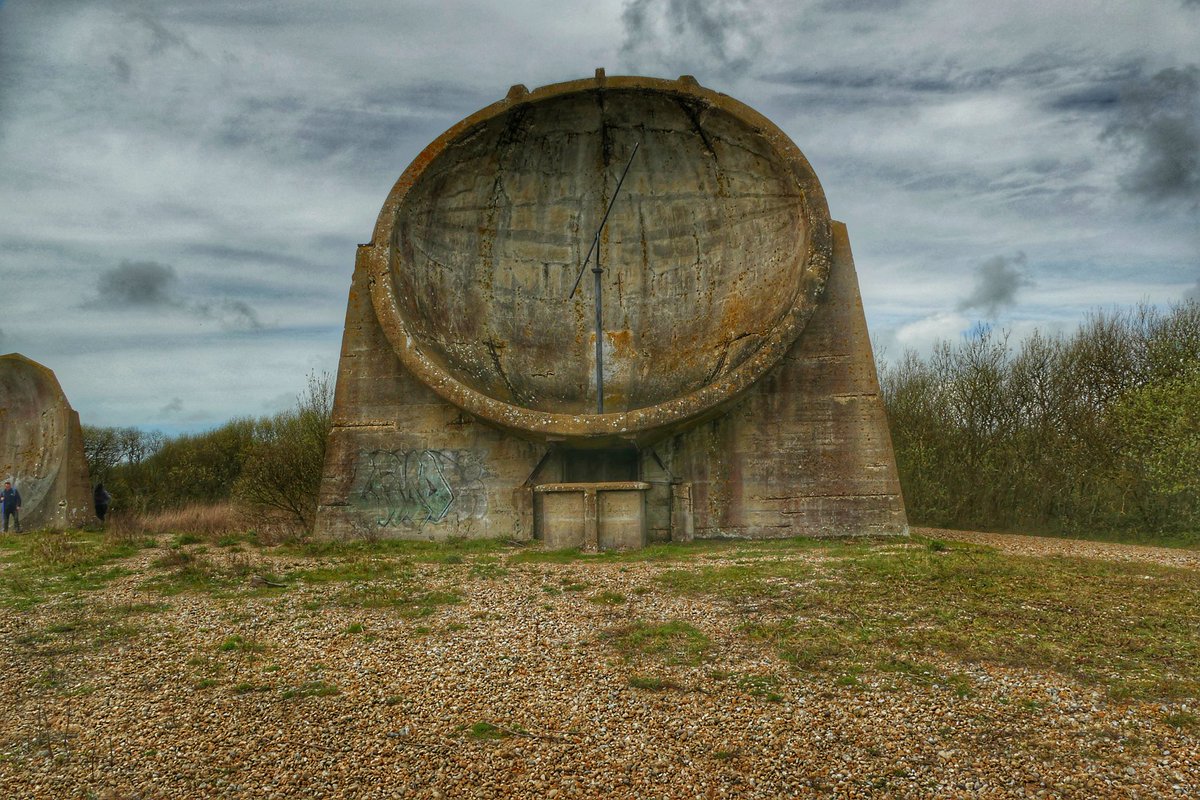
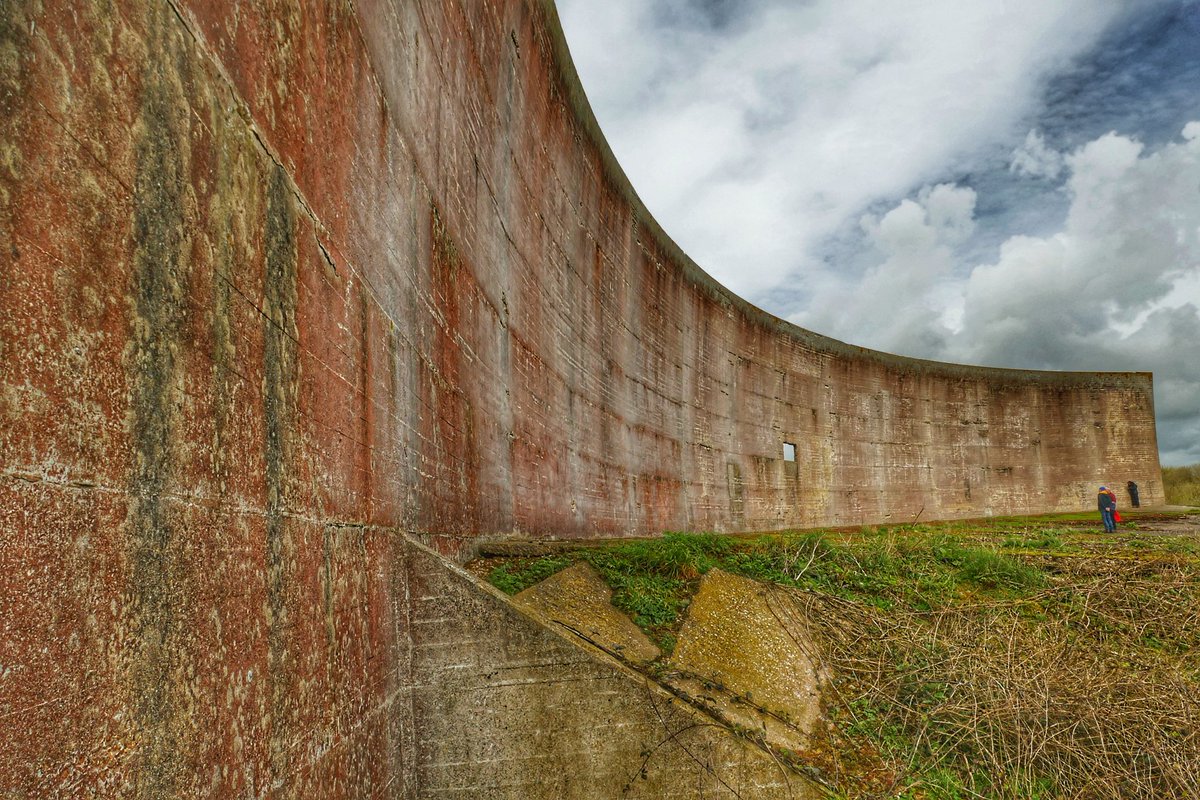
These are the Denge sound mirrors, they were built in 1930 as an experiment to detect the sound of enemy aircraft approaching but were never made operational as radar was then invented. They are in the middle of Lade Pit where I went to see what birds were there.
Echoes of Radar's Origins, stone Sentinels from the past
Denge is an ex-Royal Air Force base along the Kent coastline in England
Here there are three massive concrete formations. Two of them resemble spherical shapes cut in half and raised on bases, while the third is a solid square with a half-sphere hollowed out at its centre
These imposing, brutalist structures possess a unique blend of an ancient and oddly futuristic aesthetic, appearing somewhat like a blend of ancient ruins and cosmic satellite dishes.
They are in fact remnants of WWI and WWII-era surveillance devices—massive concrete precursors to radar
They are called sound mirrors or acoustic mirrors, over a dozen of these structures still exist along the English coast and they were used experimentally as early-warning devices by military air defence forces to detect incoming enemy aircraft by listening for the sound of their engines, They did work, but the development of faster aircraft made them less useful, as an incoming aircraft would be within sight by the time it was located
this program had given Britain the methodology to use interconnected stations to pinpoint the position of an enemy in the sky, a methodology passed for use in radar.
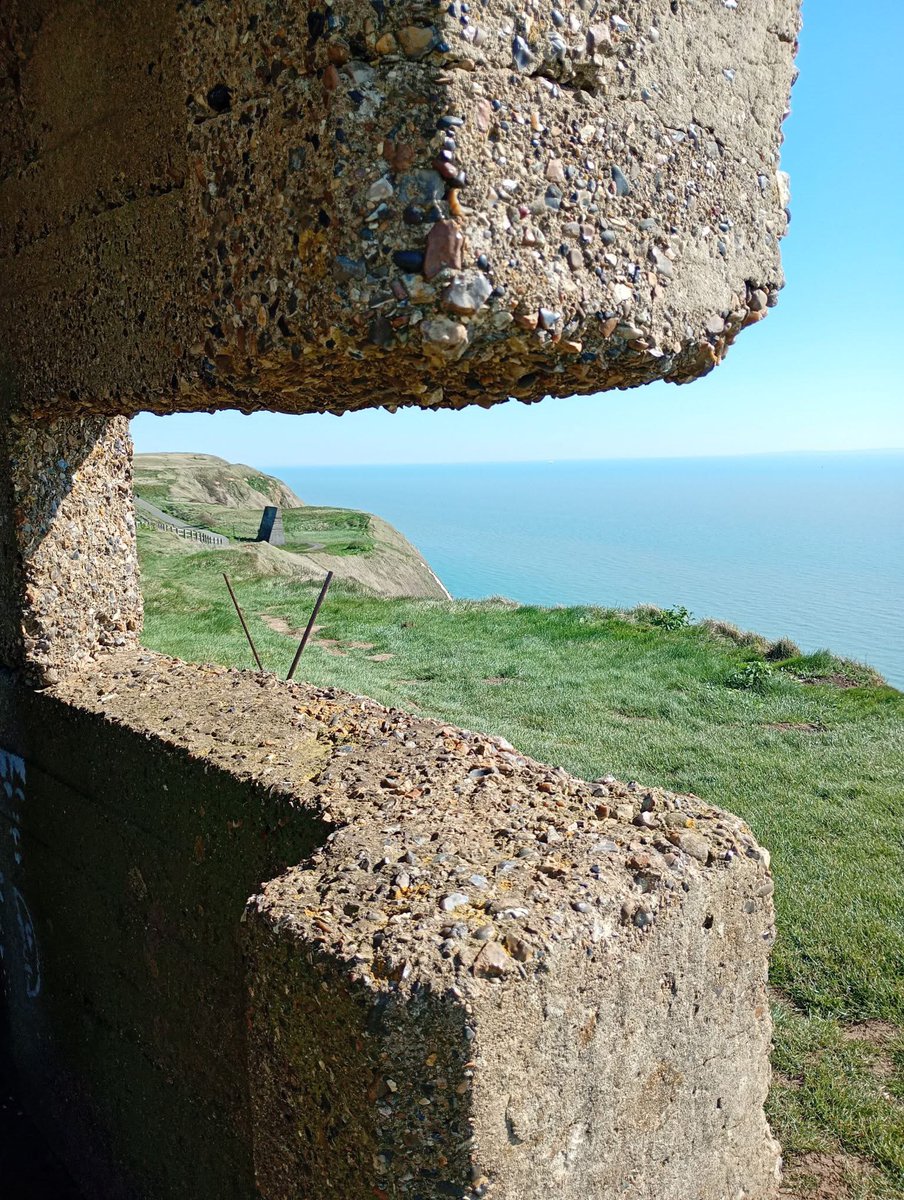
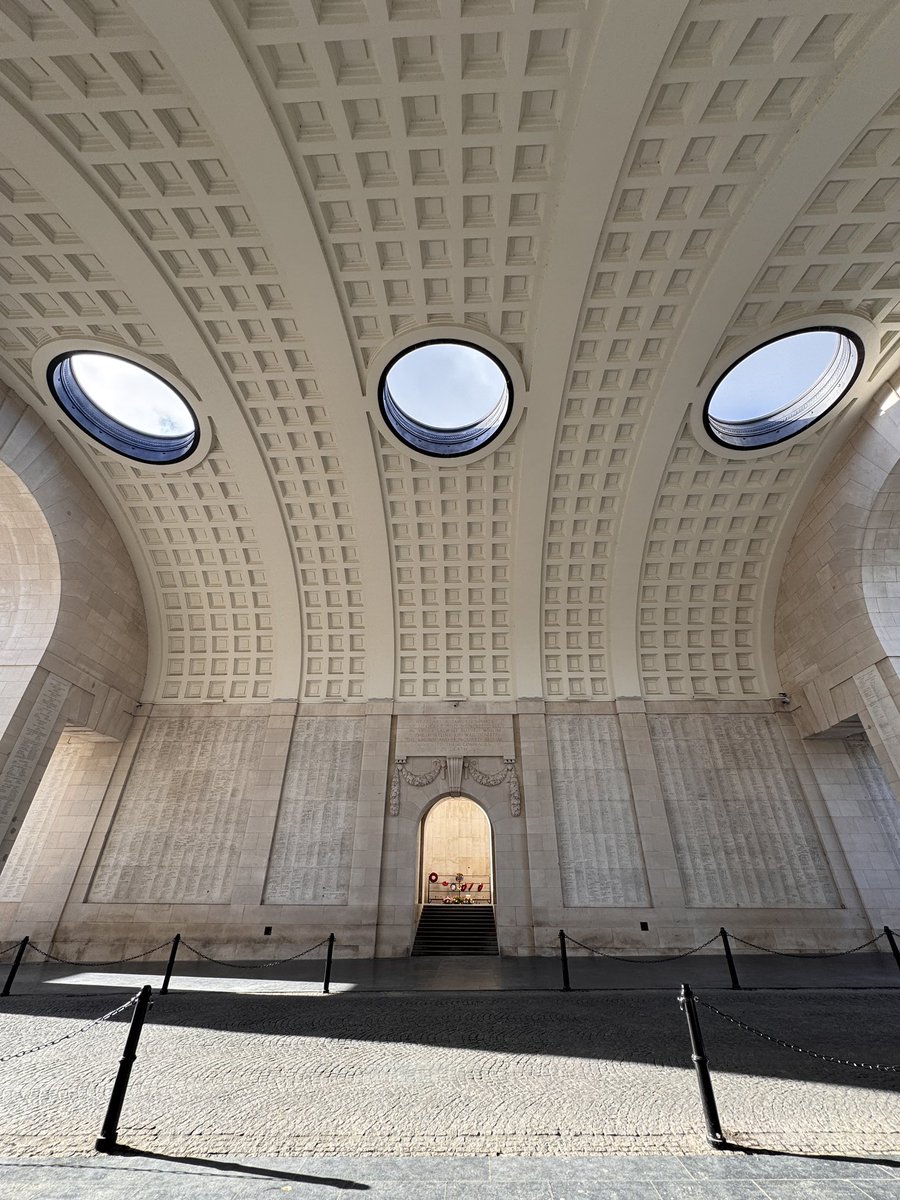
On a road trip with a mate. Lydd on sea PLUTO pumping station then and now ( pic from an old dear we met) the houses were all painted pink to make them look like ice cream parlours. Sound mirrors, and Menin gate just waiting for the 8 o clock trot.
@Bricktop_NAFO The modern, electronic version of the sound mirror, such as this one - built in 1928, near Dungeness (and its much larger 1930 brother in the background). Ingenious.