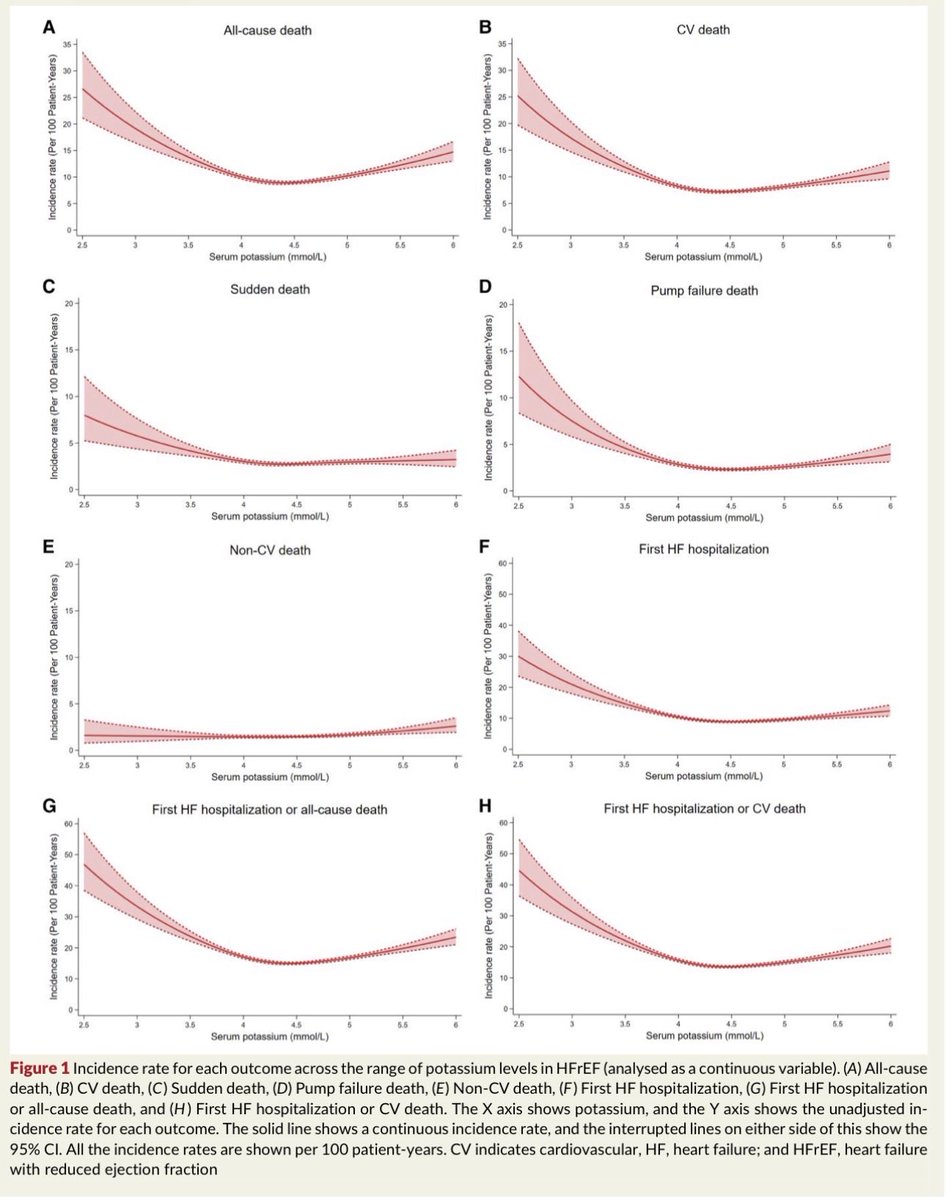
🫀What drives the development of heart failure?
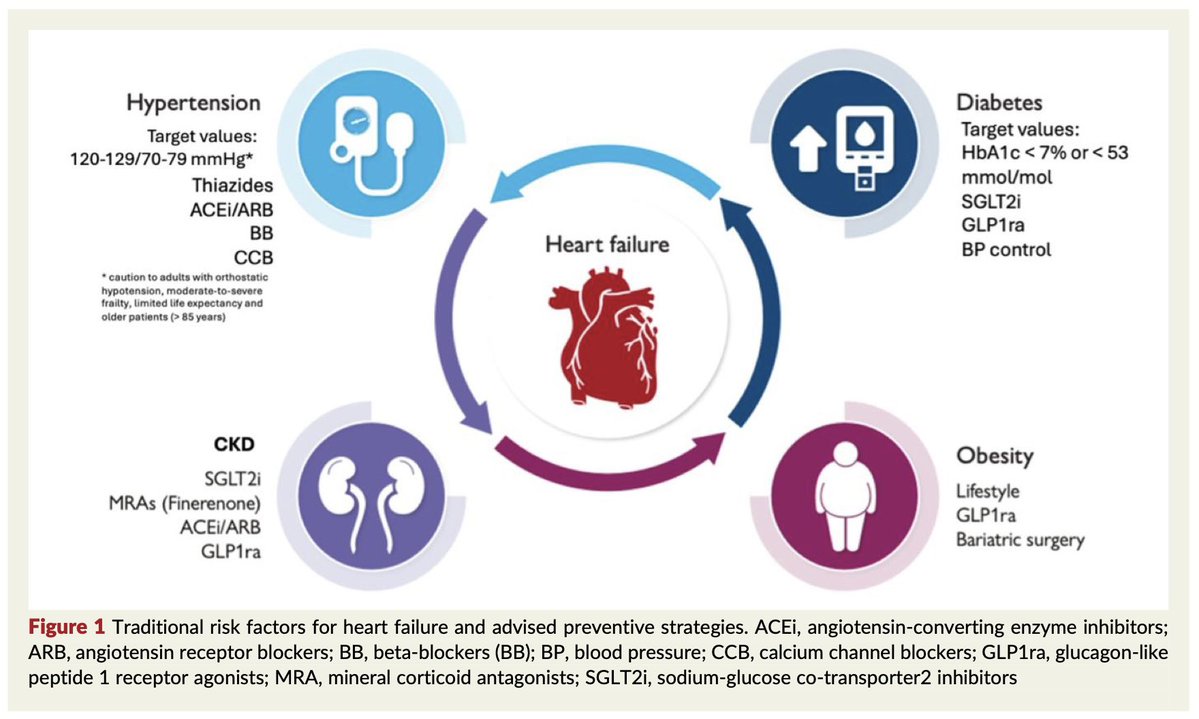
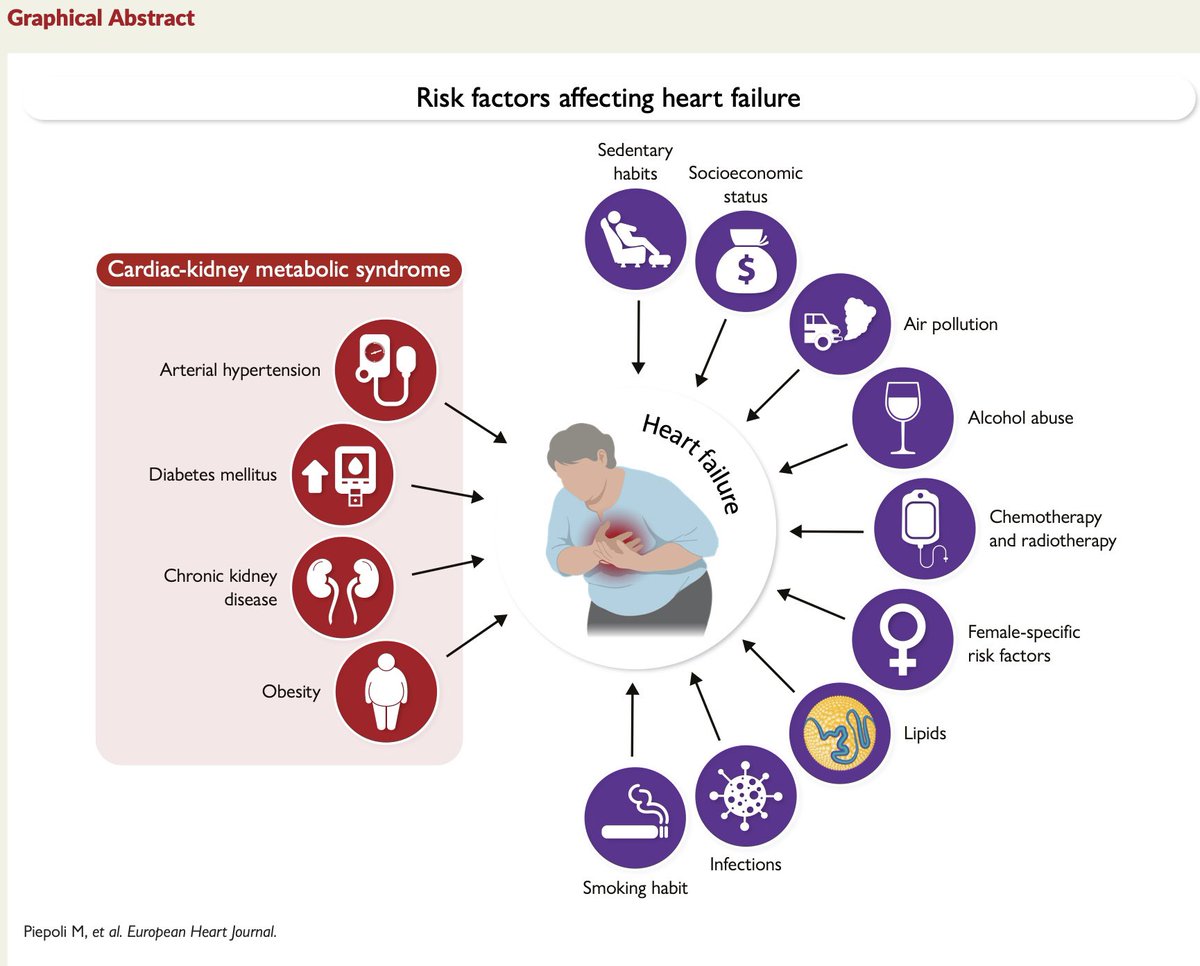
The new #HFA_ESC scientific statement highlights the broad spectrum of risk factors contributing to #HeartFailure including:
📍Cardiac-kidney-metabolic syndrome
📍Lifestyle factors
📍Cancer therapies
📍Female-specific risk factors
📍Environmental & socioeconomic determinants
Preventing HF requires a holistic approach focused on early identification & management of these interconnected risks
Read more in #EJHF @EJHFEiC : https://t.co/EqOZ6zRLG7
@escardio@MarcoMetra@m4ggiesimpson
Just published in JACC @JACCJournals!🫀
Acute HF care is evolving:
📍Rapid diagnosis
📍Early decongestion
📍Timely GDMT initiation
📍Structured follow-up
📍Focus on long-term outcomes, not just symptom relief
Grateful to have contributed to this international collaboration & learned so much from the exceptional experts involved in this work. Congratulations to @Jolie_Bruno_ and @AlexMebazaa for the leadership & to all co-authors on this important publication🫀
Read the full paper🔗: https://t.co/408QmNOznr
#HeartFailure #AcuteHeartFailure #JACC @jozinetm@BiykemB@GianluSava@pmyhre
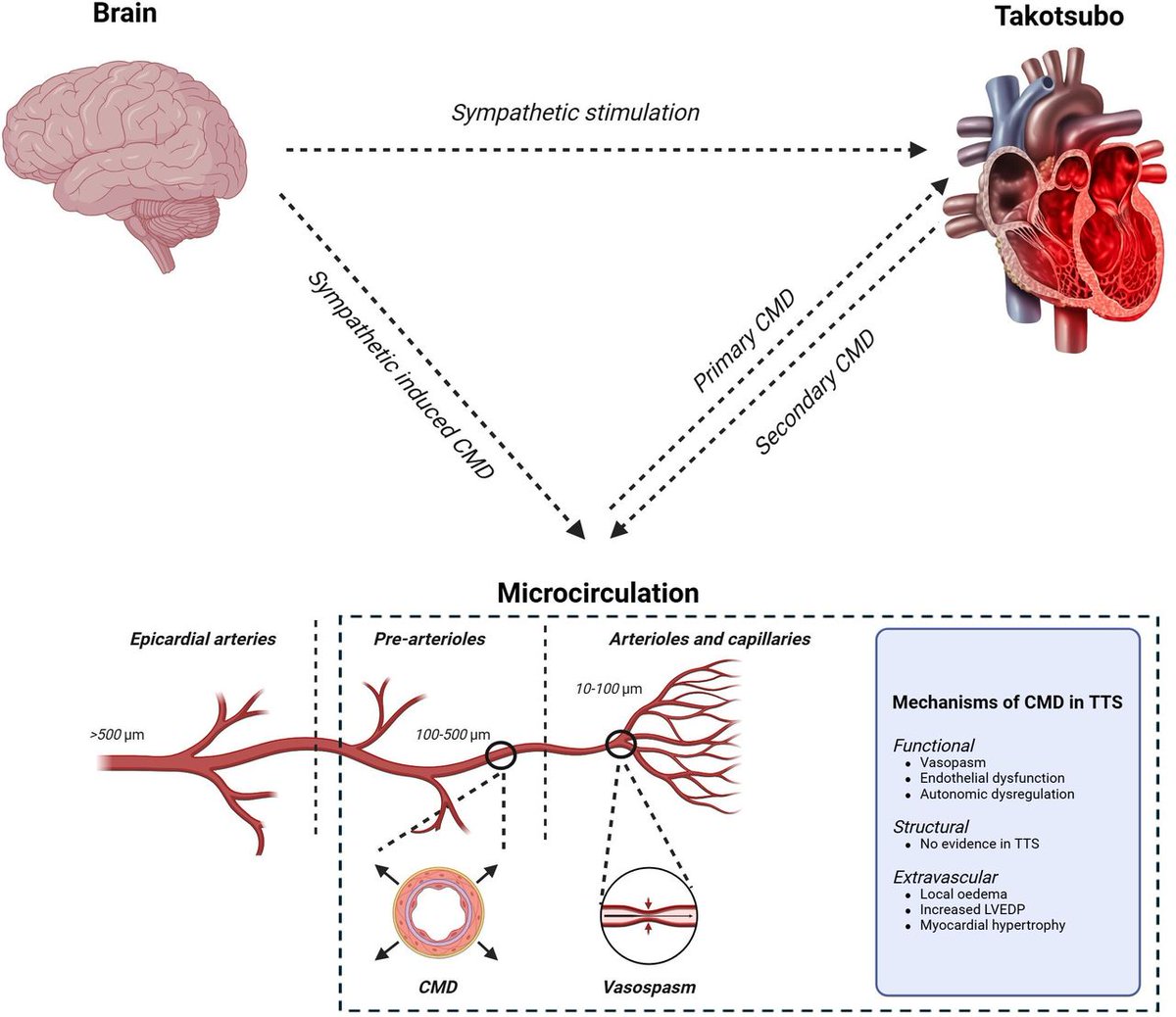
Coronary microvascular obstruction: the "no-reflow" problem that haunts STEMI care. New ESC clinical consensus on pathophysiology, prevention & management: a must-read. Read more in #EHJ.
https://t.co/WWlcFSfVyj
#cardiotwitter@ESC_Journals@escardio
🫀MINOCA is finally entering the era of precision medicine.
The PROMISE trial is the first randomized study showing that a structured diagnostic approach with mechanism targeted therapy improves outcomes in patients with myocardial infarction and non obstructive coronary arteries (MINOCA).
The most important finding was not mortality.
It was diagnostic clarity.
Using OCT, vasoreactivity testing, CMR, and embolic evaluation, investigators identified the underlying mechanism in 80% of patients and reclassified the initial diagnosis in 75.5%.
The most frequent mechanisms were:
• Epicardial spasm: 35.6%
• Plaque instability: 22.2%
• SCAD: 13.3%
This matters because MINOCA is not one disease.
Treating vasospasm, embolism, SCAD, and plaque rupture with the same empirical post MI regimen may be ineffective or even harmful. The paper specifically highlights that beta blockers may worsen vasospastic disease, while antiplatelet therapy alone may be inadequate in coronary embolism.
The intervention improved Seattle Angina Questionnaire scores by +9.38 points, exceeding the clinically meaningful threshold.
One major message from this trial: MINOCA should no longer be considered a “diagnosis.”
It is a working syndrome that demands phenotyping.
Future ACS pathways may increasingly incorporate:
• routine CMR
• intracoronary imaging
• vasoreactivity testing
• mechanism specific therapy
This is likely the beginning of a major paradigm shift in ischemic heart disease.
Reference 📚
Montone RA et al. Stratified treatment of myocardial infarction with non obstructive coronary arteries: the PROMISE trial. European Heart Journal. 2026;47:1456–1466. https://t.co/5vXc6Qy8Q9
The best treatment for heart failure? Preventing it. New ESC scientific statement brings together HFA, EAPC, ACNAP & the Council on Hypertension to define the future of heart failure prevention. Read more in #EHJ.
https://t.co/PnoCKxUDbW
#HF#cardiotwitter@ESC_Journals@escardio
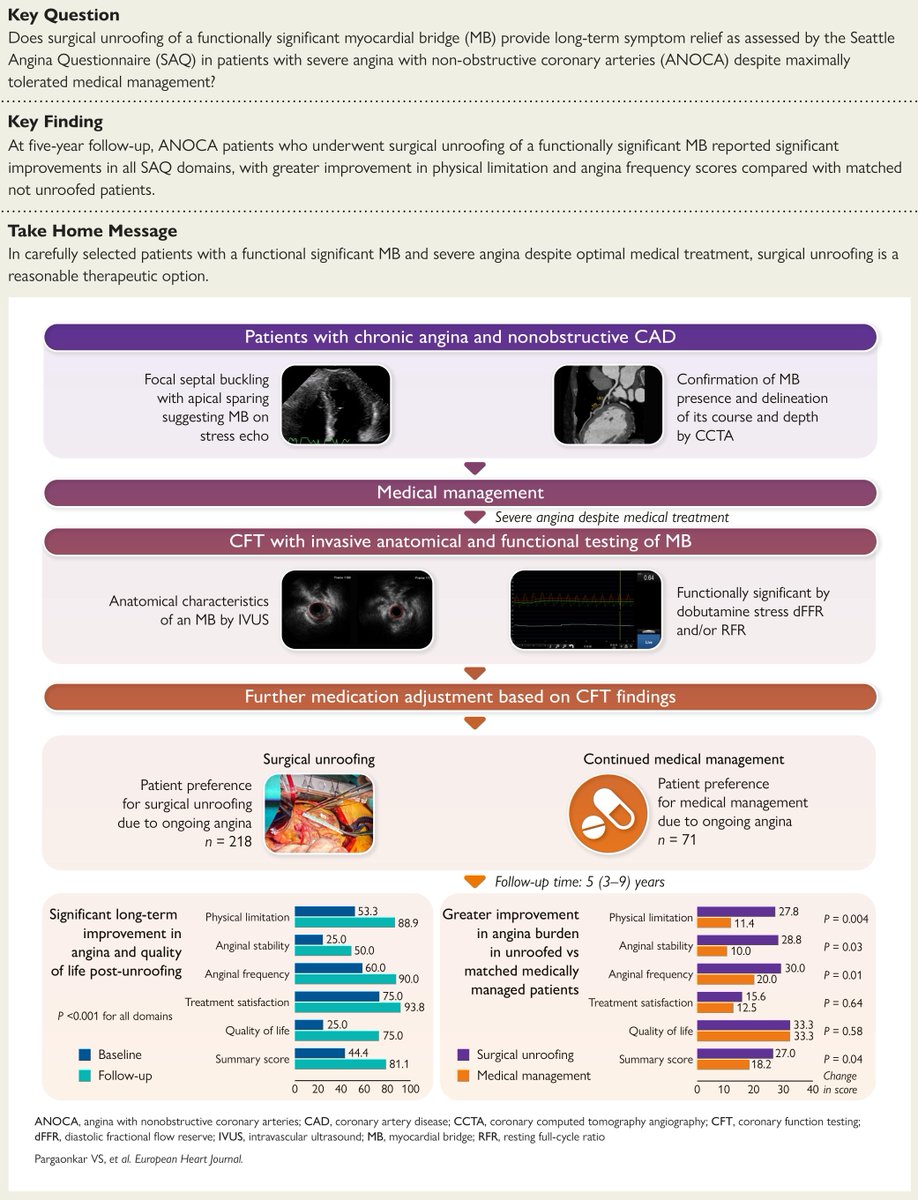
Myocardial bridge causing angina despite "clean" arteries? New long-term data on surgical unroofing shows promising outcomes for patients with ANOCA. A game-changer for an often-overlooked diagnosis. Read more in #EHJ
https://t.co/USUBDeLfi2
#bridge#ANOCA#cardiotwitter@ESC_Journals@escardio
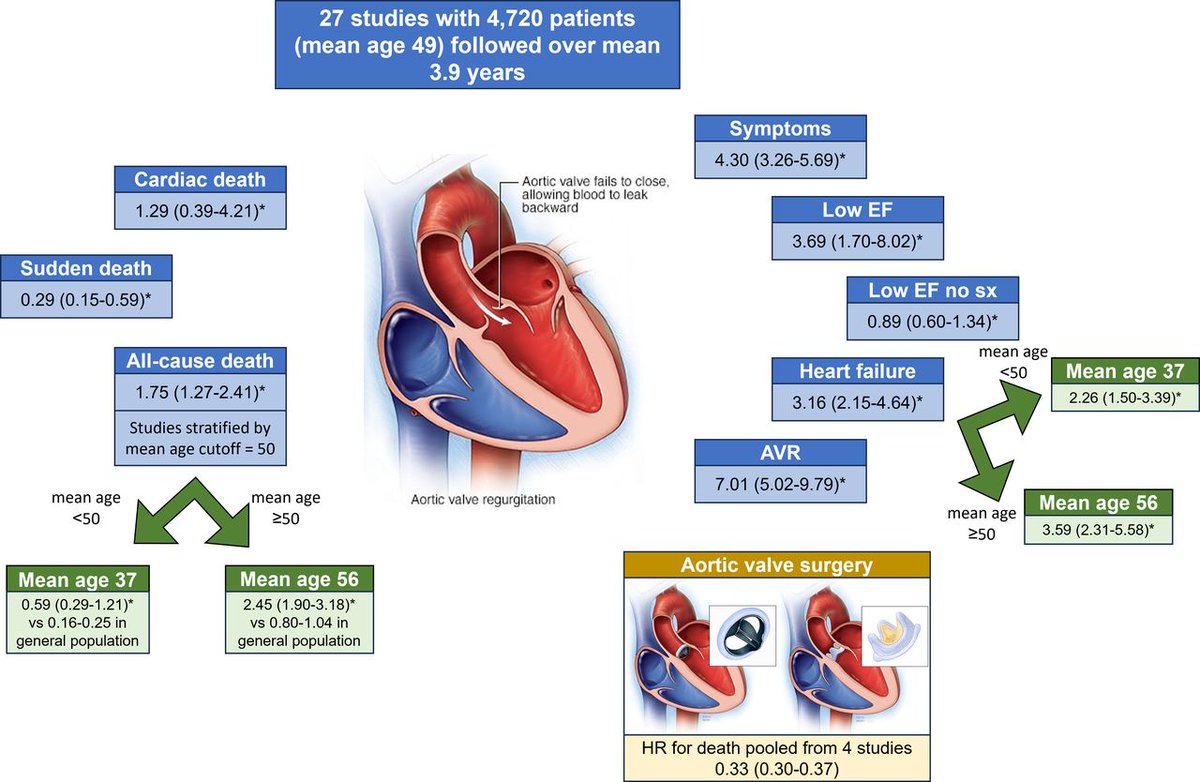
Natural history of asymptomatic moderate or severe aortic regurgitation: a systematic review and meta-analysis
Please read the article and enjoy an in-depth interview between @jhfrudd and the first author, Dr Jwan Naser from The Mayo Clinic in Rochester, Minnesota, USA
Paper: https://t.co/fxWs0bkEiv
Interview: https://t.co/ZGhyrExOAf
Optimizing Antithrombotic Strategies After Coronary Artery Bypass Grafting: a Clinical Consensus Statement of the ESC Working Group on Cardiovascular Surgery, the ESC Working Group on Cardiovascular Pharmacotherapy, and the European Association for Cardio-Thoracic Surgery!
#EHJ #Bypass #Aspirin #cardiotwitter #DAPT @ESC_journals@escardio
https://t.co/SOHCsT2Y77
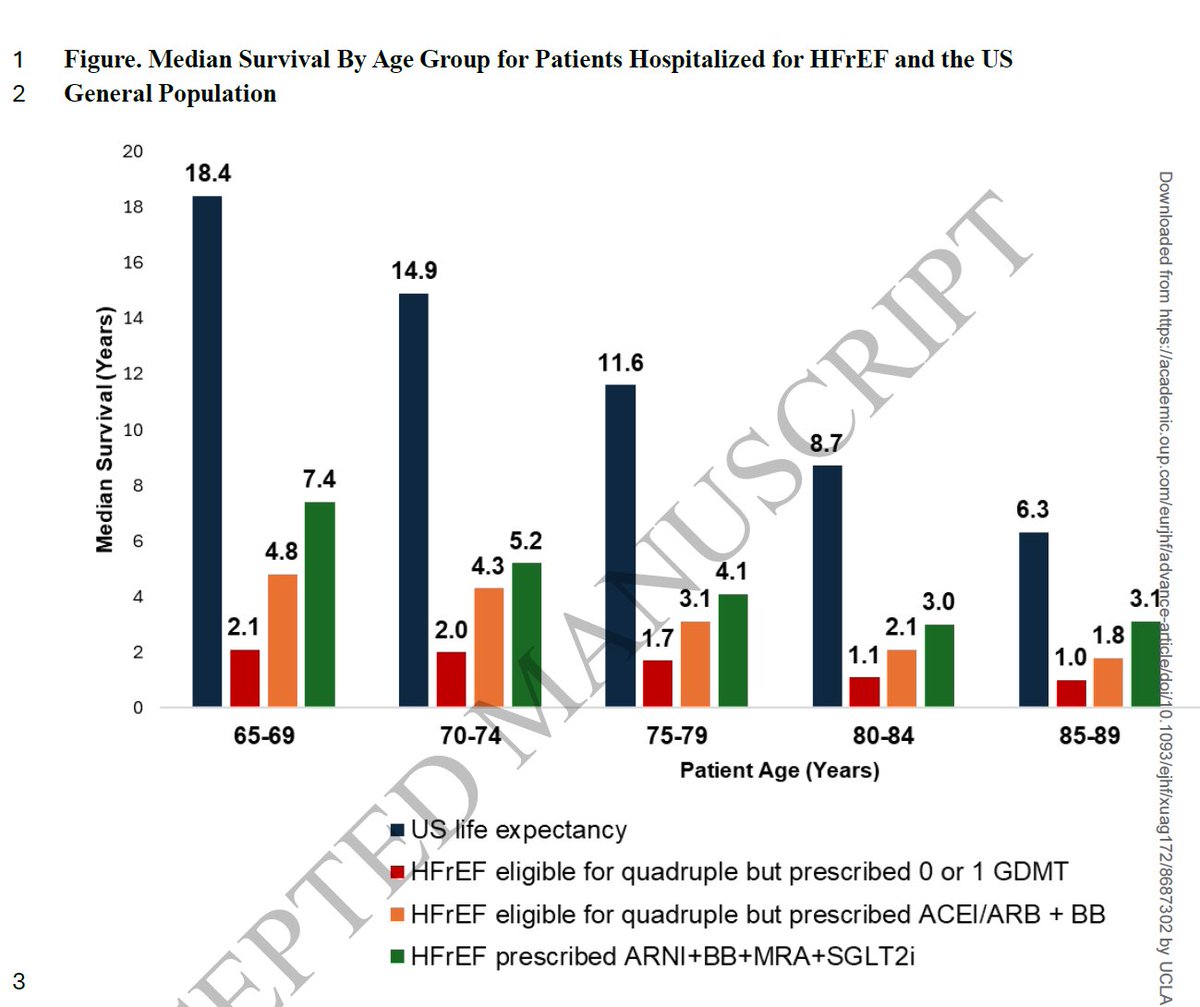
Among older patients 🏨 for HFrEF and eligible for quadruple therapy, those prescribed quadruple GDMT had a life expectancy up to 5.3 years ⤴️ than those prescribed 0/1
Median Survival Among Patients Hospitalized Prescribed Quadruple Medical Therapy https://t.co/OiF1V4I5QF
Ventricular free-wall rupture, ventricular pseudoaneurysm, and papillary muscle rupture complicating acute myocardial infarction: A clinical consensus statement just published in #EHJ
👉 https://t.co/twtZtfY1f9
@RoccoMontone@ehj_ed
📖 Presentaciones orales impactantes: las 7 lecciones del MIT para médicos
Todas las claves: https://t.co/wQjmEs2ev5
🧠 Tener buenas ideas no es suficiente: según Patrick Winston (MIT), el éxito profesional depende primero de la capacidad de hablar, luego de escribir, y solo en tercer lugar de la calidad de las ideas
🎯 La clave para abrir una presentación no es un chiste, sino una "Promesa de Empoderamiento": decirle a la audiencia desde el primer minuto qué sabrá al final que no sabía antes
📊 Una sola idea por diapositiva, fuente mínima de 24pt y nunca leer el texto en voz alta: los "crímenes de PowerPoint" más comunes destruyen el impacto de cualquier trabajo, por brillante que sea
🏆 El cierre debe mostrar contribuciones concretas, no un "Gracias": esa última diapositiva permanece proyectada durante las preguntas y es el mayor activo publicitario del ponente
"Current and emerging treatment options for transthyretin amyloid cardiomyopathy"
Enjoy the paper and listen to an in-depth discussion about what the future holds for amyloidosis therapies, between @jhfrudd and Senior author, Dr Marianna Fontana
Publication - https://t.co/ov9PFp1xSC
Podcast - https://t.co/1lfW0XeCiK (also available on all other major podcast platforms)