One of the Constitution’ most brilliant features is that govt can’t punish anyone without persuading 12 members of the community—unanimously—that the person not only violated the law but also *deserves* whatever punishment the govt proposes to inflict. And the judiciary burned that protection to the waterline. To our enormous cost.
Do try to remember: whether someone invoking their Fifth Amendment right not to answer questions represents a tacit admission of guilt or a bold stand against unprincipled persecutors depends *entirely* upon your feels about the person exercising that right.
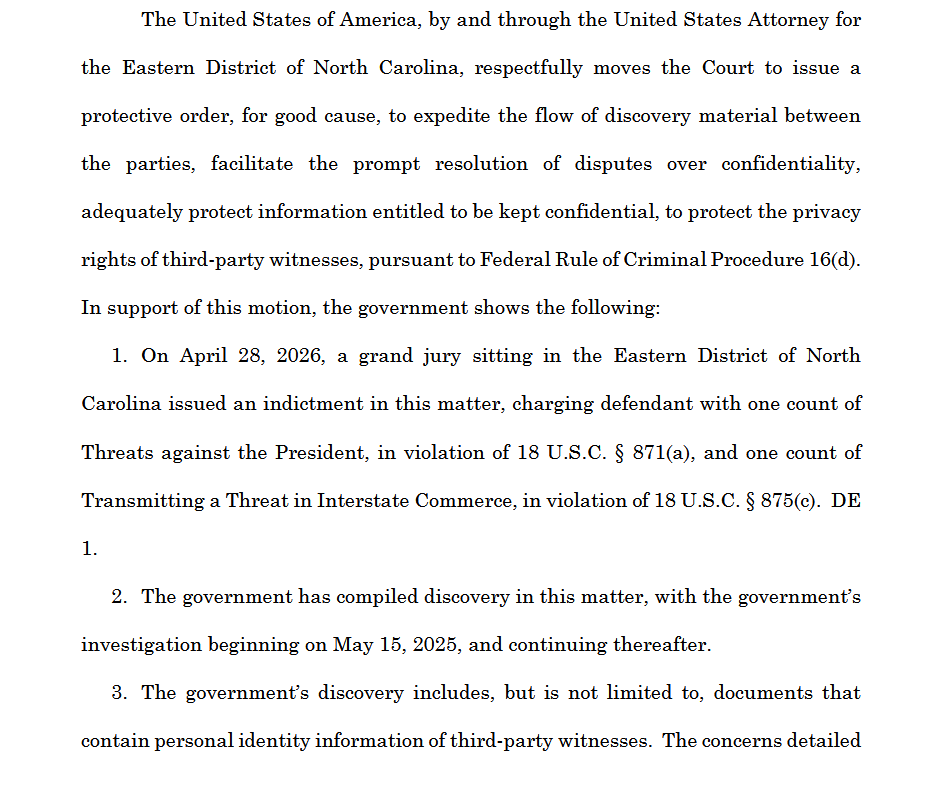
It's worth noting that Jim Comey was able to file a number of his motions to dismiss the seashell indictment only because DOJ agreed to turn over a bunch of materials to Comey's lawyers.
That's highly unusual.
The law doesn't require the government to do this in most cases.
Or a judge who’s quite smart and probably served as a prosecutor or other courtroom advocate for govt before becoming a judge and who already *knows* whether the govt should prevail in this case (spoiler: yes), and can find any number of unreversible ways to make that happen.
You would be surprised how overrated a super-intelligent lawyer is against a judge who's dumb as a bag of rocks, which is most of them. Give me the lawyer who knows the judge, every day of the week.
@ASFleischman We got a really cool mostly-for-kids-but-also-grown-ups illustrated version of the Odyssey during COVID that I read to my kids over and over again. And every time I came to these two scenes, that is *exactly* what I thought. Kudos.
Polyphemus: Help help no one is killing me!
Other Cyclops: what do you mean no one is killing you?
Polyphemus: this jackass told me his name was no one please help
Other Cyclops: oh that was an easily averted misunderstanding it's murdering time
@rlacombe The primary self-assigned role of judges in cases like this is to come up with reasons why they can’t do anything for this guy. However fanciful those “reasons” may be.
If your take is that any of this seems legally problematic or that this guy might have standing to complain about it in court, then you are *definitely* not cut out to be a judge.
— How did you become a libertarian?
— Watched the government in action.
After clerking for a federal judge and watching the government violate people's rights without taking responsibility, Cato’s @ConLawWarrior knew exactly where he stood. Whatever was the most opposite of what he saw, that's what he wanted to be. A libertarian.
Join us next Friday! Professors John Yoo, Matthew Waxman, and Alberto Coll will discuss national security and the Constitution, at the founding and today. Moderated by yours truly. Webinar registration link below.