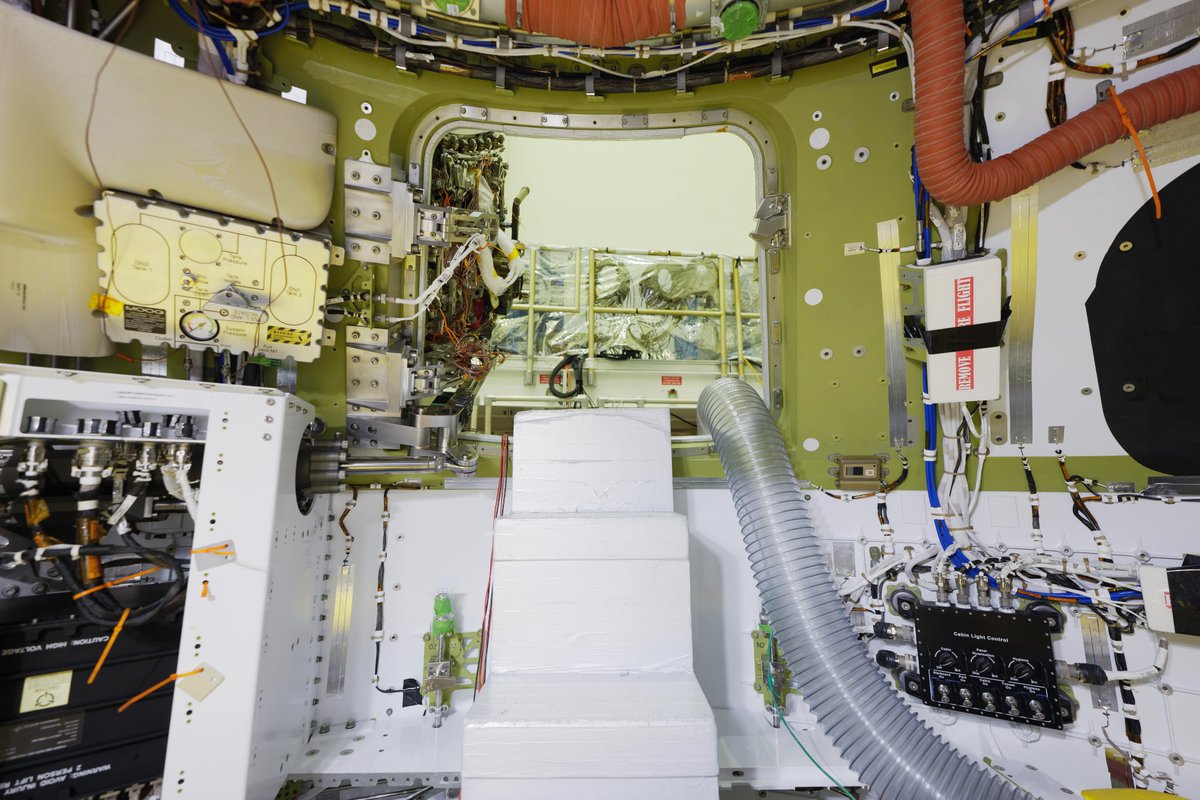
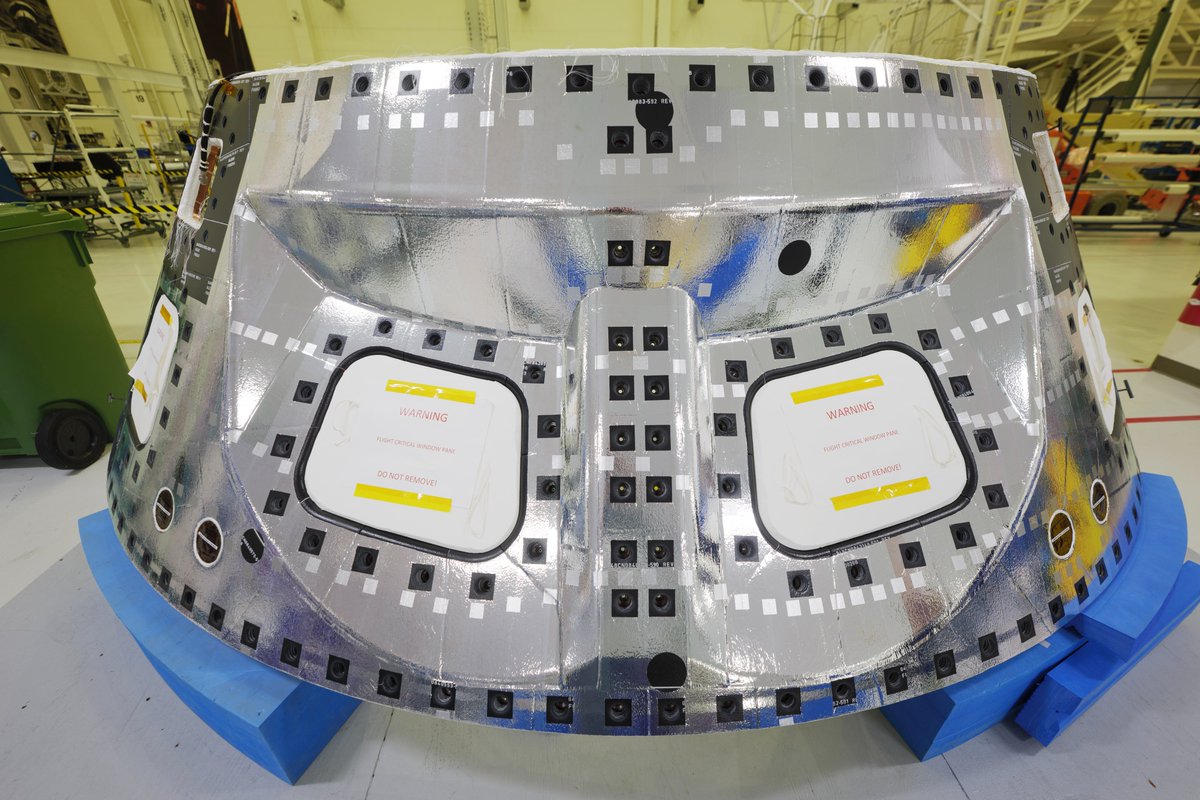
First look inside the spacecraft that will carry humans back to the Moon👀
Teams at @NASAKennedy are working on the crew cabin that will take #Artemis II astronauts around the Moon — finalizing the interior, installing protective backshell panels and insulation on the exterior, and preparing Orion for vacuum testing this spring.
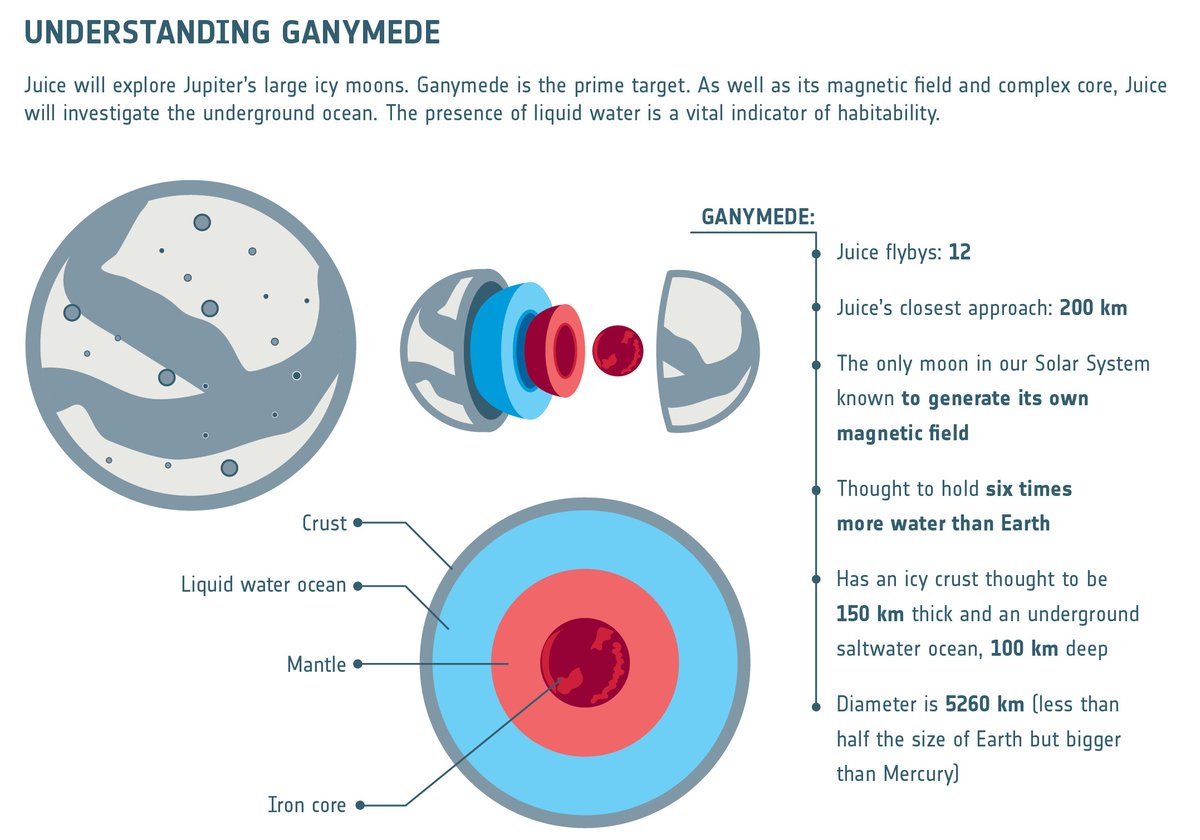
Jupiter’s largest moon, #Ganymede is the primary target of @ESA_JUICE.
The spacecraft will perform 12 flybys of the moon and come as close as 200 km from Ganymede.
How will #ESAJuice study Ganymede? And what do scientists hope to discover? Find out here 👉 https://t.co/CNfVbP3Saa
Download this infographic here 👉 https://t.co/WhVLGejiAO
The Arctic is experiencing higher temperature increases compared to the rest of the planet, triggering a series of cascading effects.
The @CopernicusEU Imaging Microwave Radiometer mission will measure change and impact in the polar regions.
🔗 https://t.co/LBq7TX38eZ
Mission managers continue targeting the departure of @Axiom_Space's #Ax3 mission for no earlier than 9:05am ET on Tuesday with @NASA TV coverage beginning at 7am. https://t.co/BaOUOUdIqn
When Guy Bluford launched on STS-8 in 1983, he became the first African American in space. He holds a doctorate in aerospace engineering and flew F-4C fighters for the Air Force in Vietnam. More on Bluford's career: https://t.co/7hMtywwNBR #BlackHistoryMonth
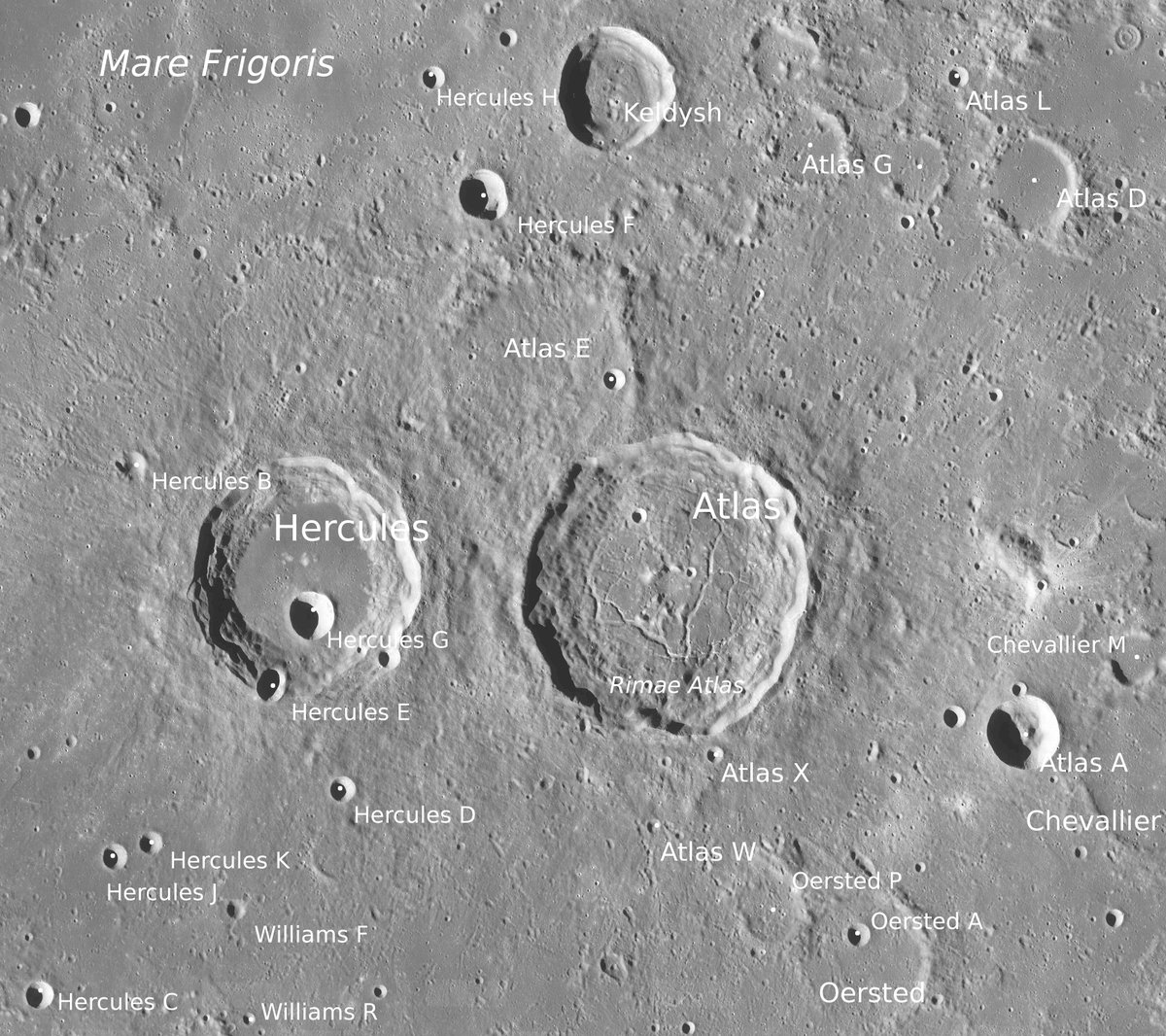
The primary landing site for our HAKUTO-R Mission 1 is Atlas Crater, located in the northeastern quadrant of the Moon. (1/3)
📸 @NASA#ispace#HAKUTO_R#lunarquest
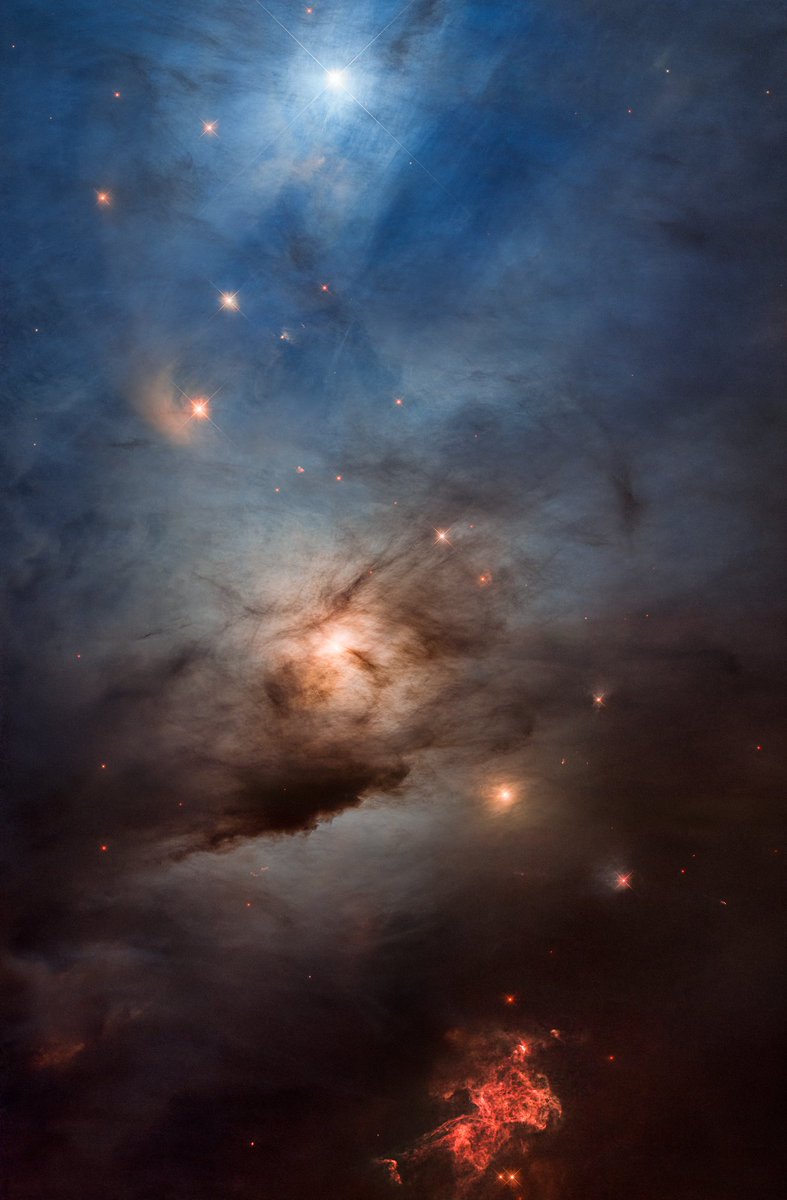
What's your favorite @NASAHubble image? https://t.co/8q2ah3teqv
Launched 33 years ago today, the orbiting telescope captured this image of a nebula where stars are born -- 960 light-years away. https://t.co/uWV3zgepfj
In about 2 hours, newly-discovered #asteroid Sar2667 will impact Earth between London and Paris. It is only about 1 meter, so it will cause no damage. This is @sarneczky's 2nd discovered impactor.