So excited to hear Dr. Huberman riff on longevity - both here on Earth and for our souls on a longer time horizon.
Join me on Thursday Nov 19th in SF!
https://t.co/COgAv0YnWP
Indonesia is world-class at scamming tech companies.
A friend of mine is CEO of an Indo stock trading app.
He once ran a campaign offering IDR 100k (~$6) in free stock to new users.
Within weeks, organized mafias were going to poor villages with an offer:
Sign up, sell the free stock, and give us the cash.
In exchange, villagers got free rice.
They got scammed for hundreds of thousands of dollars, and made $0 back.
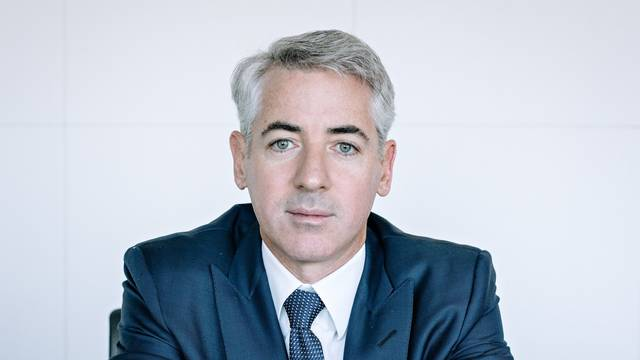
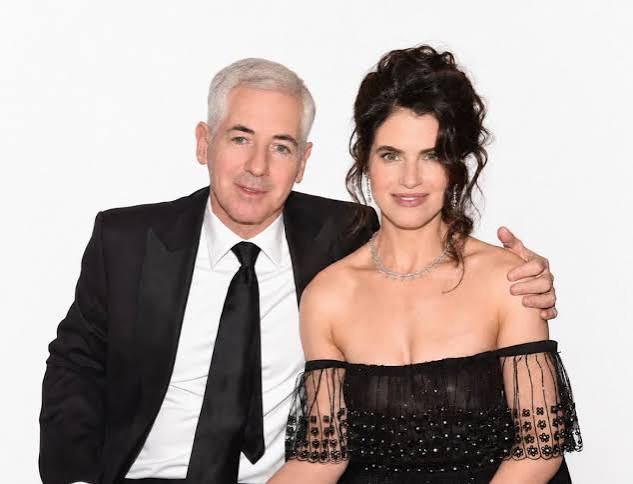
Be Bill Ackman.
> Grow up in Chappaqua, New York.
Your dad is in real estate. Your mom is organizing commuters to fight the railroad over lousy service.
> Go gray at nine years old. Apparently, you've been stressed about the markets since elementary school.
> Dad doesn't believe in allowances, so he pays you by the hour to dig a 50-foot ditch.
> Realize pretty quickly that hourly work is for suckers. Negotiate a flat fee on the next job.
> Tell your dad as a teenager that you're going to be a millionaire by 30, worth $100 million by 40, and a billionaire by 50.
> Normal teenage stuff.
> Go to Harvard. Sell advertising for travel guides. Make $14,000 in one summer.
> Immediately blow a bunch of it on a ridiculous stereo system and learn about income taxes the hard way.
> Graduate. Work for your dad. Go back to Harvard for your MBA.
> Co-captain a rowing team that puts dollar signs on its oars.
> Get booed for it.
> Defend the dollar signs in the school newspaper.
> This guy was absolutely born for Twitter.
> Graduate in 1992. Start a hedge fund called Gotham Partners.
> Cold-call people on the Forbes 400 to raise money.
> Get married in 1994 to a woman your dad helped introduce you to by fax.
> Yes, fax.
> By 2002, your fund is winding down. Not exactly how you drew it up.
> Get into a dispute with Carl Icahn over a $4.5 million earnout from a business deal.
> Sue him. Eventually win.
> In 2004, start another fund called Pershing Square with about $54 million.
> Bet against bond insurers before the financial crisis. Make roughly $1.1 billion on the hedges.
> Buy into a bankrupt shopping mall company called General Growth Properties. By 2011, an investment that started at $60 million is worth roughly $1.6 billion.
> Not bad.
> In 2012, publicly commit to giving away most of your wealth.
> Also put on a $1 billion bet against Herbalife because you believe it's a pyramid scheme.
> Carl Icahn takes the other side.
> Naturally.
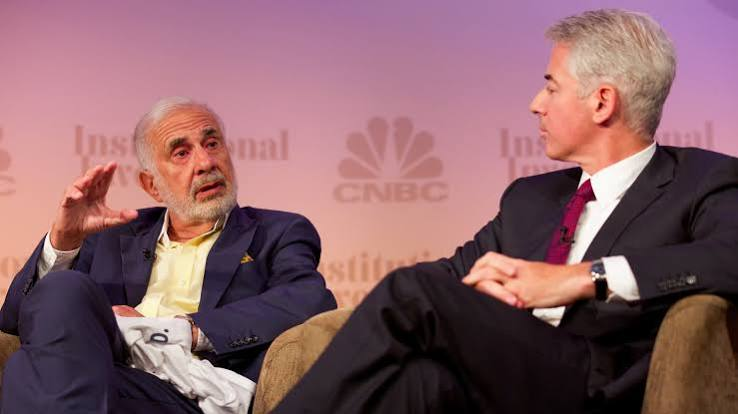
> In 2013, the two of you get into an absolutely legendary argument on live CNBC.
> Icahn calls you a "crybaby in the schoolyard."
> You're two billionaires in your 40s and 70s arguing on national television like somebody stole somebody else's lunch money.
> It's incredible television.
> Meanwhile, get involved in Canadian Pacific Railway. Push for a management overhaul. Help turn the company around.
> Exit in 2016 with roughly $2.6 billion in gains for Pershing.
> Unfortunately, also get involved in Valeant Pharmaceuticals.
> Lose about $4 billion.
> Call it a "huge mistake."
> Fair assessment.
> Your marriage breaks down. Things get rough personally. You miss your kids.
> Buy an apartment in the same building as them just to be close.
> Then start dating Neri Oxman, a brilliant MIT professor.
> She mentions that Brad Pitt is visiting her lab.
> One day she goes quiet for hours while he's there.
> You start freaking out that Brad Pitt is going to steal your girlfriend.
> Later tell Lex Fridman this was one of the scariest moments of your life.
> You've personally lost billions of dollars in the stock market, but Brad Pitt showing up at MIT is what really sends you over the edge.
> I love this story so much.
> Eventually marry her in 2019.
> Oh, and that Herbalife bet?
> Close it in 2018. Lose about a billion dollars, by your own account.
> Can't win them all.
> Then 2020 rolls around.
> COVID hits.
> Go on CNBC and tell everyone "hell is coming."
> Also tell viewers you're buying stocks.
> Your funds have put on pandemic hedges that ultimately generate $2.6 billion in proceeds against $27 million in premiums and commissions.
> One of the great trades of the financial crisis.
> Spend the pandemic buying stocks while everyone else is losing their minds.
> In 2021, donate Coupang shares then worth roughly $1.36 billion to charitable causes.
> In 2022, buy more than a billion dollars of Netflix.
> Three months later, sell it at a reported loss of over $400 million.
> Probably the most expensive Netflix subscription in human history.
> Then get into a massive public fight with Harvard over its leadership.
> After the university president resigns, write a roughly 4,000-word reaction.
> Remember that your high school yearbook voted you "most verbose."
> Absolutely nailed that one.
> In 2025, at 59 years old, decide you want to play professional tennis.
> Enter an ATP Challenger doubles tournament with Jack Sock.
> Lose 6-1, 7-5.
> Who cares. You played professional tennis at 59.
> Then decide the young men of America need dating advice.
> Go on X and recommend walking up to women and politely asking, "May I meet you?"
> The internet loses its mind.
> Double down.
> This is a man who has fought Carl Icahn, survived a multi-billion-dollar loss, stared down Brad Pitt as a romantic threat, and played professional tennis.
> You think he's worried about getting rejected on an elevator?
> In 2026, bring Pershing Square Inc. and Pershing Square USA to the New York Stock Exchange.
> And now, at 60 years old, go on CNBC and warn that the stock market has become a casino.
> Bill, my brother.
You've been digging ditches, fighting billionaires, making and losing fortunes, buying bankrupt malls, arguing with Harvard, giving away billions, worrying about Brad Pitt, and dispensing dating advice to strangers.
You've lived about seven different lives.
What an absolutely living legend! 🫡
AI matchmaking is gonna hit SF like a nuclear bomb. Every girl is gonna be looking for a post-Series B AI founder who has sold secondaries and every tech bro is gonna look for a Corgi marketing girl or wasian
Poppi's founders just learned the most expensive lesson in M&A!
When they sold to PepsiCo, the deal was for $1.9B plus a $300M earnout (a future contingent payment based on the performance of the brand for some period after closing).
And PepsiCo just announced that it is valuing that $300M at a “paltry” $12M.
That stings!
I've negotiated a lot of earnouts in my career. Here's what most sellers don't understand until it's too late:
1. An earnout is a future bet on a business you no longer control.
After closing, the buyer sets budget, pricing, hiring, marketing, etc. Every lever behind whether or not you get your earnout belongs to someone else.
2. The incentives can flip the day you close if you’re not careful.
As a seller, you want to do everything to hit the targets. But as the buyer, you pay less if they're missed.
Ideally, the earnout is structured so that both parties win or lose together.
If performance tanks, the buyer earns less overall so it pays less to the seller.
If performance improves, the buyer earns more so it pays more to the seller.
Incentives are aligned.
What you absolutely cannot allow to happen is an earnout structured so that performance can improve allowing the buyer to earn more, but still pay less to the seller.
How on earth could that happen?
I'm so glad you asked...
3. The accounting decides the outcome.
How you define "revenue", "EBITDA" or any other measurement metric used to determine the earnout is what ultimately drives the payout.
So things like how corporate overhead gets allocated or what happens when the Seller’s product is folded into a larger brand with competing products becomes unbelievably important.
Again, remember the incentives.
With a poorly structured earnout, a company like PepsiCo could be incentivized to buy a brand like Poppi and purposely underinvest in the brand in order to eliminate a key competitor to its other products.
So PepsiCo could earn more by driving more revenue to products other than Poppi, while simultaneously reducing the earnout payable to Poppi because Poppi's direct performance declines.
PepsiCo wins -> Poppi loses.
Sellers have to be very careful about how the accounting for the earnout is defined and whether it causes misaligned incentives.
4. The reasons above are why earnouts are among the most litigated terms in M&A.
Sellers often sue buyers claiming the buyer sandbagged performance. And Buyers defend by saying “The contract gave us full discretion."
Courts will generally enforce whatever terms the parties agreed to in writing, so an argument that Buyer acted in “bad faith" rarely saves a seller who didn't negotiate adequate protections.
5. If you agree to an earnout, protect it at all costs!
> Tie it to metrics like revenue, which are subject to less manipulation than metrics like Adjusted EBITDA.
> Include strict operating covenants around things like required budget, sales support, and no diverting customers to other products or business lines.
> Push for audit rights and a dispute mechanism.
> Demand acceleration of the earnout if the buyer or product line is sold, merged, shut down, or deprioritized.
> Keep the measurement period short! The longer the period, the more opportunity it gives a Buyer to game the system.
To be transparent, I don’t have any background into what happened here. I have no idea if the earnout was poorly structured or if PepsiCo acted in a way to purposely reduce the earnout.
That's not the point of this post.
What I do know is that a $300M earnout that is written down to $12M is a tale as old as time and almost certainly to end up in litigation.
And even if not the case in this particular instance, in most cases where this happens, there's often things that could have been done in the transaction documents to avoid it.
My advice to every seller I represent who is considering agreeing to an earnout is simple:
Value the deal based on cash at close and treat the earnout as a bonus. If you get it, great. But don’t count on it!
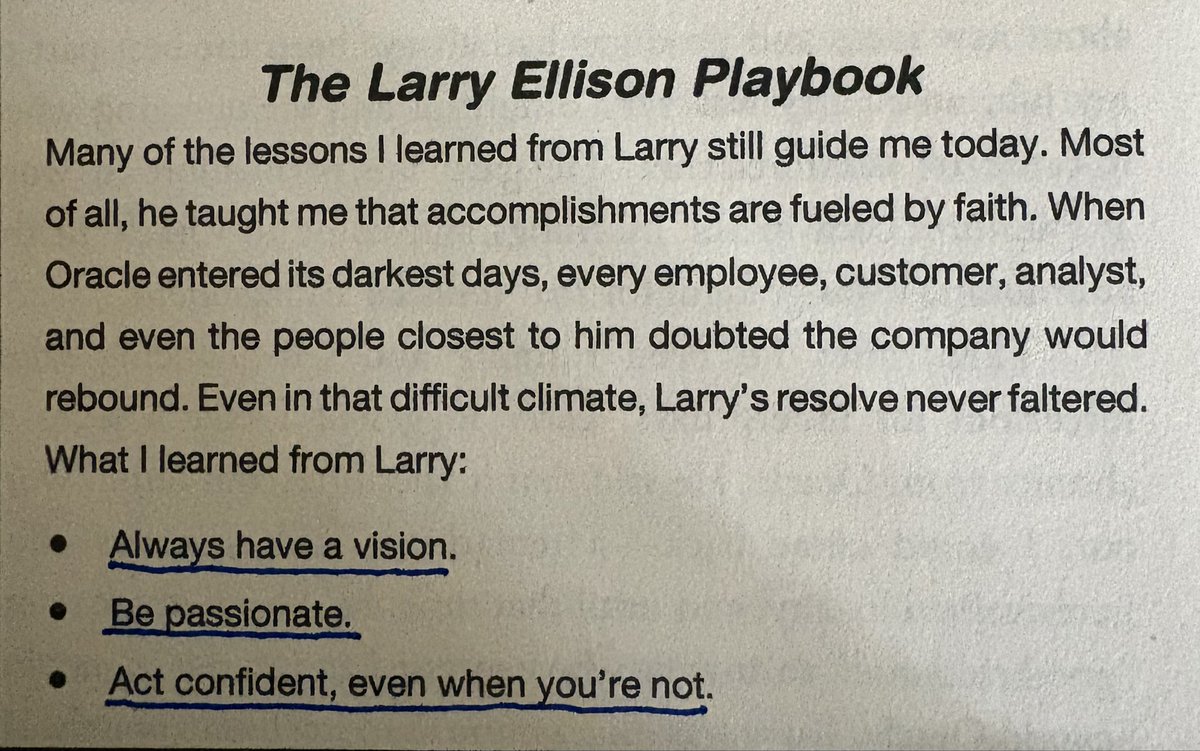
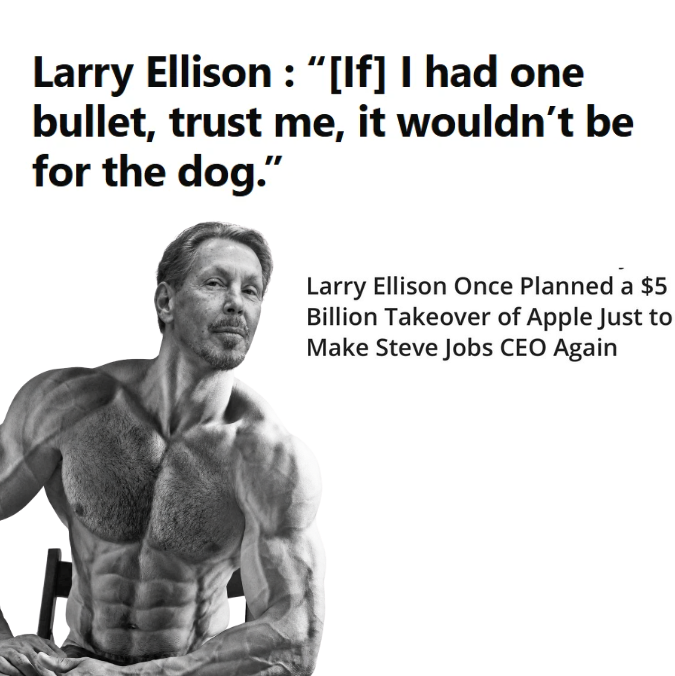
If your friends wouldn’t attempt a $5B hostile takeover for you, upgrade your circle.
The masculine urge to build a friendship strong enough to trigger antitrust concerns.
Neck will straighten.
Extra fat will go.
Pain will drop to minimum.
This 20×5 move in 16 seconds is claiming all of that.
Have you tried it?
Drop your results below.
Save this.