Gulf of Maine Archaic Tradition (ca. 8000-4000 B.C.E.)
An early series of hunting-gathering-fishing groups participating in a shared marine hunting tradition. One of North America's lesser known cultures.
I'm likely going to remake this one with new icons. Need to design those first, though.
Glad I'm not the only one who noticed an issue with this study. There are lots of studies showing differences between C-T houses, settlements, materials and exotic items, etc.
Very strange 2024 paper asserting equal size houses in the headline while showing unequal house sizes in the data, and mention larger houses having nicer stuff.
Other studies show a huge range in house sizes and house positions in settlements throughout the life of the culture.
Steppe herders (such as Yamnaya) really change SE Europe; I agree. But social inequality in the region goes way back to the Early-Middle Chalcolithic with Varna (at least). More than anything, I'm not a fan of papers taking one culture's feature (such as houses or tools) and claiming the entire society was egalitarian, stratified, etc., just from that. You can have standardized house sizes and tools but different social access (lineage, birth region, role, accomplishments, etc.).
Having evenly sized houses doesn't mean a society's "relatively egalitarian." A quick look at faunal remains and exotic items at their settlements suggests otherwise.
The c. 4200-3600 BC Trypillia settlements of Europe were so-called 'mega-sites', with populations of up to 10,000 people!
Examination of c. 7000 Trypillia houses found they were surprisingly evenly sized, suggesting they were relatively egalitarian.
🆓 https://t.co/lGI7qs8tAp
Sweden has over 260,000 islands, the most of any nation on Earth. It sounds implausible until you realise that the Stockholm archipelago alone has over 30,000.
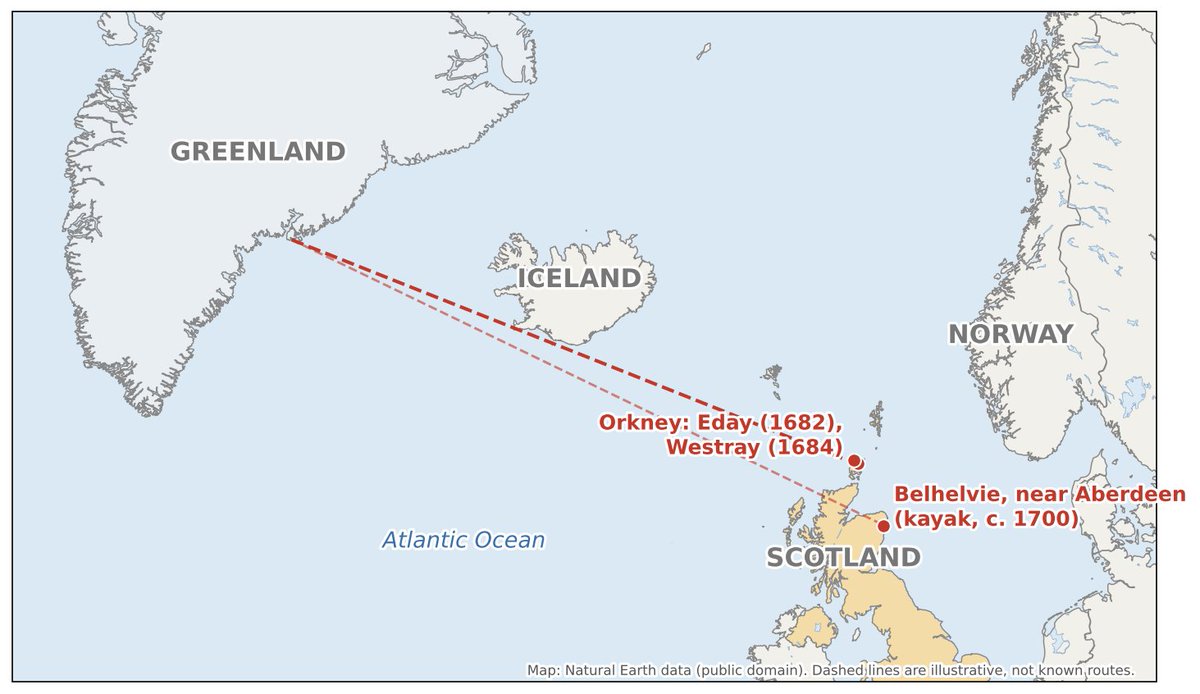
In a museum collection in Aberdeen there's an Inuit kayak.
An 1824 catalogue says its owner was 'driven ashore near Belhelvie, about the beginning of the eighteenth century, and died soon after landing'.
That's at least 1,900 km (1,200 miles) of open sea from Greenland.
1/3
"Claim"? Sigh. As I discussed in my book "The Mound Builder Myth," the well-established fact that North America once had complex, thriving civilizations has been shocking Americans regularly for more than 200 years due to a combination of racism and government-induced ignorance.
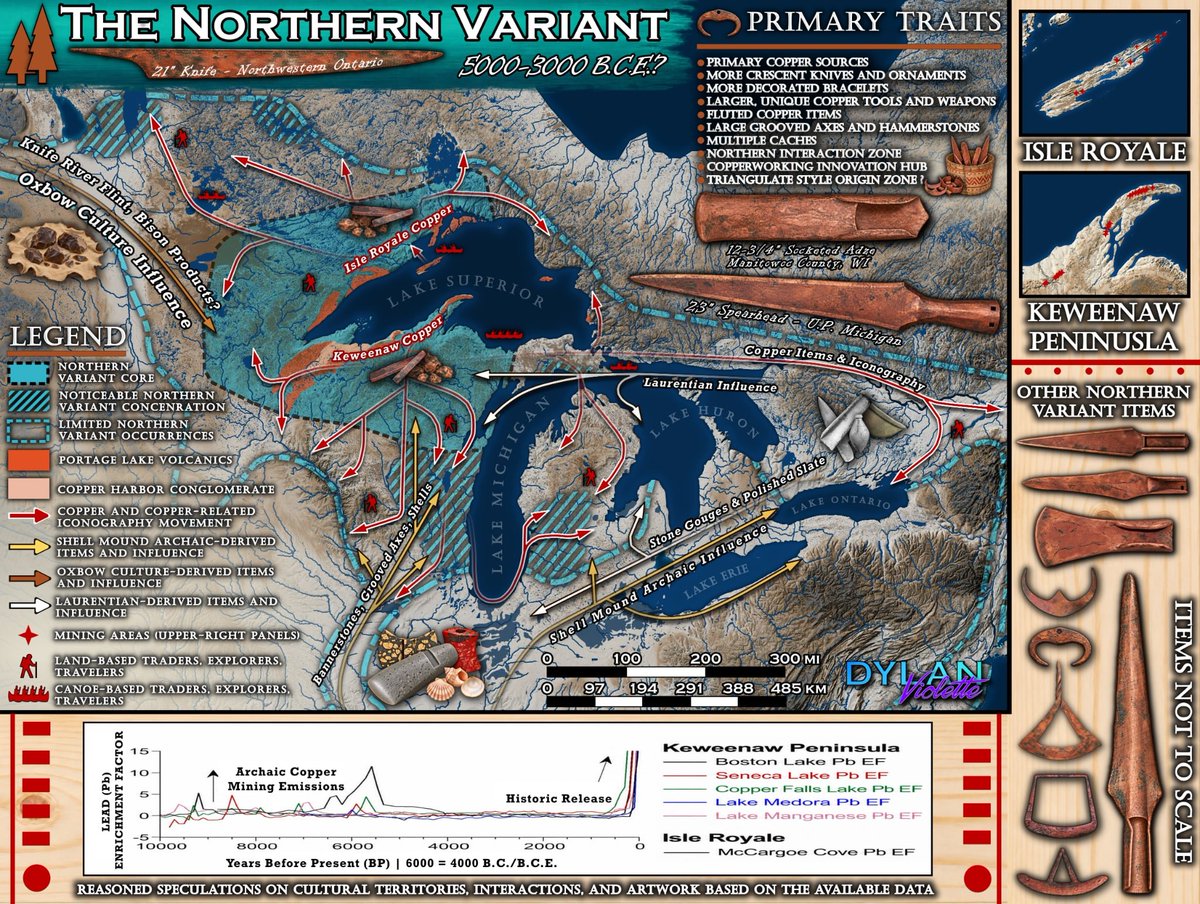
@MoundLore And more of their items are found every year. Lots of wetlands and forests still haven't been properly searched. Copper's all over the place.
My art
(LEFT SIDE): Matrilineal and patrilineal societies worldwide, Ethnographic Atlas sample. Source: EA, Murdock (1967).
https://t.co/3w9DB9ba8r
And matrilineal affinities at Neolithic Lake Baikal
https://t.co/Pudq2i6Rik
1/
On the Origin of the Germanic Language, and why its not from Sweden, Finland or the Baltics.
A Thorough examination of McColl et al. 2026 and the Archaeogenetic record regarding haplogroup I1: https://t.co/mHHzcDJd3Z
"Ancient social networks may have been key to the resilience of prehistoric hunter-gatherer communities in the Southern Caucasus, Armenia, and Georgia. Similar traditions found across the Southern Caucasus and the Armenian Highlands
1/
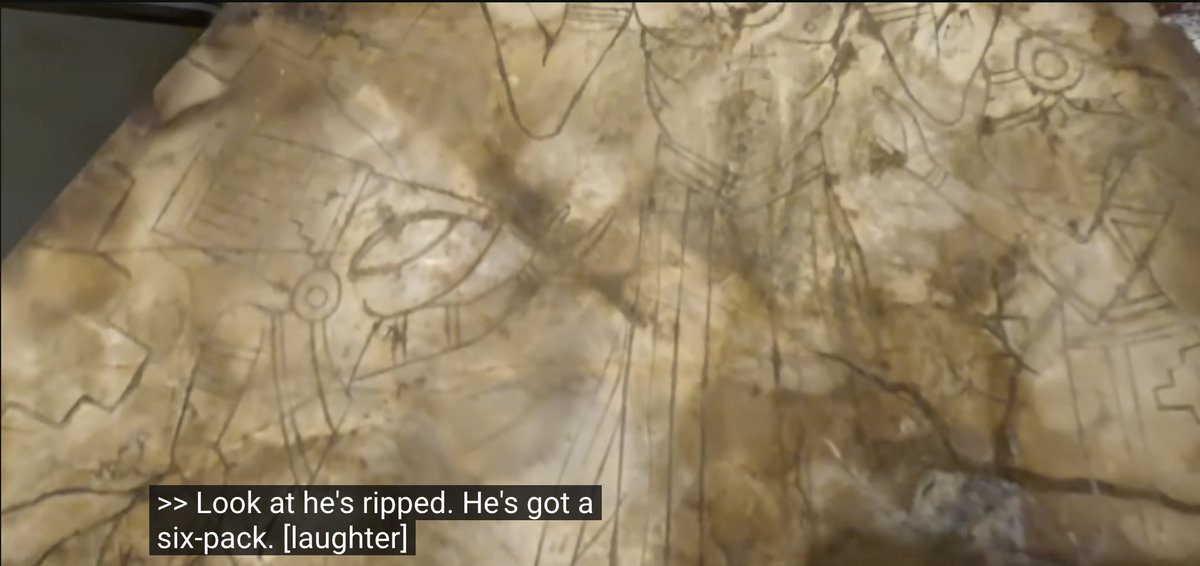
Here's your periodic reminder of the dangers and absurdity of pseudoarchaeology and pseudohistory
Where to start? The title!
And then, we're off!
"a pyramid in front of him & a spaceship"
"his third eye"
"Look at the ankh. It's got the flared ends kind of like a Templar cross"