🌋Kīlauea eruption episode 48 summary - a historic new record for Kīlauea!
Episode 48 of the Kīlauea summit eruption in Hawai‘i Volcanoes National Park stopped at 1:37 pm HST June 1 after 9 hours of lava fountaining. This eruption has now surpassed the number of fountaining episodes in the opening years of the Puʻuʻōʻō eruption from 1983-1986 (47), setting a new record number of fountaining episodes in any one Kīlauea eruption.
🌋 Lava flowed from the south vent about 95 times in the days before episode 48, but only the north vent produced a lava fountain (up to 650 ft/200 m) during the episode. This pattern has been followed during the past several episodes. An estimated 7.3 million cubic yards (5.6 million cubic meters) of lava spilled across Halemaʻumaʻu.
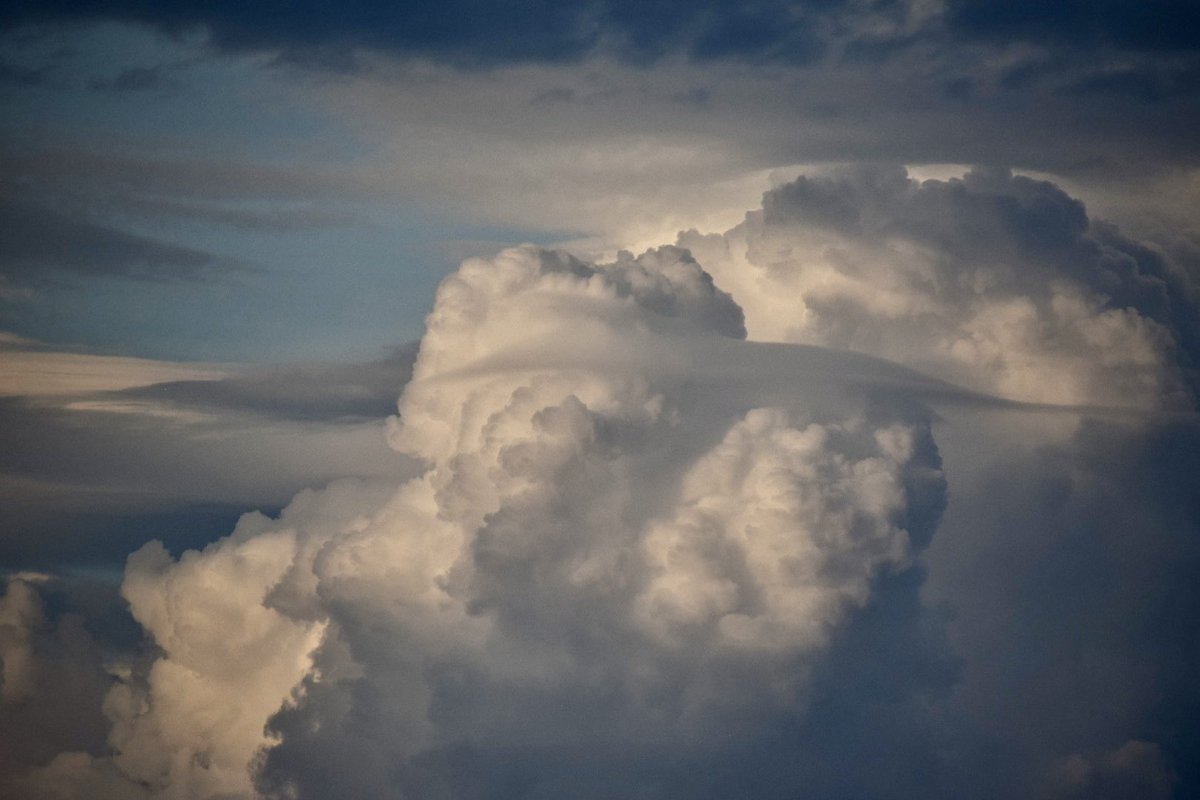
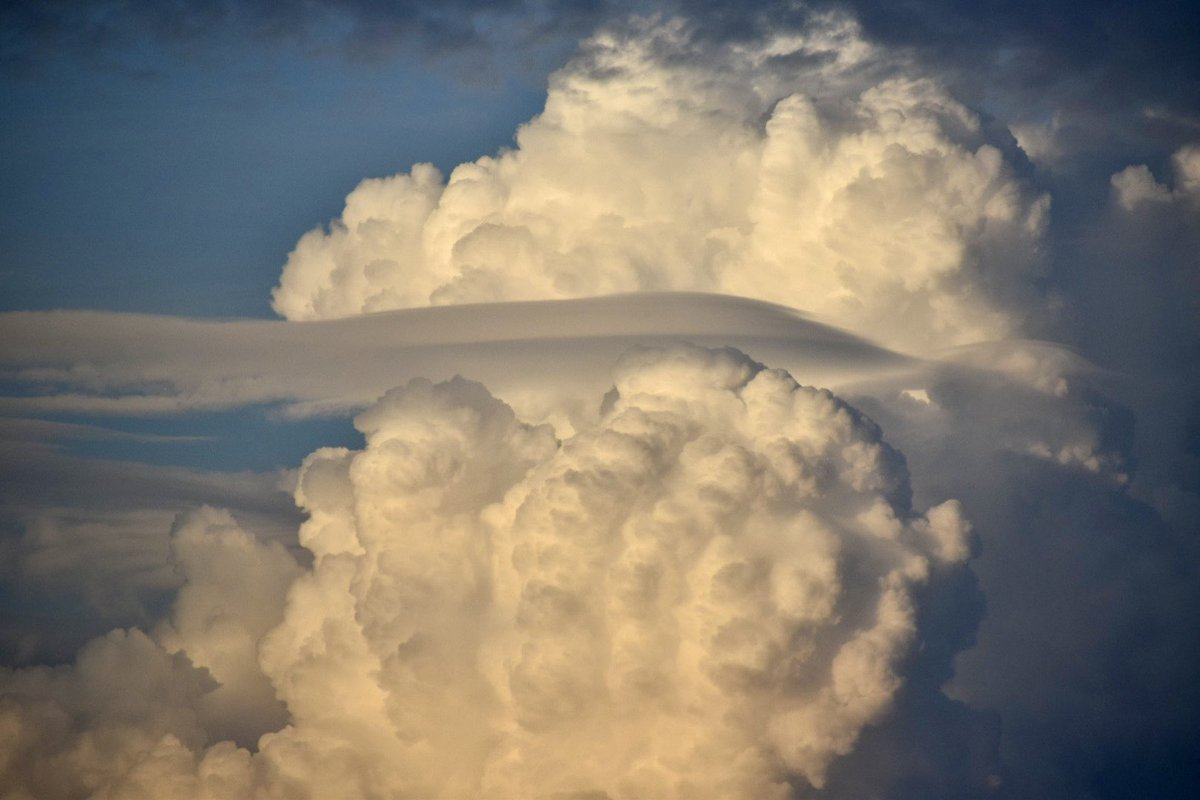
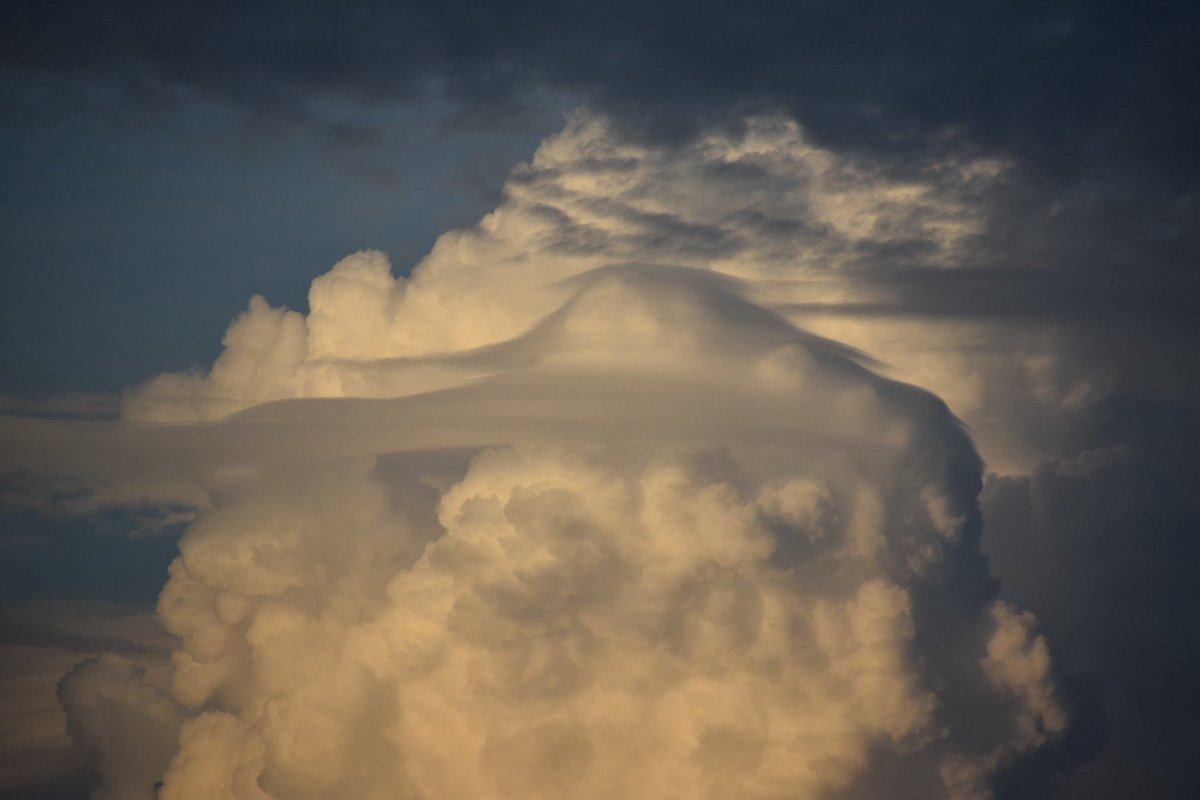
💨 The eruptive plume rose to about 24,000 ft (7,300 m) above sea level; higher level winds from the south caused tephra to fall north and east of Kaluapele (Kīlauea caldera) at overlooks within Hawaiʻi Volcanoes National Park, as well as on Highway 11 near Nāmakanipaio Campground, Volcano village, Mauna Loa Estates, and Ohia Estates. The National Weather Service issued an ashfall advisory for these areas downwind.
⛔️ The USGS kept the Kīlauea alert level/aviation color code at WATCH/ORANGE throughout the episode because fallout was not extensive and did not last very long. After the episode ended, USGS lowered Kīlauea to ADVISORY/YELLOW reflecting that volcanic activity had decreased significantly but continues to be closely monitored for possible renewed increase.
Kīlauea summit region inflation since the end of episode 48 indicates that another fountaining episode is possible; however, more time is needed to collect data to generate the model to forecast episode 49, which will set a another new record for Kīlauea.
📹 Video clips show Kīlauea episode 48 lava fountaining on June 1, 2026.
#Kilauea #Lava #Eruption
🚀 Our Biggest Satellite Update Yet
Atlantic hurricane season starts today, and there's no better way to watch the tropics than from orbit. Today we're adding more imagery, more data, more of the planet, faster and at higher resolution.
✅ And it's all completely FREE - every product below, no subscription required.
What's new:
GOES (East & West)
- New RGB composite products - multi-band views that reveal what single channels can't, from dry-air intrusion to Saharan dust
- New Level 2 (L2) products - quantitative, derived layers built on the raw imagery
- Improved Full Disk - faster and at higher resolution
JPSS - NEW (Joint Polar Satellite System)
- VIIRS imagery at 375 m native resolution - exceptional fine-scale detail, sharper than any geostationary view
- Worldwide reach - VIIRS images the entire planet, bringing high-res views to anywhere on Earth
Himawari - NEW
- Full coverage of the Western Pacific and East Asia - track typhoons across the Asia-Pacific
- L1 bands, RGB composites, sub-sectors & Full Disk
Available now on:
iOS: https://t.co/rrH1bIiWUP
Android: https://t.co/lb3PumjYYE
Browser: https://t.co/16ZMjL3x1l
And to Plus/Pro subscribers using our Windows/Mac/Linux App
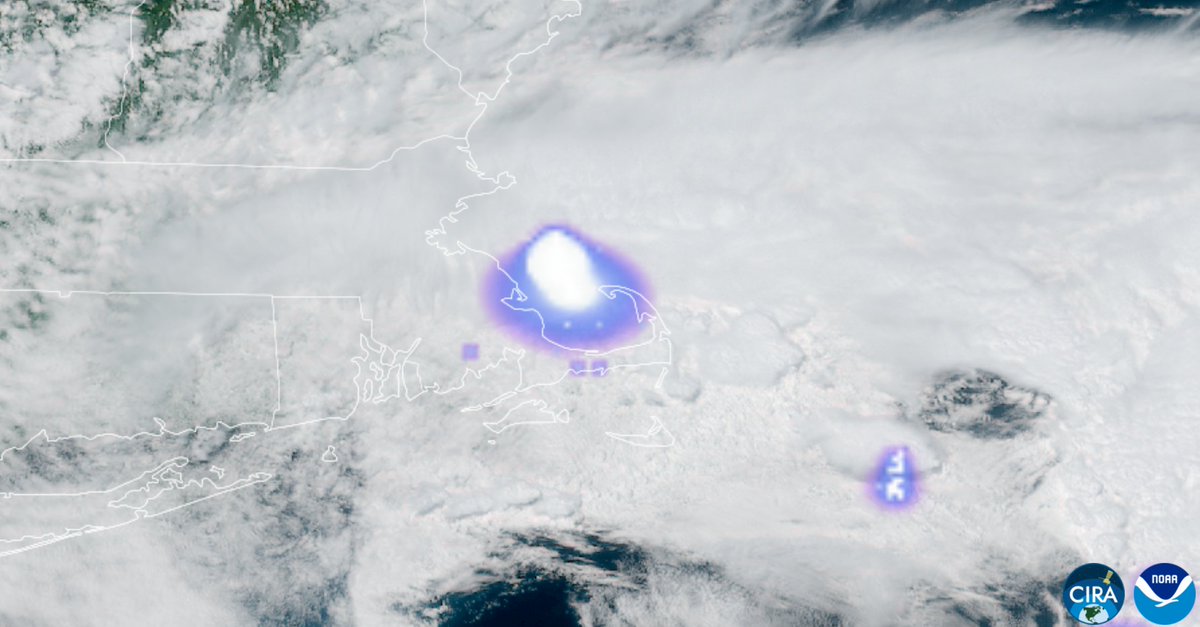
Reports of an explosion hears around Boston I believe are going to be a rather significant bolide/meteor entering the atmosphere. Very large "flash" detected by GOES-19 GLM that does not correlate with active thunderstorms. #MAwx
Another video of the explosion, possibly from a meteor entering and burning up in atmosphere, heard earlier throughout Boston and other areas of Eastern Massachusetts.
Reports of an explosion heard around Boston are believed to be a significant bolide/meteor entering the atmosphere, a very large flash was detected by GOES-19 satellite that does not correlate with active thunderstorms.
This is my video of the explosion of the Blue Origin New Glenn rocket at Cape Canaveral’s pad LC-36 a short time ago. Includes video & audio from roughly 5 miles away near Jetty Park. That was an absolutely enormous explosion! 🤯
Note: Thankfully, Blue says all staff are OK.
Based on a handful of sources, this is what I've been able to glean about the New Glenn failure this evening in Florida. TL;DR, it's freaking bad.
https://t.co/df6BcfpyF4
@Amazonleo From @SpaceflightNow’s stream: Looks like something blew at the aft end at ignition and the whole stack just collapsed? Right side lightning tower and TE is completely gone, the left tower took a huge beating too.