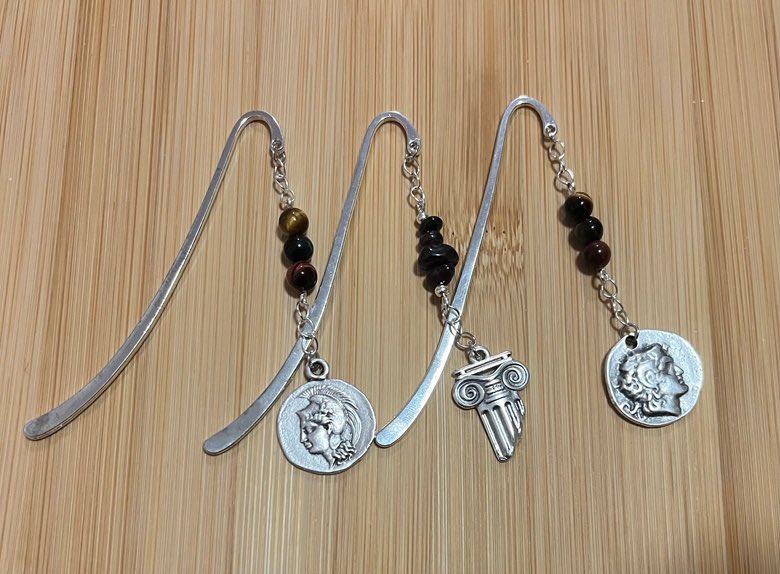
I’m Meg, a PhD researcher in Classics. I sell handmade jewellery inspired by my love of the ancient world using replicas of genuine Greek and Roman coins. All sales help support an early career scholar AND you get to own a beautiful thing! #ClassicsTwitter https://t.co/2tVEdIHIJP
What the Byzantines thought of Britain, according to Macaulay: a horrifying serpent-filled otherworld, where the souls of the Franks were ferried after death
Blimey, it’s me! Participating in the Stair Society Moot was an excellent experience and filled me with a greater sense of admiration for 1850s Scots Law
The Stair Society Legal History Moot was a success! Highly skilled teams from the University of Aberdeen and the University of Edinburgh competed in the event, with the Edinburgh team being the ultimate winner.
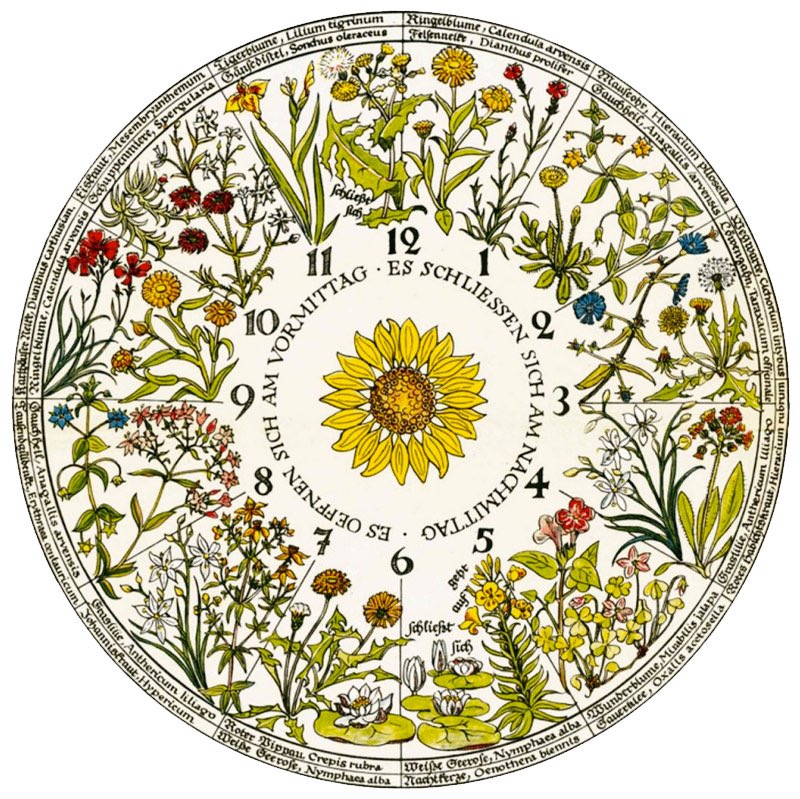
Linnaeus's flower clock is a fascinating and historical concept created by the Swedish botanist Carl Linnaeus in the 18th century.
In 1751, Linnaeus designed a flower clock as a way to show how different flowers bloom at specific times of the day, thus creating a living "clock" that could be used to tell time based on the opening and closing patterns of flowers.
For example:
•5:00 AM (early morning) – Crocus (known for opening at dawn)
•9:00 AM – Poppy (which opens late morning)
•12:00 PM (noon) – Lily (which blooms around noon)
•3:00 PM – Rose (usually opens fully in the afternoon)
•6:00 PM (evening) – Evening primrose (blooms in the evening)
•9:00 PM (night) – Night-blooming cereus (which opens at night)
See my forthcoming book ‘Silence of the Gods’ on werewolves in the Baltic. Our dominant cultural conception of the werewolf is formed by Balkan belief, where the werewolf is an object of fear, but in the Baltic werewolves were positive rather than negative figures 🐺🌕
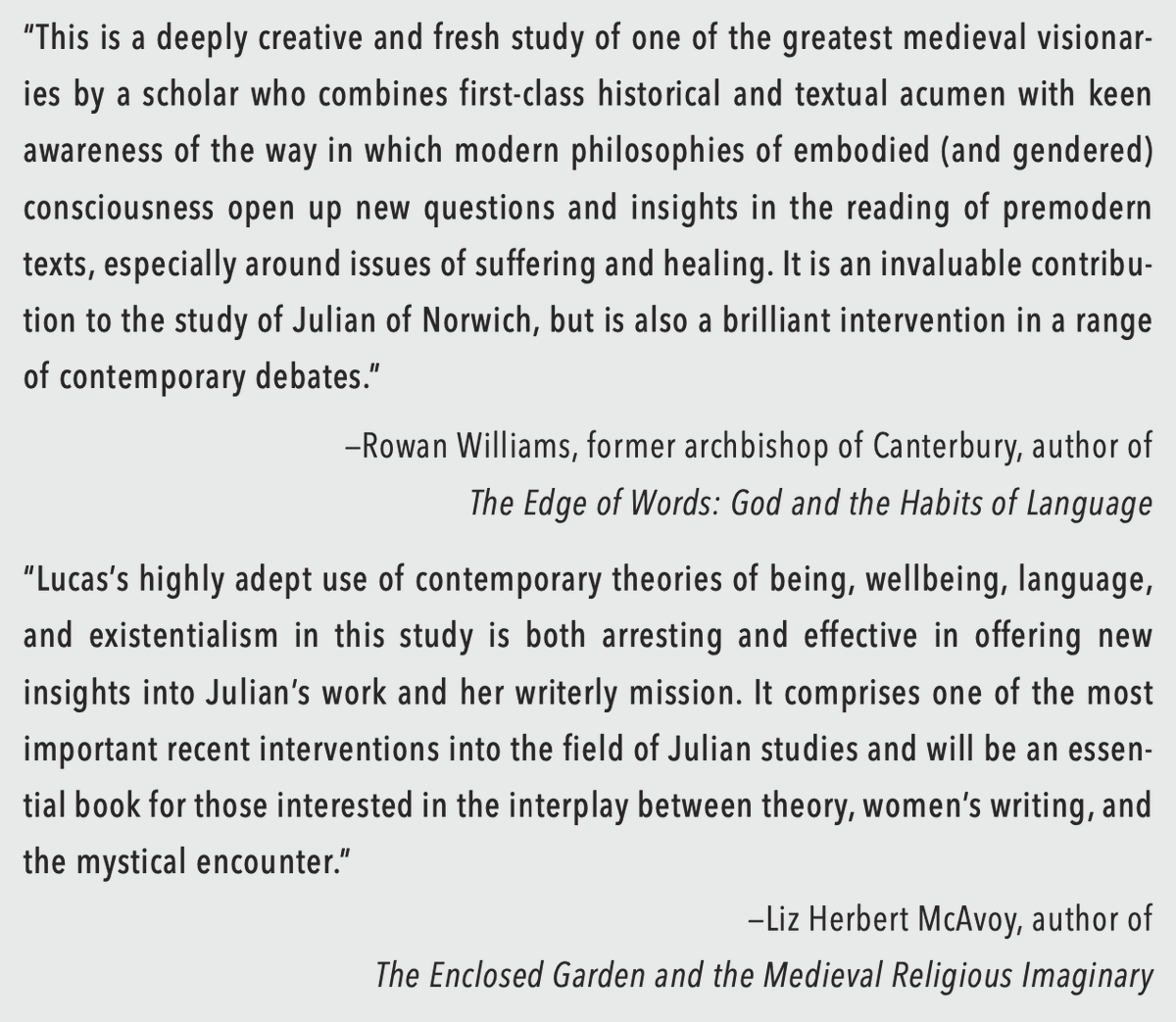
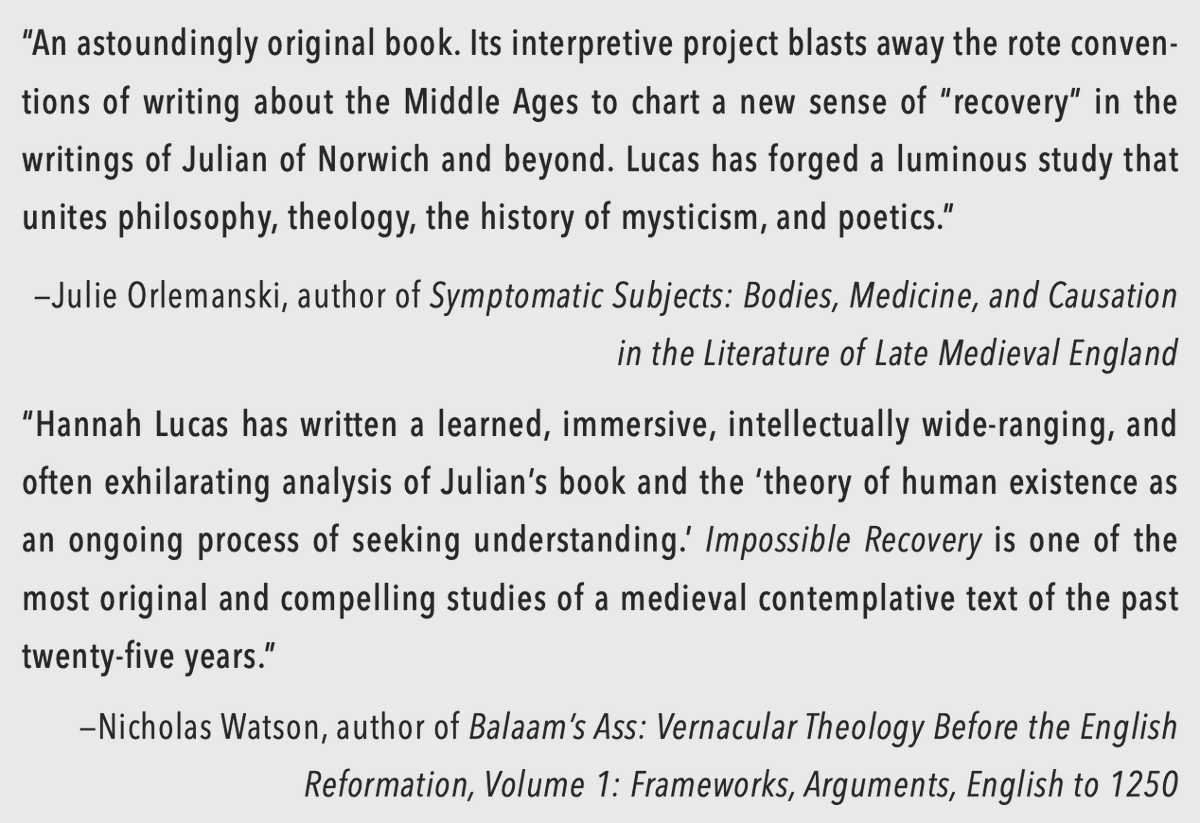
My book on Julian of Norwich and well-being is now available to preorder with a discount from @ColumbiaUP! Code: CUP20
I'm hugely grateful for very generous endorsements from Rowan Williams, Liz Herbert McAvoy, @julieorlemanski, and Nicholas Watson.
https://t.co/Jcw5rpz06B
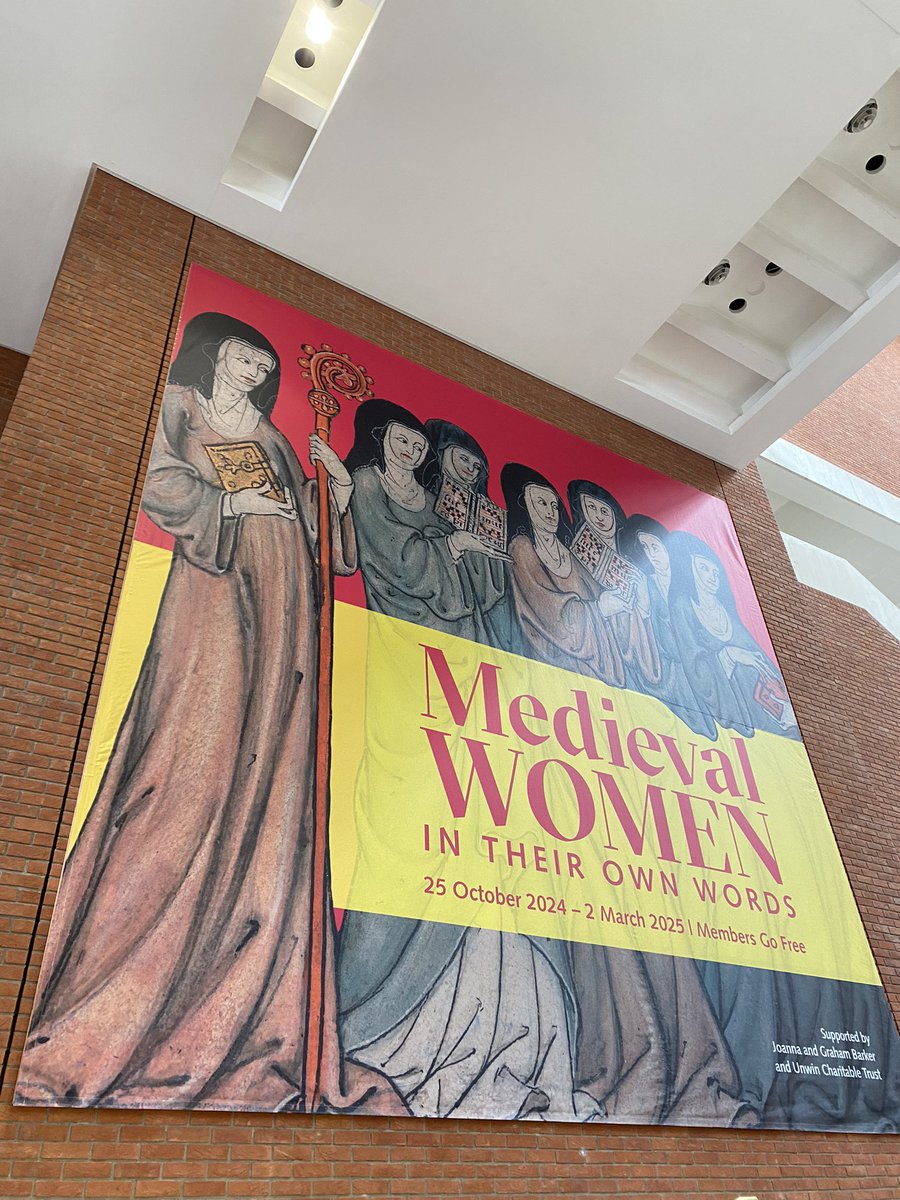
The next exhibition at @britishlibrary will be Medieval Women: In Their Own Words (October 25th) & YES we will have a beautiful book to accompany it.
this month we're taking a trip into the world of greek lyric poetry for the ancient world book club and reading SAPPHO! ✌️💖
sign up to the book club here: https://t.co/f3mLqyLNXD
join the sappho reading group here: https://t.co/Ebe4rIzgkF
Rescue is overjoyed to announce that following Royal Assent yesterday the new Levelling Up & Regeneration Act enshrines HERs as a Statutory Requirement of local authorities. It’s taken years of campaigning by many heritage bodies to achieve this milestone! 👏👏👏 #StatutoryHERs
No full-time job should pay so little that the person doing it can't afford housing, food, clothes, heating and a little fun in life. It really is that simple.
Fun fact: historians (including cultural/literary historians like me) not only don’t get paid for our research, we have to subsidize the cost of our journal articles & books, especially if we want them to be available to the public. Which is why we care so much about citation.