10 years ago I was still stuck in the query trenches (lost & confused). Here’s a few things I’ve learned about writing/publishing in the past decade 🧵
1. Resilience. Rejection is part of the job. It gets easier. It’s not that your work isn’t good it’s that it isn’t a good fit.
Five years ago today I took the best photo I’ll probably ever take. I like good photos and have a four hour bus journey shortly so need entertaining. Feel free to reply with the best photo you ever took. Accompanying description also welcome.
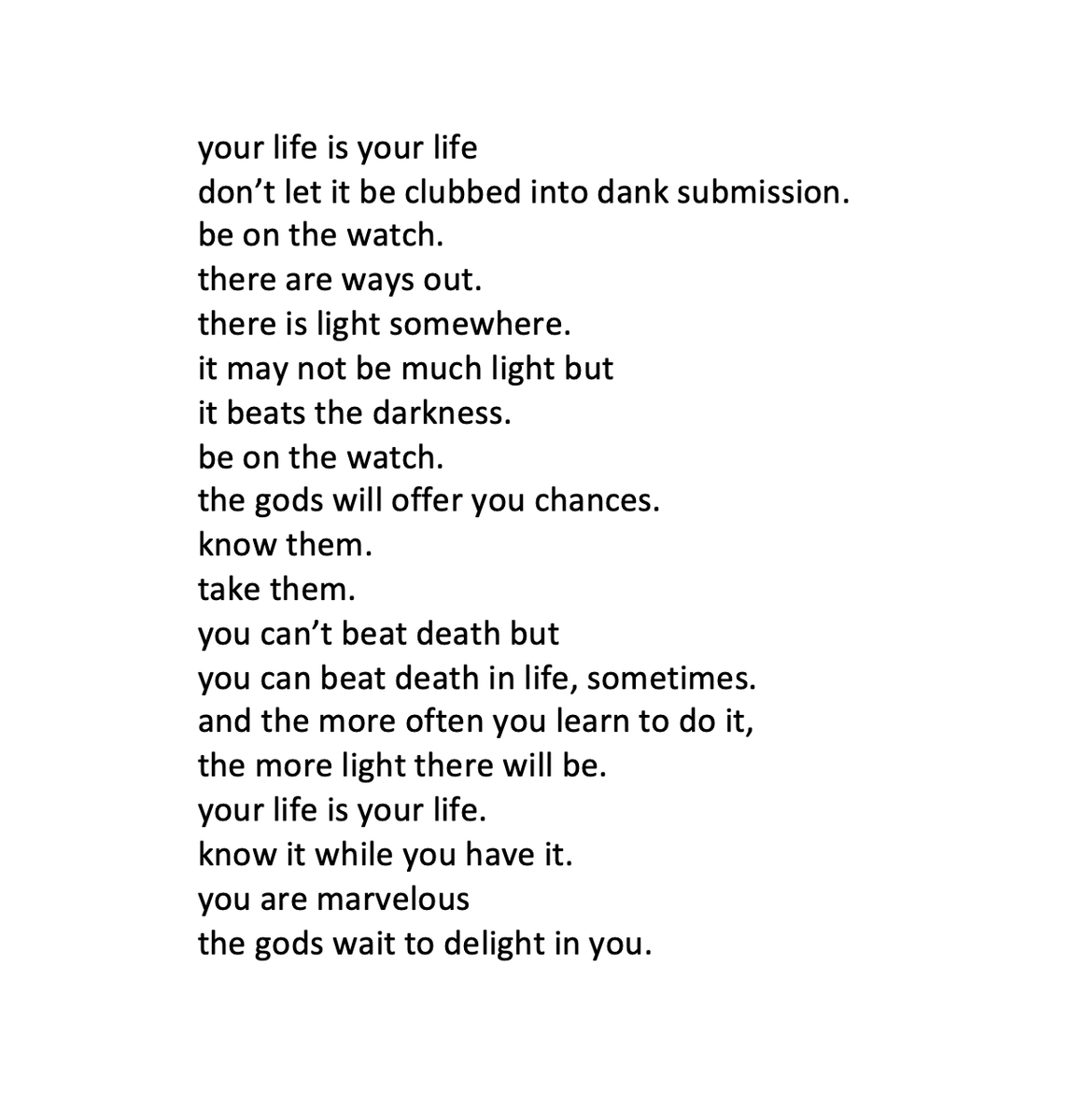
Charles Bukowski did not get an MFA. He worked menial jobs, hoboed around, drank, fought, lived.
He became a well known writer late in life & he wrote this, The Laughing Heart, for everyone in a dead-end job or a life off course.
It’s get-in @arcolatheatre for 2023 #PapatangoPrize winner SOME DEMON by Laura Waldren. As we open this world premiere by a debut writer, we thought it might be useful to be transparent about what this show takes. The £££, the timeline, the risks, all of it.
So, here goes...
Midlevel advice from someone who has been querying for years (had one agent, searching for the next): you're going to have to find joy in your writing apart external validation. You've come to grips with industry rejection? Great! But what about your friends and family? 1/?
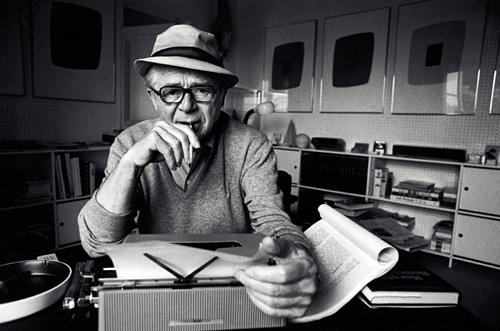
"Writing is a solitary business. It takes over your life. In some sense, a writer has no life of his own. Even when he's there, he's not really there."
Paul Auster
Ghosts
Opening pages: what do literary agents look for? Top insights from ten literary agents, including:
🟡Key elements agents are drawn to
🟡Common pitfalls to avoid
🟡Creating a compelling hook
https://t.co/jdW8woVGLH
Being a creative is brutal AF right now.
No new jobs, mass layoffs, cancellations.
If you’re still working on your scripts/novels, submitting auditions, directing reels, drawing, creating — S/O to you.
Shoutout to us for making art even when it’s hard. That’s what artists do.
It seems obvious, but just a reminder: when writing TV, the work never stops. Say you write a pilot. Prepare yourself for notes from your reps. If you're lucky to receive minimal notes, prepare to write a series document. Then prep a verbal pitch. Then *that* all may change. 1/3
"I try to be as close as possible to the protagonist. The nearer I am to them, the more I discover mystery, phantasms, the imaginary, metaphysics. All this is inside us."
--- Krzysztof Kieślowski
Billy Wilder’s Tips For Screenwriters:
1. The audience is fickle.
2. Grab ’em by the throat and never let em go.
3. Develop a clean line of action for your leading character.
4. Know where you're going.
5. The more subtle and elegant you are in hiding your plot points, the better you are as a writer.
6. If you have a problem with the third act, the real problem is in the first act.
7. A tip from Lubitsch: Let the audience add up two plus two. They'll love you forever.
8. In doing voice-overs, be careful not to describe what the audience already sees. Add to what they are seeing.
9. The event that occurs at the second-act curtain triggers the end of the movie.
10. The third act must build, build, build in tempo and action until the last event, and then—
11. —that’s it. Don’t hang around.
WRITING FELLOWSHIP ADVICE - a 🧵.
I am a WBTV Writers’ Workshop Alum ‘23, Circle of Confusion Fellow ‘23, and a script reader for a studio fellowship. I’m not an expert by any means but this is advice I think will generally apply to most TV Fellowship submissions.
THREAD: For writers about contests, and real career progress this year. Some tips and mistakes to avoid from a former development exec (me).
1- Think of screenwriting contests like the Olympics of writing. You have to podium for it to matter. Really, you have to WIN. Because contest platforms get behind winners - winners also make them look good. They won't tell you this because they like dollars.
My screenwriting took a huge leap when I decided to take responsibility for the reader's visual and emotional experience.
A big part of this was learning to write vertically.
Here is what I mean and why this stylistic choice helps. 🧵👇
First, what does writing vertically mean?
Writing vertically is obviously not literal. It refers to making choices that push the reader's eyes DOWN the page more often than they go ACROSS the page.
I am sure many will ask, "What does it matter how it is written on the page if the script is good?"
In a perfect world, this is correct. What goes on screen is what counts.
But we're not in a perfect world. And until a screenplay hits a certain amount of momentum, it is the reader's experience that matters most.
And yes, it is true: writing vertically can not make a bad story good.
But it can make a great story easier to identify.
And that is the goal.
Why does writing vertically make a great story easy to identify?
Mostly because it makes it easier for the screenwriter to direct the reader's experience.
Writing vertically helps by:
- Making the pages visually more inviting to read.
- Giving you better control of the rhythm.
- Making it easier to create imagery.
- Making it easier to control the reader's focus.
- Allowing the reader to turn pages faster.
The primary tool to do all these things is shorter paragraphs.
That's it. That's all it really takes.
The trick is how we use those shorter paragraphs to tell our story.
We are trying to create the visual, auditory, and emotional experience of seeing this movie for the first time for the reader.
That's tough to do with just text. We don't want them reading a novel.
We want them to see the movie.
In real time.
Nothing should take longer to read than it takes to happen on the screen.
There are 53 lines down an average screenplay page.
53 opportunities to go across all six inches of text (8.5 inches minus the margins.) You can reduce that to 26 times if no paragraph is longer than one line.
And even fewer than that if you write less than a couple inches across.
Like this.
Or this.
It hardly feels like you're writing left to right at all.
I rarely have paragraphs longer than three lines.
The vast majority of my paragraphs are one or two lines.
I have attached an example page of mine. The content is not important, but rather the look, feel, and flow.
Paragraphs do three things very well.
- Encapsulate a single visual shot.
- Extend time.
- Create emphasis.
All are quite helpful for the emotional experience we're trying to evoke.
Encapsulate a single visual shot.
A guideline I use: I can have a single shot go over many paragraphs, but I rarely have a single paragraph describe multiple shots.
Extend Time.
This often maximizes the vertical flow because you are using a new paragraph to speed up the read by making us flow down the page quicker, but creating the illusion of more time passing.
Create Emphasis
This one is obvious. This is a way to emphasize a sentence by giving it its own paragraph rather than burying it behind one or two other sentences. This last sentence gets a little lost.
This sentence does not.
Examples of writing vertically
I have included my own pages and an older screenplay I always liked, KRISTY by Anthony Jaswinski.
The mental battle.
You will find plenty of examples out in the wild of writers utilizing big, thick paragraphs. See the screenplay of Tár, with its infamous monolith of text on the first page.
Some of our best writers have no interest in writing vertically. I am sure some would scoff at the very term. And certainly, the closer you get to a production draft, the less style matters.
But don't use that as an excuse. Put forth the effort to write better and make your screenplays more reader-friendly.
If you believe you can offer up a better emotional experience with different tactics, by all means, use different tactics!
There are as many styles as there are writers.
Just don't let laziness and stubbornness sneak in, as they often do, under the cover of integrity.
I know this habit all too well from personal experience.
Do whatever you can to create the best emotional experience possible for the reader.
That's a wrap for this thread!
If you enjoyed this thread and are interested in screenwriting:
1. Follow me @storyandplot for more of these
2. Repost to share this thread. It took me hours to write. It will just take you just two clicks to share. :)
3. And be sure to subscribe to my weekly email for even more detailed talk on screenwriting.
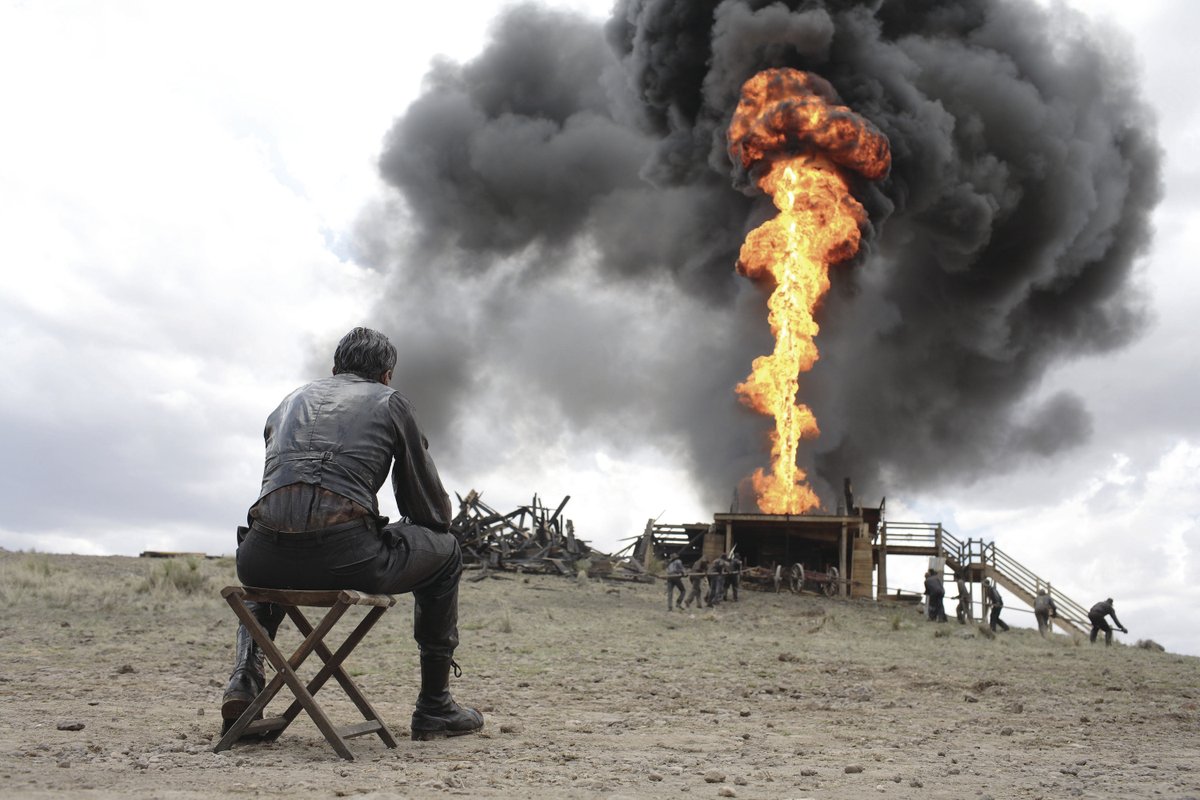
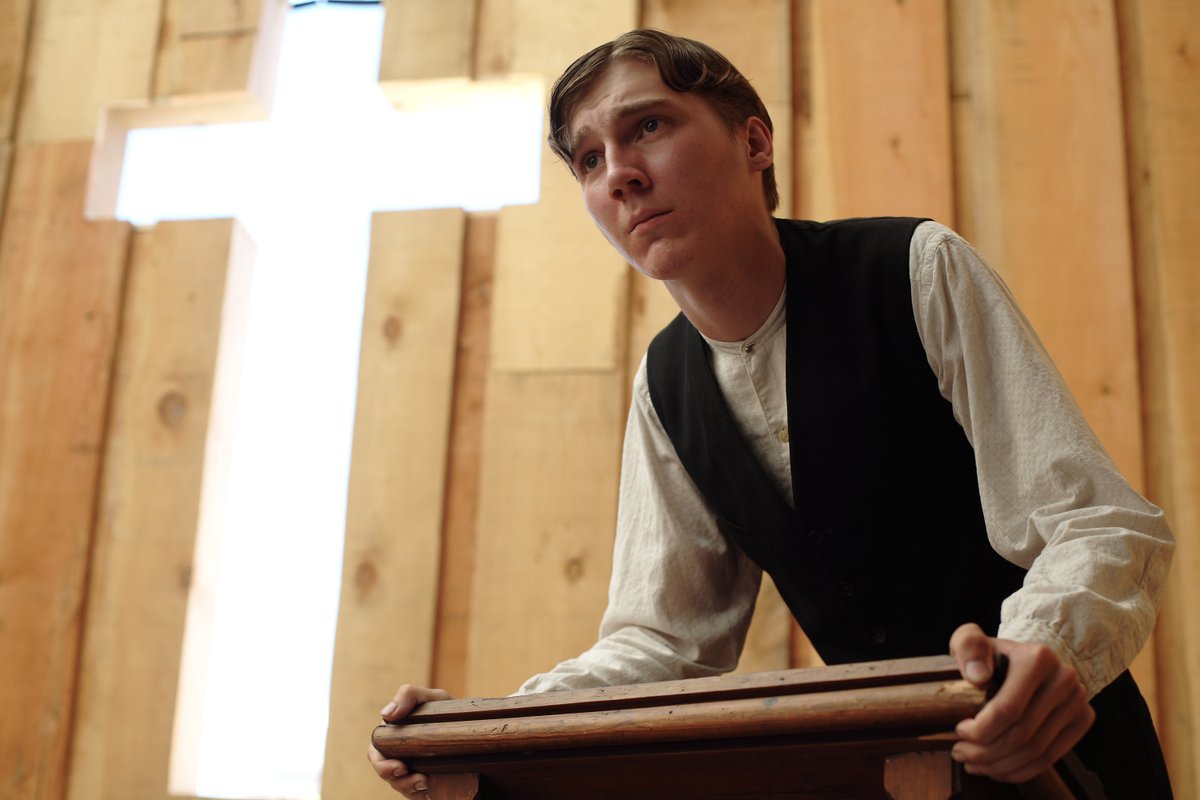
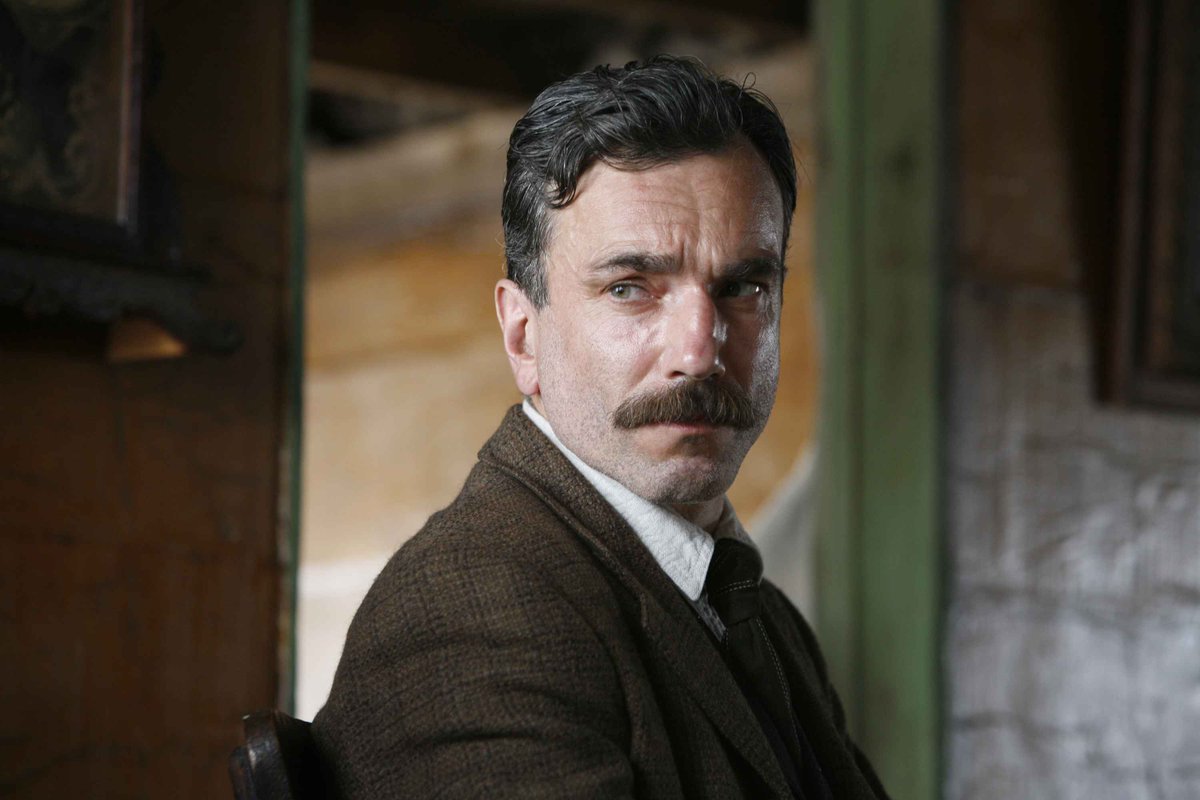
THERE WILL BE BLOOD was released 16 years ago this week. Acclaimed as one of the greatest films this century and among Paul Thomas Anderson’s best, reading the making of story is like striking oil…
1/43