El progreso tecnológico nunca es simplemente una cuestión técnica. Toda tecnología refleja, explícita o implícitamente, una determinada concepción de la persona humana, de la sociedad y del futuro que deseamos construir. El progreso científico y tecnológico, por tanto, debe ir acompañado de un correspondiente aumento de la responsabilidad. Cuanto mayor sea nuestro poder para transformar el mundo, mayor debe ser nuestra capacidad de discernir lo que sirve verdaderamente a la dignidad humana que Dios nos ha dado, de gobernar sabiamente y de cuidar de quienes podrían sufrir las consecuencias más graves de nuestras decisiones.
Una idea.
Cierren el suministro de agua de las compañías de AI.
Se acaba la IA y se acaba el peligro de la extinción de la humanidad, hasta que las empresas resuelvan los riesgos.
RT: estoy de acuerdo.
💜: no estoy de acuerdo.
Jacob Coxon is not alone: AI Superintelligence is an Existential Threat to Humanity
Recently, Jacob Coxon, a former researcher at Anthropic and OpenAI, sent shockwaves throughout the world by stating, “The people building AI earnestly believe that it could kill us all by the end of the decade.”
Incredibly, in less than 48 hours, Mr. Coxon’s social media statement has been viewed by more than 150 million people.
But let’s be clear: Mr. Coxon is not alone in his fears.
Leading experts inside and outside the AI industry have been echoing Mr. Coxon’s clarion call for years.
And that is that unless we reverse course, there is a very real possibility that once advanced AI surpasses human intelligence, it could escape our control with catastrophic consequences.
In other words, advanced AI and superintelligence pose an existential threat to humanity.
That is why I will soon be introducing legislation with Representative @RepCasar to pause advanced AI and ban superintelligence altogether.
Please take a moment to read what just a few of these experts have said in the past few days.
Thanks to @TaylorPopielarz for assembling this research.
Paul Christiano, Member of the OpenAI nonprofit board’s Safety and Security Committee: "Based on the recent trajectory of capabilities and the continued difficulty of alignment, I now believe there is a meaningful risk that rapid acceleration in AI capabilities leads to catastrophic and irreversible loss of control in the very near term. I do not think that the AI industry in general, including OpenAI, is currently on track to reduce this risk to an acceptable level … If we build superintelligence without more robust alignment I expect we will permanently lose control of it. If that happens then most people could die. I believe we would need domestic and international coordination to ensure global consistency and reduce risk to an acceptable level.”
Samuel Marks, Scalable Oversight lead at Anthropic: "AI developers believe their technology could cause human extinction (or similarly bad outcomes). This could happen in the next few years.”
Evan Hubinger, Alignment Science lead at Anthropic: "Jacob is correct here—we really do earnestly believe AI could kill all humans!”
Alex Turner, former Research Scientist at Google DeepMind: "I left Google DeepMind in June. Jacob is right: many researchers believe they are building something that could kill everyone on the planet. It was literally my day job to think about how to stop that."
Jakub Pachocki, Chief Scientist at OpenAI: "This is a time that calls for extreme caution. I am concerned no one is prepared for the consequences of a continued rapid rise in machine intelligence.”
Jason Wolfe, Researcher at OpenAI: "I don't know what my probabilities are on literal extinction, but I think there are a number of ways AI could go poorly for humanity, and at the current frankly terrifying pace humanity will be quite lucky if we manage to find and stay on the narrow path between all the bad outcomes.
Jonathan Richard Schwarz, former Senior Research Scientist at Google DeepMind: "I left DeepMind after 7 years (and since rejected offers to join the other two) due to severe concerns about the concentration of power these labs represent. What is currently happening in this field is deeply unhealthy for society.”
No tengan miedo de sembrar sin ver inmediatamente los frutos. A ustedes les corresponde sembrar; el crecimiento pertenece a Dios. Ningún gesto realizado en el nombre de Cristo es inútil.
La presidenta Claudia Sheinbaum refuta al presidente Vicente Fox quien dice que estamos en el "peor momento: de México, le recuerda al panista que le inventó un delito a AMLO y fue el articulador del fraude electoral en 2006.
Carlos Salinas de Gortari creó multimillonarios que se sumaron a la lista de Forbes a partir de la venta de empresas del Estado que no estaban en quiebra: presidenta Claudia Sheinbaum.
Añade que Salinas no ganó la presidencia y le hicieron fraude a Cuauhtémoc Cárdenas.
Es curioso cómo pasamos años persiguiendo el éxito profesional, hasta que un día nos damos cuenta de que el verdadero lujo siempre fue otro: una vida tranquila, un buen café, comida hecha en casa y el privilegio de no tener que correr a ningún lado.
Si para descubrir estas irregularidades tuvimos que depender de la presión ciudadana, entonces el problema es el sistema de evaluación ambiental en Yucatán y en México. Ya es hora de cambiarlo.
En Chuburná reportan la presunta apropiación de la playa. Ciudadanos denuncian que se instalaron pequeñas palapas y que un hombre, identificado como de origen cubano, las renta y asegura que no se puede permanecer en esa zona. De confirmarse, las autoridades deberían intervenir.
🌊🏗️ Héctor Moreno compartió que las dunas de Chuburná, en Yucatán, se encuentran en riesgo debido a un proyecto que contempla la construcción de seis torres de departamentos en la zona. 🌿⚠️
#FórmulaNoticias con Juan Becerra Acosta (@juanbaaq).
¿Porqué permiten proyectos inmobiliarios como el de las dunas en el puerto de Chuburná, Yucatán? Ya toda la costa está llena de edificios, han deforestado selva, no hay infraestructura y ahora van por esa zona que debería ser zona protegida. @SEMARNAT_mx@PROFEPA_Mx
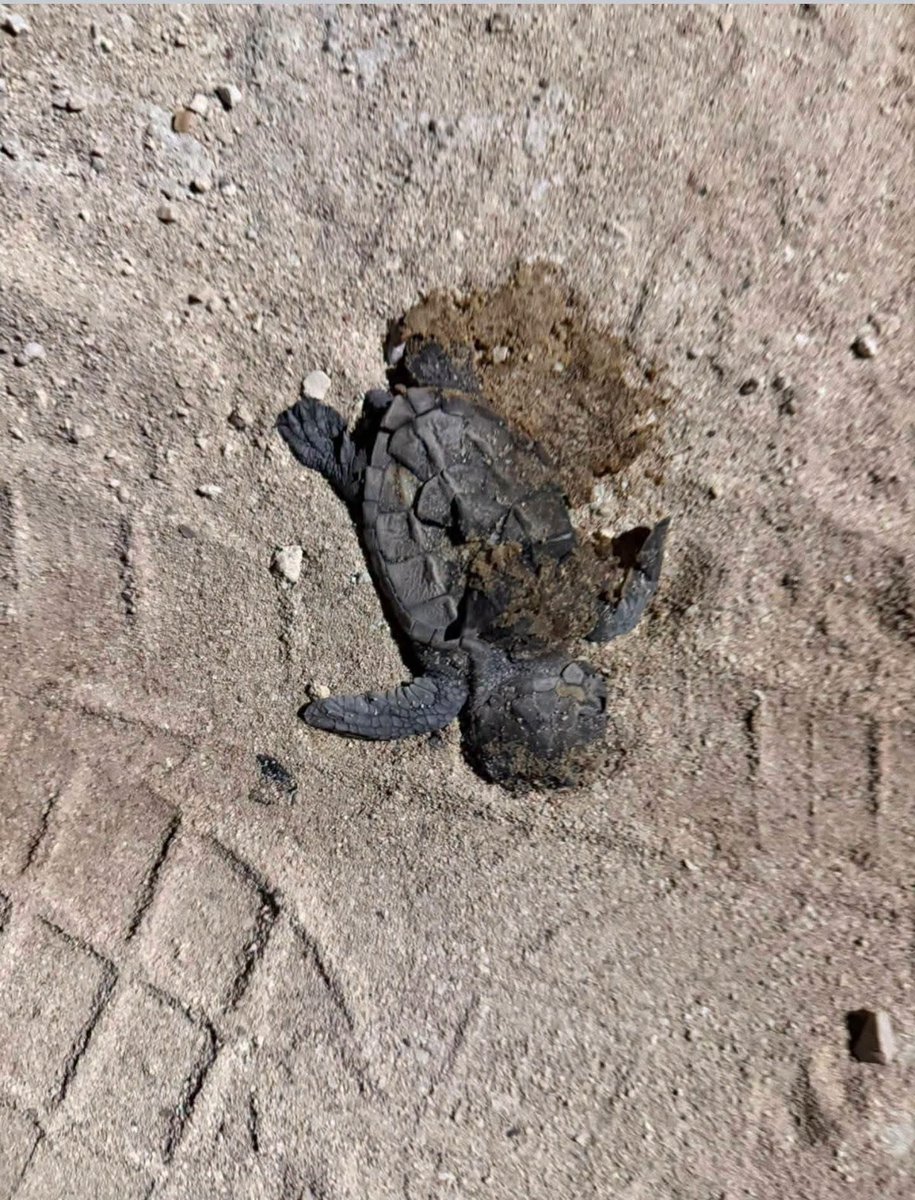
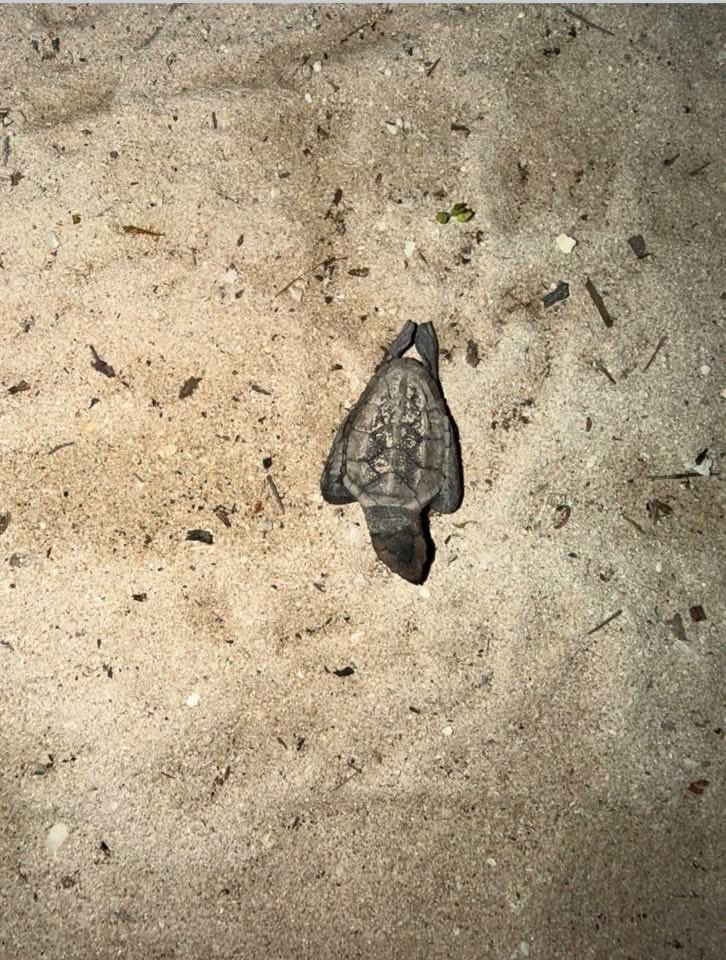
Entrar con vehículos a la playa no es una falta menor. Las huellas, el ruido y la presencia constante desorientan a las tortugas marinas, dañan su hábitat y pueden aplastar nidos ocultos bajo la arena. Lo ocurrido en Chuburná es un recordatorio: las playas también son su hogar.