𝗜 𝗿𝗮𝗻𝗸𝗲𝗱 𝟰𝟬+ 𝗡𝘂𝗚𝗲𝘁 𝗽𝗮𝗰𝗸𝗮𝗴𝗲𝘀 𝗶𝗻 .𝗡𝗘𝗧.
𝗦𝗼𝗺𝗲 𝗱𝗲𝘃𝘀 𝘄𝗶𝗹𝗹 𝗵𝗮𝘁𝗲 𝗺𝗲 𝗳𝗼𝗿 𝘁𝗵𝗶𝘀.
After 12+ years of building production .NET apps, here's my honest NuGet package tier list:
🏆 𝗦-𝗧𝗶𝗲𝗿: 𝗠𝘂𝘀𝘁-𝗛𝗮𝘃𝗲 𝗣𝗮𝗰𝗸𝗮𝗴𝗲𝘀
These belong in almost every .NET project.
No debate.
→ Entity Framework Core: the ORM that does it all
→ Dapper: when you need raw SQL speed
→ Serilog: structured logging done right
→ FluentValidation: clean, readable validation rules
→ xUnit: the standard for .NET testing
→ Polly: resilience and retry policies made easy
→ StackExchange.Redis: battle-tested Redis client
→ SignalR: real-time communication, built-in
→ Dapr: powerful distributed app building blocks
→ Scalar: modern, beautiful API documentation
⭐ 𝗔-𝗧𝗶𝗲𝗿: 𝗘𝘅𝗰𝗲𝗹𝗹𝗲𝗻𝘁 𝗣𝗮𝗰𝗸𝗮𝗴𝗲𝘀
Solid choices that solve real problems well.
→ MassTransit / Wolverine: messaging done properly
→ Refit: typed HTTP clients with zero boilerplate
→ HotChocolate GraphQL: best GraphQL library for .NET
→ OpenTelemetry .NET: observability you actually need
→ TestContainers: integration tests with real databases
→ Moq: mocking that just works
→ Bogus: realistic fake data in seconds
→ Quartz .NET / TickerQ: job scheduling that scales
→ NBomber: load testing for your APIs
→ MailKit: the right way to send emails
→ Newtonsoft(.)Json: still relevant, still reliable
→ Swagger / Swashbuckle: classic API documentation
🔧 𝗕-𝗧𝗶𝗲𝗿: 𝗚𝗼𝗼𝗱, 𝗕𝘂𝘁 𝗦𝗶𝘁𝘂𝗮𝘁𝗶𝗼𝗻𝗮𝗹
Useful when you need them. Not for every project.
→ MediatR: great for CQRS, but adds indirection you may not need
→ Hangfire: background jobs with a dashboard UI
→ Mapperly: fast source-generated mapping
→ Scrutor: decorator pattern made easy in DI
→ BenchmarkDotNet: micro-benchmarking your code properly
→ Humanizer: string and date formatting for humans
→ ImageSharp: image processing without native dependencies
→ NetArchTest: enforce architecture rules inside tests
→ CsvHelper, NodaTime, Carter, Respawn, WireMock(.)Net
🟡 𝗖-𝗧𝗶𝗲𝗿: 𝗪𝗼𝗿𝗸���, 𝗕𝘂𝘁 𝗕𝗲𝘁𝘁𝗲𝗿 𝗔𝗹𝘁𝗲𝗿𝗻𝗮𝘁𝗶𝘃𝗲𝘀 𝗘𝘅𝗶𝘀𝘁
They do the job. I just reach for something else first.
→ NLog: Serilog does it better
→ Rebus: MassTransit and Wolverine are stronger choices
→ Coravel: fine for tiny apps, limited as you grow
→ CliWrap, Verify, UnitsNet: niche use cases
❌ 𝗗-𝗧𝗶𝗲𝗿: 𝗔𝘃𝗼𝗶𝗱 𝗶𝗻 𝗡𝗲𝘄 𝗣𝗿𝗼𝗷𝗲𝗰𝘁𝘀
→ AutoMapper, Mapster: manual mapping is cleaner, faster, and easier to debug
→ FluentAssertions: great library, but v7 is paid
This is just my opinion based on my experience.
Your project context always matters.
Don't install packages to feel productive.
Install them because they solve a real problem.
Which package on this list do you disagree with the most?
——
♻️ Repost to help others choose the right NuGet packages
➕ Follow me ( @AntonMartyniuk ) to improve your .NET and Architecture Skills
📌 Save this post for future reference!
🚀 ¿Sigues desarrollando APIs “a mano”? Estás en el pasado.
Con .NET Aspire orquestas servicios, logs, métricas y dependencias desde el día 1 🔥
Deja de pelear con infraestructura y construye sistemas reales.
👉 https://t.co/gx0Twk0NAR
#dotnet#backend#microservices
¿Te has planteado alguna vez por qué existen distintos lenguajes de programación?
Si te interesa la historia de la informática, te dejo este vídeo en el que hago un repaso de los principales paradigmas y por qué aparecieron.
https://t.co/bN8afRlbjs
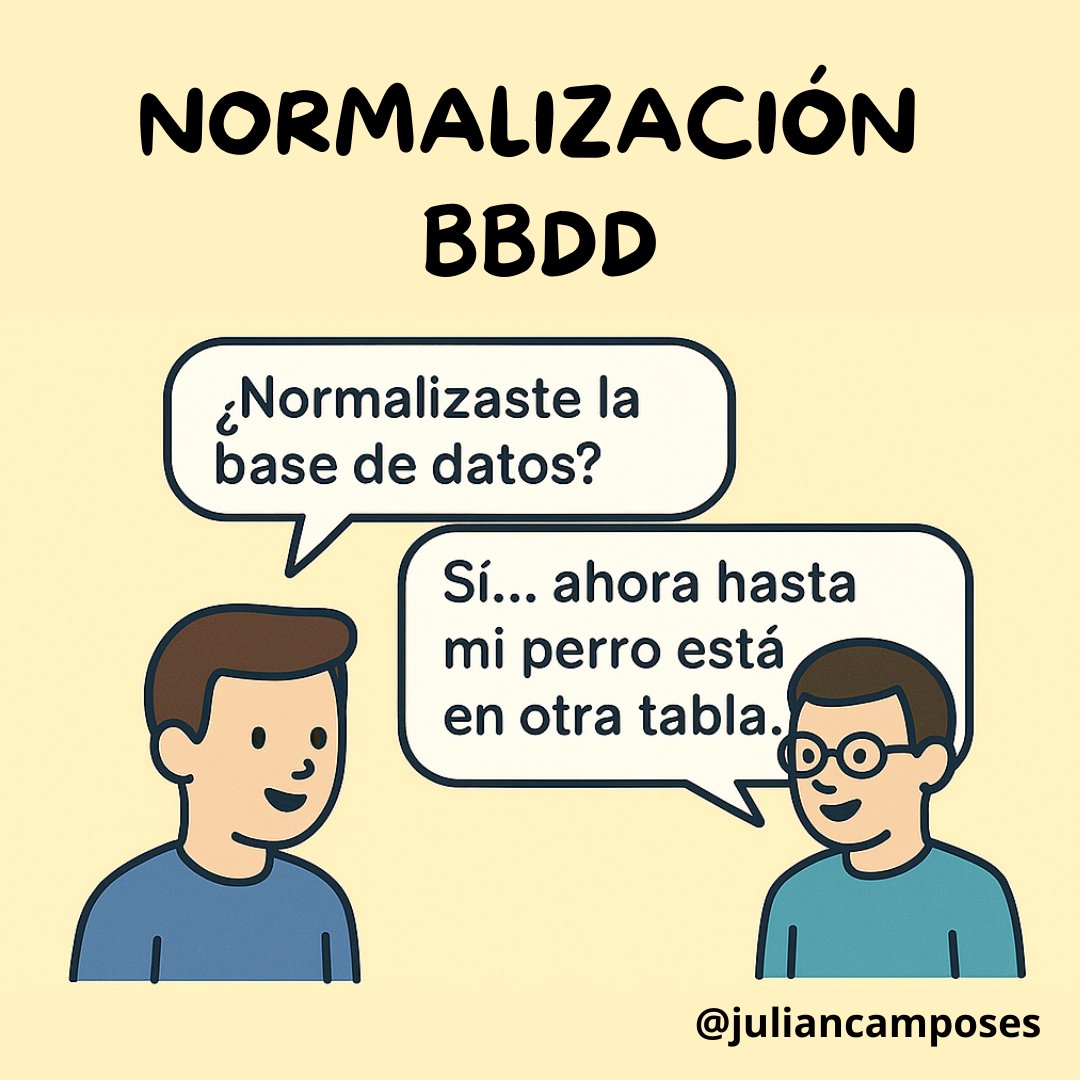
Si no entiendes la normalización de bases de datos, todavía te falta un paso clave como PROGRAMADOR.
La normalización es la base de un buen diseño de bases de datos.
Te permitirá crear sistemas más CONSISTENTES, MANTENIBLES y ESCALABLES.
Aquí te lo explico paso a paso 🧵👇
Los 16 patrones de desarrollo que te ayudarán a mejorar tu lógica de programación y a dejar claro en las entrevistas de trabajo que tienes claros los fundamentos 💪
Do you know all 3 ways to define Middleware in ASP .NET Core?
Middleware handles cross-cutting concerns (logging, auth, exception handling) before or after each request.
You're already using built-in middleware.
But when you need your own, you’ve got 3 options:
- Request delegates
- Convention-based classes
- Factory-based with DI support
I break them all down here: https://t.co/EqGmX5CiZn
What’s your go-to approach?
Bonus:
How do you inject a scoped service into conventional middleware?
Want to implement API Versioning for Controllers?
Here's how to solve this common problem.
The first confusing thing is which NuGet package should you use.
You'll need the Asp(.)Versioning(.)Mvc library for controllers.
This lets you call AddMvc() when configuring the API versioning services.
Without this, API versioning won't work correctly.
Here's the complete guide to API versioning in .NET: https://t.co/aMW3qCWuCl
Which type of API versioning do you use most often?
P.S. If you want to learn how to build production-ready REST APIs using the latest ASPNET Core features and best practices, this is for you: https://t.co/QfXnzq5A7j
Solo han pasado 5 DÍAS desde que xAI y Elon Musk sorprendieron al mundo con Grok 3.
Y la gente está haciendo cosas increíbles con la IA de Grok 3.
27 ejemplos LOQUÍSIMOS: 🧵
There's built-in support for rate limiting in .NET.
Here's what's good and not so good about it.
Rate limiting can make your APIs more robust and secure.
It's a technique to limit the number of requests to a server or an API.
There are four popular rate limit algorithms:
- Fixed window
- Sliding window
- Token bucket
- Concurrency
But the .NET implementation has a problem - it only works in memory.
If you want to apply rate limiting in a distributed system, you'll have to define the rate limit policies on a reverse proxy like YARP. Luckily, YARP also works with the built-rate limiting algorithms.
Learn more: https://t.co/y3tj90Zz60
What are the benefits of Clean architecture?
- Modularity
- Separation of concerns
- Testability of business logic
- Improved team productivity
- Loose coupling of components
There's no "right" way to build software.
You should decide what works for you.
Clean architecture works well for me.
I've used it to build excellent products.
If you want to get started faster, I made a free CA template.
Get it here: https://t.co/cgv8ZW9q5q
I built a free Clean Architecture template.
It's been downloaded by more than 10,000+ developers.
Here's what's inside:
- Simple domain model with Domain Events pattern
- CQRS + MediatR + clean use cases implementation
- Validation and logging cross-cutting concerns
- Authentication with JWT and user context
- Boilerplate for RBAC authorization
- Docker Compose + Containerization
- Minimal APIs, health checks
You can get the template here: https://t.co/cJ6U46PTXO