💉🩺Rapid sequence intubation in 2026: we are no longer “protecting the airway.”
We are managing physiology under extreme stress.
The latest evidence challenges one of the oldest dogmas in critical care.
RSI was designed to prevent aspiration.
But today, the real enemy is often hypoxemia and cardiovascular collapse.
1. Aspiration is no longer the central problem
For decades, RSI was built around one fear: aspiration.
But emerging data suggest:
RSI may not significantly reduce aspiration
It may increase hypoxemia and hemodynamic instability
The paradigm is shifting:
👉 From aspiration avoidance → to physiologic optimization
2. First-pass success is everything
Every additional attempt increases:
Hypoxia
Hemodynamic collapse
Mortality
Modern RSI is built around one goal:
Get it right the first time.
That means:
Videolaryngoscopy first-line
Stylet routinely
Team choreography, not improvisation
3. Preoxygenation is now a therapeutic intervention
Not just a step—a determinant of survival
NIV > face mask
HFNO as adjunct
Semi-upright positioning
And one key shift:
👉 Gentle ventilation is no longer taboo
Done correctly, it reduces hypoxemia without increasing aspiration risk.
4. Hemodynamics matter more than ever
Up to 40–50% of patients experience peri-intubation instability.
The modern approach:
Avoid propofol in unstable patients
Favor etomidate or ketamine
Consider prophylactic vasopressors
Fluid loading?
Not routinely beneficial.
5. Cricoid pressure: from dogma to doubt
No clear benefit in preventing aspiration
May worsen laryngoscopy and ventilation
Current thinking:
👉 Use selectively, or not at all
6. RSI is no longer a rigid protocol
It is now:
Patient-specific
Physiology-driven
Team-dependent
With tools like:
Gastric ultrasound
POCUS-guided decisions
Structured airway protocols
7. The real determinant of success: human factors
Preparation, communication, and coordination matter as much as drugs.
Because in critical care:
The airway is not just anatomy.
It is a moment of systemic vulnerability.
🤓Final message
RSI has evolved:
From speed → to precision
From protocol → to physiology
From individual skill → to team performance
And ultimately:
The goal is no longer just to intubate.
It is to intubate without killing the patient.
📃Reference
Boulos NM et al. Anaesth Crit Care Pain Med. 2026. https://t.co/KWUfUtAMyP
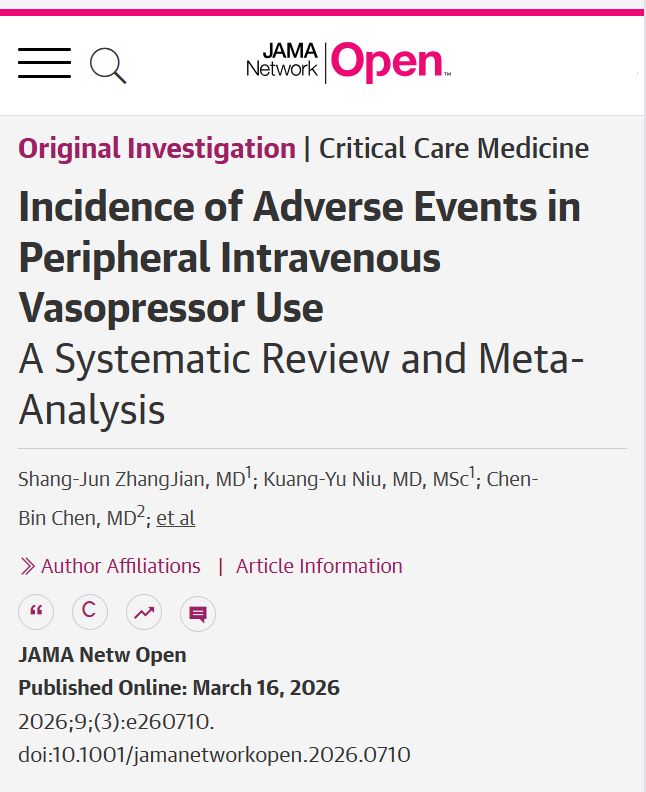
Peripheral vasopressor administration in critically ill adults was associated with a low incidence of adverse events—major events were rare using short peripheral intravenous catheters, and use avoided central venous catheter placement in 60% of cases.
https://t.co/cInCBzu8x8
Brigitte Bardot is dead. Memorizing the functions of the cranial nerves will never be the same....(H/T to Jimmy Edwards all those years ago...)
"Some Say Marilyn Monroe, But My Brother Says Bridgette Bardot Mmmm Mmmmm"
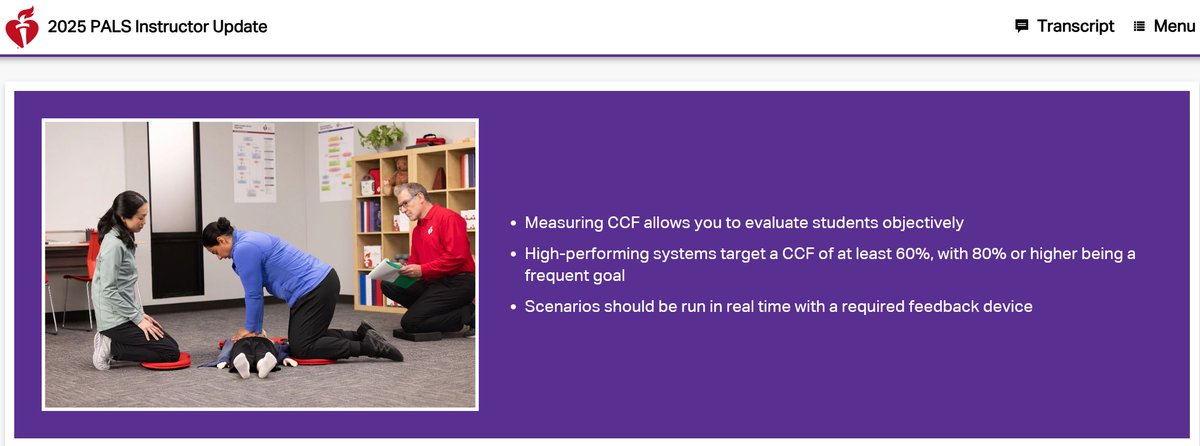
I'm taking the AHA instr. updates & saw this: Apparently, a CCF of 60% is "high performing".
If you are "targeting" a goal of 60% on your CCF, you're a LOW-performing system. The MINIMUM should be 80%. We **often** see CCF of > 90% with HP CPR. 90% should be the GOAL, not 60%!
@NicholasChrimes@Anaes_Journal I think it's important to seperate cric pressure vs. ELM , Something many providers lump together. These are two different techniques. One is often detrimental to your pt, one can be beneficial. If you don't know the difference, you prob. shouldn't be doing either.
If you can't get enough people on scene or otherwise can't to focus on High Performance CPR...then shake up your system. Don't hit the "Easy button" and give your patient inferior CPR.
W/ a patient-centric approach, (and supported by our own data, thanks to our Zoll systems as well as good studies outside our system) M-CPR borders on harmful the 1st 10 minutes, non-inferior in 2nd 10 minutes, & mixed benefit afterward W/ a + benefit during transport.
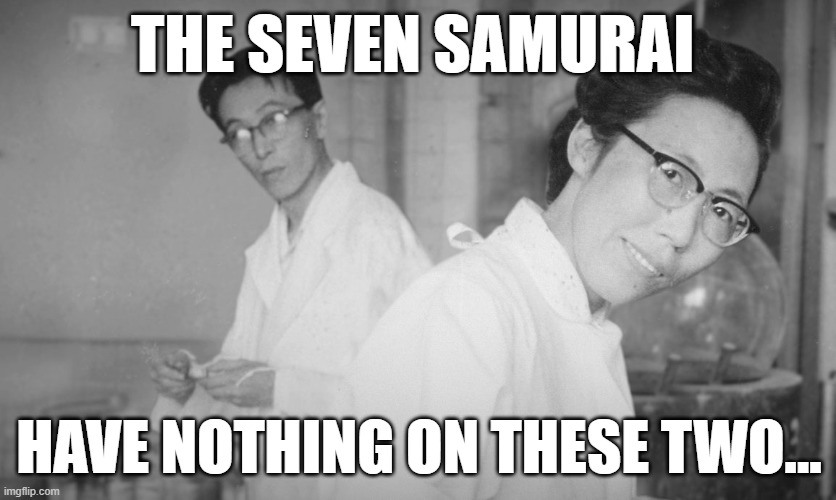
(8/?) She was born in Tokyo, Japan, on April 1, 1918, & died in Kobe, Japan, April 21, 2016, @ 98 years. Her obituary was published in the Lancet, one of the oldest and most respected medical journals in the world. In my opinion, they should have won the Nobel Prize for medicine.
n my agency, this month we are focusing on several OB and neonatal emergencies. This prompted the following post.
DID YOU KNOW: Most modern providers think of TXA in terms of traumatic blood loss, but it's earliest use was for postpartum bleeding! Some facts:
(6/?) Dr. Utako lived to see the beginning of the landmark WOMAN trial of TXA in PPH on over 20 THOUSAND patients. She died 1 week after it concluded, but before it was published. When it was published in 2017, it confirmed what she had been advocating for for over 50 years!
(5/?) Today, TXA is on the World Health Organization's list of essential medications, along with pitocin, to address postpartum bleeding. Dr. Utako's dream of reducing maternal mortality of PPH through use of TXA has been realized, only over 60 years after it was discovered.
(4/?) Even into the 2000's, Japanese obstetricians resisted using TXA for PPH. It was DECADES before "modern" obstetricians and other providers recognized TXA for its original purpose: PPH!
@NYCEMSwatch Or expand the scope & education of paramedics so you do not need a doctor at the scene of most calls. Blood, RSI/DSI, POCUS, finger thoracostomy, & even field amputations for rare cases. Imagine what a master's level acute care paramedic practitioner could bring in their toolbox!
(3/?) They published their first paper in 1962! B/C Dr. Utako was a woman, she was prohibited/excluded from presenting her findings, limiting the awareness and use of the drug. Was once asked to leave a medical conference B/C "were not for women and children".
(2/?) Because of blood shortages, they often had to study blood drawn from their own veins!
Because of a lack of resources and even facilities, they had to scrape together their laboratory in their own home. Yet they still did world class research.
After WWII, Japan closely resembled a disaster zone and post-apocalyptic wasteland. In this environment, Dr. Utako Okamoto developed with her husband, A biochemist) worked to find a cheap and effective solution to this problem.