@rbarishansky I believe we short change the history of EMS. The American Ambulance has a true history that goes back to 1865. It should be embraced, without this older look at history, we wouldn’t have what we have today.
This study of 28 million people showing no statistical increase in all cause mortality doesn’t support the position that C19 vax increased mortality. https://t.co/ME11jwTpDA
Another ad hominem :(
All evidence is flawed (has limitations).
Most research findings are false. https://t.co/1h2fj3dxKm
That’s a reason to be skeptical & critically appraise the literature.
My positions are tentative.
@DrJ_surgeon@DennisRenMD@BarryHunt008@akildasan https://t.co/9tttwzyUXc
💥SHOCKING PAPER 💥
This is a key Covid 19 mRNA vaccine trial.
With a SALINE PLACEBO 😱😱😱😱😱🔥🔥🔥💥💥💥💥
Turns out all this stuff about no trials, no placebos..is..is..............NOT TRUE!!!!!!
Maybe they were lying???
WHO KNEW???
https://t.co/YqJQ4eHDIn
Survival for children can nearly double when CPR begins within five minutes. This new analysis underscores how critical early action is and why community CPR readiness and the work supported by CARES matter.
https://t.co/lhKVLFPTOh
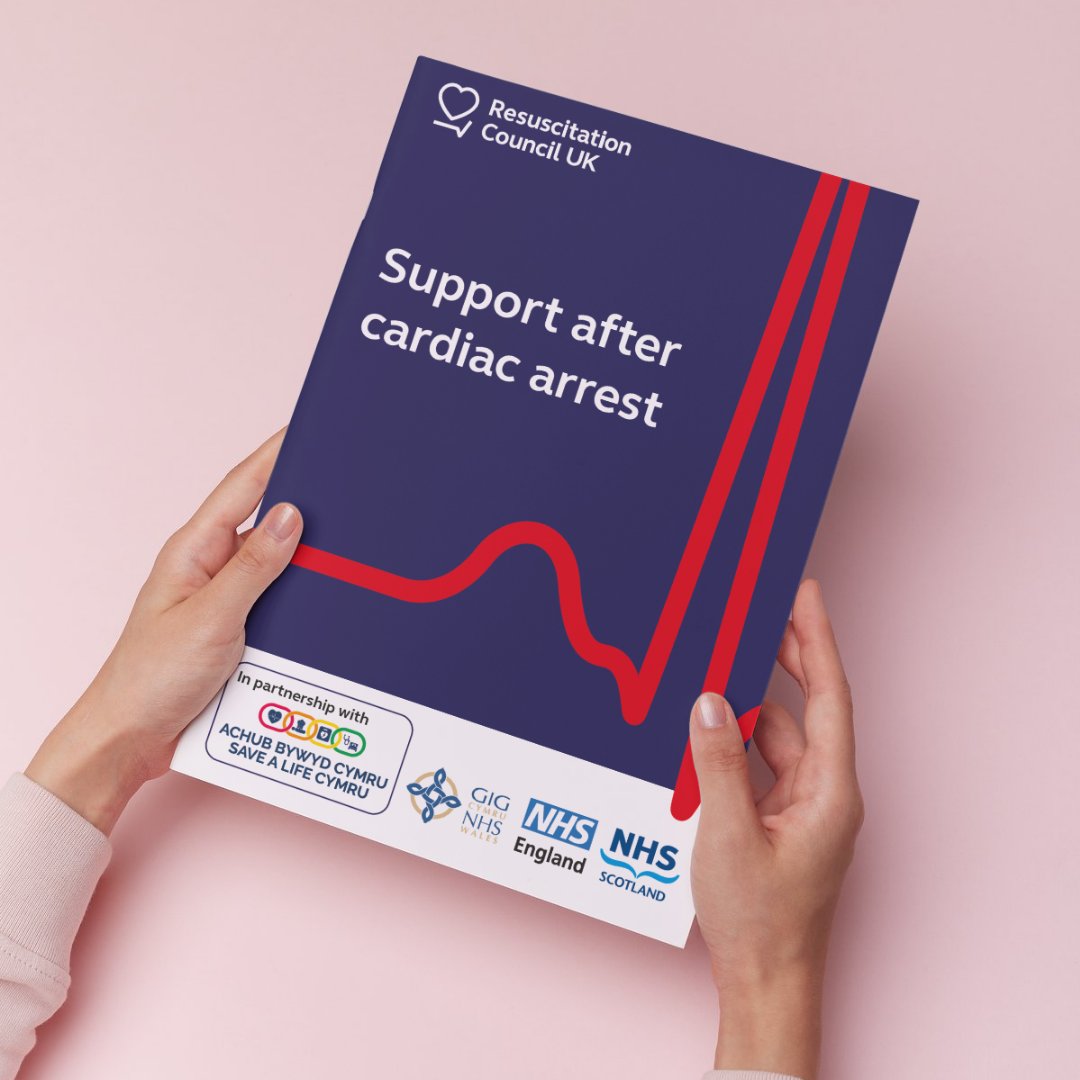
Live from #RCUK25, we’re pleased to announce that we've partnered with @SaveALifeCymru to publish a new discharge resource to support people recovering from cardiac arrest, along with their families and friends.
Learn more: https://t.co/PnxFntLnS6
Science isn’t about trust. It’s about proof.
In a world flooded with headlines, hype, and hot takes - how do you know what (or who) to believe?
Here’s how real science works - and how to tell the difference between evidence and noise.👇
Let’s get one thing straight:
Science is not a belief system.
It doesn’t ask for faith.
It doesn’t demand loyalty.
It tests ideas.
It challenges assumptions.
It builds knowledge over time.
The scientific process is brutally honest - by design.
✅ Ask hard questions.
✅ Run the tests.
✅ Repeat them.
✅ Let others try too.
✅ Change your mind if the data says so.
That’s not weakness. That’s strength.
A real scientific claim can survive:
🔍 Replication.
🧪 Peer review.
📊 Public scrutiny.
📉 Negative results.
💥 Criticism from rivals.
If it can’t?
It fails.
As it should.
Here’s what makes evidence credible:
🔬 Transparency — Can others see the data?
⚖️ Oversight — Who reviewed it?
🧠 Credentials — Are the researchers qualified?
📚 Consensus — Do many studies agree?
🧾 Disclosures — Are conflicts of interest declared?
And no, company-funded science isn’t fake by default.
Many of the safest medicines, materials, and innovations came from private R&D.
But:
✅ They had to show the data.
✅ They had to survive regulation.
✅ They had to pass independent review.
That’s how the system should work.
Let’s bust some myths:
❌ “One study proves it!”
→ Science looks for patterns, not one-offs.
❌ “It’s too complicated - must be hiding something.”
→ Complexity isn’t conspiracy. It’s reality.
❌ “If it’s from a company, it’s corrupt.”
→ Bias is possible. That’s why we have peer review.
In short:
Science is messy.
It’s slow.
It’s self-correcting.
It invites doubt.
That’s what makes it better than opinion.
You don’t have to read every paper or become an expert.
But you can learn to spot the red flags:
🚩 No data.
🚩 No review.
🚩 No method.
🚩 Big claims, zero evidence.
🚩 “Trust me” vibes.
Science doesn’t say “trust me.”
It says: check for yourself.
Misinformation thrives when people mistake noise for knowledge. Let’s fight that.
🎯 Celebrate doubt.
🎯 Ask better questions.
🎯 Reward transparency.
🎯 Value evidence over vibes.
Because science isn’t just a tool.
It’s a process and we need it now more than ever.
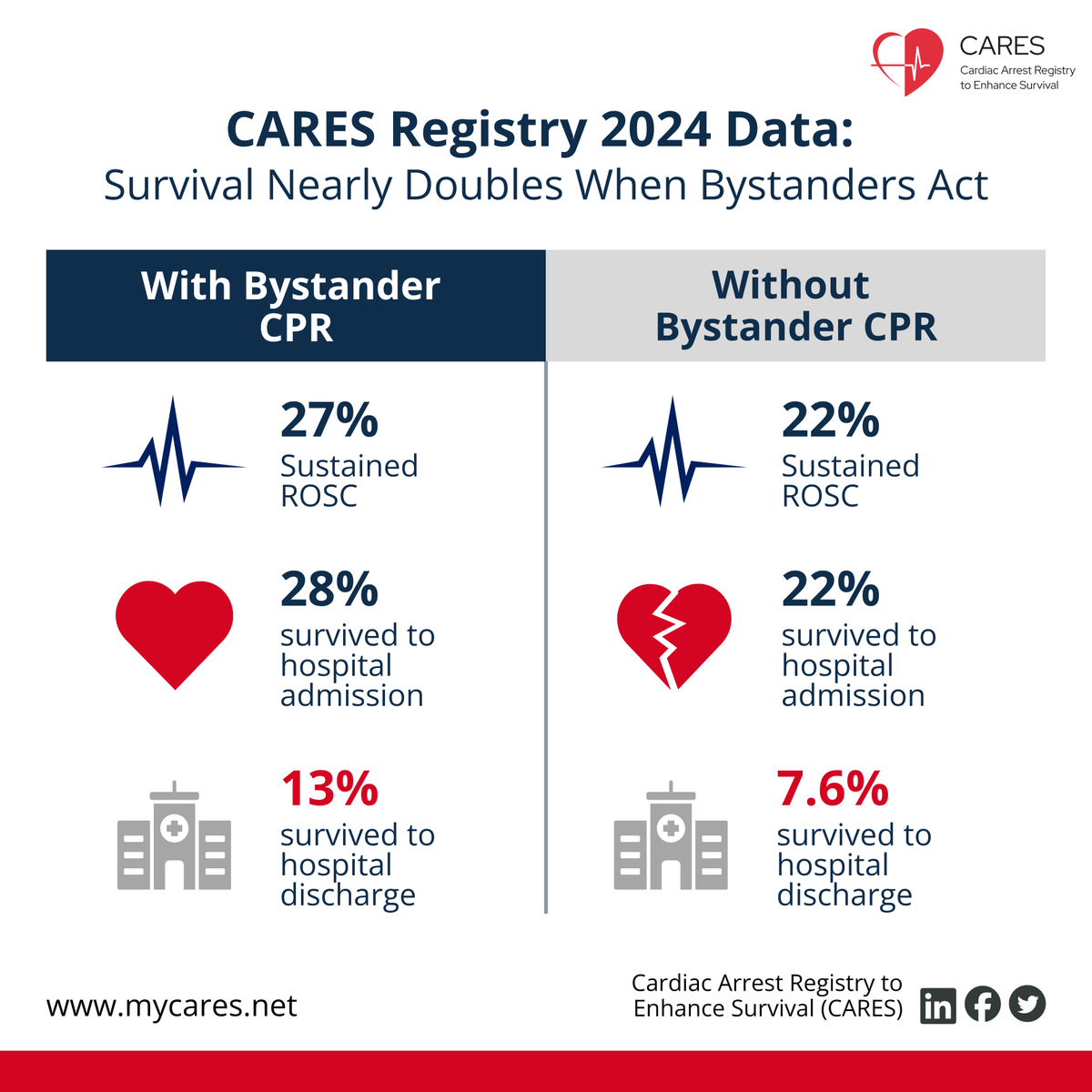
Bystander CPR nearly doubles survival.
CARES 2024 data shows higher rates of sustained ROSC, hospital admission, and discharge when CPR begins before EMS arrives. Step in, start CPR, and save a life.
More: https://t.co/TbIb1XzQLT
CARES 2024 data show how bystander CPR (41.7%), AED use (12.6%), and EMS response (6.4 min) strengthen the chain of survival.
Every link measured. Every life improved.
https://t.co/Nj2yDZotNA
🚨 20 new Community First Responders have completed their training at our new Ipswich hub! They're now equipped to attend life-threatening emergencies across the east of England - and many are already out responding to calls. 🙌
Want to volunteer with us? https://t.co/xyWv61C4dg
Defib pad placement is important. Positioning them correctly can double someone’s chance of survival.
Side A is correct. The key difference is that the pad on the left hand side of the chest has been placed on the side of the rib cage, closer to the armpit.