☺️ My first article as first author has been published!
💭My final degree work, a first approach to the belief in myths in Psychology in psychology students in Spain, along with @scorgaz and @carmelado.
In open access!➡️ https://t.co/OizCGbqIIi
A (short) summary thread 🧵⬇️
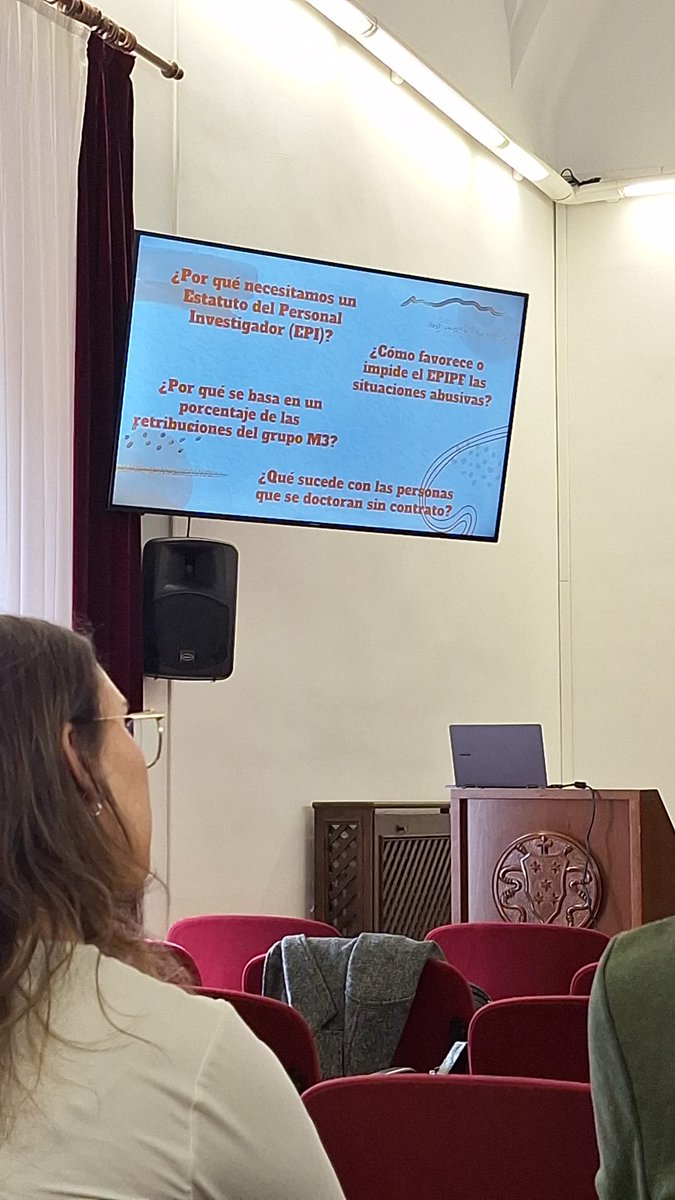
Continuamos las @JornadasCLI hablando sobre el Estatuto del Personal Investigador Predoctoral en Formación (EPIPF) y la necesidad del EPI. Mesa redonda moderada por @CeliaCores, con @crodriguezprada@FJIprecarios, Ignacio García Estevez (INNOVA) y Víctor del Arco (@CGT_USAL)
Jornadas gratuitas de @AsBAn_
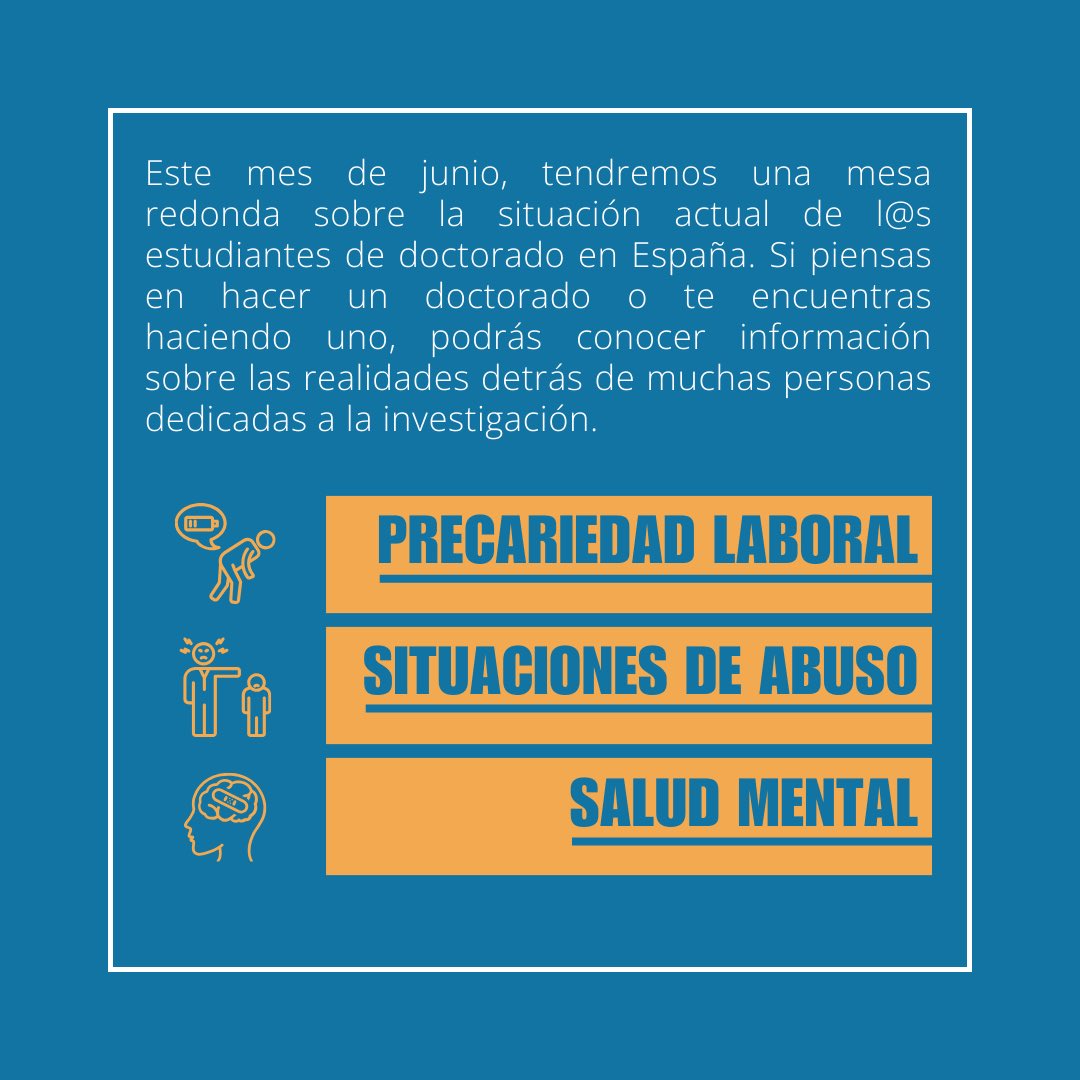
Se abordarán tres puntos principales:
- la precariedad laboral 💸
- las situaciones de abuso ❌
- y la salud mental. 🧠
📆 Fecha: Viernes 28 de junio
🕔 Hora: 18:00 h
📍 Lugar: Google Meet
Formulario inscripción: https://t.co/Ok0l36vyEn
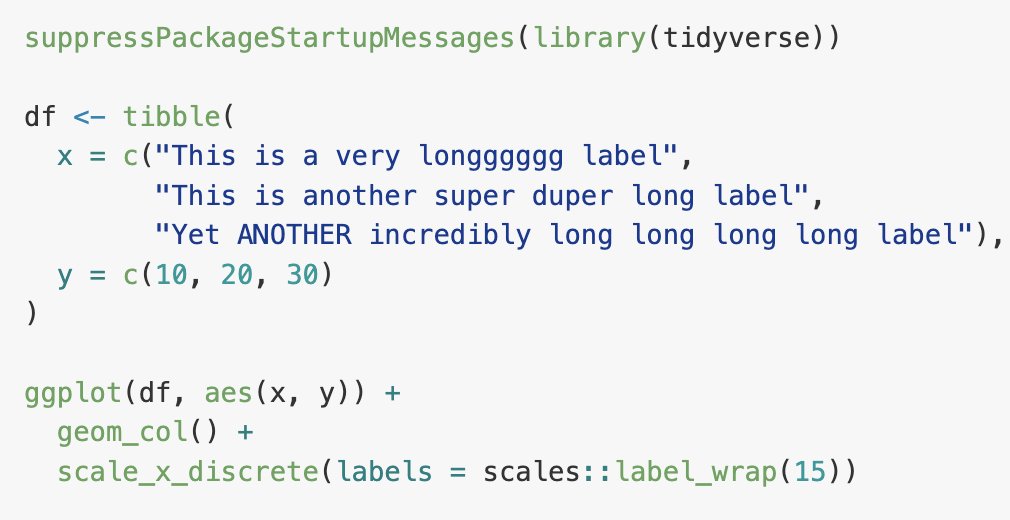
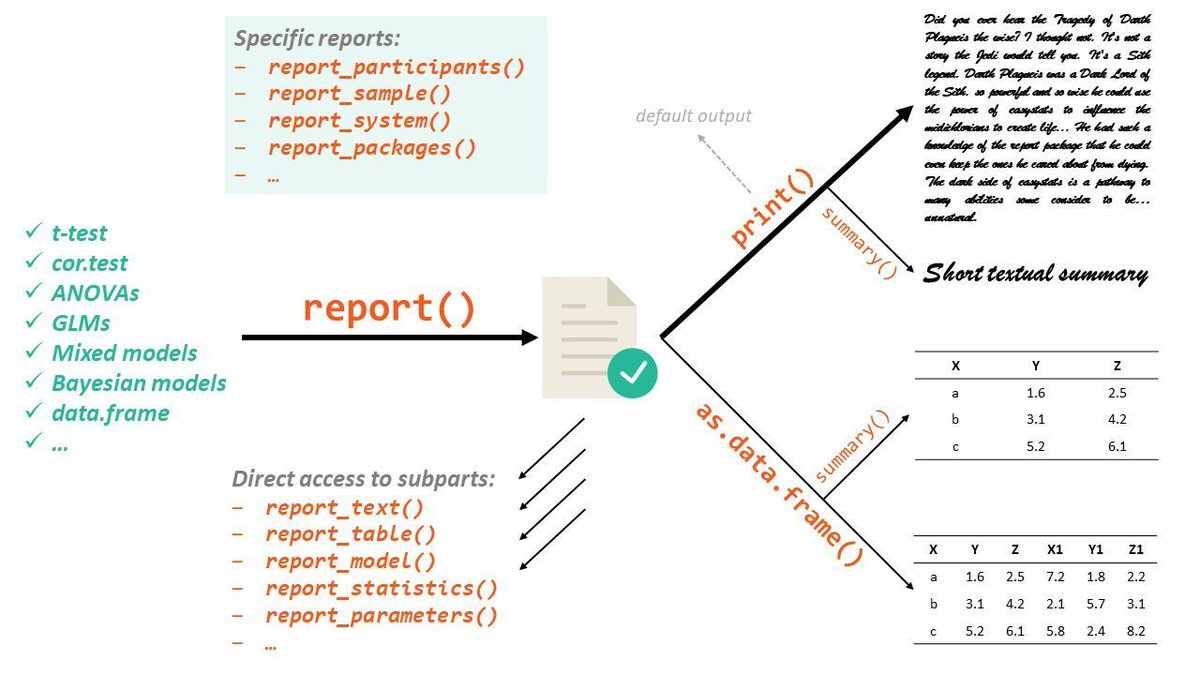
💥 Escribe automáticamente los resultados de tu modelo en #RStats.
👉 Crea informes de modelos y conjuntos de datos con estilo APA para garantizar un formato estándar y de calidad.
🔗 https://t.co/26ztrbjGUb
👤 @patilindrajeets
#datascience#stats#analytics#programming#code
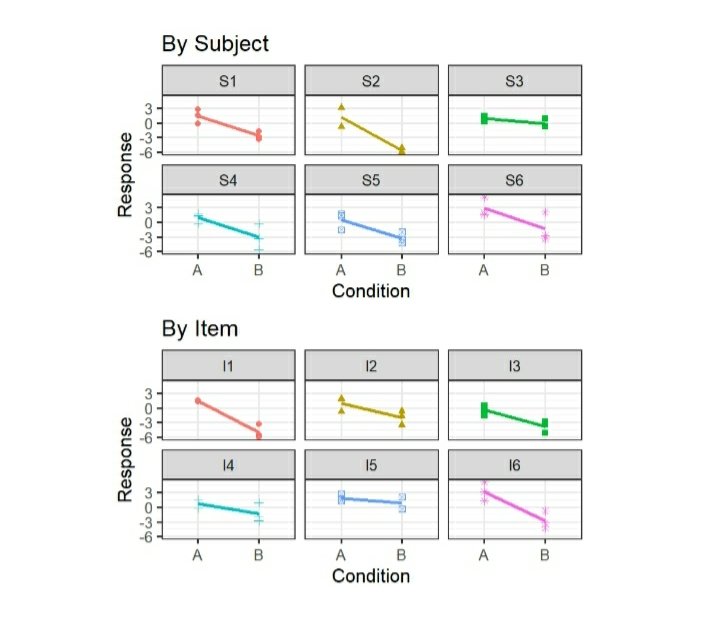
#statstab #16 Maximal Random Structure (mixed effects models)
Thoughts: A very nice tutorial and explanation on the benefits of Mixed effects models, including some useful advice and advanced tips.
#stats#lmm#mixedeffects#randomeffects#power
https://t.co/7uHNh5DFyD
El sistema educativo hasta los ‘90 seleccionaba a “los buenos” y expulsaba a “los malos” antes de terminar la (supuestamente) obligatoria. El actual es casi universal hasta los 16 sin un descenso sustancial del rendimiento promedio, pero, para cierto sector, eso es un fracaso.
In case you missed this: meta-analytic website with data of hundreds of clinical trials where you can conduct your own meta-analysis within a minute. A really remarkable tool of open scholarship.
¿Te interesa la investigación en Psicología? ¿te gustaría prepararte para realizar una tesis? Entonces, vente a la @uam_psicologia@UAM_Madrid. Inauguramos nuevo Máster sobre Técnicas de Investigación en Procesos Psicológicos Básicos!
Más detalles aquí 👇🏻
https://t.co/gOPLOevRrb
So happy to begin 2024 with my paper "Broken Wills and Ill Beliefs: Szaszianism, Expressivism, and the Doubly Value-Laden Nature of Mental Disorders" published open access at Synthese! 🎉🎉🎉
https://t.co/L0J5LTNZ6N
Brief summary below! 👇🧵
In short, COVID-19 highlighted old issues in published articles on online psychological interventions but amplified them. Caution must be exercised about methodology when using evidence for policy decisions, especially in public health.
As researchers strive for greater transparency, it's essential to go beyond the openness of articles and prioritize transparent data practices. Access to tools and resources can help promote these practices and ensure that research is conducted with the utmost integrity.
COVID-19 articles were published more in open access, but data was still not public. Here we proposed one of our most interesting hypotheses: Open science initiatives focused on sharing articles rather than data, resulting in a✨marketing-oriented open science✨.
Articles during COVID-19 had shorter acceptance times than articles published before the pandemic, which could be associated with more lenient standards that could lead to overlooking methodological problems. It could be also because of an extra motivation for rapidness and with
Although our data does not provide conclusive evidence to either support or refute any of these hypotheses, it's important to take into account the circumstances that necessitated prompt decision-making and timely publication, compounded by the existing pressure to publish.
Replicability was also not one of the strengths. It wasn't before and it wasn't now: it is very difficult to figure out what an intervention does if someone wanted to replicate it.
🎄🥳 As an early Christmas gift... this *is finally* published in open access➡️https://t.co/2pSm1XXm0A
w/ M Burgaleta, L Morís, @mavadillo, S Soto-Faraco and myself at @cbcUPF on meta-science, quality of research on online psychological treatments in COVID-19⚙️🔎(#TuiteoMiPaper)
Both article samples found poor adherence to research standards across various indicators.
During COVID19, using randomised groups, RCTs, and pre-registration was less common. It is relevant because preregistration is associated with less questionable practices, such as HARKing
We focus on 6 areas: design features, blinding, statistical analysis, replicability, reporting & publishing.
This was a long process (🔎): we had to train ourselves to use the coding manual, read carefully all articles, extract and assess key information and resolve mismatches.
So we developed an adaptation of a checklist that assessed research quality standards by making it as broad as possible in research designs and applied it to two samples of published articles: before and during the pandemic.
In other clinical or medical fields, suspicions were already raised and it was found that the quality indexes dropped, that articles were published very quickly and that this could have consequences on the conclusions drawn.