A UK consortium of biobanks, museums and universities enhancing the diversity, visibility, and availability of zoological samples for research and conservation.
Hello Twitterverse! This is the official twitter account for #CryoArks, a new UK initiative that is establishing the first national #zoological#biobank. https://t.co/n4SrqyW2L4
The daily draw-along with Darwin Tree of Life Project fully sequenced organisms continues.
Follow along by visiting our blog which will highlight each new species each day!
https://t.co/y3Zm8ujX6i
For the first time in 40 years, adult Partula snails who were born in the wild have been found 🐌✨
During the annual reintroduction of snails to their French Polynesian island home, unmarked snails were found! Proof that previously reintroduced snails have successfully bred 💛
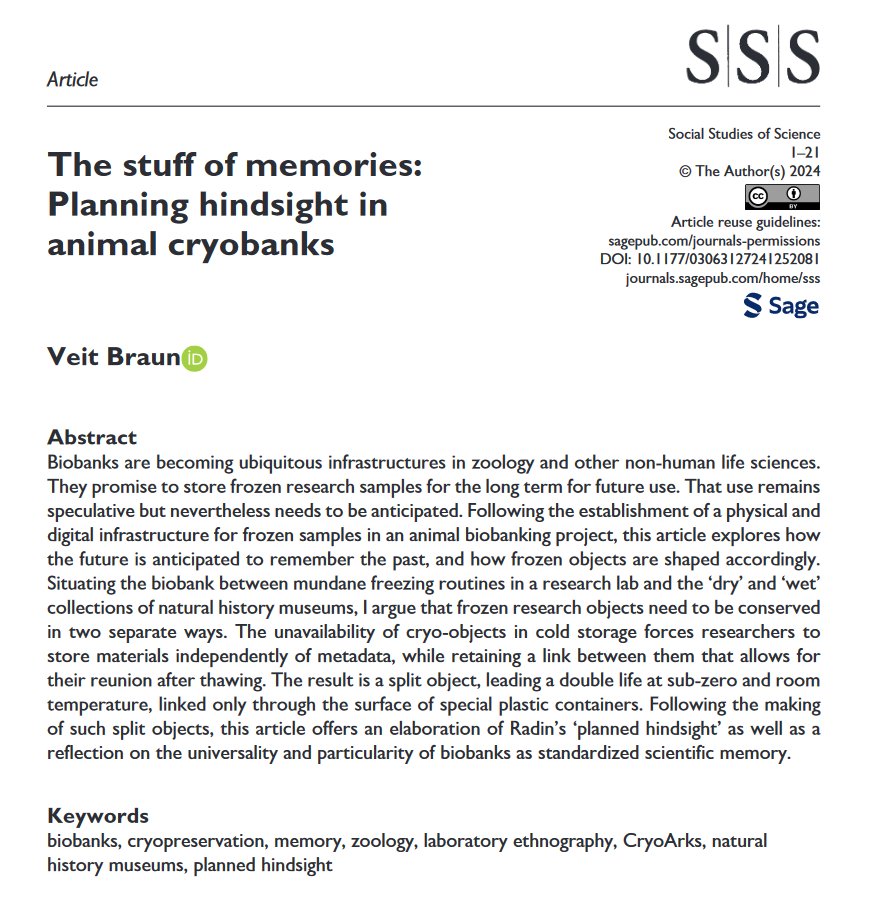
After nearly four years of working on it, I've finally got this article out in @Soc_Stud_Sci today: a little portrait of @cryoarks in particular and an account of the difficulties of biobanking more generally (Open Access)
https://t.co/zHqm81t9kq
We're happy to announce that GGBN and ERGA with the support of Digital Sequence Information (DSI) network are organizing a two-part webinar series focused on ABS (Access and Benefit Sharing), the Nagoya Protocol and DSI this April. Sign up here! https://t.co/TkoBnZSv9a
DiSSCo UK is a £155 million programme over 10 years, and is part of a wider £473 million investment from the UKRI in research infrastructures.
UK natural science collections hold over 137 million items - researchers use them to find solutions to global problems 🌍
BIG NEWS 🪩
#DiSSCoUK is funded through the UKRI Infrastructure Fund and led by the Natural History Museum and the Arts and Humanities Research Council.
This will build on our ten years’ experience of #Digitisation, working with over 90 partner organisations around the UK 🌿
Huge thank you to everyone that came to our #PublicEngagement event for Frozen Ark! 🎉Thanks to all the budding young scientists that came to learn about #biobanking and #conservation!❄️🦔
An impactful final contribution of @MikeBruford & the group of collaborators he helped build with @CristianoVernes @gbike_cost@ConGRESS_EU & many others. An assessment of genetic monitoring in Europe and how it can help monitor #climate impacts. https://t.co/cHlVT3JWhe
Check out this article in the Observer Magazine:
“There’s so many species in the world that have incredible powers, if you like characteristics, and the DNA is the blueprint,” says Noble. “Why wouldn’t we want to preserve that and understand it?”
https://t.co/vkUtjewY4t
Since its inception in 2021, the African BioGenome Project (AfricaBP), has made significant gains towards its ambitious goal of sequencing 100,000 endemic African species within the next 10 years.
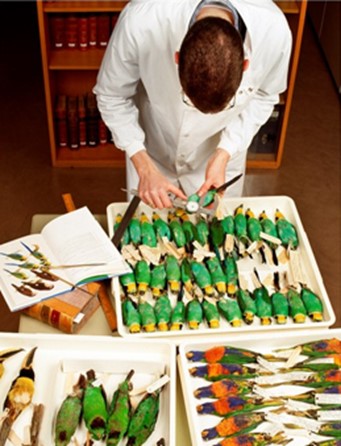
@NHM_Tring @TheLabAndField @DiSSCoUK@vsmithuk @phylofacts @NHM_Unlocked@NHM_Digitise@IBIS_journal These specimens were collected over the last 300yrs, representing a period of rapid change driven by human activities. Deputy Director of Science, Ken Norris - looks at how we can unlock museum collections to enable more research @IBIS_journal https://t.co/OfvYx0WJcT
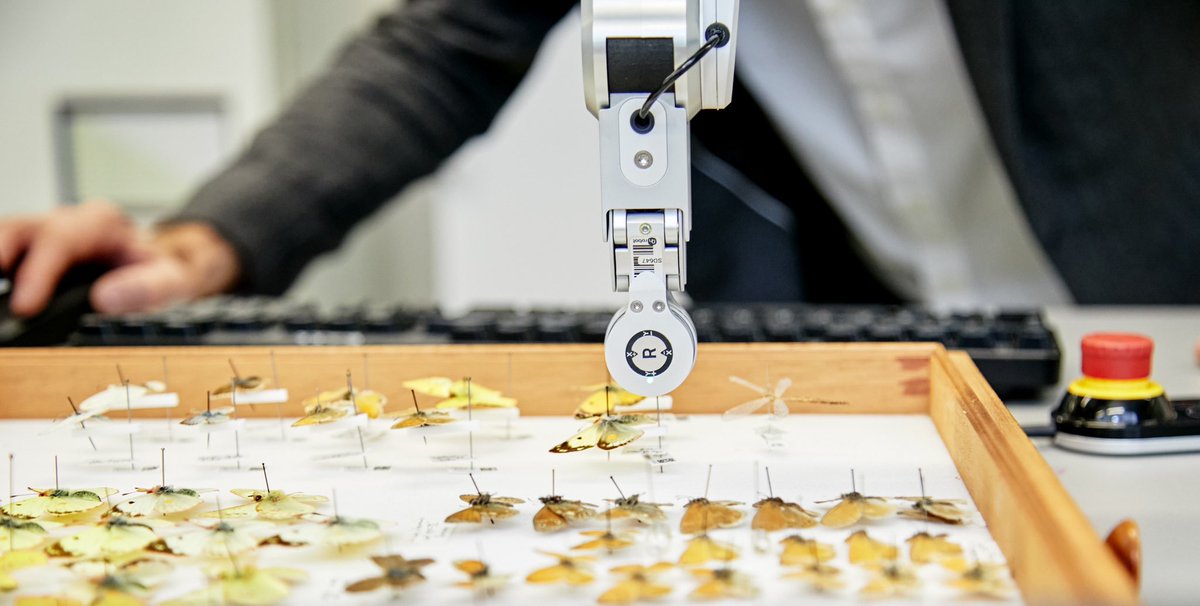
Did you know that @NHM_Tring has over a million specimens representing 95% of living bird species today. This makes it one of the more comprehensive bird collections in the World. A 🧵
Do you also have that one friend that you sometimes pretend you don't know? 😂Today, it's the day of the #Finnhorse! Now classified as endangered, this #horse has been used in both #agriculture and wars. Read more about it here: https://t.co/q6u9elZGXl