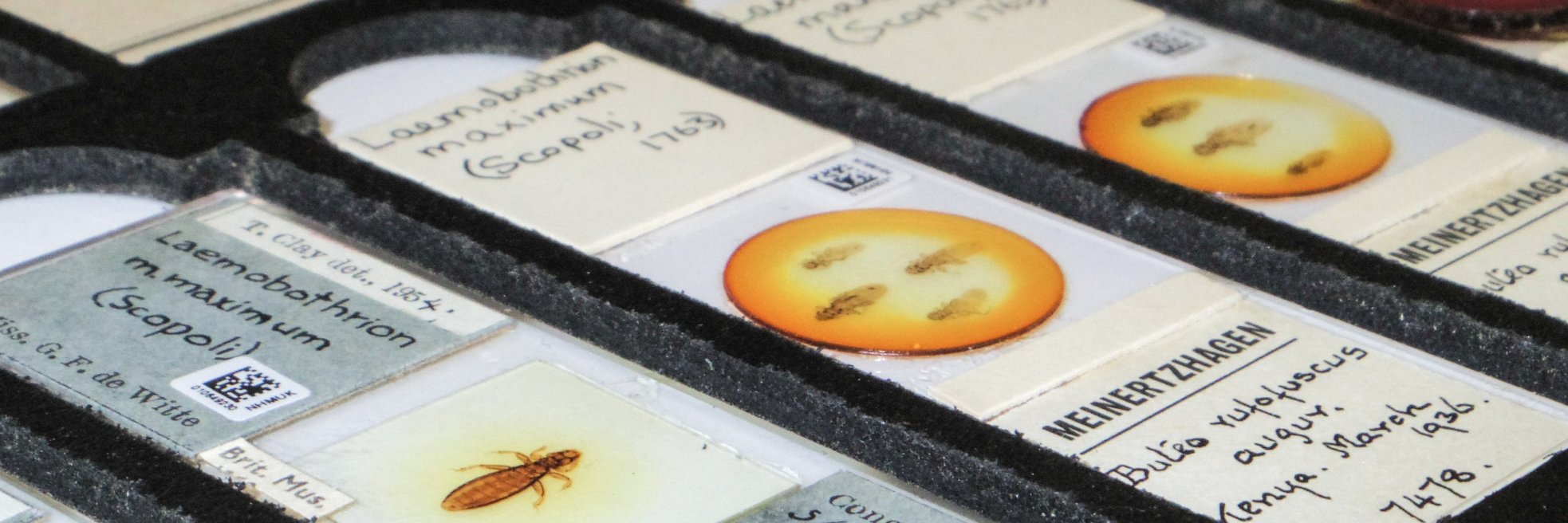
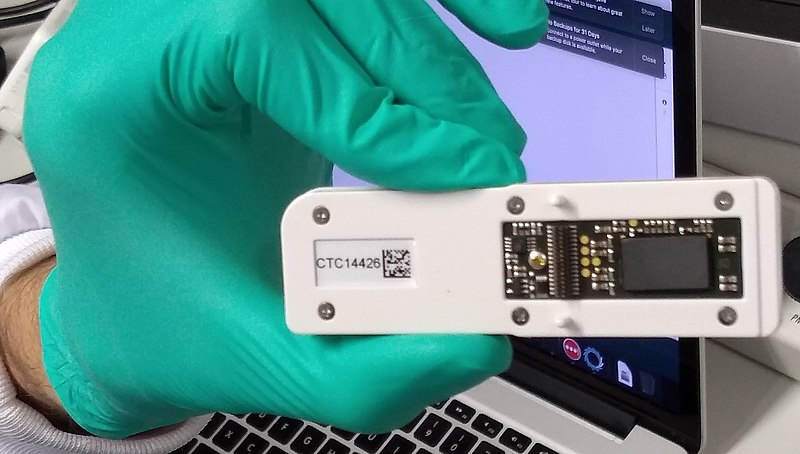
After many years in the making, the first call for DiSSCo UK digitisation is out. This is just the beginning in terms of funding, but it's great to have this out. https://t.co/YJZp14LFwq
Last chance to snag an amazing job working in @NHM_science and the wider natural science collections community, as DiSSCo UK Technical Project Lead. Applications close Mon 20th Jan: https://t.co/FvypK7rysT
Very sad indeed. Stephen also did a lot of work on @Wikispecies which in turn has feed into @wikidata. He had strong opinions on many things, which he shared in numerous interesting - often lengthy - debates on @taxacom. He will indeed be missed.
Sir Patrick Vallance KCB has been appointed Minister of State (Minister for Science) in the Department for Science, Innovation and Technology @SciTechgovuk.
A very useful paper by @MegBalk with @hlapp and colleagues we start to work up the image infrastructure needs for https://t.co/HU9NCSOydo - see https://t.co/b6jNOn4WRT
None other than @ScienceMagazine tells of the great achievement of @DiSSCoUK and highlights the truly global relevance of our efforts at @DiSSCoEU to drive mass-scale digitisation of our natural collections and make them available for all. #biodiversity
👉 https://t.co/KXFPMD8HTq
The digitisation of butterflies and other historic specimens @NHM_London could help scientists prevent future pandemics and support biodiversity 🦋
Our £473 million investment into research will allow our brightest minds to thrive & build a more prosperous UK 🇬🇧
OPPORTUNITY: We're seeking proposals for a systematic review of scientific literature published between 2020 and 2024 that relies on data from the GBIF network—a fixed-term assignment analysing patterns and trends in use of GBIF-enabled research.
Details: https://t.co/7dehHPJ9IB
This looks like a really interesting thesis. Given the difficulties in modelling the nomenclatural rules and dealing with imperfect data, I wonder if there is an appetite to make nomenclature more computable. https://t.co/mqXBLjen9x
Since January 2023, scientist have contributed a fantastic 722 new research papers to science on topics from human health to extinction. Find out more about how we are creating solutions from and for nature with our scientific work in our latest article https://t.co/6rSpJ3Ushc
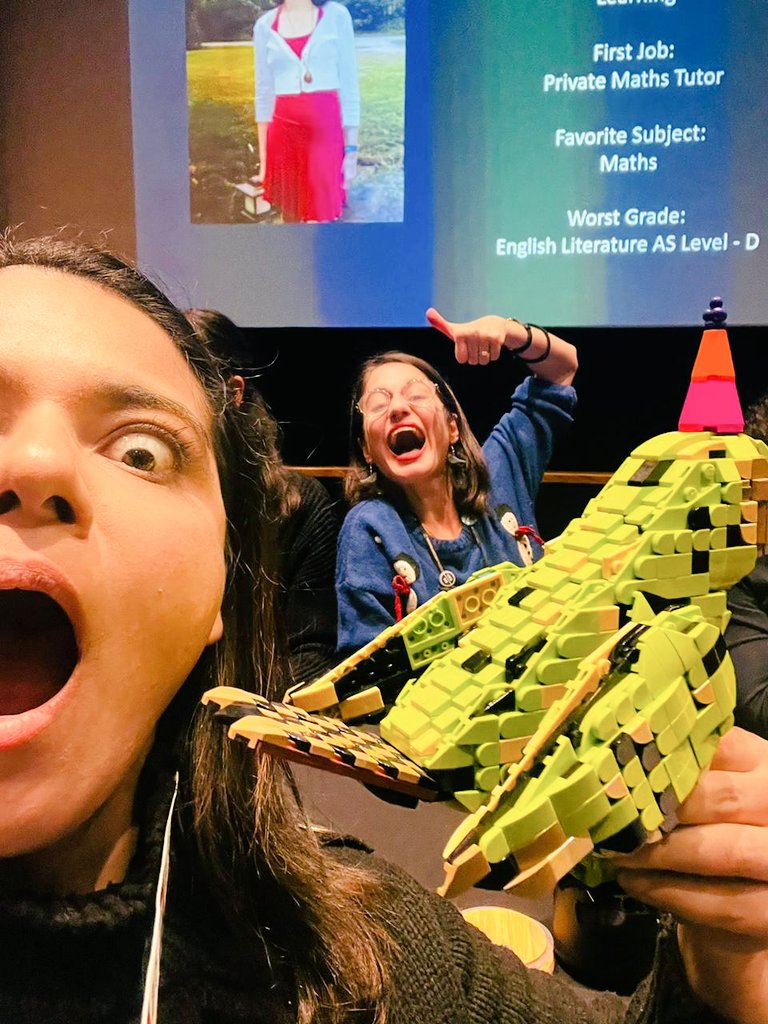
Absolutely *loved* taking part in @NHM_Explorers's "Build A Museum" today, talking maths + natural sciences.
Thank you to the brilliant @ThenSheAppears for everything, the awesome folks who voted #TeamMaths, and the wonderful @sarumahdi for this woosh selfie w. lego kakapo.😍
iBOL's Scientific Director, Paul Hebert & the @CBG_UofG#Innovation unit team have demonstrated that 100,000 #DNAbarcodes can be sequenced in a single @nanopore run at high accuracy and low cost.
https://t.co/OmbOJ8ZDXk
🆕In a new guest blog post, @cabbageleek takes a look at the potential of AI & #machinelearning "to democratise" #biological collections.
🖊️The guest post is a follow-up of a forum paper recently published in @BioDataJournal.
#Biodiversity#BiCIKL_H2020
https://t.co/HgW5ldkbYm