5 Free DevOps Labs Every Engineer Should Know 💎
These platforms give you real environments to practice, break things, and learn by doing:
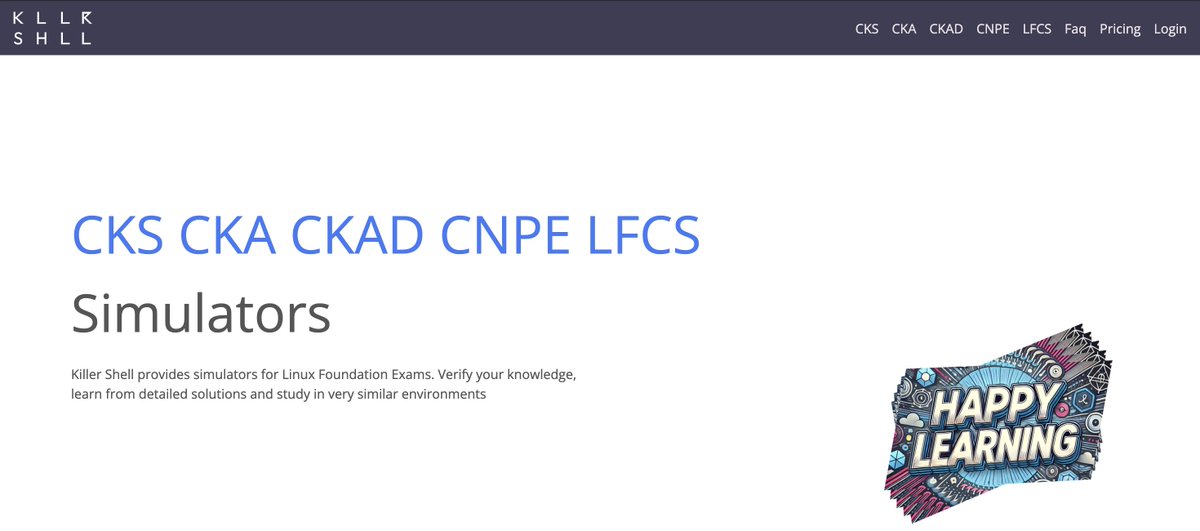
1⃣ Killer Shell: Exam simulators for CKA, CKAD, CKS, CNPA, and LFCS
https://t.co/rElFc7wWEl
2⃣ Play with Kubernetes: Free browser-based Kubernetes playground
https://t.co/3YqJu8Q25t
3⃣ Play with Docker: Spin up Docker environments in seconds
https://t.co/6RCLst7KLd
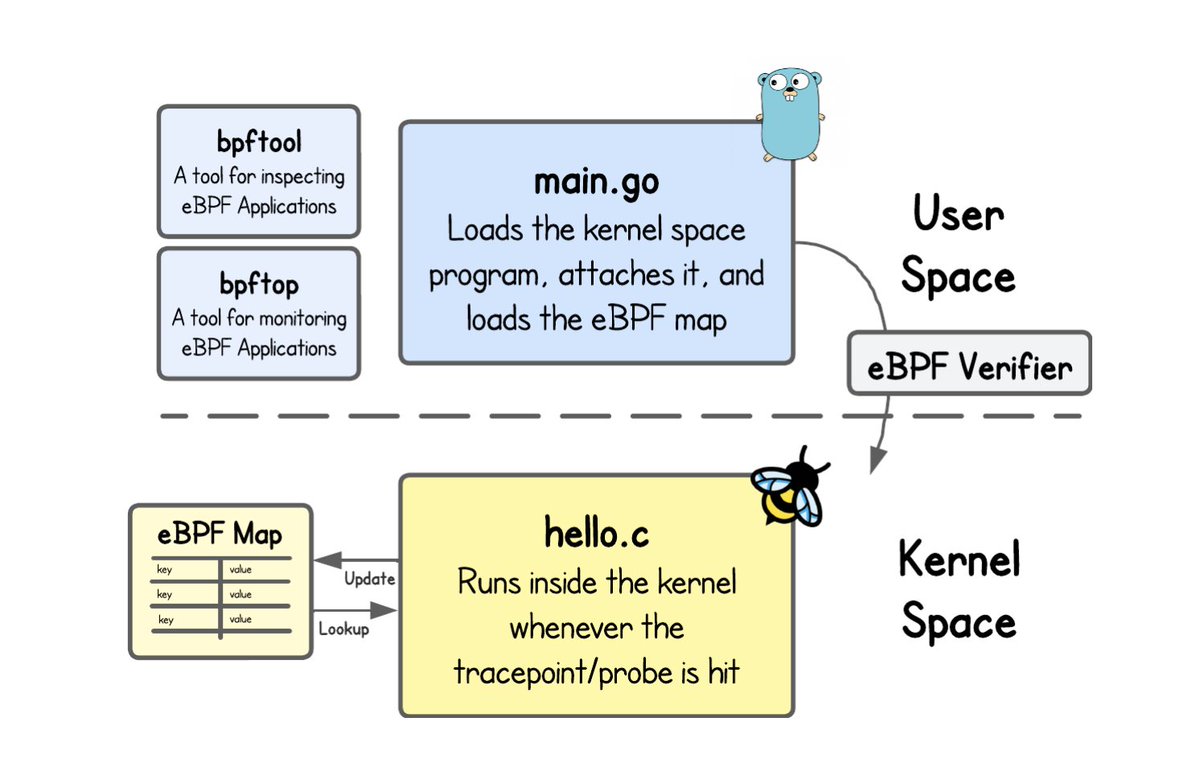
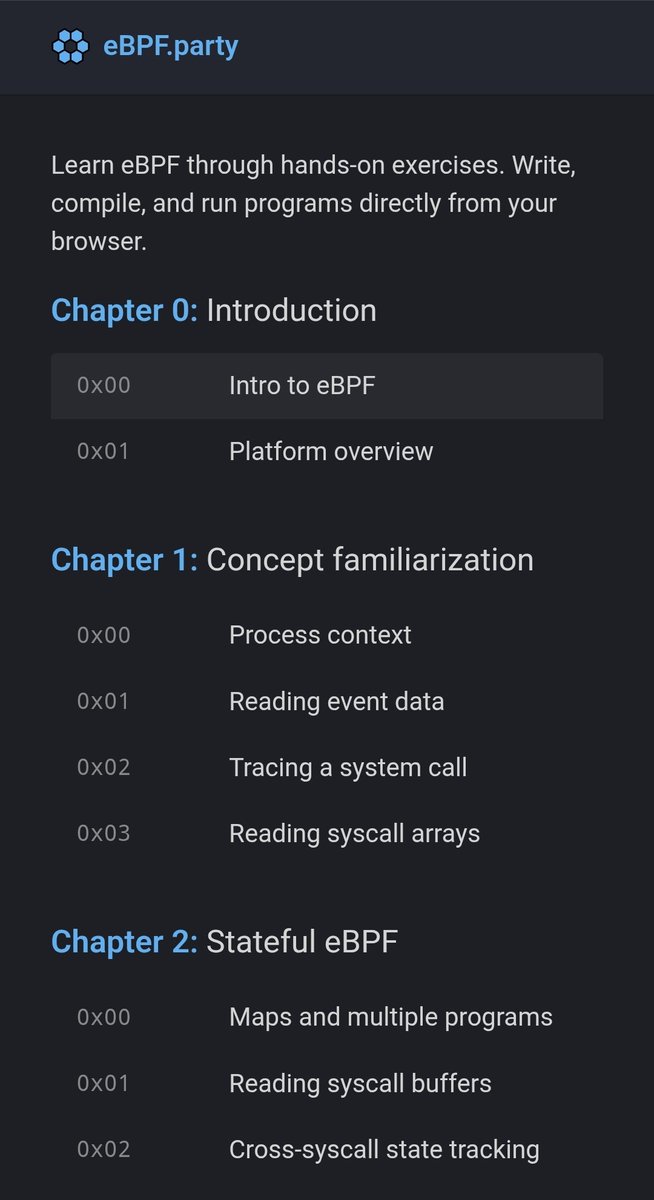
4⃣ iximiuz Labs: Hands-on labs for containers, Linux networking, eBPF, Kubernetes, and more
https://t.co/Mb9x9CAhIG
5⃣ LabEx: Interactive browser-based labs for Linux, Docker, Kubernetes, DevOps, and Cybersecurity
https://t.co/Q45OD5Txff
If you're stuck in tutorial hell, start spending more time in labs than videos.
The best AI ETF on this map is the most boring one, and the worst is the one with the most exciting headline this month.
Seven ETF's and seven bottlenecks in the AI buildout, ranked by which wall actually holds.
Let's dive into it 🧵
The AI trade stopped being about chips. It ran out of memory, then power, then the machines that print the chips, then the grid. 7 ETFs now map every wall the buildout hit. One of them just lost its reason to exist this month. Here's the full map of where the money goes.
For two years the AI trade had one move: buy whoever designs the chip. That trade is over. It didn't stop working. The buildout simply walked off the edge of abstract compute and fell straight into physics. You can design a perfect accelerator and still be stuck, because there isn't enough memory to feed it, enough power to run it, or enough grid to carry the power. Wall Street's answer was to chop the bottleneck into pieces and sell you each piece in a wrapper. This map is that menu. Seven ETFs, seven walls, nowhere near equally good.
🧠 THE MEMORY WALL
The first wall the buildout hit was memory. Every accelerator in a data center needs a stack of high speed memory sitting right next to it, and if that memory can't keep pace, the expensive chip sits there half idle, waiting. For years memory was the commodity bin of the chip world, brutal cycles, prices collapsing every time supply caught up. AI snapped that pattern by needing more of the hard kind than three factories on earth can physically make.
That is the entire trade. When a handful of plants are the only source of the thing everyone is desperate for, they stop being price takers and start setting the price. This is the cleanest pure play on the board and also the most concentrated, a three stock bet wearing an ETF costume. My honest read: the demand is real, but you are underwriting a commodity cycle that has always, eventually, rolled over. Own it for the shortage. Don't mistake it for forever.
Ticker: $DRAM
🔬 THE MACHINES THAT PRINT THE CHIPS
Go one layer down from the chip and you reach the machines that make the chip, plus the light that lets one chip talk to the next. One company in Europe holds a literal monopoly on the lithography tool every advanced processor on earth is printed with. There is no second supplier. If you want a toll on the future of computing, that is the booth.
The catch is the wrapper mixes two clocks. The lithography monopoly runs on the slow capex cycle of factory build outs. The optical side, the cables of light shuttling data between thousands of GPUs, runs on the white hot data center boom. Some analysts argue this fund is really semicap equipment dressed in a photonics story. Check what you are buying before you assume it hands you the bottleneck and not the broad fab.
Ticker: $EUV
⚙️ THE WHOLE SILICON COMPLEX
If the others are scalpels, this is the hammer. The whole chip complex in one wrapper: the designers, the foundries, the equipment makers, the memory names, all of it. It is the oldest and most liquid way to be long silicon, and it already brushes against every other wall on this map a little.
That breadth is the strength and the weakness. It has drifted into behaving like a mega cap AI basket, top heavy, moving with the same few giants everyone already owns. If you hold one thing from this map, it is probably this, as the base of the position. Just know you are buying the average of the boom. The edge lives elsewhere.
Ticker: $SMH
⚛️ POWER IS THE NEW COMPUTE
Here is the one I watch most closely. A data center is a machine that turns electricity into tokens, and the constraint quietly slid from the chip to the wall socket. You can own all the silicon in the world and it is dead weight if you cannot power it. The thing nobody priced for years is that the grid cannot conjure gigawatts on a hyperscaler's timeline.
Nuclear is the cleanest answer to a precise question: what runs at full output at 3am, in winter, with no wind and no sun. Nothing else carbon free does that at scale. This is the most durable bottleneck on the board, because you cannot fast track a reactor and you cannot fake baseload. The scarcity is structural, and structural scarcity is where the money sits.
Ticker: $NLR
🔌 THE DIRT ROAD UNDER THE BUILDOUT
Say you build the reactor. You still have to move the electrons, and the grid carrying them was designed for a world that no longer exists. Transformers with multi year lead times. Switchgear. The unglamorous iron nobody posts about. This is the dirt road under the Ferrari, and horsepower is useless if the road can't take it.
It is the most boring section on this map, which is exactly why I like it. The power story soaks up all the attention while the gear that delivers the power trades like an afterthought. Slower and steadier, with less to argue about. The picks and shovels of electrification tend to outlast the gold rush that needed them.
Ticker: $GRID
🤖 THE BET ON AI GETTING A BODY
This is the lottery ticket. The wager that once a model can think, the next prize is giving it hands, and the factory floor becomes the first customer. Strip out the two giants anchoring the fund and most of what remains is pre revenue ambition and prototypes that may or may not ship.
I think the thesis is right and a decade early, which is a dangerous combination. Half these names will be bought or gone before the story pays off, and you cannot know which half. So position sizing is the whole strategy here. Treat it like a call option, small and asymmetric. Don't marry it.
Ticker: $HUMN
🛰️ THE TRADE THAT JUST LOST ITS EDGE
This one has a problem the others don't. Its entire reason to exist was access. It was one of the only ways an ordinary investor could touch the most valuable private rocket company on earth before it listed. People poured in billions for that single keyhole.
Then the keyhole became a door. The company finally went public this month, and the scarcity premium that built this fund evaporated on contact. It fell as its star holding listed, because the thing you were paying up for is now a ticker you can buy yourself. What is left is an actively managed space basket charging a thematic fee for exposure you no longer need a wrapper to reach. The catalyst that made this fund is the same catalyst that broke its pitch.
Ticker: $NASA
FINAL THOUGHTS
Step back and this isn't seven ideas. It is one idea wearing seven costumes. The AI buildout outran the physical world, and the money flows to whoever owns the wall it slammed into.
So I rank them by how fast the wall can move. The slow walls are the safe ones: the broad chip complex, the grid, and the power that feeds it. You cannot wish a reactor or a transformer into existence, and that lead time is the moat. The concentrated bets, memory and the lithography layer, are real but cyclical, and a chunk of the move is already in the print.
Then the dreams. Robots are early. Space just had its scarcity arbitrage close on live television.
Here is the part that will annoy people: the best risk reward on this entire map is probably the most boring ticker on it, and the worst is the one that printed the most exciting headline this month. The ETF industry is built to sell you the exciting one. The durable money has always lived in the wall socket and the dirt road.
Setting up alerts for Active Directory enumeration is not hard. Yet, in almost every internal pentest I do, even against well resourced orgs, it’s rarely alerted on.
Maybe they don’t see it as being worth it?
Maybe they think it’s too difficult?
Maybe they don’t know how?
Maybe they are relying on their MDR provider to do it?
Yes to all of the above.
More alert ideas for defenders here 👇
https://t.co/NI9lwxHIE3
NVIDIA CEO, Jensen Huang:
"Nobody writes prompts anymore. The new job is to write and handle loops."
He calls it the shift that defines the rest of 2026.
Interview was out just yesterday.
Watch the 23 minute talk, then save the full framework below👇
TWO ENGINEERS SHOWED THE GIT TRICKS THAT MAKE PEOPLE THINK YOU'RE A WIZARD -- THE ONES 95% OF DEVELOPERS HAVE NEVER ONCE TOUCHED
42 minutes from Johan Abildskov and Jan Krag, bending git with custom configs, attributes and hooks most people don't even know exist.
-> The moment it lands, git stops being four commands you repeat in fear. The same tool you've used for years turns out to have a whole layer built to bend to you.
Hooks that run your checks before a bad commit ever lands. Attributes that end the "it works on my machine" merge wars. Config that makes the painful parts just stop happening.
Memorizing commands was never the ceiling -> shaping git to do the work for you is. And while everyone else fights the tool by hand, the person who set it up right is shipping clean three times faster.
Most people use 5% of git and call it a day. This is the other 95% nobody showed you.
Bookmark it and Watch today ↓
for anyone asking where to learn this stuff:
• RAG → https://t.co/4bzbUIwV5g
• Agentic RAG → https://t.co/IotOiGmV1Y
• AI Agents → https://t.co/nEeMnVJQbk
• Multi-Agent Systems → https://t.co/pavDPVJEFj
• LangGraph → https://t.co/3miEqqFzF0
• LangGraph (code) → https://t.co/v7kxHZXqba
• MCP → https://t.co/lKawRb4etX
• Memory Systems → https://t.co/LSaT2UaPAS
• Evals → https://t.co/vxChxa1kqQ
• Context Engineering → search "Context Engineering Survey" on arXiv
and please skip the "build an ai agent in 10 minutes" videos
build something, watch it fail, then figure out why.
THE CO-FOUNDER OF GITHUB GAVE A 46-MINUTE TALK ON GIT BECAUSE ENGINEERS WITH 10 YEARS IN HAVE NEVER SEEN HALF OF WHAT IT DOES
This is Scott Chacon. He wrote Pro Git -- the book most devs secretly learned Git from and he co-founded GitHub. So when he says you're missing things, you're missing things.
About ten minutes in it clicks: half the "git disasters" you've ever fixed by deleting the folder and re-cloning had a one-line solution sitting in the tool the whole time.
Git ships new code almost every day -> roughly nine commits a day for over a decade. Most of us stopped learning it the second we memorized add, commit, push.
Knowing Git isn't a senior-dev flex anymore -> it's the floor. The agent writes the code now. Your real job is reading, branching, and untangling the history it leaves behind.
The day an AI agent force-pushes over your main branch, these 46 minutes are the difference between a quiet fix and a very loud apology.
Save it now.
You'll reach for it sooner than you'd like ↓
If you want to get into eBPF programming, I highly recommend Teodor Podobnik's tutorials on iximiuz Labs.
The series starts from the basics and goes all the way up to solving practical networking problems. All posts are well-illustrated and full of examples that actually work.
Check it out https://t.co/Ya0dHYQwGc
your kubernetes pod just crashed in prod with OOMKilled.
you panic. you restart it. it crashes again.
here's what actually happened 👇
you set memory limit to 256Mi but your Java app needs 512Mi just to warm up.
K8s doesn't warn you. it just kills the process.
the fix isn't "just increase the limit"
- run your app for 24hrs in staging
- kubectl top pod --containers to see real usage
- set requests = 70% of actual avg
- set limits = 150% of peak
requests = what your pod is GUARANTEED
limits = the ceiling before it gets killed
never set limits without profiling first.
Let me make Local AI easy for you
Give Codex Cli the article below & tell it:
- Infer the right Inference Engine from your hardware + article below
- Use uv+venv
- Pick the right kernels
- Tune flags, batching, KVCache, etc
- Optimize for your hardware & chosen model
See? Easy
We’ve shipped a security-guidance plugin for Claude Code that helps identify and fix vulnerabilities as you’re writing code.
Available for all Claude Code users. Install from the plugin marketplace (/plugins).
Google acaba de publicar el estándar de Code Review que usan sus ingenieros internos.
Literalmente puedes darle esta documentación a un agente de IA y convertirlo en un revisor de código con estándares de Google.
La mayoría de IAs solo generan código.
Ahora también pueden:
→ detectar malas prácticas
→ revisar arquitectura
→ pedir cambios útiles
→ validar legibilidad y mantenibilidad
→ dar feedback estilo Google
El documento incluye cómo revisan código realmente dentro de Google:
→ criterios de aprobación
→ qué bloquea un merge
→ cómo escribir código fácil de aceptar
→ términos internos como LGTM y CL
No es teoría.
Es el sistema real que usa Google para revisar millones de líneas de código.
Enlace abajo 👇