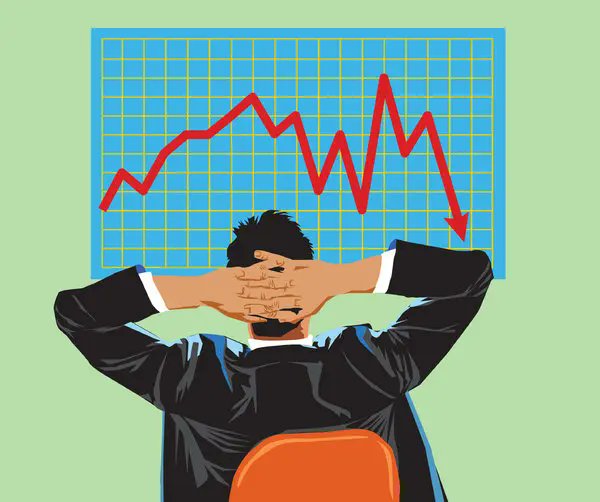
been reading a lot through this selloff. heres what makes sense to me:
a lot of this indiscriminate BTC selling looks like multi-strat hedge funds unwinding basis trades. these are firms like Millennium, Citadel, Balyasny that run dozens of semi-independent trading teams called pods, each with strict risk limits. if a pod hits its drawdown threshold, the risk desk forces them to cut everything. no discussion.
roughly 1/3 of ETF holders are institutional, about half of that is hedge funds running cash and carry (long ETF, short CME futures, collect the spread). vol spikes, CME auto-raises margin, the long ETF leg marks down, risk managers shut it all down, forced selling into no liquidity.
what makes it worse is you've got two liquidation cascades running at the same time. TradFi basis unwinds flowing through ETFs and CME, and crypto-native leverage wipeouts on offshore exchanges. they feed each other. ETF selling pressures spot through the arb mechanism, that triggers more perp liquidations, pushes spot lower, causes more ETF redemptions. rinse repeat.
the problem is when dozens of pods across multiple firms all have the same trade on, they all hit risk limits around the same time and sell into the same thin market. thats commonholder risk. it drives all downside correlation to one. MSTR had one of its highest dollar turnover days in history. thats not retail. thats institutions rotating out in size.
this is plumbing, not fundamentals. structural demand drivers haven't changed. could reprice fast
If you're in crypto right now, there's a good chance it feels like you're on fire.
Price is moving fast. Headlines feel urgent. You can see it in how people talk, post, and react. There's a growing panic creeping into every social channel. It's everywhere and it's starting to affect you.
That matters. Not because of what it says about the market, but because of what it says about you.
Let me say that again. How you feel is a reflection of how you prepared. How you process stress. Whether you built something to fall back on, or whether you're making it up as the ground shifts.
When volatility spikes, we don't just observe price. We absorb it. Time horizons shrink. Multi-year thinking turns into "what if I'm wrong right now?" That's not analysis. That's survival mode. And when you're in survival mode, you don't think. You react. Every decision starts to feel urgent, even the ones that aren't.
So here's the real question.
If you're in crypto today, why?
Is it because the long-term thesis still holds? Or did price pull you in, and now price is pushing you around?
And if you're on the sidelines, be honest. Did you want exposure when fear was high and prices were lower? Or only once things felt safer again?
Most people say they want opportunity. What they actually want is confirmation. Those two almost never arrive together.
Falling prices don't just change portfolios. They change perception. The asset class starts to feel broken, even when nothing underneath has actually changed. The network still runs. The code still executes.
The thesis doesn't know what the price is. But you do. And that knowing distorts everything.
Feeling the emotion isn't the mistake. Handing your decisions over to it is.
When you're on fire, you don't invent a plan. You fall back on one built ahead of time, under calm conditions, when you could actually think straight. That's not just good investing. That's how you find out whether you ever really had a plan at all, or just a feeling that felt like one.
Markets test more than your thesis. They test your preparation. Your process under pressure. And the uncomfortable truth is, most people find out how they handle stress at the exact moment they can least afford to handle it badly.
Crypto's volatility isn't a bug. It's the cost of admission.
And it will show you who you are faster than any other asset class on earth.
So if you're checking prices more than you'd like to admit, pay attention to that.
9. Thinking about markets this way has really helped me process a lot of what’s happening in crypto right now.
Curious what others think, additions, pushback, or examples welcome.
1. I’ve been spending more time diving into prediction markets. A frame thats helping me understand their importance.
In traditional finance, people operate off lagging indicators. Earnings, reports, narratives, post-mortems.
By the time those show up, the move is done.
8. We’re still very early, but some areas where this framework really clicks for me:
Options markets (hedging beliefs)
Insurance markets (crowdsourced risk)
Opinion markets (social conviction)
Coordination tools (truth-driven funding)