@mattyglesias I had the opposite experience: I majored in econ because the classes were comparative easy: go to class and study for the exams. My humanities classes required much more work: a book a week, long essays &c. Also, this stat is about intended majors, not actual majors.
Knowledge of the business model of multifamily rental housing is missing from the discussion on housing in general. This thread hopes to fill that gap.
(1/13)
Interesting that this dropped at the same time as the Abundance frenzy, "Supply Constraints do not Explain House Price and Quantity Growth Across U.S. Cities." Will be curious to see how the Abundance & YIMBY folks respond:
https://t.co/1uD5qA1OiY
"...our findings imply that constrained housing supply is relatively unimportant in explaining differences in rising house prices among U.S. cities... easing housing supply constraints may not yield the anticipated improvements in housing affordability."
My new paper on how humanities research funding works was posted as part of the first issue of the new journal *Public Humanities* for the Christmas Eve market in budget analysis. So a few new year thoughts.🧵
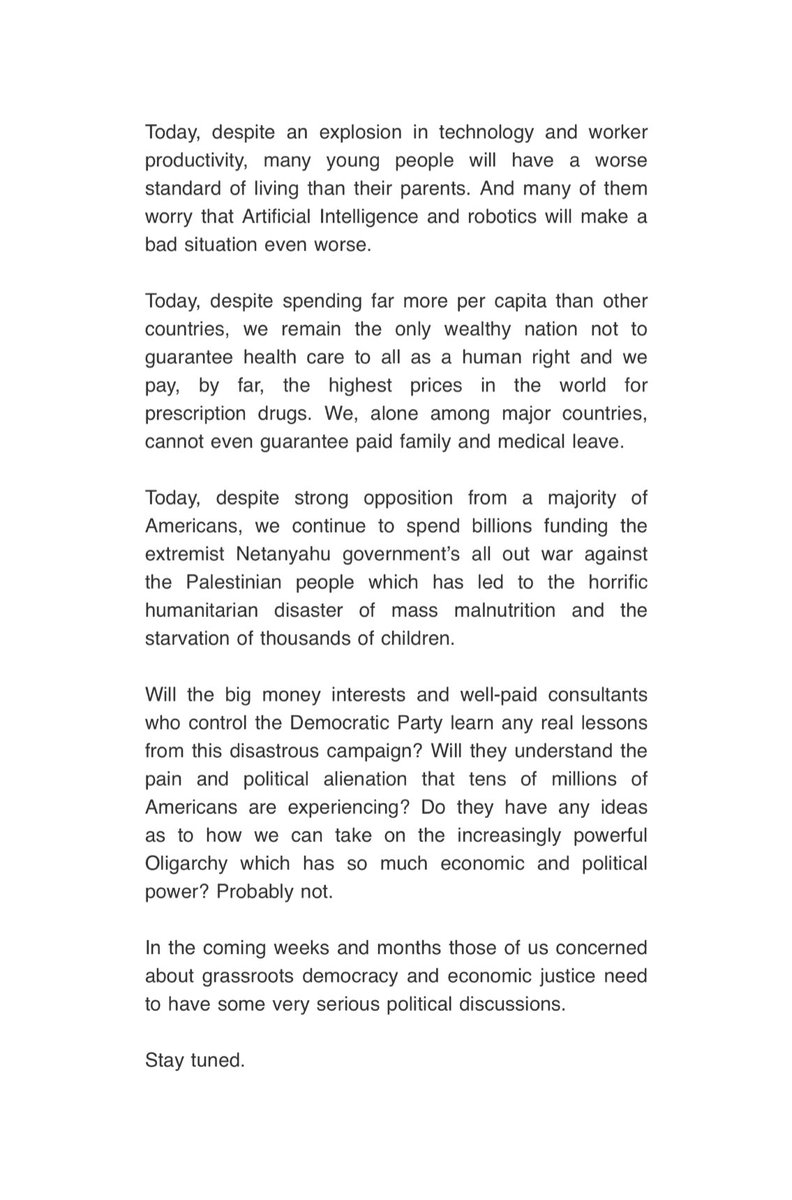
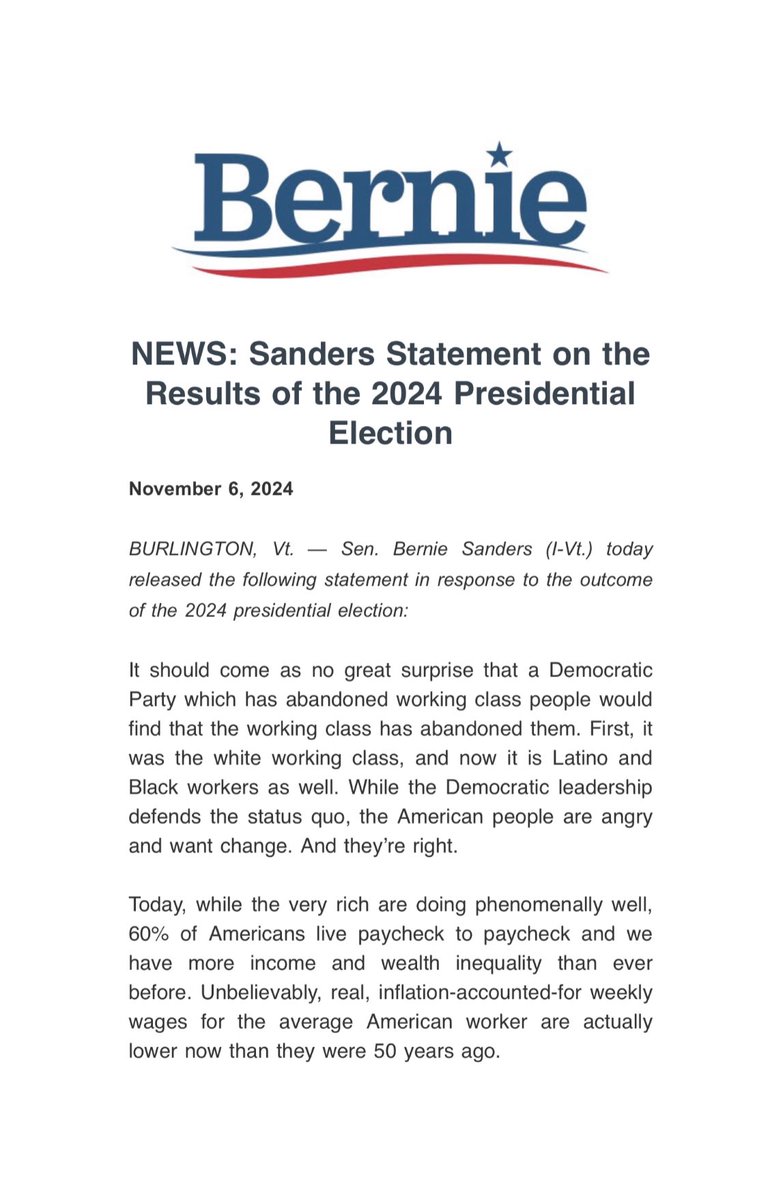
It should come as no great surprise that a Democratic Party which has abandoned working class people would find that the working class has abandoned them.
While the Democratic leadership defends the status quo, the American people are angry and want change.
And they’re right.
#PubDay for my first book, Access Is Capture: How Edtech Reproduces Racial Inequality, where I argue the push to ameliorate racial inequality via data-intensive #edtech extracts resources from working-class communities of color here in California. https://t.co/f5iJTJiCsY
This week, in a genuinely stunning series of events, a bill that was written to save local journalism from big tech was gutted in a backroom deal—and wound up bailing out Google and *boosting AI* instead. You can't make this stuff up.
Here's how it happened.
In the 1930s, a few modernist architects designed schools for disabled children that proposed radical visions of civic care, democratizing access to education and enriching the lives of thousands of young people.
A brief history, by David Serlin:
https://t.co/3QewcMvReS
In "Biennial Boom," Paloma Checa-Gismero @lapalo traces the cultural significance of art biennials in the twentieth century. Dive in to this title today by reading the introduction on our website: https://t.co/kLE20AHvuB #ArtTheory#ArtHistory